Dr. Gymbro
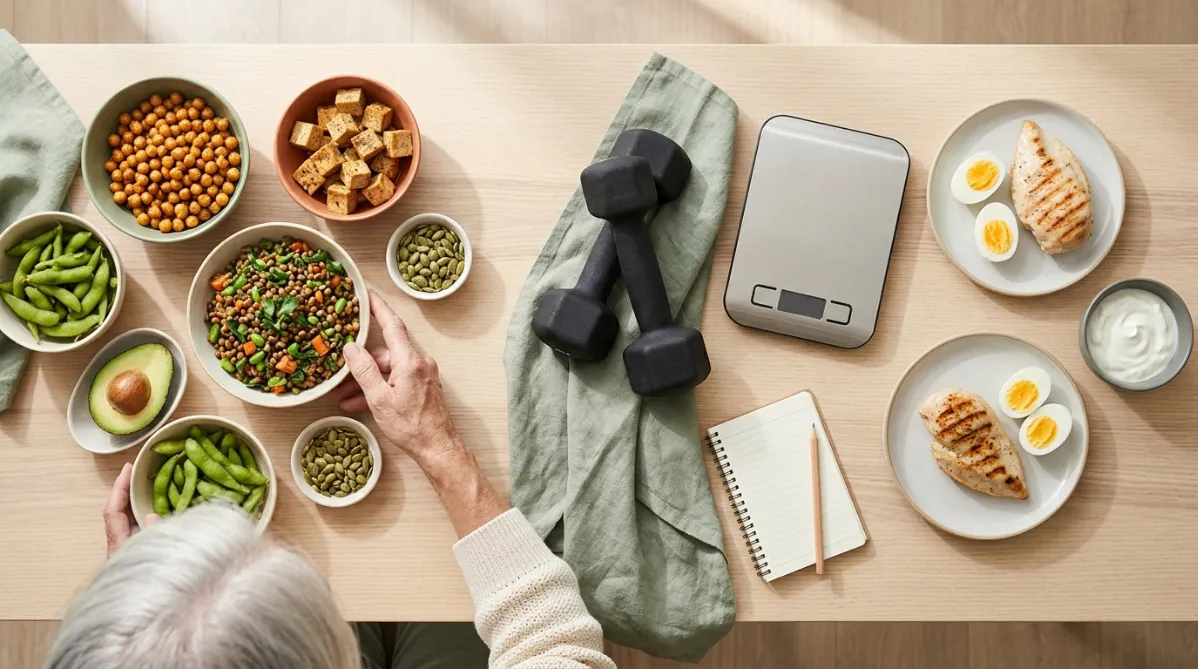
A bright, airy overhead flat-lay on a pale oak table in soft morning light. On the left, a vibrant plant-based protein spread in ceramic bowls: roasted chickpeas, marinated tofu cubes, lentil salad with herbs, edamame, sliced avocado, and a small dish of pumpkin seeds. On the right, a few contrasting items: a simple plate with grilled chicken breast, a hard-boiled egg halved, and a small bowl of Greek yogurt. Between the two sides, a pair of compact, matte-black hexagonal dumbbells rests on a folded sage-green linen towel, with a simple stainless-steel kitchen scale and a small open notebook with a pencil, suggesting tracking protein intake. A pair of weathered, elegant older hands, silver-haired and mid-60s, reaches in gently to pick up a bowl, with a casual cream knit sleeve visible. Natural window light casts soft diagonal shadows across the table. The palette is warm and muted: sage green, cream, terracotta, soft charcoal, with pops of fresh green and orange from the vegetables. Shallow depth of field, crisp focus on the food and dumbbells, gentle blur at the edges. The composition follows a clean editorial style with generous negative space at the top and right for headline text. The overall feel is modern wellness-magazine photography: calm, clean, and inviting, with tactile textures of linen, ceramic, wood, and fresh produce. Landscape 16:9 framing.
Nutrition

55 साल की उम्र के बाद शाकाहारी बनना? 108 लोगों के लिफ्टिंग ट्रायल ने क्या पाया

Dr. Gymbro · · 5 min read

55 साल की उम्र के बाद शाकाहारी बनना? 108 लोगों के लिफ्टिंग ट्रायल ने क्या पाया

सारांश: क्या आप 50‑60 के दशक में मांस छोड़कर, साथ‑साथ वजन उठाना चाहते हैं? IMPACT नामक रैंडमाइज़्ड ट्रायल ने 108 बुजुर्गों को 12 हफ़्ते की रेज़िस्टेंस ट्रेनिंग पर अध्ययन किया। परिणाम दिखाते हैं कि शाकाहारी और मांसाहारी दोनों समूहों ने मांसपेशी और ताकत में वृद्धि की, पर शाकाहारी समूह ने कम प्रोटीन (1.24 vs 1.58 g/kg/दिन) लिया और परिशिष्टीय मांसपेशी में कम बढ़ोतरी (+0.38 kg बनाम +0.66 kg) देखी। शोधकों ने शाकाहारी आहार को मांसाहारी आहार के बराबर साबित नहीं कर पाए, और मांसपेशी परिणाम सांख्यिकीय रूप से निष्कर्षहीन रहे। नीचे इस ट्रायल के मुख्य निष्कर्ष, सीमाएँ और पौधे‑आधारित आहार पर लिफ्टिंग करते समय प्रोटीन लक्ष्य कैसे सेट करें, बताया गया है।

क्या आप 55 के बाद शाकाहारी आहार पर मांसपेशी बना सकते हैं?

हाँ, एक नई रैंडमाइज़्ड ट्रायल के अनुसार यह संभव है। लेकिन शाकाहारियों ने कम प्रोटीन खाया और मांसपेशी वृद्धि भी कम रही, तथा शोधकर्ता यह साबित नहीं कर सके कि दोनों आहार बराबर हैं।

यह अध्ययन IMPACT ट्रायल है, जिसे The American Journal of Clinical Nutrition में Van Oppenraaij, Weijs, Verlaan एवं सहयोगियों ने प्रकाशित किया है। नीचे इसके प्रमुख निष्कर्ष, सीमाएँ और आपके लिए क्या मायने रखते हैं, बताया गया है।

अध्ययन डिज़ाइन: वास्तव में क्या परीक्षण किया गया

IMPACT एक रैंडमाइज़्ड नॉन‑इन्फेरियॉरिटी (non‑inferiority) ट्रायल था। इसने जाँच किया कि क्या लैक्टो‑ओवो शाकाहारी आहार (प्लांट‑फ़ूड + डेयरी और अंडा, बिना मांस या मछली) प्रोटीन सेवन और रेज़िस्टेंस ट्रेनिंग के दौरान मांसपेशी वृद्धि में मांसाहारी आहार के बराबर हो सकता है।

  • प्रतिभागी: 108 वयस्क, आयु 55 वर्ष और अधिक (औसत आयु 66 साल; 58 % महिलाएँ; औसत BMI 25.7 kg/m²)
  • ट्रेनिंग: 12 हफ़्ते, सप्ताह में तीन रेज़िस्टेंस सत्र, दोनों समूहों में समान
  • डाइट: लैक्टो‑ओवो शाकाहारी या मांसाहारी डाइट के लिए पोषण सलाह। प्रतिभागियों ने अपनी‑अपनी पसंद के खाद्य पदार्थ चुने; लक्ष्य था कम से कम 1.2 g/kg/दिन प्रोटीन
  • प्रोटीन स्रोत लक्ष्य: शाकाहारी समूह में कम से कम 60 % पौधा‑आधारित प्रोटीन, जबकि मांसाहारी समूह में कम से कम 60 % पशु‑आधारित प्रोटीन
  • मुख्य परिणाम: प्रोटीन सेवन (3‑दिन के भोजन रिकॉर्ड) और परिशिष्टीय लीन मांसपेशी द्रव्यमान (बाजू‑पैर की लीन मास, DXA द्वारा मापी गई)
  • द्वितीयक परिणाम: लेग प्रेस स्ट्रेंथ, चेयर‑स्टैंड प्रदर्शन और हैंडग्रिप स्ट्रेंथ

लेखकों ने कोई हित‑संघर्ष नहीं बताया; फंडिंग का उल्लेख नहीं है। ट्रायल का पंजीकरण NCT06172725 के तहत है।

प्रमुख संख्याएँ

शाकाहारी मांसाहारी
प्रोटीन सेवन 1.24 g/kg/दिन 1.58 g/kg/दिन
प्रोटीन स्रोत 76 % पौधा‑आधारित 67 % पशु‑आधारित
परिशिष्टीय मांसपेशी परिवर्तन +0.38 kg +0.66 kg

दोनों समूहों की मांसपेशी वृद्धि सांख्यिकीय रूप से महत्वपूर्ण थी (शाकाहारी P = 0.004, मांसाहारी P < 0.001)। लेग प्रेस स्ट्रेंथ और चेयर‑स्टैंड दोनों में सुधार हुआ, लेकिन समूहों के बीच कोई उल्लेखनीय अंतर नहीं दिखा।

समस्या: नॉन‑इन्फेरियॉरिटी सिद्ध नहीं हुई

शोधकों ने पहले से ही मार्जिन तय किया था: शाकाहारी समूह अधिकतम 0.12 g/kg/दिन कम प्रोटीन या 0.25 kg कम मांसपेशी बढ़ा सकता है, फिर भी उसे नॉन‑इन्फेरियॉर माना जाएगा। दोनों मानदंड पूरे नहीं हुए।

  • प्रोटीन अंतर: ‑0.33 g/kg/दिन (95 % CI ‑0.49 से ‑0.17) – यह निर्धारित मार्जिन से बाहर है।
  • मांसपेशी अंतर: ‑0.33 kg (95 % CI ‑0.69 से 0.03) – अंतर शून्य को छूता है, इसलिए अध्ययन यह नहीं कह सकता कि आहारों में वास्तविक अंतर है या नहीं। साथ ही यह ‑0.25 kg के मार्जिन से भी आगे है, इसलिए बराबरी स्थापित नहीं हो पाई।

सारांश यह है कि मांसपेशी परिणाम निष्कर्षहीन है, न कि शाकाहारी कम मांसपेशी बनाते हैं।

क्योंकि प्रोटीन सेवन भी अलग था, ट्रायल यह नहीं बता सकता कि प्रोटीन की मात्रा, प्रकार या अन्य कारक मांसपेशी अंतर को कैसे प्रभावित करते हैं। इस डिज़ाइन में इन कारकों को अलग‑अलग करने का इरादा नहीं था।

पौध‑आधारित लिफ्टरों के लिए व्यावहारिक सुझाव

खुराक (प्रोटीन लक्ष्य): ट्रायल का न्यूनतम लक्ष्य ≥ 1.2 g/kg/दिन था। शाकाहारी समूह का औसत 1.24 g/kg, जबकि मांसाहारी समूह 1.58 g/kg रहा। 80 kg वजन वाले व्यक्ति के लिए यह क्रमशः लगभग 99 g और 126 g प्रोटीन बनता है। यदि आप शाकाहारी बनते हैं, तो 1.2 g/kg को न्यूनतम मानें, लक्ष्य नहीं कि आप यहीं रुक जाएँ। इसे पार करना प्रोटीन अंतर को कम करने का एक सहज तरीका है, हालांकि इस ट्रायल में शाकाहारी समूह में अधिक प्रोटीन सेवन का परीक्षण नहीं किया गया।

भोजन चयन: प्रतिभागियों ने पोषण सलाह के तहत अपनी‑अपनी पसंद के खाद्य पदार्थ चुने। पेपर में यह नहीं बताया गया कि कौन‑से भोजन अधिक उपयोग हुए, इसलिए कोई विशिष्ट मेन्यू नहीं निकाला जा सकता। शाकाहारी समूह में डेयरी और अंडे की अनुमति थी, इसलिए ये निष्कर्ष शुद्ध वीगन (पूरी तरह पौध‑आधारित) आहार पर लागू नहीं होते।

समय‑निर्धारण (टाइमिंग): पेपर में प्रोटीन टाइमिंग या वितरण रणनीति का कोई उल्लेख नहीं है, इसलिए इस पहलू पर विशेष सलाह नहीं दी जा सकती।

किसके लिए उपयोगी: वे बुजुर्ग जो स्वास्थ्य या पर्यावरणीय कारणों से मांस कम करना चाहते हैं और प्रोटीन को सोच‑समझ कर योजना बनाना चाहते हैं। दोनों समूहों ने रेज़िस्टेंस ट्रेनिंग के साथ मांसपेशी द्रव्यमान, शक्ति और कार्यक्षमता में सुधार दिखाया।

सावधान रहने वालों के लिए: जिनकी भूख कम है, जिनका बेसलाइन प्रोटीन सेवन पहले से ही कम है, या जो अधिकतम मांसपेशी वृद्धि का लक्ष्य रखते हैं, उन्हें सावधानी बरतनी चाहिए। इस ट्रायल में शाकाहारी समूह ने कम प्रोटीन लिया और संख्यात्मक रूप से कम मांसपेशी बढ़ी। किडनी रोग या अन्य चिकित्सीय स्थितियों वाले लोग प्रोटीन सेवन बदलने से पहले डॉक्टर से परामर्श करें।

ध्यान में रखने योग्य सीमाएँ

  • अल्पावधि: 12 हफ़्ते की अवधि दीर्घकालिक मांसपेशी संरक्षण या स्वास्थ्य परिणामों के बारे में सीमित जानकारी देती है।
  • स्वयं‑रिपोर्टेड सेवन: 3‑दिन के भोजन रिकॉर्ड उपयोगी तो हैं, पर पूरी तरह सटीक नहीं हो सकते।
  • स्वयं‑चुनी डाइट: वास्तविक जीवन के व्यवहार को दर्शाता है, लेकिन इसका मतलब है कि प्रोटीन सेवन व्यक्तिगत पसंद पर निर्भर रहा, नियंत्रित नहीं।
  • सुरोगेट माप: DXA द्वारा परिशिष्टीय लीन मास मांसपेशी का अप्रत्यक्ष संकेतक है, सीधे मांसपेशी टिश्यू नहीं।
  • जनसंख्या: अधिकांश स्वस्थ, सामुदायिक‑वासी वयस्क (औसत BMI 25.7 kg/m²) थे; यह निष्कर्ष दुर्बल या कम वजन वाले बुजुर्गों पर लागू नहीं हो सकते।
  • डेटा अभाव: हैंडग्रिप परिणाम सारांश में नहीं दिखाए गए हैं।

निष्कर्ष

रेज़िस्टेंस ट्रेनिंग दोनों आहारों में काम करती है। लैक्टो‑ओवो शाकाहारी परामर्शित डाइट पर रहने वाले बुजुर्गों ने मांसपेशी बढ़ी और शक्ति में सुधार हुआ, पर उन्होंने कम प्रोटीन लिया और परिशिष्टीय मांसपेशी में वृद्धि कम रही, तथा नॉन‑इन्फेरियॉरिटी स्थापित नहीं हुई। व्यावहारिक सीख यह है कि शाकाहारी भोजन से बचना नहीं, बल्कि प्रोटीन को सोच‑समझ कर लेना आवश्यक है: कम से कम 1.2 g/kg/दिन का लक्ष्य रखें, और यह मानें कि पौधे‑आधारित थाली स्वचालित रूप से पर्याप्त प्रोटीन नहीं देती।
Original study

Read the original research on pubmed.ncbi.nlm.nih.gov →

This article summarizes published research for general information. It is not medical advice.

DG

Written by

Dr. Gymbro

Dr. Gymbro writes for Dr. Gymbro: science-backed fitness, nutrition & performance.

Related Articles

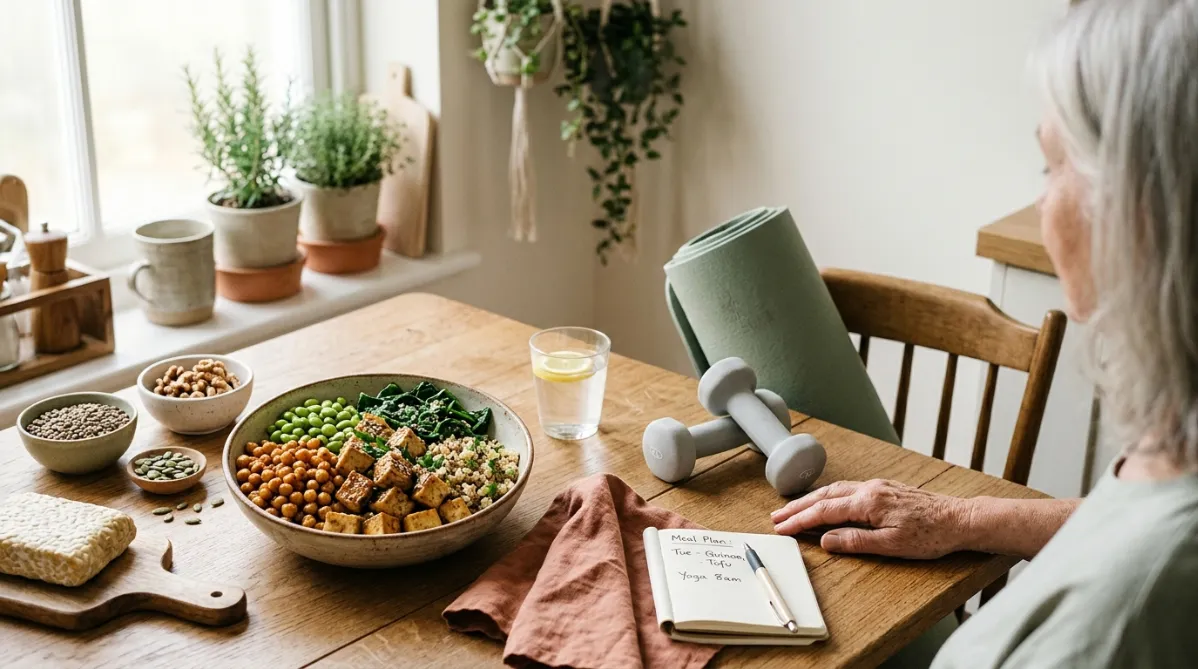
A landscape editorial photograph of a sunlit kitchen table, shot from a slightly elevated three-quarter angle. On the left, a rustic ceramic bowl holds a warm plant-based protein meal: roasted chickpeas, marinated tofu cubes, edamame, quinoa, and wilted greens, topped with toasted sesame seeds. Around it are small dishes of lentils, walnuts, pumpkin seeds, and a block of tempeh on a wooden board. On the right, a pair of weathered hands belonging to an older adult with silver hair, partially visible and softly out of focus, rests beside a pair of light dumbbells and a rolled sage-green yoga mat leaning against a chair. A linen napkin, a glass of water with a lemon slice, and a small handwritten notebook with a pen suggest careful planning. Soft morning light streams through a large window on the left and casts gentle long shadows across the pale oak tabletop. The color palette is muted and earthy: warm cream, sage green, terracotta, soft mustard, and natural wood tones. The background has shallow depth of field, with blurred shelves of herbs in pots and a few hanging plants. The mood is calm, hopeful, and health-focused, in the style of a modern lifestyle magazine or science journal feature, with clean composition, generous negative space in the upper right for headline text, and a subtle film-like grain. No text, no logos, no futuristic elements.
nutrition

65+ पर वेगन? 12 हफ्तों में लीन मास में 1.15 किग्रा की कमी

BY DR. GYMBRO ·

एक 12‑हफ्ते की रैंडमाइज़्ड ट्रायल में 65 वर्ष और उससे अधिक आयु के 72 वयस्कों पर देखा गया कि बिना प्रोटीन की योजना बनाए वेगन आहार अपनाने से लीन मास में 1.15 किलोग्राम की कमी आई, जबकि ऑम्निवोर समूह का वजन स्थिर रहा। रेज़िस्टेंस ट्रेनिंग जोड़ने से नुकसान लगभग आधा होकर 0.62 किलोग्राम रह गया—यह मदद तो करता है, पर पूरी तरह नहीं। मुख्य कारण था प्रोटीन सेवन में लगभग 20‑28 ग्राम/दिन की गिरावट, पौधों की वजह नहीं। नीचे डेटा क्या दिखाता है और पौधाधारित आहार पर मांसपेशियों की रक्षा कैसे करें, बताया गया है।

A landscape editorial photograph of a rustic kitchen table in soft morning window light. On a weathered light oak surface, a loose arrangement of fresh red onions, a few halved to show their purple-white rings, and crisp red and green apples, one sliced open to reveal pale flesh. A small ceramic bowl holds a pinch of golden-yellow quercetin powder, with a wooden spoon resting beside it. In the softly blurred background, an older woman in a cream linen shirt lifts a modest dumbbell near a sunlit window, her posture strong and relaxed. Her silhouette is out of focus, which keeps the produce as the main subject.

The palette is warm and natural: deep magenta onion skins, glossy apple reds, buttery yellow accents, and creamy neutrals. A gentle shallow depth of field gives creamy bokeh in the background. The light is diffused and golden, with delicate shadows and a few dried onion skin flakes scattered across the wood for texture. A folded linen napkin and a small sprig of thyme add a curated, modern lifestyle-magazine feel.

The composition follows the rule of thirds, with the produce at lower left and negative space on the right, where the blurred lifter and window glow provide balance. The overall look is clean, calm, and contemporary, like a premium health and wellness journal cover: natural, tactile, and optimistic, with fine film-like grain and true-to-life color.
nutrition

क्वेर्सेटिन ने बुजुर्गों में शक्ति में तीन गुना वृद्धि—बिना अतिरिक्त मांसपेशी के

BY DR. GYMBRO ·

प्याज़ और सेब में पाया जाने वाला सस्ता फ्लैवोनॉयड—क्वेर्सेटिन—बुजुर्गों में शक्ति में वह बढ़ोतरी कर सकता है जो केवल ट्रेनिंग से नहीं मिलती। एक यादृच्छिक, डबल‑ब्लाइंड ट्रायल में, क्वेर्सेटिन ग्लाइकोसाइड्स 200 mg प्रतिदिन लेने वाले बुजुर्गों ने छह हफ्ते में घुटने की शक्ति में लगभग 15 % सुधार दिखाया, जबकि प्लेसेबो समूह में केवल 5 %। आश्चर्य की बात है कि दोनों समूहों में मांसपेशी द्रव्यमान में कोई बदलाव नहीं आया। यह लाभ न्यूरल तंत्र से आया, जहाँ उच्च‑थ्रेसहोल्ड मोटर यूनिट्स अधिक तेज़ी से फायर हुईं। आगे हम देखेंगे अध्ययन के परिणाम, व्यावहारिक उपयोग, और छोटे नमूने के कारण सतर्कता की आवश्यकता।

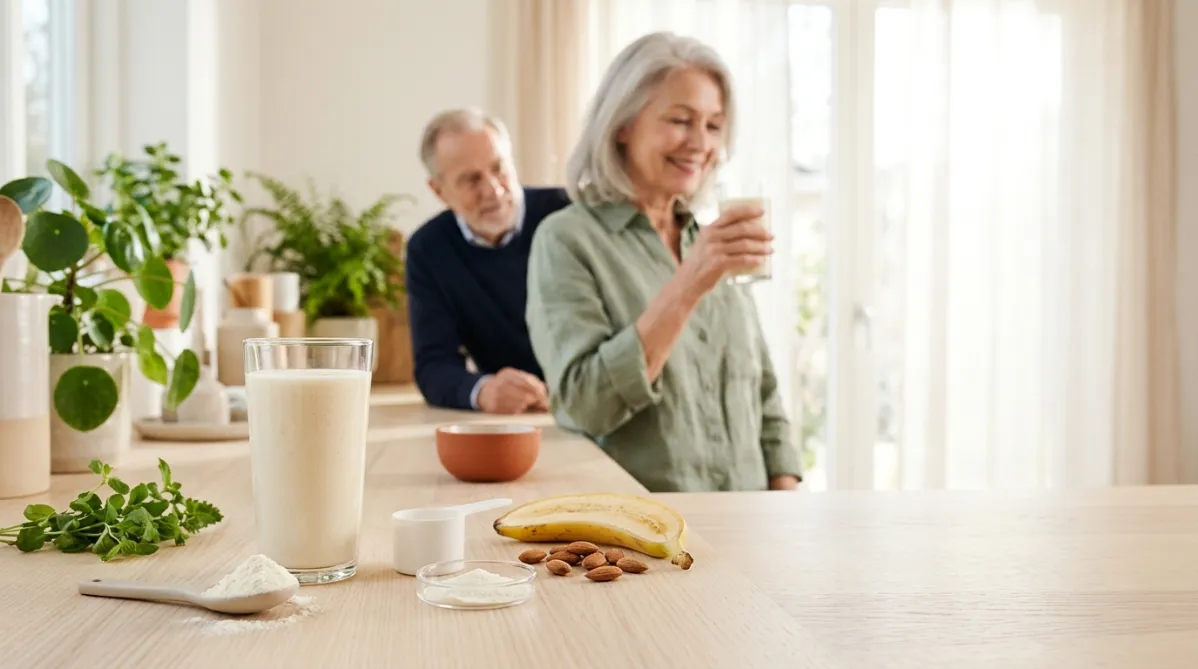
A bright, modern editorial still life on a clean, softly lit kitchen countertop of pale ash wood. In the foreground, a tall glass of creamy off-white protein shake sits beside a small ceramic spoon holding a mound of fine white powder. Next to it is a minimalist matte-white scoop and a small glass dish with a few pinches of powder. Scattered nearby are a few natural elements: a halved banana, a handful of raw almonds, and a sprig of fresh green herbs for a splash of color.

In the soft-focus midground, an older woman in her late 60s with silver-gray hair, wearing a sage-green linen shirt, smiles gently as she lifts a glass. Her face is slightly blurred and warm, bathed in natural window light. Beside her, slightly further back and out of focus, an older man in a navy sweater leans on the counter, a neutral presence that subtly contrasts with her. A wide window behind them floods the scene with soft morning light, with sheer curtains and a few leafy houseplants.

The color palette is muted and fresh: warm cream, soft sage, pale peach, and light oak, with a touch of terracotta from a small ceramic bowl. Shallow depth of field, creamy bokeh, subtle film-like grain, and gentle shadows give it a contemporary lifestyle-magazine feel. Composition follows the rule of thirds, with the shake and powder on the left third and open negative space on the right for headline overlay. The mood is calm, optimistic, and health-focused, polished like a trendy wellness journal cover, with no text, no logos, and no futuristic or sci-fi elements.
nutrition

3 g HMB + 40 g व्हे: आश्चर्यजनक बढ़ोतरी केवल महिलाओं में, पुरुषों में नहीं

BY DR. GYMBRO ·

बहुतेरे लोग मानते थे कि मांसपेशी‑बढ़ाने वाले सप्लीमेंट से बुज़ुर्ग पुरुषों को ज़्यादा फायदा होगा। लेकिन एक नया ट्रेसर‑अध्ययन इसका उल्टा सबूत देता है: 3 g कैल्शियम‑HMB को 40 g व्हे शेक में मिलाने से बुज़ुर्ग महिलाओं में मसल प्रोटीन सिंथेसिस बढ़ी, जबकि पुरुषों में नहीं। HMB ने पूरे समूह में देर‑से‑खाए गए मसल टूटने को भी कम किया। यह प्रयोग केवल 3 घंटे का था और 24 प्रतिभागियों पर किया गया, इसलिए दीर्घकालिक मसल‑वृद्धि का प्रमाण नहीं है। नीचे डोज़, टाइमिंग, संभावित लाभार्थी और किन्हें इसे छोड़ना चाहिए, बताया गया है।

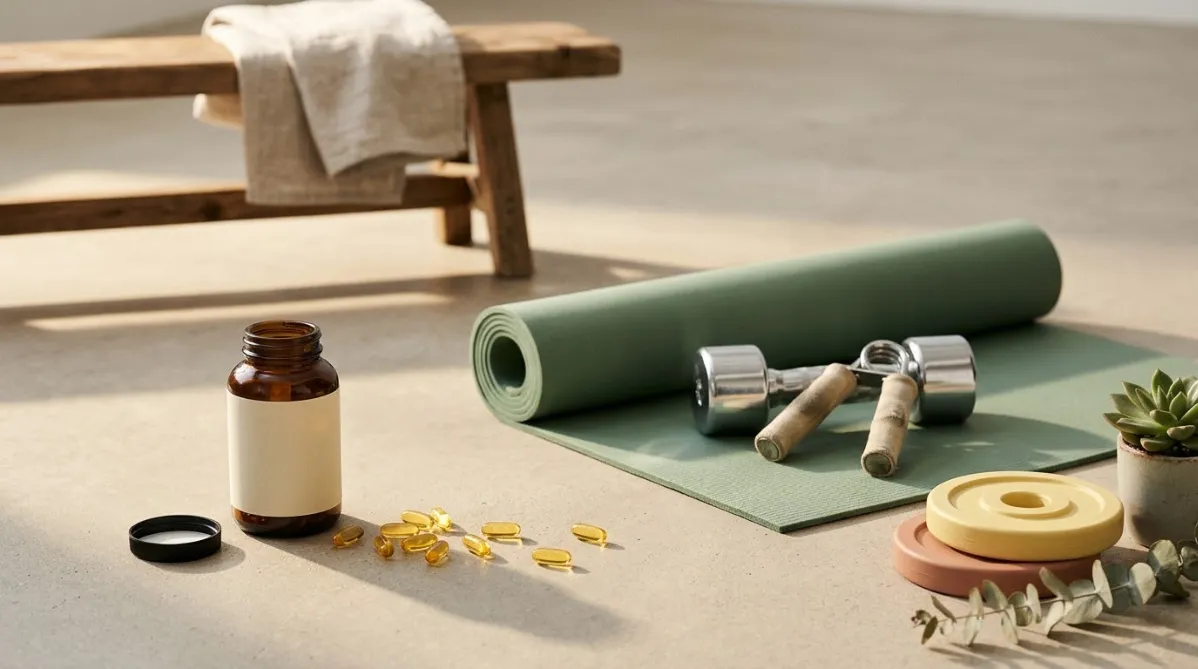
A soft-lit editorial still life on a pale warm-gray concrete surface, shot from a slightly elevated three-quarter angle in a wide landscape frame. On the left, a single amber glass supplement bottle with a minimalist cream label, its lid set beside it. A few golden-yellow softgel capsules are scattered in a loose arc across the surface, catching the light like small drops of honey. At the center-right, a matte sage-green yoga mat is partly unrolled, with a polished chrome dumbbell resting on it. Next to the dumbbell sits a worn canvas hand gripper, a nod to the handgrip finding. Behind them, a wooden gym bench is slightly out of focus, and a folded linen towel sits on top of it.

Warm morning sunlight enters from the upper left through a large window. It casts long, gentle diagonal shadows and a faint golden glow across the scene, a quiet reference to vitamin D and sunshine. A sprig of dried eucalyptus or a small potted succulent adds an organic touch near the bottom right. A small, neatly stacked pile of two or three matte pastel-toned weight plates in butter yellow and dusty terracotta adds color blocking.

The palette is muted and modern: butter yellow, sage, warm sand, soft terracotta, and off-white, with a single strong amber accent from the bottle. The depth of field is shallow, with crisp focus on the capsules and bottle and a creamy blur falling off toward the background. The negative space on the upper right is clean and uncluttered, which leaves room for a headline overlay. The overall feel is calm, minimalist, and contemporary, like a premium health and wellness magazine or a trendy online journal. The grain is subtle, the contrast gentle, and the textures tactile: brushed metal, frosted glass, linen, and concrete. There are no people, no text, and no futuristic elements.
science research

विटामिन डी न तो वज़न घटाएगा, न ही मांसपेशी बढ़ाएगा — एक अपवाद के साथ

BY DR. GYMBRO ·

28 रैंडमाइज़्ड ट्रायल्स और 1,675 वयस्कों पर किए गए एक नए डोज‑रेस्पॉन्स मेटा‑एनालिसिस ने देखा कि क्या विटामिन डी को एक्सरसाइज़ में जोड़ने से सिर्फ एक्सरसाइज़ करने से बेहतर परिणाम मिलते हैं। रक्त में विटामिन डी का स्तर लगभग 34 nmol/L बढ़ा, लेकिन बॉडी वज़न, BMI, वसा मात्रा, बॉडी फैट प्रतिशत और फेट‑फ्री मास में कोई अतिरिक्त सुधार नहीं मिला। लेग प्रेस शक्ति भी नहीं बढ़ी। अपवाद के तौर पर, बुज़ुर्गों में घुटने की एक्सटेंशन में मामूली 4.36 kg की बढ़त और हाई डोज़ पर हैंडग्रिप में सुधार देखा गया।

This page is available in