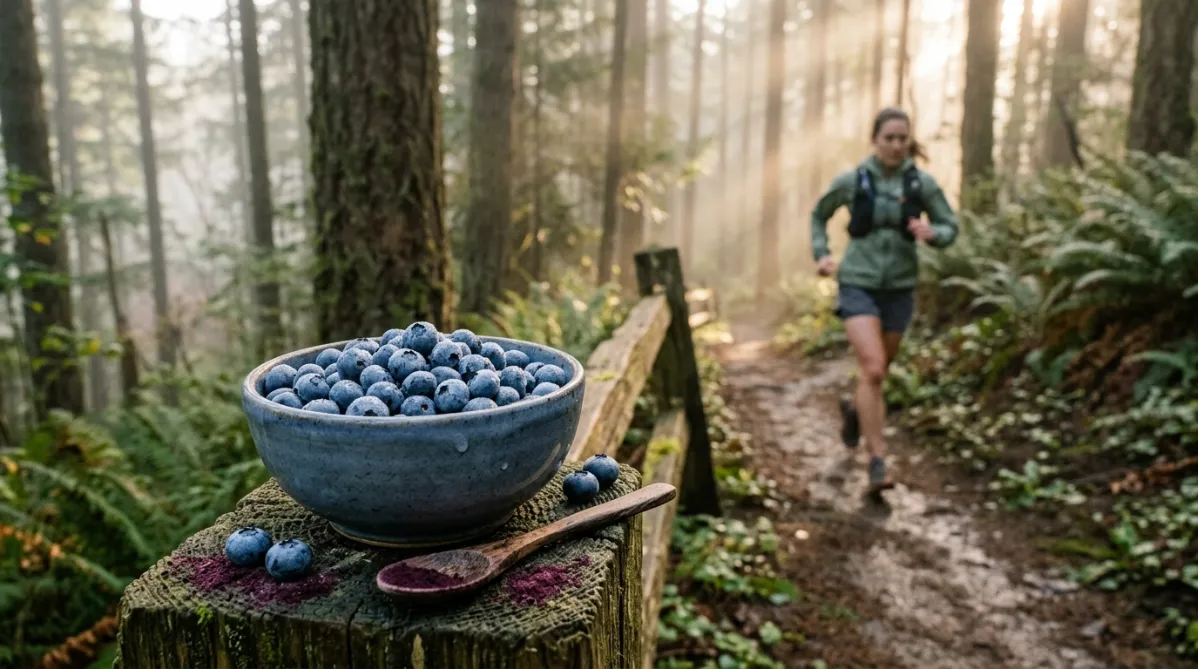
2-km simulated trail race faster after seven days of blueberry powder than after seven days of placebo. Their heart rate and perceived effort during the race did not differ. Their legs also seemed to handle the downhill punishment better a day later. Before you stock your freezer, you should know exactly how small this study was.
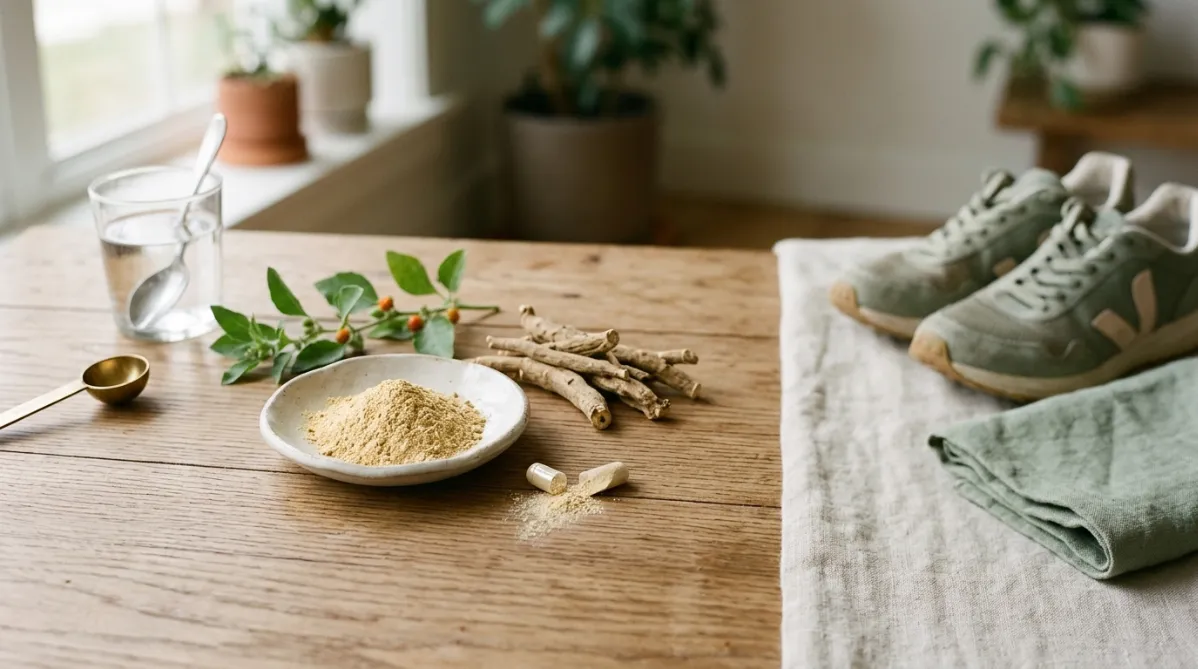
Ashwagandha supplements are usually sold in the hundreds of milligrams. ) tested a dose of just 30 mg per day. According to the abstract, that was enough to significantly improve VO2max compared with placebo over eight weeks.

Beta-alanine has long had a murky track record for lifting, but a new randomized controlled trial may explain why. When trained lifters took 6.4 g per day for four weeks, their total reps rose 17.3% on drop sets and 18.2% on bi-sets, while placebo showed no significant gains. Perceived exertion, motivation, and affect did not differ between groups, so the boost was physical rather than psychological. Here is the dose, the loading period, who the data applies to, and who should stay skeptical.
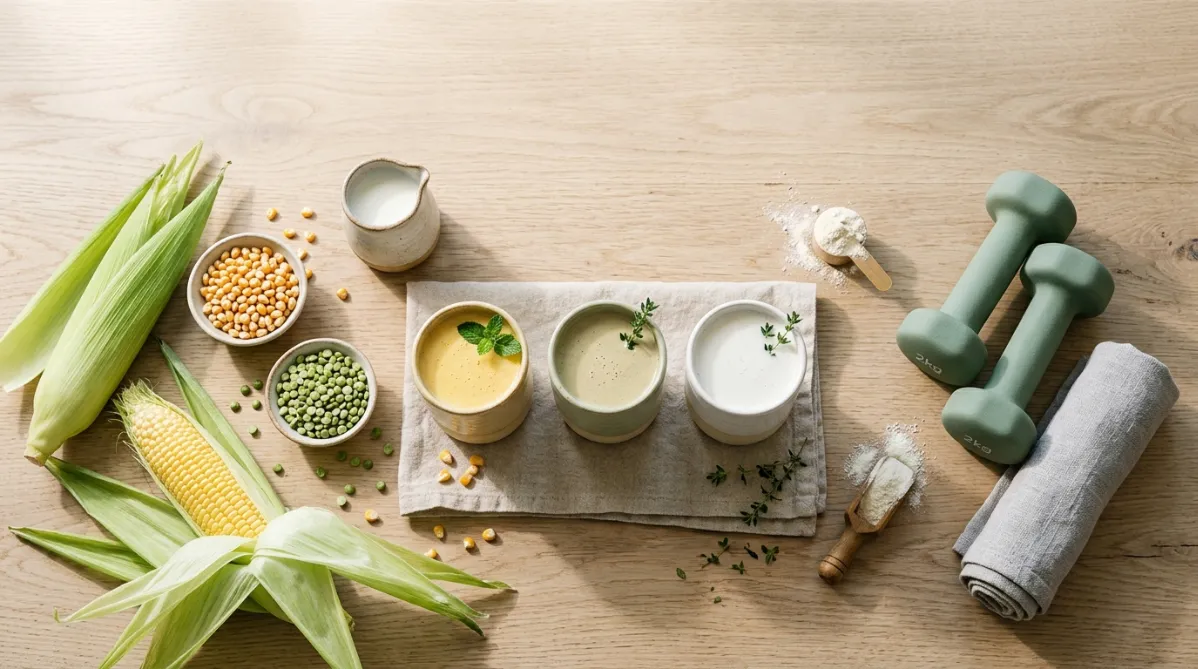
Plant protein is supposed to lose to milk when it comes to building muscle, but a new trial in older adults says corn protein didn't get the memo. In a randomized study of 48 healthy adults around age 68, 20 g of corn protein, a pea-corn blend, and milk protein all boosted muscle protein synthesis well above placebo, with no differences between protein groups. Resistance exercise amplified the response in every group. Here is the dose, the numbers, who it may suit, and the caveats you need before swapping your shake.

Does it matter when you take your creatine? A new randomized crossover pilot trial in Nutrients says the pre-workout window may have an edge: 0.1 g/kg of creatine monohydrate before training was linked to more total load lifted in the bench press and back squat than placebo or no supplement. Taking it during or after training didn't show the same advantage, and no differences appeared in jumping, mood, cognition, or soreness. But the study had only 11 men and tested a single dose, and the authors call it exploratory. Here's the exact dose, what the data show, and who should be cautious.
Leucine is often called the muscle "master switch," so you'd expect it to protect older lifters on fasting diets. A 28-day randomized trial of 61 older men on alternate-day fasting tested leucine and protein supplements against a control. Strength, function, blood pressure and cholesterol markers improved in all groups, and the supplements added no measurable edge on most outcomes. Here are the doses tested, who might still benefit, who can skip it, and where the study falls short.
Does protein powder really make you perform and recover better, or are you just eating more calories? A Bayesian meta-analysis of 75 randomized trials and 1,206 athletes found real but limited benefits. The twist is that every significant result came from studies where energy intake wasn't matched between groups. The paper's most concrete advice is about dose: about 1 g/kg/day extra from supplements, for roughly 2 g/kg/day total. Here is what the data supports, what it doesn't say about timing and protein source, and who should skip the tub.
Think a bigger caffeine hit means more fat burned? A small randomized trial in overweight and obese young women found the opposite. Caffeine at 3 and 5 mg/kg raised fat oxidation during FATmax walking, while 9 mg/kg added nothing. Only 3 mg/kg avoided the rise in heart rate and blood pressure seen at higher doses. With just 11 participants and a single session per dose, the findings are promising but far from final.
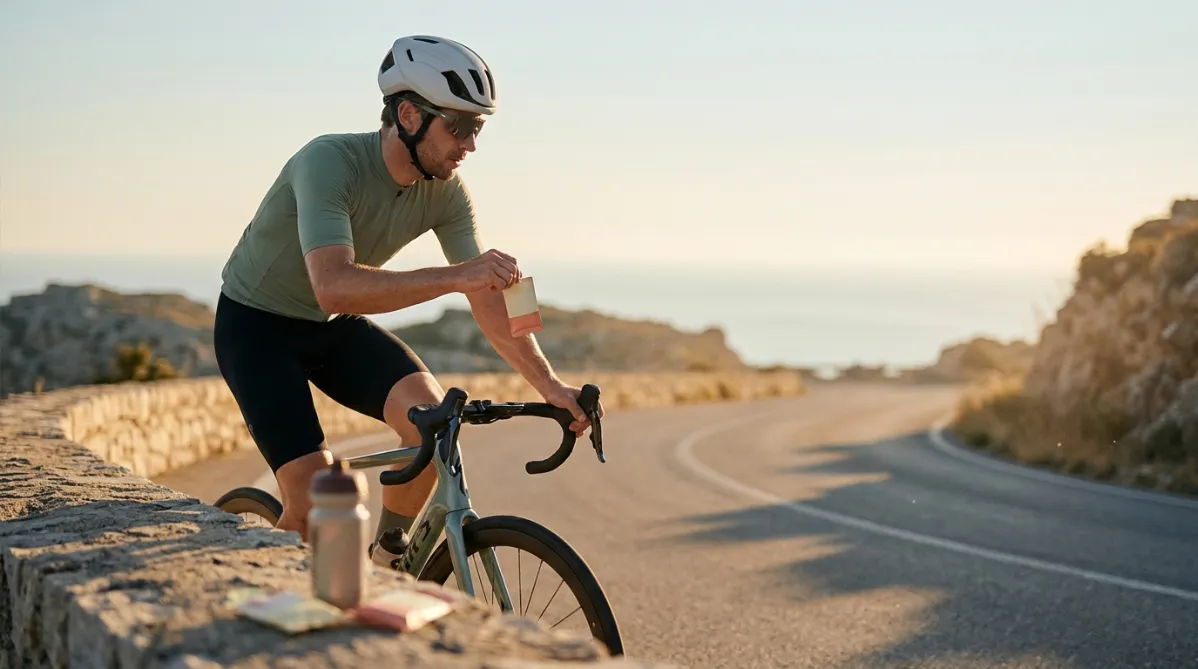
A cheap pantry-style compound just improved 10K times in recreational women runners, and the stomach-upset problem that usually ruins it barely showed up. In a double-blind crossover trial, 21 women ran about 32 seconds faster after sodium bicarbonate. The trick was pairing it with a carb-rich meal 90 minutes before the run. Here's the dose, the timing, who it fits, and who should think twice.
A meta-analysis of 63 studies and 1,489 participants asked how much creatine adds on top of lifting. The strength boost was moderate and consistent in both upper and lower body, while the lean mass gain was smaller and fat mass didn't significantly change. The surprise is that dosing strategy, daily dose and protocol did not significantly influence the results. Age emerged as the one exploratory clue, with larger strength effects in younger participants. Here is what the paper actually found, and what it can't tell you.
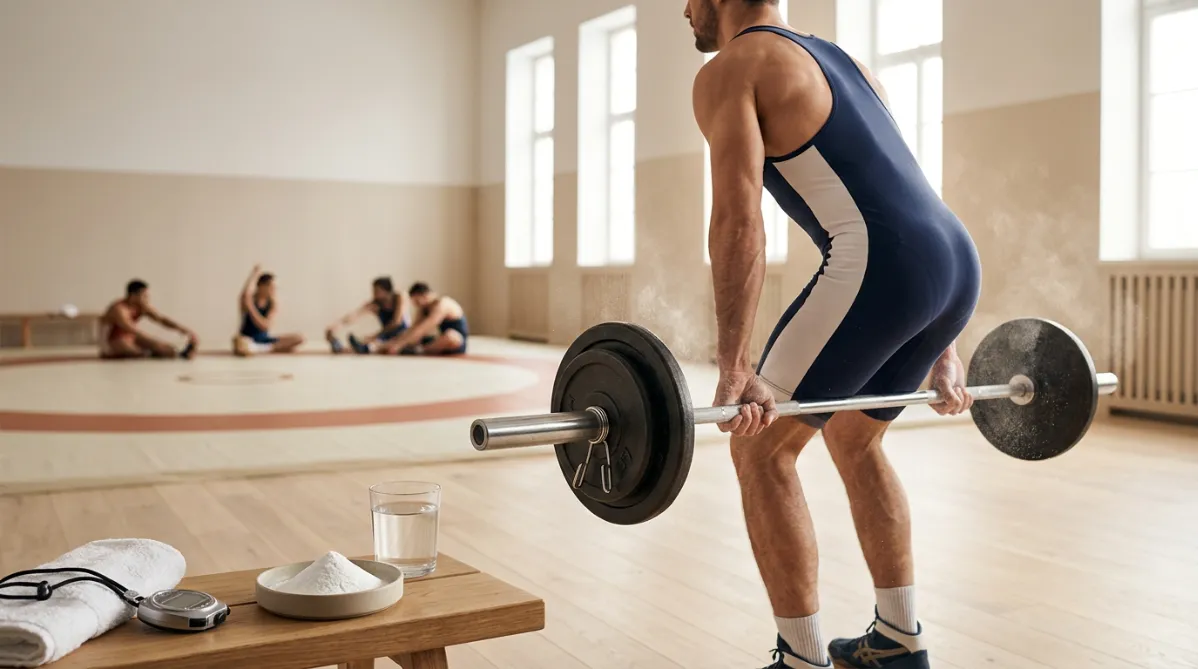
Taurine is already in your energy drink, but a new double-blind crossover study suggests it may do more when paired with a heavy PAPE warm-up. In 20 elite wrestlers, taurine plus PAPE raised peak power by 16.76% and relative power by 22.24% versus placebo and control. Blood lactate was lower and jump performance held up better afterward. The supplement was taken 60 minutes before the protocol, though the abstract doesn't list the dose. Here is what the trial found, who might benefit, and the caveats that keep the hype in check.

Groundbreaking research reveals that just five days away from Facebook leads to measurable decreases in cortisol levels, offering a simple strategy to combat chronic stress. For fitness enthusiasts looking to avoid 'cortisolmaxxing,' social media detoxification may be one of the most overlooked yet effective interventions for optimizing hormone levels. This comprehensive analysis explores the science behind social media stress and provides practical strategies for reducing cortisol through strategic digital breaks.
A revolutionary new meta-analysis has finally settled the debate about repetition tempo and muscle growth. Researchers analyzed dozens of studies involving healthy adult males to determine whether slow reps truly build more muscle than faster movements. The surprising findings reveal that moderate tempos (2-4 seconds per rep) combined with higher training volume produce superior results compared to extremely slow repetitions, challenging conventional wisdom in the fitness world.
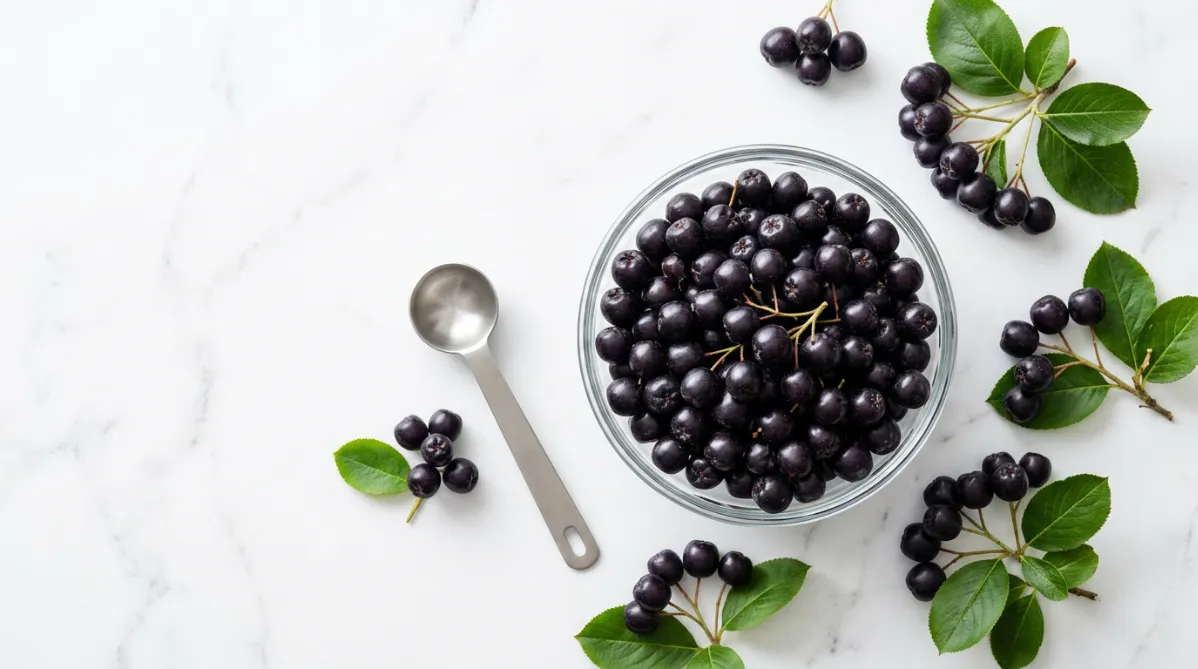
Japanese researchers have discovered that aronia berries, packed with Cyanidin 3-glucoside (C3G), can significantly boost thermogenesis while shuttling glucose into muscle tissue. This deep purple superfood offers a dual-action approach to fat loss, cranking up your body's caloric burn while optimizing muscle glucose utilization. For those with 'cold constitution'—constantly feeling cold and struggling with slow metabolism—aronia may be the natural thermogenic breakthrough that makes traditional fat loss supplements more effective.
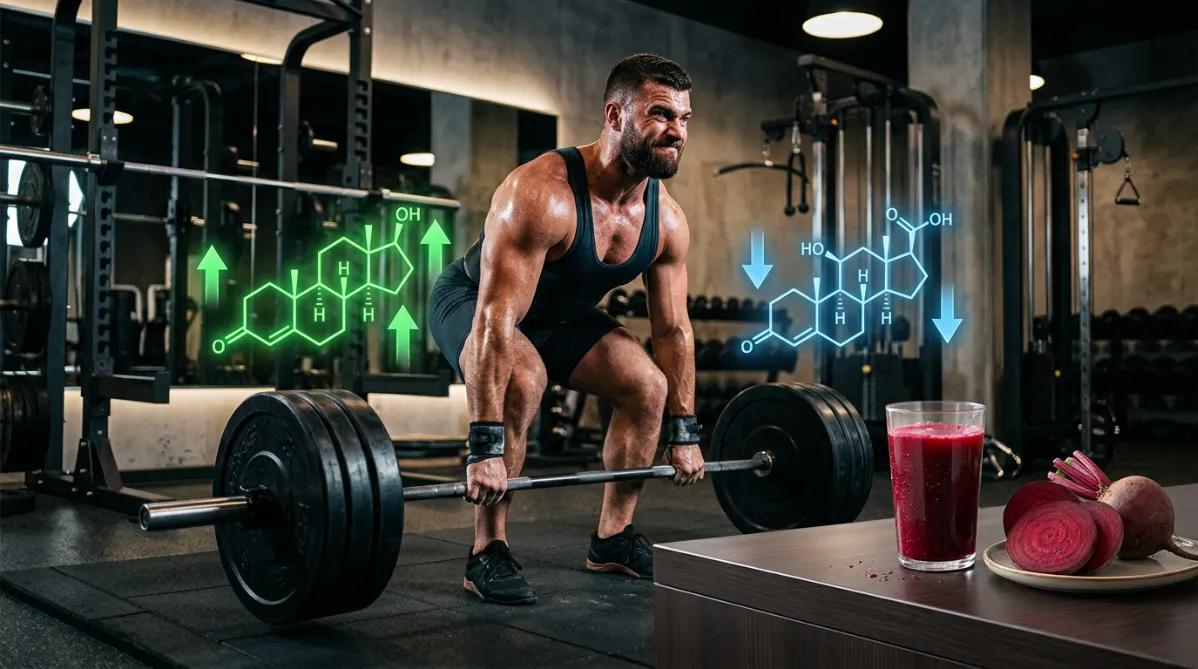
Recent research reveals that betaine supplementation can significantly boost testosterone levels while reducing cortisol response in strength athletes, creating an optimal hormonal environment for muscle growth and recovery. This naturally occurring compound, found in beets and other foods, works through multiple pathways to enhance the anabolic hormone profile that drives training adaptations. With just 2.5 grams daily, athletes are experiencing measurable improvements in strength, body composition, and recovery that stem from betaine's unique ability to simultaneously elevate testosterone and moderate cortisol elevation following intense training sessions.
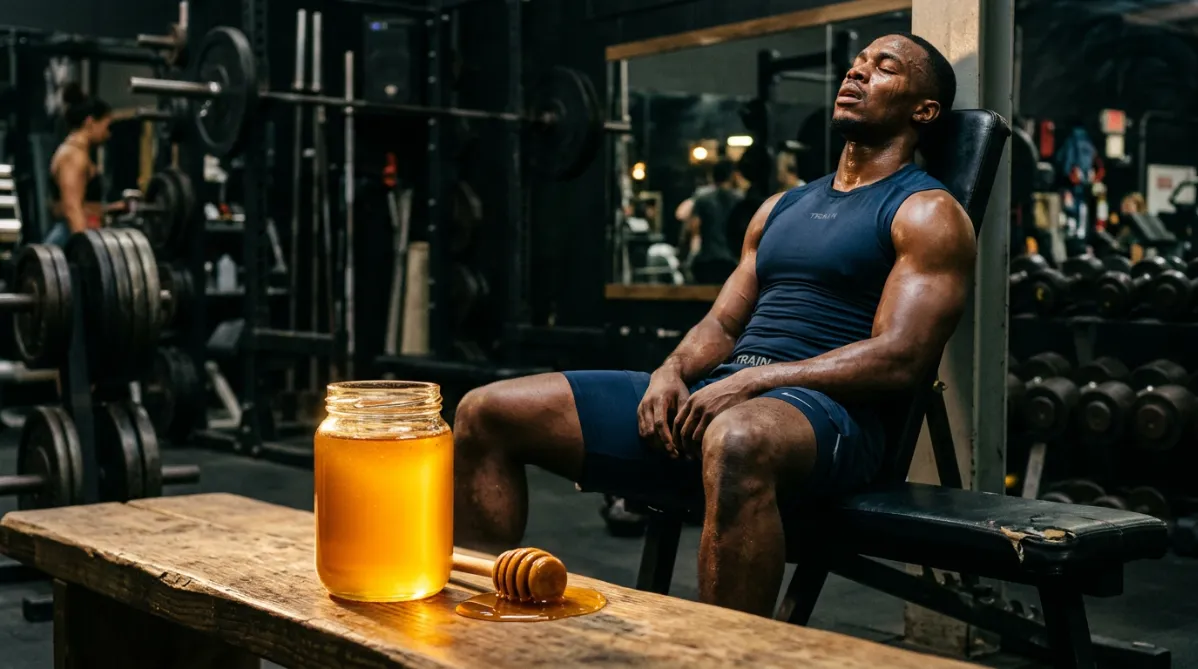
Groundbreaking Iranian research reveals that honey supplementation can protect athletes' muscles from breakdown during overtraining. The study found that daily honey consumption significantly reduced muscle protein degradation markers in overtrained athletes, offering a natural solution to one of sports' most challenging problems. This discovery could revolutionize recovery strategies for serious athletes pushing their bodies to the limit.

Beta-alanine has long had a murky track record for lifting, but a new randomized controlled trial may explain why. When trained lifters took 6.4 g per day for four weeks, their total reps rose 17.3% on drop sets and 18.2% on bi-sets, while placebo showed no significant gains. Perceived exertion, motivation, and affect did not differ between groups, so the boost was physical rather than psychological. Here is the dose, the loading period, who the data applies to, and who should stay skeptical.
Plant protein is supposed to lose to milk when it comes to building muscle, but a new trial in older adults says corn protein didn't get the memo. In a randomized study of 48 healthy adults around age 68, 20 g of corn protein, a pea-corn blend, and milk protein all boosted muscle protein synthesis well above placebo, with no differences between protein groups. Resistance exercise amplified the response in every group. Here is the dose, the numbers, who it may suit, and the caveats you need before swapping your shake.
Does it matter when you take your creatine? A new randomized crossover pilot trial in Nutrients says the pre-workout window may have an edge: 0.1 g/kg of creatine monohydrate before training was linked to more total load lifted in the bench press and back squat than placebo or no supplement. Taking it during or after training didn't show the same advantage, and no differences appeared in jumping, mood, cognition, or soreness. But the study had only 11 men and tested a single dose, and the authors call it exploratory. Here's the exact dose, what the data show, and who should be cautious.
Leucine is often called the muscle "master switch," so you'd expect it to protect older lifters on fasting diets. A 28-day randomized trial of 61 older men on alternate-day fasting tested leucine and protein supplements against a control. Strength, function, blood pressure and cholesterol markers improved in all groups, and the supplements added no measurable edge on most outcomes. Here are the doses tested, who might still benefit, who can skip it, and where the study falls short.
Does protein powder really make you perform and recover better, or are you just eating more calories? A Bayesian meta-analysis of 75 randomized trials and 1,206 athletes found real but limited benefits. The twist is that every significant result came from studies where energy intake wasn't matched between groups. The paper's most concrete advice is about dose: about 1 g/kg/day extra from supplements, for roughly 2 g/kg/day total. Here is what the data supports, what it doesn't say about timing and protein source, and who should skip the tub.
What if the hormone that puts the brakes on muscle growth could be nudged in the right direction after 65? In a 12-week randomized trial of 96 healthy older women, combining circuit training with 5.5 g of essential amino acids twice daily produced the biggest shift in the follistatin/myostatin ratio. The combo group also gained muscle mass and saw broader drops in inflammatory markers. Here's the exact dose, the protocol, who it applies to, who should skip it, and what the study can't prove.
Twelve weeks of heavy lifting plus 15 g of specific collagen peptides a day increased collagen type I inside the quad muscle by 29.8%, compared with 9.9% for placebo. It's a biopsy-confirmed result from a randomized trial, which is rare in the supplement world. But the abstract reports no strength or muscle-size outcomes, collagen types III and IV rose in both groups, and one co-author holds collagen-related patents. Here's what the study really shows, what it doesn't, and who might care.
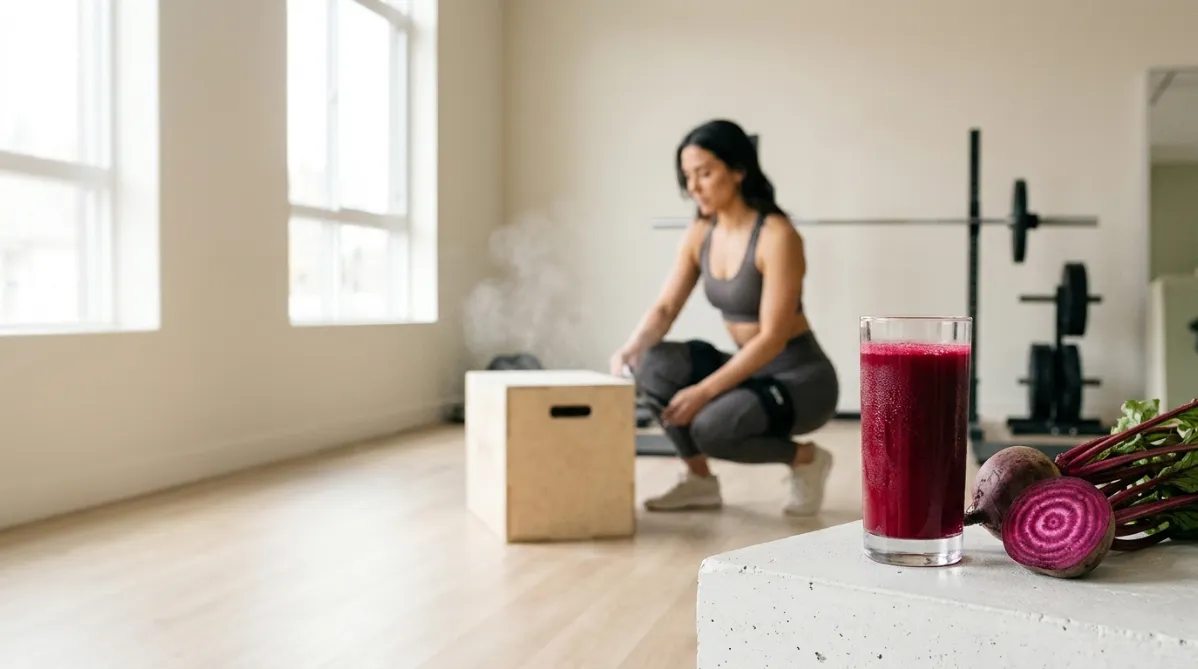
Everyone assumes beetroot juice plus blood flow restriction training means bigger strength gains. This randomized, double-blind trial found something more specific: both groups got stronger, but only the beetroot group showed a significant improvement in fatigued countermovement jump height. The study used 8 mmol of nitrate per day, a one-week loading phase and a four-week BFR program. Here's the protocol, who might benefit, who should skip it, and why a 20-person study deserves caution.
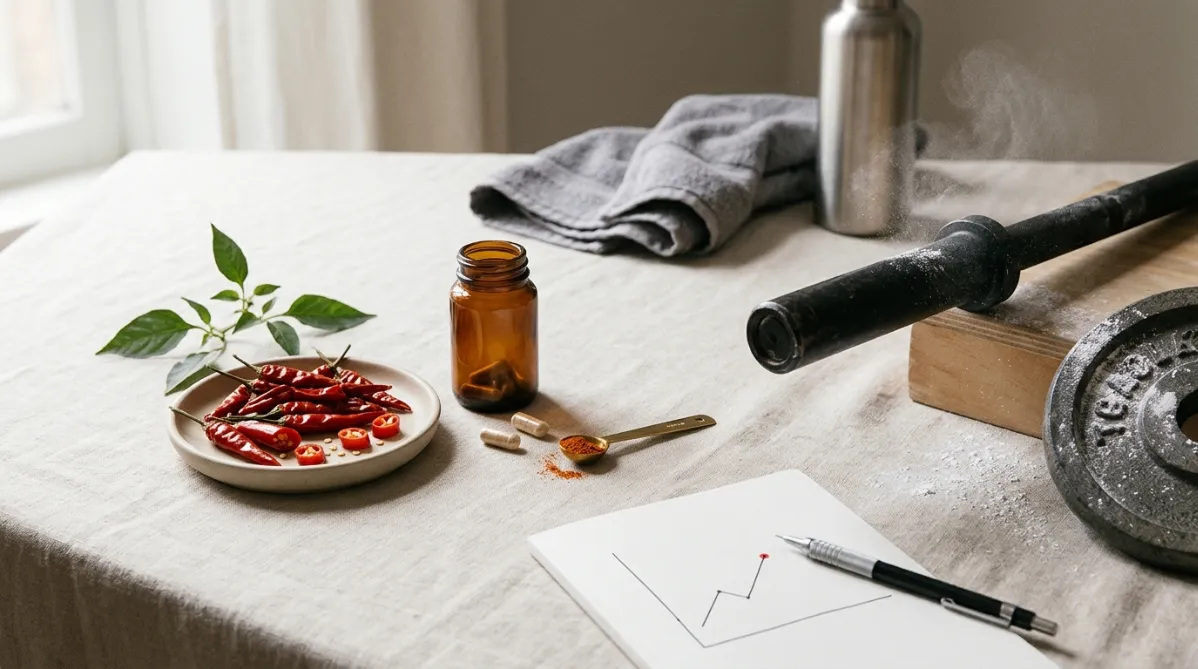
A chili-derived compound called phenylcapsaicin just went through a triple-blind crossover trial with 50 CrossFit athletes. A single 2.5 mg dose taken 45 minutes before training improved post-session squat load and reps, reduced jump-height loss, and lowered soreness at 24 and 48 hours. But it did nothing for the WOD itself, and lactate, RPE, and heart rate didn't budge. Two authors also advise a supplement brand, and the study only covers a single acute dose. Here is what the data show, what they don't, and who might actually want to try it.
What if the best time to take bicarbonate isn't before the race, but during it? A new randomized crossover trial in 11 trained cyclists tested bicarbonate-plus-carb gels across 3 hours of riding. In the fatigued state afterward, 12-minute time-trial power was 12 W higher than with carbs alone, and stomach symptoms didn't differ. But sprints and 2-minute efforts showed no significant gain, the sample was tiny, and the products came from MNSTRY. Here's what the numbers really say.
Everyone wants to know if creatine can save your muscle when an injury puts you in a cast. A new systematic review of six randomised trials (118 young people, 1-2 weeks of immobilisation) says the evidence during disuse is mixed, and some apparent lean-mass benefits may just be water. The more intriguing signal came during rehab, where two studies found larger gains in quad size, power and strength with creatine. Here are the real numbers, the limitations, and who might want to try it.