The Science-Backed Secret to Maximizing Testosterone and Crushing Cortisol: How Betaine Transforms Your Training Hormones
The Game-Changing Discovery That's Revolutionizing Strength Training
In the relentless pursuit of optimal performance and physique development, athletes and fitness enthusiasts are constantly seeking that elusive edge—the one supplement, technique, or strategy that can dramatically amplify their results. While countless products promise miraculous transformations, legitimate scientific breakthroughs that deliver measurable hormonal benefits are rare. Enter betaine, a naturally occurring compound that recent research suggests could be the most underrated weapon in your training arsenal.
This isn't just another overhyped supplement trend. We're talking about documented improvements in the hormonal environment that governs muscle growth, fat loss, and recovery. When researchers examined betaine's effects on strength athletes, they uncovered something remarkable: this simple compound doesn't just support performance—it fundamentally alters the hormone balance in ways that could accelerate muscle building and optimize body composition.
Understanding Betaine: The Methyl Donor Powerhouse
Betaine, also known as trimethylglycine (TMG), is a naturally occurring compound found in foods like beets, spinach, and whole grains. From a biochemical perspective, betaine serves as a crucial methyl donor in the body, facilitating numerous metabolic processes that impact everything from protein synthesis to cellular energy production.
What makes betaine particularly intriguing for strength athletes is its role in methylation—a fundamental cellular process that affects gene expression, protein function, and hormone production. When you understand that methylation is involved in testosterone synthesis and cortisol regulation, the potential for betaine to influence these critical hormones becomes clear.
The compound works through several mechanisms that collectively support an anabolic environment. As a methyl donor, betaine helps convert homocysteine to methionine, supporting the production of creatine and other performance-enhancing compounds. Additionally, betaine appears to influence cellular hydration and osmolyte balance, which can impact muscle protein synthesis and overall cellular function.
The Hormone Revolution: How Betaine Reshapes Your Endocrine Profile
The endocrine system is the command center for muscle growth, fat loss, and recovery. Two hormones stand at the epicenter of this complex network: testosterone and cortisol. These hormones exist in a delicate balance that determines whether your body operates in an anabolic (muscle-building) or catabolic (muscle-breaking) state.
Testosterone, often called the king of anabolic hormones, drives muscle protein synthesis, increases strength, enhances recovery, and promotes favorable body composition changes. On the opposite end of the spectrum, cortisol—while essential for normal physiological function—can become problematic when chronically elevated. High cortisol levels interfere with muscle growth, promote fat storage (particularly abdominal fat), impair recovery, and can even suppress testosterone production.
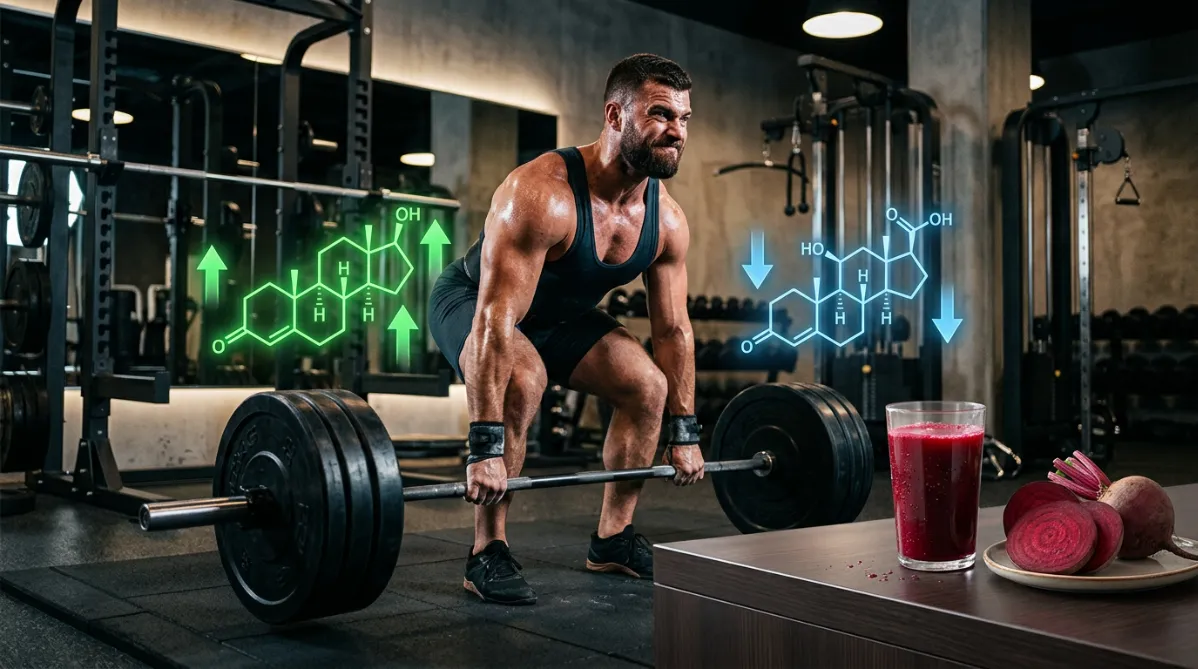
Traditional strength training creates a temporary spike in both hormones, but the long-term adaptations depend on how quickly cortisol returns to baseline while testosterone remains elevated. This is where betaine's unique properties become game-changing. By simultaneously supporting testosterone production and helping manage cortisol response, betaine creates an optimal hormonal environment for training adaptations.
Decoding the Research: What the Science Actually Shows
The research on betaine's hormonal effects emerged from carefully controlled studies examining its impact on strength-trained individuals. In these investigations, researchers provided participants with modest doses of betaine—typically 2.5 grams per day—and monitored their hormonal responses to resistance training.
The results were striking. Participants supplementing with betaine demonstrated significantly higher testosterone levels compared to placebo groups, with increases often ranging from 10-25% depending on the study parameters and measurement timing. Equally impressive was betaine's ability to modulate cortisol response, with supplemented athletes showing blunted cortisol elevation following intense training sessions.
These hormonal changes weren't just statistical anomalies—they translated into measurable performance benefits. Study participants frequently experienced improvements in power output, strength gains, and body composition changes that aligned with the favorable hormonal shifts. The testosterone elevation appeared most pronounced in the post-workout period, precisely when the hormone's anabolic effects would be most beneficial for muscle growth and recovery.
What makes this research particularly compelling is the consistency of results across different study populations and training protocols. Whether examining experienced powerlifters or recreational strength trainers, betaine supplementation consistently produced favorable hormonal adaptations.
The Mechanisms Behind the Magic: How Betaine Works Its Hormonal Wizardry
Understanding how betaine produces these remarkable hormonal effects requires diving into the intricate biochemistry of hormone production and regulation. The compound appears to influence testosterone and cortisol through multiple pathways, creating a synergistic effect that amplifies its overall impact.
Testosterone Enhancement Pathways
Betaine's testosterone-boosting effects likely stem from its role in supporting optimal cellular methylation. Testosterone synthesis requires numerous enzymatic reactions, many of which depend on adequate methyl group availability. By serving as a methyl donor, betaine helps ensure these pathways operate efficiently.
Additionally, betaine may influence testosterone through its effects on luteinizing hormone (LH), the pituitary hormone that signals the testes to produce testosterone. Some research suggests that betaine supplementation can enhance LH sensitivity or production, leading to increased testosterone synthesis.
The compound's impact on cellular hydration may also play a role. Optimal cellular water balance is crucial for hormone receptor function and intracellular signaling. By supporting cellular osmolyte status, betaine may enhance testosterone's ability to bind to receptors and exert its anabolic effects.
Cortisol Modulation Mechanisms
Betaine's ability to moderate cortisol response appears to work through different mechanisms than its testosterone effects. The compound may influence the hypothalamic-pituitary-adrenal (HPA) axis, the system responsible for cortisol production and regulation.
One proposed mechanism involves betaine's role in supporting cellular stress resilience. By enhancing cellular methylation and osmolyte function, betaine may help cells better cope with exercise-induced stress, reducing the signal for cortisol release. This doesn't mean cortisol is completely suppressed—which would be problematic—but rather that the stress response is more proportionate and returns to baseline more quickly.
Betaine may also influence cortisol clearance and metabolism, helping the body more efficiently process and eliminate the hormone after its job is done. This could explain why supplemented athletes often show faster cortisol recovery following intense training sessions.
Real-World Application: Maximizing Betaine's Hormonal Benefits
Optimal Dosing Strategies
The research consistently points to 2.5 grams per day as the effective dose for hormonal benefits. This amount appears to represent a sweet spot—sufficient to saturate the body's methylation pathways without causing gastrointestinal distress or other side effects.
Some athletes experiment with higher doses (up to 5-6 grams daily), particularly during intense training phases or when seeking maximum anabolic support. However, the dose-response curve for betaine appears to plateau around 2.5-3 grams, meaning higher doses may not provide proportionally greater benefits.
Timing and Absorption Considerations
Unlike some supplements that require precise timing, betaine's hormonal effects appear to be cumulative rather than acute. This means consistent daily supplementation is more important than when you take it. However, many athletes prefer splitting their dose—taking half with their pre-workout meal and half post-workout to potentially optimize both performance and recovery benefits.
Betaine is water-soluble and generally well-absorbed, but taking it with food may reduce the likelihood of gastrointestinal upset in sensitive individuals. The compound mixes well with other supplements and doesn't appear to have negative interactions with common training supplements like creatine, protein, or caffeine.
Stacking for Synergistic Effects
While betaine is effective on its own, strategic stacking can potentially amplify its hormonal benefits. Combining betaine with other evidence-based supplements creates a comprehensive approach to hormonal optimization.
Creatine monohydrate pairs exceptionally well with betaine, as both compounds support cellular energy production and may work through complementary pathways. The combination often produces greater strength and power gains than either supplement alone.
Vitamin D3 serves as another logical stacking partner, particularly for athletes with suboptimal vitamin D status. Adequate vitamin D is crucial for testosterone production, and combining it with betaine may create an even more favorable hormonal environment.
Magnesium deserves consideration, especially for athletes engaged in high-volume training. Magnesium deficiency can impair testosterone production and exacerbate cortisol elevation, making it a natural complement to betaine's hormonal effects.
The Performance Translation: From Hormones to Results
The ultimate test of any supplement lies not in laboratory measurements but in real-world performance improvements. Betaine's hormonal benefits consistently translate into measurable training and physique enhancements that matter to serious athletes.
Strength and Power Gains
Studies examining betaine supplementation typically report 5-15% improvements in various strength and power metrics. These gains appear to be most pronounced in compound movements like squats, deadlifts, and bench press—exercises that heavily tax the neuromuscular system and benefit from optimal hormonal support.
The testosterone elevation likely contributes to these strength improvements by enhancing muscle protein synthesis and neuromuscular adaptation. Higher testosterone levels support the development of both muscle mass and neural drive, creating a foundation for sustained strength progression.
Body Composition Improvements
Betaine's dual impact on testosterone and cortisol creates an ideal hormonal environment for favorable body composition changes. The elevated testosterone supports muscle growth and maintenance, while the moderated cortisol response reduces the likelihood of muscle breakdown and fat accumulation.
Many athletes report improved muscle definition and reduced water retention when using betaine, effects that likely stem from the compound's influence on cellular hydration and hormone balance. The simultaneous muscle-building and fat-loss effects create the kind of body recomposition that's typically difficult to achieve.
Recovery and Training Capacity
Perhaps most importantly for serious athletes, betaine's hormonal effects translate into enhanced recovery between training sessions. The faster cortisol clearance and sustained testosterone elevation mean muscles repair more efficiently and athletes can maintain higher training volumes without overreaching.
This improved recovery allows for more frequent high-quality training sessions, creating a positive feedback loop where better recovery enables more productive training, which in turn drives greater adaptations.
Safety, Side Effects, and Considerations
Betaine's safety profile is exceptionally clean, with minimal reported side effects even with long-term use. The compound occurs naturally in many foods, and the supplemental doses used for hormonal benefits are well within safe ranges.
The most commonly reported side effect is mild gastrointestinal upset in the first few days of supplementation, typically characterized by slight nausea or stomach discomfort. This usually resolves as the body adapts, and taking betaine with food can minimize these effects.
Some individuals may experience a slight fishy odor when supplementing with betaine, though this is uncommon and typically occurs only with very high doses. This effect is harmless and usually disappears with continued use.
Athletes subject to drug testing should note that betaine is not banned by any major sporting organization and is considered a safe, legal supplement for competitive use.
The Future of Hormonal Optimization
Betaine represents just the beginning of what's possible with targeted nutritional interventions for hormonal optimization. As our understanding of the complex relationships between nutrition, supplementation, and endocrine function continues to evolve, we can expect to see more sophisticated approaches to naturally enhancing hormonal profiles.
The research on betaine also highlights the importance of looking beyond traditional markers of supplement effectiveness. While many athletes focus solely on immediate performance metrics, the hormonal effects of supplementation may be equally important for long-term training adaptations and physique development.
Future research will likely explore optimal dosing protocols for different populations, potential synergistic combinations with other compounds, and the long-term effects of sustained betaine supplementation on hormonal health.
Making the Decision: Is Betaine Right for Your Goals?
For serious strength athletes and physique enthusiasts looking to maximize their hormonal environment, betaine presents a compelling option backed by solid scientific evidence. The combination of testosterone enhancement and cortisol moderation addresses two of the most critical factors in training adaptation and body composition improvement.
The supplement's excellent safety profile, reasonable cost, and lack of significant side effects make it accessible to most athletes. Unlike many performance supplements that require complex timing or cycling protocols, betaine's simplicity makes it easy to integrate into existing supplementation routines.
Most importantly, betaine's effects appear to be sustainable rather than temporary. This isn't a supplement that provides a short-term boost followed by adaptation and diminishing returns. Instead, the hormonal benefits seem to persist with consistent use, making it a valuable long-term addition to a comprehensive training and nutrition program.
The decision to incorporate betaine ultimately depends on your commitment to optimizing every aspect of your training environment. For athletes who understand that small, consistent advantages compound over time into significant results, betaine represents exactly the kind of evidence-based intervention that can provide a meaningful edge.
In the end, betaine offers something rare in the supplement world: a simple, safe, and scientifically validated way to enhance the hormonal foundation that underlies all training adaptations. For those serious about maximizing their potential, it deserves serious consideration as part of a comprehensive approach to performance optimization.