Dr. Gymbro
A wide, editorial-style still life shot from a slightly elevated angle on a pale oak gym bench, bathed in soft morning window light. In the center sits a matte ceramic cup of black coffee with delicate steam curling upward, flanked by a small white scoop of coffee beans and two identical glass vials, one filled with a few grains of fine powder and one empty, hinting at dose comparison. Next to the cup rests a pair of worn white boxing hand wraps, loosely coiled, and a slim black stopwatch with its face softly visible. In the foreground, a minimalist notebook lies open with blurred handwritten numbers and a simple pen sketch of a bar graph with bars of equal height, subtle and unreadable, suggesting a null result without any legible text. A small brass kitchen scale sits to the side with a few coffee beans on its tray.

In the soft-focus background, a boxing gym interior is visible: a hanging heavy bag in muted charcoal, exposed brick wall painted off-white, and tall windows casting long diagonal light across the floor. The color palette is warm and restrained: cream, sand, espresso brown, soft charcoal, with a single accent of muted terracotta orange in the hand wraps and a faint sage green in the notebook cover. Shallow depth of field with creamy bokeh, fine film grain, and gentle shadows give it a contemporary lifestyle-magazine and wellness-journal feel. The composition leaves generous negative space on the left third for headline overlay. Clean, calm, trendy, and tactile, with natural textures like wood grain, ceramic glaze, and cotton fabric. No people, no text, no futuristic elements.
Science & Research

Kopi dengan Dosis Kafein Rendah Tidak Meningkatkan Sprint pada Petarung Elite

Dr. Gymbro · · 4 min read

Anda mungkin berpikir secangkir kopi sebelum latihan dapat menajamkan sprint Anda. Dalam sebuah uji coba crossover baru pada atlet olahraga tempur tingkat nasional, kopi berkafein sebanyak satu hingga dua cangkir tidak meningkatkan performa sprint berulang sama sekali. Namun sebelum Anda menyingkirkan mesin espresso, ada beberapa detail penting yang perlu dipahami.

Temuan Utama: Tidak Ada Perubahan

Sebuah tim yang dipimpin oleh Birol dan rekan‑rekan, yang menerbitkan hasilnya di Scientific Reports (DOI: 10.1038/s41598-026-72577-w, pendaftaran percobaan NCT07596511), menguji apakah kafein dosis rendah yang diberikan berupa kopi biasa mengubah performa sprint berulang serta kontribusi sistem energi tubuh.

Hasilnya: tidak ada perbedaan yang signifikan secara statistik pada variabel performa apa pun (semua p > 0.05). Ini mencakup daya puncak, daya rata‑rata, indeks kelelahan, persepsi usaha, delta laktat, dan denyut jantung puncak. Perkiraan kontribusi sistem aerobik, glikolitik, dan fosfagen juga tidak berbeda secara signifikan.

Cara Studi Ini Dibangun

Desainnya solid, dan penting untuk mengetahui apa yang sebenarnya dilakukan:

  • Peserta: 15 atlet olahraga tempur pria tingkat nasional (rata‑rata usia 20,4 tahun, massa tubuh 68,1 kg)
  • Desain: double‑blind, plasebo‑kontrol, randomisasi crossover
  • Sesi: tiga sesi dengan jeda 48 jam
  • Kondisi: kopi dengan dosis 1,5 mg/kg kafein, kopi dengan dosis 3 mg/kg kafein, dan kopi tanpa kafein sebagai plasebo
  • Tes: protokol sprint berulang pada ergometer sepeda, dimulai satu jam setelah minum kopi

Tidak ada kondisi kapsul yang disertakan, jadi ini bukan perbandingan kopi vs kapsul. Studi ini menanyakan pertanyaan yang lebih sempit: apa yang terjadi bila Anda mengonsumsi kopi berkafein dosis rendah dibandingkan dengan kopi tanpa kafein?

Perhitungan Dosis: Apa Itu “Dosis Rendah” dalam Secangkir Kopi Anda

Untuk atlet rata‑rata di sini (68,1 kg), dosis tersebut kira‑kira:

  • 1,5 mg/kg ≈ 100 mg kafein
  • 3 mg/kg ≈ 200 mg kafein

Itu setara dengan satu hingga dua cangkir kopi, tergantung seberapa kuat Anda menyeduhnya. Dengan kata lain, ini merupakan dosis yang realistis untuk rutinitas pagi atau pra‑sesi, bukan protokol laboratorium eksotis, sehingga studi ini relevan bagi atlet sehari‑hari.

Mengapa Studi Lain Menunjukkan Hasil Berbeda

Sebagian besar literatur kafein‑dan‑performansi menggunakan kapsul kafein anhidrat, biasanya pada 3 hingga 13 mg/kg, dan dosis ≥ 3 mg/kg umumnya menunjukkan efek ergogenik. Kapsul memberikan dosis yang tepat dan terstandarisasi. Kopi merupakan sistem pemberian yang lebih variabel, dan penulis mencatat bahwa sedikit yang diketahui tentang dosis ≤ 3 mg/kg bila diambil sebagai kopi, meskipun itulah yang biasanya diminum atlet.

Jadi studi ini tidak bertentangan dengan literatur kapsul; ia justru mengeksplorasi celah: bagian bawah rentang dosis dalam bentuk yang memang dipakai orang.

Angka‑Angka di Balik Hasil Nol

Ukuran efek untuk variabel performa sangat kecil (partial eta squared ≤ 0,01). Itu berarti kafein pada kelompok ini hampir tidak menjelaskan variasi hasil sprint.

Perkiraan kontribusi sistem energi menunjukkan ukuran efek sedang‑hingga‑besar, tetapi tidak signifikan secara statistik. Dengan hanya 15 atlet, pola ini sulit diinterpretasikan – bisa jadi kebisingan atau petunjuk yang hanya akan terdeteksi pada studi yang lebih besar. Ini tidak boleh dibaca sebagai efek nyata.

Catatan: Ini Bukan Bukti Bahwa Kafein Gagal

Ini adalah hasil nol pada sampel kecil, dan ada beberapa keterbatasan yang perlu diingat:

  • Ukuran sampel: 15 atlet membatasi kekuatan statistik. Hasil nol di sini tidak membuktikan tidak adanya efek.
  • Populasi: semua peserta adalah pria muda, atlet tingkat nasional. Penulis mengharapkan sampel yang lebih besar melibatkan wanita dan tingkat latihan lain.
  • Protokol tunggal: satu tes sprint berulang berbasis siklus, satu jendela waktu (satu jam setelah konsumsi).
  • Rentang dosis: kondisi 3 mg/kg berada di ujung bawah rentang di mana studi kapsul biasanya melaporkan manfaat.

Apa Artinya Ini Bagi Anda

Jika Anda menginginkan efek performa yang terukur: bukti yang lebih luas mendukung konsumsi sekitar 3–6 mg/kg kafein yang diambil 30–60 menit sebelum latihan. Untuk atlet 68 kg, itu kira‑kira 200–400 mg. Kondisi 3 mg/kg pada studi ini berada di batas bawah rentang tersebut, sehingga tidak menggeser hasil pada sampel kecil ini.

Dosis dan waktu:

  • Hitung dosis Anda berdasarkan massa tubuh, bukan berdasarkan "cangkir," karena kandungan kafein kopi sangat bervariasi.
  • Jika Anda mengandalkan kopi, ingat bahwa kandungan kaféinnya tidak se‑prediktabel kapsul atau tablet berlabel.
  • Uji dosis apa pun dalam latihan sebelum menggunakannya pada hari kompetisi.

Siapa yang mungkin cocok:

  • Atlet yang menginginkan efek ergogenik terukur dan bersedia mendosiskan berdasarkan berat badan.
  • Siapa saja yang menyukai kopi untuk kewaspadaan dan fokus. Manfaat itu tidak diukur dalam studi ini, jadi tidak dapat dikesampingkan.

Siapa yang harus berhati‑hati atau melewatkannya:

  • Pengguna berat yang sudah terbiasa: konsumen kafein berat secara rutin mungkin menemukan dosis kecil tak memberikan banyak manfaat, dan mereka harus realistis tentang apa yang diberikan secangkir kopi.
  • Orang yang susah tidur atau berlatih di malam hari: keuntungan performa tidak sebanding dengan kehilangan tidur, yang dapat merusak pemulihan dan latihan keesokan harinya. Kafein yang diambil lewat malam dapat mengganggu adaptasi Anda.
  • Orang yang sensitif terhadap tremor, kecemasan, atau denyut jantung tinggi: dosis lebih tinggi meningkatkan peluang efek samping.

Kesimpulan

Pada 15 petarung elite, 100 mg dan 200 mg kafein dari kopi tidak meningkatkan performa sprint berulang maupun mengubah perkiraan kontribusi sistem energi dibandingkan dengan kopi tanpa kafein. Ini merupakan cek realitas yang berguna terhadap anggapan bahwa setiap cangkir kopi otomatis meningkatkan sprint, namun tetap merupakan studi kecil dan bukan keputusan akhir tentang kafein. Jika Anda menginginkan efek ergogenik yang nyata, bukti yang lebih kuat mengarah pada dosis yang lebih tinggi, berbasis berat badan, yang diambil 30–60 menit sebelumnya. Jika Anda sekadar menyukai kopi untuk kewaspadaan dan rutinitas, studi ini tidak memberi alasan untuk menghentikannya.
Original study

Read the original research on doi.org →

This article summarizes published research for general information. It is not medical advice.

DG

Written by

Dr. Gymbro

Dr. Gymbro writes for Dr. Gymbro: science-backed fitness, nutrition & performance.

Related Articles

A wide editorial still life on a pale, warm-toned concrete surface in soft morning window light. In the center-left, a shallow matte ceramic bowl holds a small pile of bright red coffee cherries with glossy skins, a few sliced open to reveal pale mucilage and paired green-tan beans. Beside it, a small glass dish of fine, golden-brown powdered extract with a tiny wooden scoop resting on its edge. A sprig of coffee plant leaves, deep green and waxy, arcs across the foreground.

On the right side, slightly out of focus, a sleek road cyclist's handlebar and a matte black water bottle lean against a light plaster wall, suggesting athletic training without showing a person. A minimalist analog stopwatch with a clean white face and thin black hands sits in the mid-ground, angled toward the camera, its hands paused near the fifteen-minute mark. A folded linen cloth in oatmeal beige and a single small espresso cup with a thin crema ring add quiet texture.

The color palette is restrained and modern: cherry red, sage green, cream, soft terracotta, and charcoal accents. Light comes from the left, casting long, gentle shadows with a subtle warm glow and a hint of dust in the air. Shallow depth of field with crisp focus on the cherries and stopwatch, creamy bokeh in the background. Composition leaves open negative space in the upper right for a headline overlay. The overall feel is a clean, trendy health-and-science magazine cover: tactile, natural, minimal, and calm, shot in a 16:9 landscape frame with fine film-like grain and true-to-life tones.
nutrition

Ekstrak Ceri Kopi: 200 mg Kafein Meningkatkan Output Bersepeda sebesar 4,6 %

BY DR. GYMBRO ·

Dosis rendah 200 mg kafein yang berasal dari ekstrak buah kopi utuh dapat membuat pesepeda terlatih menghasilkan 4,6 % kerja lebih banyak pada uji time‑trial 15 menit. Namun, anggapan populer bahwa ekstrak ini mempercepat pengisian kembali glikogen tidak terbukti. Studi acak, double‑blind, crossover ini melibatkan hanya 12 pesepeda dan didanai industri, tanpa kelompok pembanding kafein murni. Berikut data yang ditunjukkan, apa yang tidak, dan siapa yang mungkin ingin mencobanya.

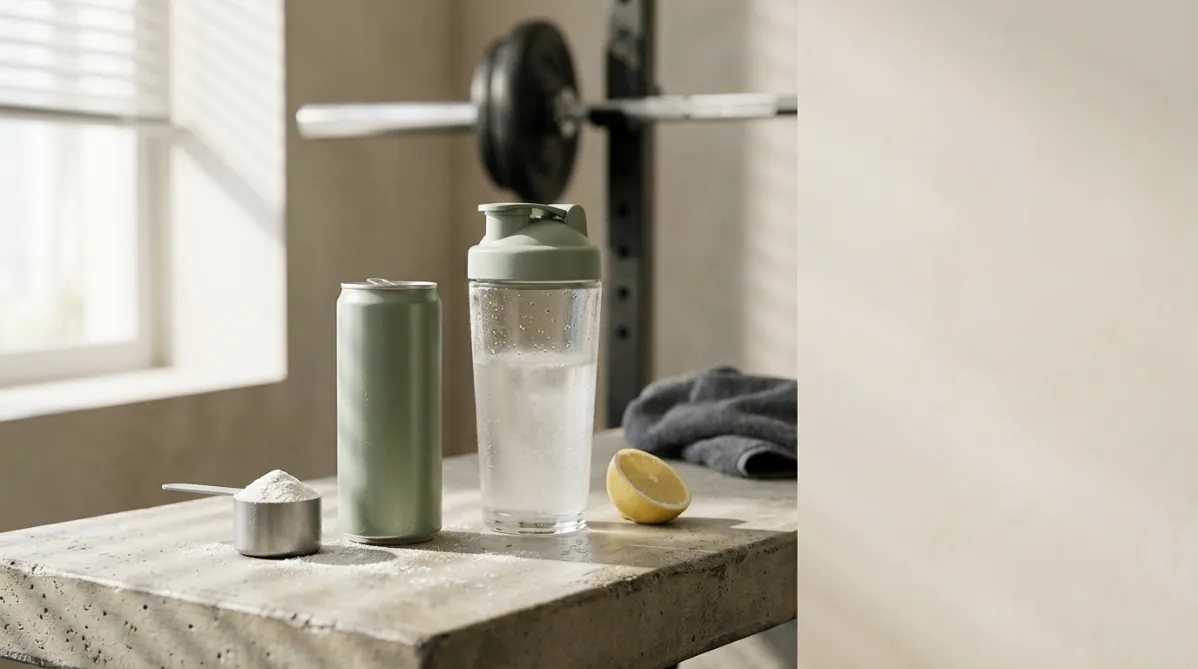
A sleek aluminum energy drink can and a matte scoop of white pre-workout powder sit side by side on a pale concrete gym bench, lit by soft morning window light. The can is slim and minimalist, with a muted sage green label and no legible text. Beside it is a clear glass shaker half full of cloudy, lightly frothy liquid with condensation beading on its surface. A few fine grains of powder are scattered across the bench, catching the light. Behind them, slightly out of focus, a stainless steel barbell rests on a rack, and a folded charcoal gym towel sits at the edge of the frame.

The color palette is warm neutral: oatmeal, soft gray, and sage, with a single accent of pale citrus yellow from a halved lemon wedge placed near the glass. A thin, elegant shadow from the window blinds falls diagonally across the scene, giving it an editorial, magazine-style rhythm. The composition leaves generous negative space on the right third of the frame, a smooth blurred wall in warm off-white, suitable for headline text overlay.

The shot is a low-angle, shallow depth-of-field product-style photograph, as if taken with an 85mm lens at f/2. The foreground objects are tack sharp and the background melts into creamy blur. The mood is calm, clean, and modern, like a wellness or science journal feature. Subtle film grain and gentle contrast add a tactile, contemporary lifestyle feel. There are no people, no logos, and no futuristic or sci-fi elements, just a quiet, considered still life that suggests the choice between a canned drink and a scooped supplement.
nutrition

Minuman Energi Anda Mungkin Berfungsi Seperti Pre‑Workout—Tapi Ada Satu Catatan

BY DR. GYMBRO ·

Kafein dan taurina sering dijumpai bersamaan dalam minuman energi dan suplemen pre‑workout, namun apakah keduanya memang meningkatkan performa? Meta‑analisis terbaru yang menggabungkan 11 uji acak terkontrol (234 partisipan) menemukan peningkatan sedang pada daya puncak dan waktu hingga kelelahan, serta persepsi usaha yang lebih rendah. Detak jantung tidak berubah, dan hasil waktu reaksi terlalu tidak konsisten untuk diandalkan. Masalahnya, studi‑studi tersebut kecil dan tidak dapat membuktikan apakah taurina memberikan kontribusi di luar kafein. Berikut apa yang data tunjukkan, dan siapa yang sebaiknya berpikir dua kali.

A landscape editorial photograph with a modern, clean magazine feel, shot on a pale warm-gray concrete surface in soft natural window light from the left. In the foreground, two matte white ceramic espresso cups sit side by side. The left cup holds a small amount of dark espresso with golden crema. The right cup is filled twice as high. Beside them, two small stainless steel scoops hold fine coffee-colored powder, one half full and one heaped, suggesting a dose comparison without any text or labels. A pair of worn red leather boxing gloves rests slightly out of focus behind the cups, laces loosely draped, with a white hand wrap rolled neatly beside them. A minimalist digital kitchen scale in matte black sits at the edge of the frame, with a few roasted coffee beans scattered across the surface. In the soft-focus background, a boxing gym corner appears: a hanging heavy bag in muted charcoal, pale wood plank flooring, and a tall window with diffused morning light. The palette is warm cream, espresso brown, brick red, and soft slate gray, with gentle shadows and a shallow depth of field. The composition follows the rule of thirds, with the cups and scoops in the lower left third and open negative space on the right for headline overlay. The look is tactile and refined, like a high-end health and performance journal. It has natural grain, subtle contrast, and a calm, confident mood. There are no people, no text, no logos, and no futuristic elements.
nutrition

Menambah Kafein Dua Kali Lipat Hanya Membantu Petinju—Inilah yang Terjadi

BY DR. GYMBRO ·

Berpikir bahwa dua sendok pre‑workout otomatis memberi dua kali lipat performa? Sebuah uji coba crossover pada 15 petinju kompetitif membandingkan dosis 3 mg/kg dan 6 mg/kg kafein, dan dosis yang lebih tinggi tidak selalu lebih baik. Kedua dosis meningkatkan tinggi lompatan dan daya pada 60 menit, sementara 6 mg/kg hanya unggul pada beberapa variabel seperti daya push‑up balistik dan torsi lutut. Di bawah ini ada tabel konversi mg / kg untuk berat badan umum, jendela waktu yang didukung data, serta catatan penting bahwa tinju itu sendiri tidak pernah diuji.

A wide, editorial-style flat lay photographed from slightly above on a pale oak gym bench with a soft matte finish. On the left, a small white ceramic cup of black coffee sits on a matching saucer, with a thin curl of steam rising and catching warm window light. Beside it is a second, slightly larger handleless stoneware mug in muted sage green, also filled with coffee, so the pair suggests one to two cups. In the center-right foreground rests a sleek matte-black steel barbell plate, partly overlapping a brushed-steel dumbbell with fine knurling. A folded charcoal gym towel and a clean white chalk-dusted wrist strap lie casually to one side. A small scatter of whole roasted coffee beans spills across the bench in front of the cups, glossy and deep brown. Near the bottom edge, a minimalist analog kitchen scale in soft cream with a thin black needle hints at precise dosing, without any readable numbers or text.

Soft morning sunlight streams in from the upper left, creating long, gentle shadows and a warm golden glow against cool neutral tones. The background is a softly blurred, airy home gym or boutique training studio with out-of-focus squat rack uprights, pale concrete walls, and a leafy green plant in a terracotta pot adding a touch of organic color. The palette is restrained and modern: warm cream, espresso brown, charcoal, sage green, and hints of brushed silver. Shallow depth of field keeps the cups and beans tack sharp while the background melts into creamy bokeh. The composition leaves generous negative space on the right third for a title overlay, with a balanced, calm, premium magazine feel, like a contemporary wellness and sports science journal. High-resolution, natural color grading, subtle film grain, realistic textures on ceramic, steel, and coffee crema.
nutrition

Berapa Banyak Kafein Sebelum Angkat Beban? Meta‑Analisis Menunjukkan 1–2 mg/kg Sudah Cukup Efektif

BY DR. GYMBRO ·

Pedoman umum menyarankan konsumsi kafein 3–6 mg/kg sebelum angkat beban, setara dengan beberapa cangkir kopi atau satu takaran besar pre‑workout. Meta‑analisis 2022 yang menggabungkan 12 percobaan menemukan bahwa dosis hanya 0,9–2 mg/kg sudah cukup meningkatkan kekuatan otot (d ≈ 0,17), daya tahan otot (d ≈ 0,21), dan kecepatan bar rata‑rata (d ≈ 0,56). Bagi kebanyakan lifter, ini setara dengan satu hingga dua cangkir kopi. Efeknya bersifat moderat dan berasal dari studi satu sesi, namun temuan ini menunjukkan Anda dapat meraih manfaat serupa dengan konsumsi kafein yang jauh lebih sedikit.

This page is available in