ਦੁੱਗਣਾ ਕੈਫੀਨ, ਤੇਜ਼ ਦੌੜ? 6 ਮਿ.ਗ੍ਰਾ./ਕਿ.ਗ੍ਰਾ. ਨੇ ਹਕੀਕਤ ਵਿੱਚ ਕੀ ਫ਼ਰਕ ਪਾਇਆ
ਸਾਰ: 6 ਮਿ.ਗ੍ਰਾ./ਕਿ.ਗ੍ਰਾ. ਕੈਫੀਨ ਨੇ 3 ਮਿ.ਗ੍ਰਾ./ਕਿ.ਗ੍ਰਾ. ਨਾਲੋਂ ਪਹਿਲੇ 30 ਮੀ ਅਤੇ 60 ਮੀ ‘ਚ ਥੋੜ੍ਹੀ ਵੱਧ ਗਤੀ ਦਿੱਤੀ, ਪਰ 10 ਮੀ, ਰੀਐਕਸ਼ਨ ਟਾਈਮ, ਵਿਂਗੇਟ ਪੀਕ ਪਾਵਰ ਜਾਂ ਹੋਰ ਮਾਪਦੰਡਾਂ ‘ਚ ਕੋਈ ਮਹੱਤਵਪੂਰਨ ਫ਼ਰਕ ਨਹੀਂ ਸੀ। ਹੇਠਾਂ 70‑80 ਕਿ.ਗ੍ਰਾ. ਵਾਲੇ ਖਿਡਾਰੀਆਂ ਲਈ ਮਿਲੀਗ੍ਰਾਮ ਵਿੱਚ ਡੋਜ਼, ਲੈਣ ਦਾ ਸਮਾਂ, ਕਿਹੜੇ ਲੋਕਾਂ ‘ਤੇ ਅਧਿਐਨ ਲਾਗੂ ਹੁੰਦਾ ਹੈ ਅਤੇ ਸਾਈਡ‑ਇਫੈਕਟਸ ਬਾਰੇ ਜਾਣਕਾਰੀ ਦਿੱਤੀ ਗਈ ਹੈ।
Six milligrams per kilo beat three, but not everywhere. A new randomized trial in trained 100-m sprinters found that doubling the caffeine dose bought extra speed over the first 30 and 60 m, yet did nothing extra for reaction time, perceived exertion or Wingate peak power. If you assume more caffeine means more of everything, the pattern is worth a closer look.
What the researchers did
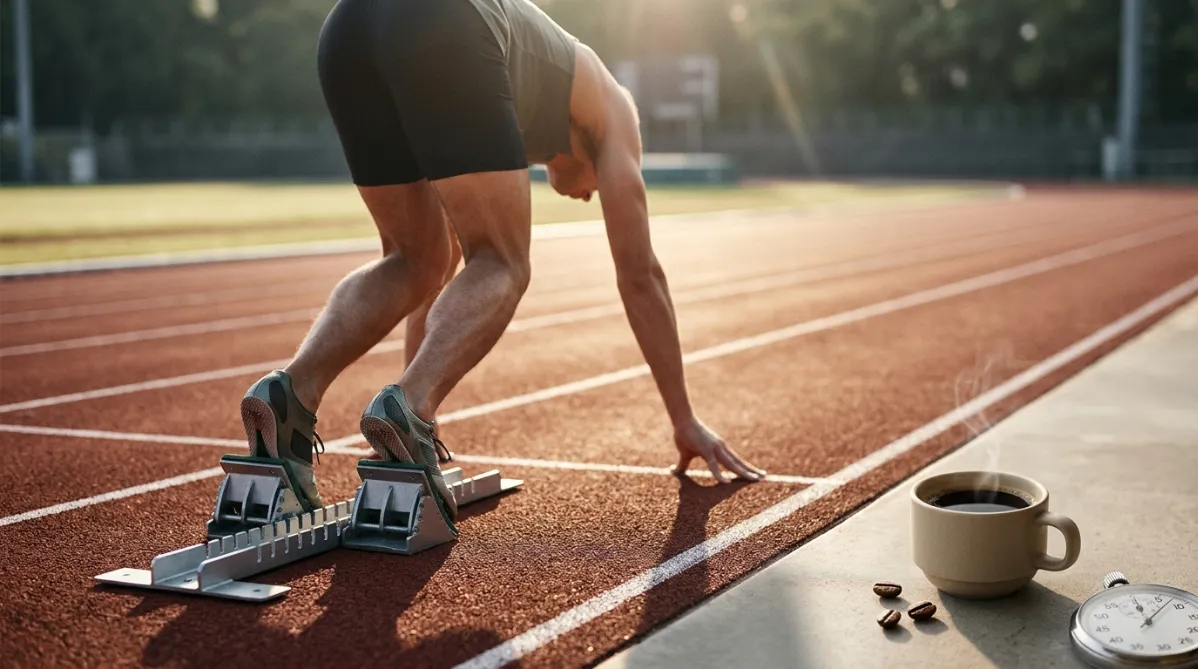
The study, published in PLoS One in 2026 by Mei, Li and Yang, was a randomized, double‑blind, placebo‑controlled crossover trial. Twenty‑one male 100‑m sprinters completed three conditions: placebo, 3 mg/kg caffeine and 6 mg/kg caffeine. Trials were separated by at least 7 days. Sixty minutes after ingestion, each athlete ran two maximal 60‑m sprints, then performed a countermovement jump, a squat jump and a 10‑second Wingate test.
The team also tracked derived split times, start reaction time, starting‑block rate of force development (RFD), stride variables and perceived exertion. Analysis used linear mixed‑effects models adjusted for treatment period and randomized sequence. The trial was registered with the Chinese Clinical Trial Registry (ChiCTR2600128594).
The sprint numbers: where 6 mg/kg pulled ahead
Both doses clearly beat placebo for cumulative 10‑, 30‑ and 60‑m times (all p < 0.001). Gains versus placebo were:
- 3 mg/kg: 0.056 s (10 m), 0.083 s (30 m), 0.123 s (60 m)
- 6 mg/kg: 0.075 s (10 m), 0.115 s (30 m), 0.175 s (60 m)
The difference between the two doses depended on the phase. Over the first 10 m, the extra 0.019 s with 6 mg/kg was not statistically significant in the primary model. By 30 m and 60 m, the higher dose was better than the lower one by 0.032 s and 0.052 s, respectively. In practical terms, the first 10 m looked similar between doses, and the additional advantage of 6 mg/kg showed up in cumulative time as the sprint went on.
One caveat: the athletes ran 60 m, not a full 100 m. The paper's title speaks of 100‑m sprinters because of who was tested, not the race distance.
Beyond the stopwatch
Both doses improved reaction time, perceived exertion, jump height, Wingate peak and mean power, and starting‑block RFD compared with placebo. The extra benefit of 6 mg/kg was selective:
- Extra gain with 6 mg/kg: jump height and starting‑block RFD.
- No extra gain over 3 mg/kg: reaction time, perceived exertion and Wingate mean power.
- Wingate peak power: did not improve further with the higher dose.
Stride length and stride frequency were unchanged by either dose. The authors' summary is that 3 mg/kg improved multiple outcomes, while 6 mg/kg added most consistently for vertical jump height, block RFD and cumulative performance over the first 60 m. The abstract does not explain why speed improved without a change in stride mechanics, so that remains open.
What the doses mean in milligrams
Caffeine is dosed per kilogram of body weight, so the real amounts depend on the athlete:
| Body weight | 3 mg/kg | 6 mg/kg |
|---|---|---|
| 70 kg | 210 mg | 420 mg |
| 75 kg | 225 mg | 450 mg |
| 80 kg | 240 mg | 480 mg |
That is a big gap. The low dose is roughly in line with a couple of strong coffees or a single concentrated supplement, depending on the product. The high dose is a substantial amount that most people would struggle to reach through coffee alone. Check the label of any caffeine supplement, because content varies.
Timing
In this study, caffeine was ingested 60 minutes before the testing session. That is the only timing the trial tested, so it is the one the evidence supports. If you want to replicate the protocol in training, take the dose about an hour before your sprint work. The study did not compare other timing windows, so it can't tell you whether 45 or 90 minutes would work better.
Who this applies to
The participants were trained male 100‑m sprinters. The findings do not directly speak to women, recreational runners, adolescents or athletes in other sports. Sprinters, and arguably jumpers and others who rely on explosive starts, are the closest match. The abstract does not report participants' habitual caffeine intake, so we can't say how regular consumers versus low consumers respond.
What about side effects?
The abstract does not report side effects or adverse events, so this paper gives no verified answer about the downsides of 6 mg/kg. As general background, not a finding of this study, higher caffeine doses are commonly linked to jitteriness, stomach upset, elevated heart rate and disrupted sleep, especially in people who rarely consume caffeine. The sensible reading is that the extra 0.03‑0.05 s over 30‑to‑60 m has to be weighed against how you tolerate a 420‑to‑480 mg dose. Anyone with a heart condition, anxiety or sleep problems should speak to a clinician before using high doses.
Limits worth keeping in mind
This is human research, not animal or cell work, and the randomized, double‑blind crossover design is a strength. Still, there are limits:
- Small sample: 21 athletes, all male.
- Acute effects only: one dose, one session, with no data on repeated use or tolerance.
- Lab‑style testing: 60‑m sprints and jumps, not competition 100‑m races.
- Statistical nuance: the 10‑m difference between doses was not significant, so don't over‑read it.
- Individual variation: averages hide athletes who respond more or less.
Practical takeaways
- Start with 3 mg/kg. For a 70‑80 kg sprinter that is 210‑240 mg, and it improved reaction time, jump height, Wingate power, perceived exertion and sprint times versus placebo.
- Consider 6 mg/kg only if you need the extra edge in jump height, block RFD or 30‑to‑60 m time, and only if you tolerate it well. That is 420‑480 mg for the same athletes.
- Take it about 60 minutes before the session, matching the study protocol.
- Trial it in training first, never on race day for the first time.
- Don't expect it to change stride mechanics. Stride length and frequency did not change.
The bottom line is that more caffeine did not mean uniformly better results. It gave a modest, outcome‑specific bonus for the first 60 m, which makes the dose a trade‑off rather than an automatic upgrade.