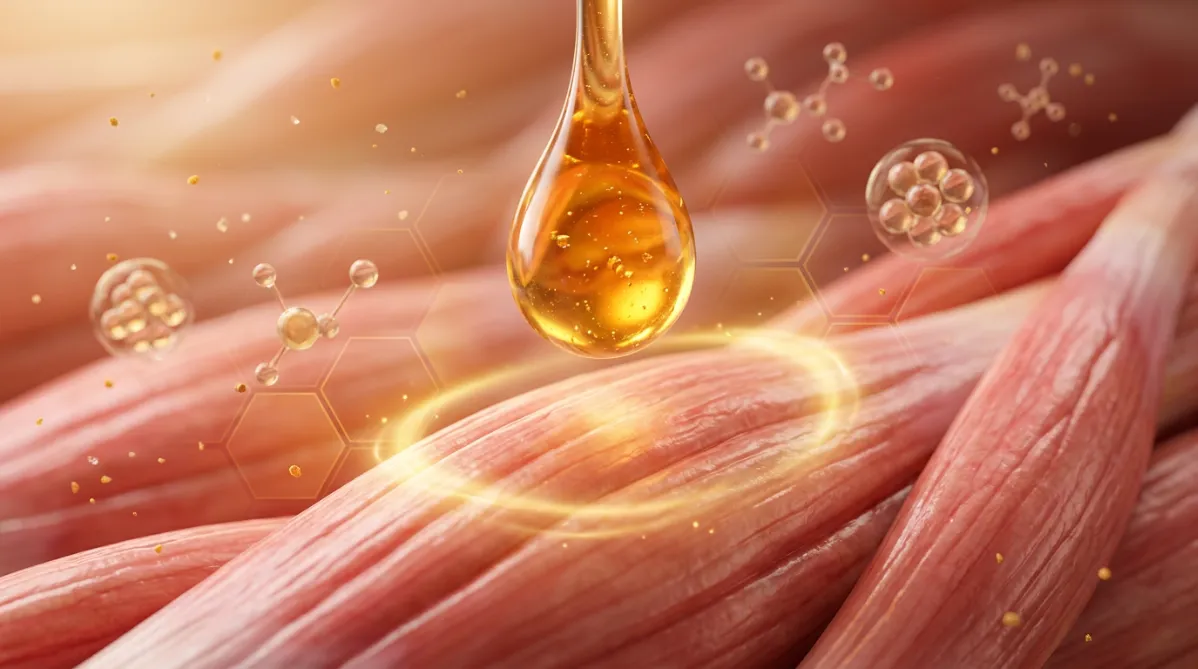
Revolutionary Study Reveals How Honey Protects Muscles During Overtraining
In the relentless pursuit of athletic excellence, many fitness enthusiasts and athletes push their bodies to the absolute limit—and sometimes beyond. While this dedication to improvement is admirable, crossing the line into overtraining territory can lead to significant muscle breakdown, decreased performance, and prolonged recovery times. However, a groundbreaking new study from Iran has unveiled an unexpected ally in the fight against overtraining-induced muscle damage: honey.
The Overtraining Epidemic: A Growing Concern
Overtraining syndrome affects an estimated 10-60% of elite athletes and recreational fitness enthusiasts at some point in their careers. This condition occurs when the training load exceeds the body's ability to recover, leading to a cascade of negative physiological responses. The symptoms extend far beyond simple fatigue, encompassing decreased performance, hormonal imbalances, compromised immune function, and most critically for athletes, accelerated muscle protein breakdown.
The modern fitness culture's "more is better" mentality has only exacerbated this issue. Social media platforms are flooded with content promoting extreme training regimens, often without adequate emphasis on recovery protocols. This cultural shift has made understanding and preventing overtraining-induced muscle damage more crucial than ever.
"Overtraining is one of the most underestimated threats to athletic progress," explains sports physiologist Dr. Sarah Chen, who specializes in exercise recovery mechanisms. "When we push beyond our recovery capacity, we're essentially breaking down the very muscles we're trying to build."
Honey: Nature's Muscle Guardian
The Iranian study, published in Health Science Reports in spring 2025, challenges conventional approaches to overtraining prevention. Researchers investigated whether honey supplementation could serve as a protective barrier against muscle breakdown in individuals subjected to training volumes that exceeded their body's tolerance levels.
Honey has been revered for its medicinal properties for millennia, but its application in sports science has been relatively limited. This golden substance contains a complex array of bioactive compounds, including antioxidants, anti-inflammatory agents, and unique carbohydrate profiles that may contribute to its muscle-protective effects.
The Science Behind Honey's Protective Mechanism
To understand how honey protects muscles during overtraining, we must first examine the biochemical processes that occur when training stress exceeds recovery capacity. During intense exercise, muscle fibers experience microscopic damage, triggering inflammatory responses and the release of stress hormones like cortisol. When recovery is inadequate, this inflammatory cascade continues unchecked, leading to net muscle protein breakdown.
Honey's protective effects likely stem from several key mechanisms:
Antioxidant Properties
Honey contains powerful antioxidants, including flavonoids, phenolic acids, and enzymes like glucose oxidase. These compounds neutralize free radicals generated during intense exercise, reducing oxidative stress that contributes to muscle damage. The darker the honey, typically the higher the antioxidant content, with varieties like buckwheat honey showing particularly potent antioxidant activity.
Anti-Inflammatory Action
Chronic inflammation is a hallmark of overtraining syndrome. Honey's anti-inflammatory properties, mediated by compounds like chrysin and caffeic acid, may help modulate the inflammatory response, preventing the excessive tissue breakdown associated with prolonged training stress.
Glycogen Replenishment
The unique carbohydrate composition of honey, containing both glucose and fructose, provides rapid and sustained energy replenishment. This efficient glycogen restoration may help maintain the energy reserves necessary for optimal recovery processes.
Hormonal Regulation
Emerging research suggests that honey consumption may influence stress hormone regulation, particularly cortisol. By helping to normalize cortisol levels, honey may prevent the catabolic environment that promotes muscle breakdown during overtraining.
Study Methodology and Participants
The Iranian research team recruited a carefully selected group of participants who were deliberately subjected to training protocols that exceeded their normal capacity. This controlled overtraining model allowed researchers to observe the protective effects of honey supplementation in a real-world scenario where muscle breakdown would typically occur.
Participants were divided into two groups: one receiving honey supplementation and a control group receiving a placebo. The honey group consumed specific amounts of pure, unprocessed honey daily throughout the study period. Researchers monitored various biomarkers of muscle damage, including creatine kinase levels, lactate dehydrogenase, and inflammatory markers.
Key Findings and Implications
The results of this study have significant implications for athletes, coaches, and fitness enthusiasts worldwide. The honey-supplemented group demonstrated markedly reduced markers of muscle damage compared to the control group, even when subjected to the same overreaching training protocols.
Most importantly, the study suggests that honey's protective effects are not merely about providing energy for training, but rather about fundamentally altering the body's response to excessive training stress. This represents a paradigm shift in how we might approach overtraining prevention.
"These findings are particularly exciting because they suggest a natural, accessible intervention that could help athletes push their limits while minimizing the risk of overtraining syndrome," notes exercise biochemist Dr. Michael Rodriguez. "Honey isn't just fueling performance—it's actively protecting the very tissues we're trying to develop."
Practical Applications for Athletes
Dosage and Timing Considerations
While the study provides encouraging evidence for honey's muscle-protective properties, implementing this strategy requires careful consideration of dosage and timing. The research suggests that consistent daily consumption, rather than sporadic use, provides optimal protection.
Athletes should consider incorporating honey into their daily nutrition regimen, particularly during periods of intensified training. The timing of consumption may also play a crucial role, with post-workout consumption potentially offering enhanced recovery benefits.
Quality Matters
Not all honey is created equal. Raw, unprocessed honey retains more of its bioactive compounds compared to heavily processed commercial varieties. Local, artisanal honey may offer superior benefits due to its minimal processing and higher concentration of beneficial compounds.
Integration with Existing Protocols
Honey supplementation should be viewed as a complement to, not a replacement for, established recovery protocols. Adequate sleep, proper nutrition, stress management, and periodized training remain fundamental to preventing overtraining syndrome.
Beyond Muscle Protection: Additional Benefits
Immune System Support
Overtraining is notorious for suppressing immune function, leaving athletes vulnerable to illness and infection. Honey's antimicrobial properties and immune-modulating effects may provide additional protection during periods of intense training stress.
Sleep Quality Enhancement
Many athletes report improved sleep quality when incorporating honey into their evening routine. Quality sleep is perhaps the most critical factor in recovery, making this potential benefit particularly valuable for overtrained individuals.
Sustained Energy Provision
Unlike simple sugars that cause rapid spikes and crashes in blood glucose, honey's complex carbohydrate profile provides more sustained energy release. This may help maintain stable energy levels throughout demanding training periods.
The Broader Context of Natural Recovery Aids
This research on honey adds to a growing body of evidence supporting natural interventions for exercise recovery and overtraining prevention. From tart cherry juice's anti-inflammatory properties to turmeric's recovery-enhancing effects, athletes are increasingly turning to nature's pharmacy for performance optimization.
"We're seeing a shift away from purely pharmaceutical approaches to recovery toward more holistic, natural strategies," observes sports nutritionist Dr. Emily Foster. "Honey represents an accessible, cost-effective intervention that could benefit everyone from weekend warriors to elite athletes."
Future Research Directions
While these initial findings are promising, several questions remain unanswered. Future studies should investigate:
- Optimal dosing strategies for different types of athletes
- Long-term effects of chronic honey supplementation
- Interactions with other recovery supplements
- Mechanisms underlying honey's protective effects
- Comparative studies between different honey varieties
Practical Implementation Guide
For athletes interested in incorporating honey into their recovery protocol, consider the following guidelines:
Beginner Protocol
- Start with 1-2 tablespoons of raw honey daily
- Consume post-workout and before bed
- Monitor training response and recovery metrics
- Gradually adjust dosage based on individual response
Advanced Implementation
- Increase to 3-4 tablespoons daily during high-volume training phases
- Combine with other natural recovery aids
- Track biomarkers of recovery and adaptation
- Work with a sports nutritionist for personalized protocols
Potential Considerations and Limitations
While honey appears to offer significant benefits for muscle protection during overtraining, several considerations must be addressed:
Caloric Content
Honey is calorie-dense, and excessive consumption could lead to unwanted weight gain if not properly accounted for in overall nutrition planning.
Individual Responses
As with any intervention, individual responses may vary. Some athletes may experience greater benefits than others based on genetics, training history, and metabolic factors.
Quality Control
The supplement industry's lack of regulation extends to honey products. Athletes should source high-quality, tested honey to ensure purity and potency.
Conclusion: A Sweet Solution to a Complex Problem
The revelation that honey can protect muscles during overtraining represents a significant advancement in our understanding of natural recovery strategies. This simple, accessible intervention could revolutionize how athletes approach training periodization and recovery protocols.
As we continue to push the boundaries of human performance, discoveries like these remind us that nature often provides elegant solutions to complex physiological challenges. Honey's muscle-protective properties offer hope for athletes struggling with overtraining syndrome while providing a natural alternative to pharmaceutical interventions.
The implications extend beyond elite athletics to recreational fitness enthusiasts who may unknowingly push themselves into overtraining territory. By incorporating honey into their daily routines, these individuals may safeguard their hard-earned muscle gains while pursuing their fitness goals.
As research in this field continues to evolve, honey may well become a staple in every serious athlete's recovery arsenal. Sometimes, the most powerful solutions come in the most unexpected packages—in this case, straight from the hive.
The message is clear: when training stress threatens to overwhelm your recovery capacity, honey stands ready to protect your most valuable asset—your muscles. This golden guardian of gains represents a paradigm shift in how we approach overtraining prevention, offering a natural, effective solution that has been hiding in plain sight for thousands of years.