Dr. Gymbro
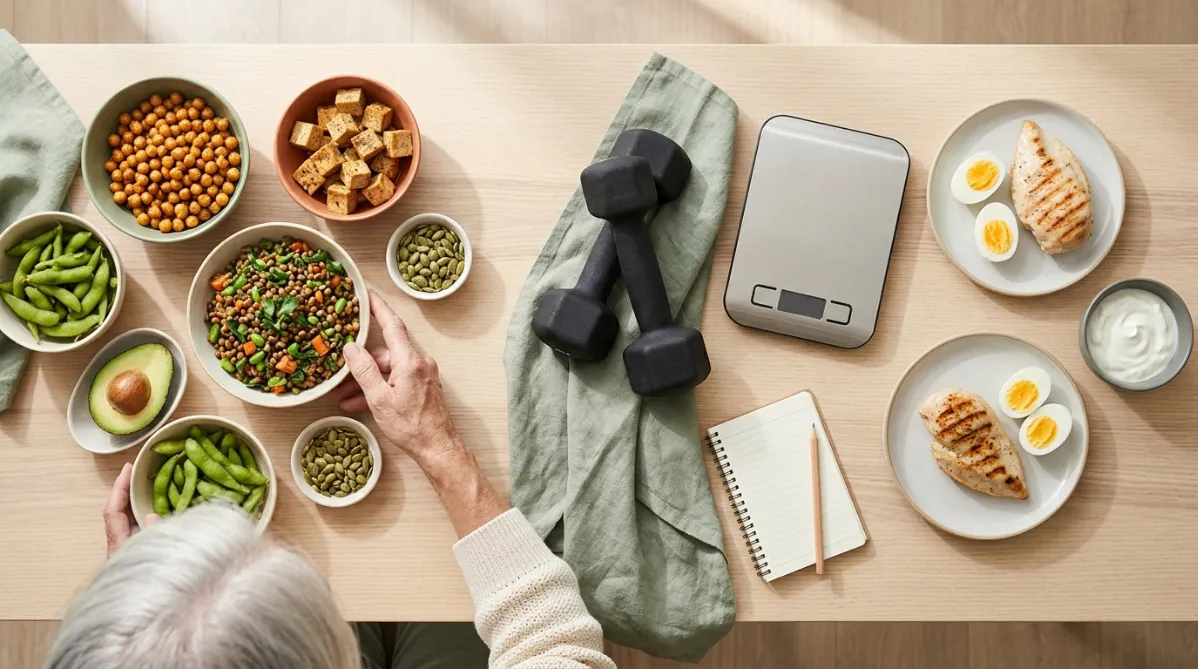
A bright, airy overhead flat-lay on a pale oak table in soft morning light. On the left, a vibrant plant-based protein spread in ceramic bowls: roasted chickpeas, marinated tofu cubes, lentil salad with herbs, edamame, sliced avocado, and a small dish of pumpkin seeds. On the right, a few contrasting items: a simple plate with grilled chicken breast, a hard-boiled egg halved, and a small bowl of Greek yogurt. Between the two sides, a pair of compact, matte-black hexagonal dumbbells rests on a folded sage-green linen towel, with a simple stainless-steel kitchen scale and a small open notebook with a pencil, suggesting tracking protein intake. A pair of weathered, elegant older hands, silver-haired and mid-60s, reaches in gently to pick up a bowl, with a casual cream knit sleeve visible. Natural window light casts soft diagonal shadows across the table. The palette is warm and muted: sage green, cream, terracotta, soft charcoal, with pops of fresh green and orange from the vegetables. Shallow depth of field, crisp focus on the food and dumbbells, gentle blur at the edges. The composition follows a clean editorial style with generous negative space at the top and right for headline text. The overall feel is modern wellness-magazine photography: calm, clean, and inviting, with tactile textures of linen, ceramic, wood, and fresh produce. Landscape 16:9 framing.
Nutrition

Ăn Chay Sau 55? Kết Quả Thử Nghiệm Tập Luyện Với 108 Người

Dr. Gymbro · · 5 min read

Bạn có thể tăng cơ khi ăn chay sau 55 tuổi không? Câu trả lời là có, theo một thử nghiệm ngẫu nhiên mới. Tuy nhiên, người ăn chay tiêu thụ ít protein hơn và tăng cơ ít hơn, và các nhà nghiên cứu không thể chứng minh hai chế độ ăn là tương đương.

Nghiên cứu này là thử nghiệm IMPACT, công bố trên The American Journal of Clinical Nutrition bởi van Oppenraaij, Weijs, Verlaan và cộng sự. Dưới đây là những gì họ phát hiện, những gì họ chưa phát hiện, và ý nghĩa của chúng đối với chế độ ăn của bạn.

Thiết Kế Nghiên Cứu: Thực Tế Được Thử

IMPACT là một thử nghiệm ngẫu nhiên không kém (non‑inferiority). Mục tiêu là xác định liệu một chế độ ăn chay lacto‑ovo (thực phẩm thực vật + sữa, trứng, không có thịt cá) có thể đạt được mức protein và tăng cơ tương đương với chế độ ăn tạp.

  • Đối tượng: 108 người trưởng thành từ 55 tuổi trở lên (tuổi trung vị 66; 58 % nữ; BMI trung bình 25,7 kg/m²)
  • Chương trình tập: 12 tuần, ba buổi tập kháng lực mỗi tuần, cho cả hai nhóm
  • Chế độ ăn: Tư vấn dinh dưỡng để theo chế độ chay lacto‑ovo hoặc ăn tạp. Người tham gia tự chọn thực phẩm, mục tiêu tối thiểu 1,2 g protein/kg/ngày.
  • Mục tiêu nguồn protein: Ít nhất 60 % protein từ thực vật cho nhóm chay và ít nhất 60 % protein từ động vật cho nhóm ăn tạp.
  • Kết quả chính: Lượng protein tiêu thụ (theo nhật ký thực phẩm 3 ngày) và khối lượng cơ chi (cơ tay và chân đo bằng DXA).
  • Kết quả phụ: Sức mạnh leg press, thời gian đứng lên từ ghế và sức mạnh cầm tay.

Các tác giả không báo cáo xung đột lợi ích; phần tóm tắt không nêu nguồn tài trợ. Thử nghiệm được đăng ký với mã NCT06172725.

Các Con Số Nổi Bật

Cả hai nhóm đều đạt được mục tiêu, nhưng mức độ khác nhau.

Nhóm Chay Nhóm Ăn Tạp
Lượng protein 1,24 g/kg/ngày 1,58 g/kg/ngày
Nguồn protein 76 % thực vật 67 % động vật
Thay đổi khối lượng cơ chi +0,38 kg +0,66 kg

Cả hai mức tăng cơ đều có ý nghĩa thống kê (chay P = 0,004; tạp P < 0,001). Sức mạnh leg press và thời gian đứng lên ghế đều cải thiện ở hai nhóm, không có sự khác biệt đáng kể.

Điểm Gây Băn Khoăn: Không Chứng Minh "Không Kém"

Các nhà nghiên cứu đã đặt trước một ngưỡng: nhóm chay có thể tiêu thụ ít nhất 0,12 g/kg/ngày protein hơn, hoặc tăng cơ ít hơn 0,25 kg, mà vẫn được coi là không kém. Cả hai ngưỡng này đều không đạt được.

  • Khoảng cách protein: -0,33 g/kg/ngày (95 % CI: -0,49 ~ -0,17) – vượt quá ngưỡng cho phép.
  • Khoảng cách cơ: -0,33 kg (95 % CI: -0,69 ~ 0,03) – bao gồm 0, nên không thể kết luận chặt chẽ rằng hai chế độ khác nhau; đồng thời cũng vượt quá ngưỡng -0,25 kg, nên không thể khẳng định chúng tương đương.

Do lượng protein giữa hai nhóm khác nhau, thử nghiệm không thể xác định liệu sự khác biệt về lượng protein, loại protein hay yếu tố nào khác là nguyên nhân dẫn tới chênh lệch cơ. Thiết kế cũng không tách rời các yếu tố này.

Bài Học Thực Tiễn Dành Cho Người Tập Luyện Ăn Thực Vật

Liều lượng. Ngưỡng tối thiểu trong thử nghiệm là 1,2 g/kg/ngày. Nhóm chay trung bình 1,24 g/kg, còn nhóm tạp 1,58 g/kg. Đối với người nặng 80 kg, tương đương khoảng 99 g và 126 g protein mỗi ngày. Nếu bạn ăn chay, hãy xem 1,2 g/kg chỉ là mức tối thiểu, không phải mục tiêu “đủ rồi”. Việc tiêu thụ trên mức này là cách hợp lý để thu hẹp khoảng cách, dù thử nghiệm này chưa kiểm chứng mức tiêu thụ cao hơn.

Lựa chọn thực phẩm. Người tham gia tự chọn thực phẩm dưới sự tư vấn. Bài tóm tắt không liệt kê cụ thể các loại thực phẩm, vì vậy không có thực đơn mẫu nào được chứng minh. Nhóm chay được phép dùng sữa và trứng, nên kết quả không áp dụng cho người ăn thuần chay (vegan).

Thời gian tiêu thụ. Bài tóm tắt không đề cập đến chiến lược phân bố protein trong ngày, nên không rút ra được lời khuyên về timing.

Ai nên thử. Người cao tuổi muốn giảm thịt vì lý do sức khỏe hoặc bền vững và sẵn sàng lên kế hoạch protein. Cả hai nhóm đều tăng khối lượng cơ, sức mạnh và chức năng khi tập kháng lực.

Ai cần thận trọng. Người có khẩu vị kém, lượng protein nền thấp, hoặc muốn tối đa hoá tăng cơ nên cẩn thận. Chế độ chay trong thử nghiệm cho lượng protein thấp hơn và tăng cơ ít hơn. Những người có bệnh thận hoặc các bệnh lý khác nên tham khảo bác sĩ trước khi thay đổi lượng protein.

Những Hạn Chế Cần Nhớ

  • Thời gian ngắn: 12 tuần chưa cho biết gì về duy trì cơ lâu dài hay các kết quả sức khỏe khác.
  • Dữ liệu tự khai báo: Nhật ký thực phẩm 3 ngày hữu ích nhưng không hoàn hảo.
  • Chế độ ăn tự chọn: Phản ánh thực tế đời sống, nhưng lượng protein thay đổi tùy lựa chọn, không được kiểm soát chặt chẽ.
  • Chỉ số thay thế: Khối lượng cơ chi đo bằng DXA là ước tính, không phải đo trực tiếp mô cơ.
  • Đối tượng: Chủ yếu là người lớn khỏe mạnh, sinh sống trong cộng đồng, BMI trung bình 25,7. Kết quả có thể không áp dụng cho người yếu hoặc gầy.
  • Thiếu chi tiết: Kết quả về sức mạnh cầm tay không được nêu trong tóm tắt.

Kết Luận

Tập kháng lực có hiệu quả ở cả hai chế độ ăn. Người cao tuổi theo chế độ lacto‑ovo chay được tư vấn vẫn tăng cơ và mạnh hơn, nhưng họ tiêu thụ ít protein hơn và tăng khối lượng cơ chi ít hơn, và không đạt được tiêu chuẩn "không kém". Bài học thực tiễn không phải tránh ăn chay, mà là cần có kế hoạch protein rõ ràng: đạt ít nhất 1,2 g/kg/ngày và không nên giả định một đĩa thực vật sẽ tự động đáp ứng nhu cầu này.
Original study

Read the original research on pubmed.ncbi.nlm.nih.gov →

This article summarizes published research for general information. It is not medical advice.

DG

Written by

Dr. Gymbro

Dr. Gymbro writes for Dr. Gymbro: science-backed fitness, nutrition & performance.

Related Articles

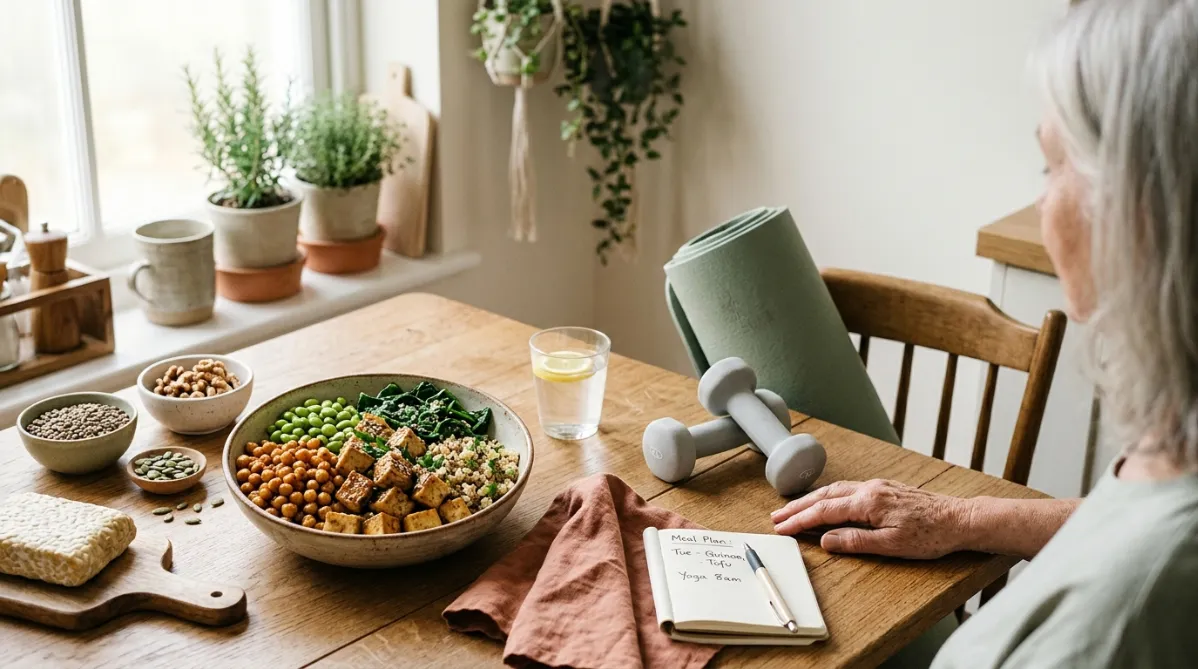
A landscape editorial photograph of a sunlit kitchen table, shot from a slightly elevated three-quarter angle. On the left, a rustic ceramic bowl holds a warm plant-based protein meal: roasted chickpeas, marinated tofu cubes, edamame, quinoa, and wilted greens, topped with toasted sesame seeds. Around it are small dishes of lentils, walnuts, pumpkin seeds, and a block of tempeh on a wooden board. On the right, a pair of weathered hands belonging to an older adult with silver hair, partially visible and softly out of focus, rests beside a pair of light dumbbells and a rolled sage-green yoga mat leaning against a chair. A linen napkin, a glass of water with a lemon slice, and a small handwritten notebook with a pen suggest careful planning. Soft morning light streams through a large window on the left and casts gentle long shadows across the pale oak tabletop. The color palette is muted and earthy: warm cream, sage green, terracotta, soft mustard, and natural wood tones. The background has shallow depth of field, with blurred shelves of herbs in pots and a few hanging plants. The mood is calm, hopeful, and health-focused, in the style of a modern lifestyle magazine or science journal feature, with clean composition, generous negative space in the upper right for headline text, and a subtle film-like grain. No text, no logos, no futuristic elements.
nutrition

Chuyển Sang Ăn Chay Thuần Chay Ở Tuổi 65+: Giảm 1,15 kg Khối Lượng Nạc Trong 12 Tuần

BY DR. GYMBRO ·

Trong một thử nghiệm ngẫu nhiên kéo dài 12 tuần với 72 người trưởng thành từ 65 tuổi trở lên, việc chuyển sang ăn chay thuần chay mà không lên kế hoạch protein đã khiến họ mất 1,15 kg khối lượng nạc. Nhóm ăn omnivore giữ nguyên. Khi thêm tập luyện kháng lực, mức giảm giảm còn 0,62 kg, giúp đáng kể nhưng không hoàn toàn xóa bỏ. Nguyên nhân thực sự là lượng protein giảm khoảng 20‑28 g/ngày, không phải do thực vật. Dưới đây là những gì dữ liệu cho thấy và cách bảo vệ cơ bắp khi ăn thực vật.

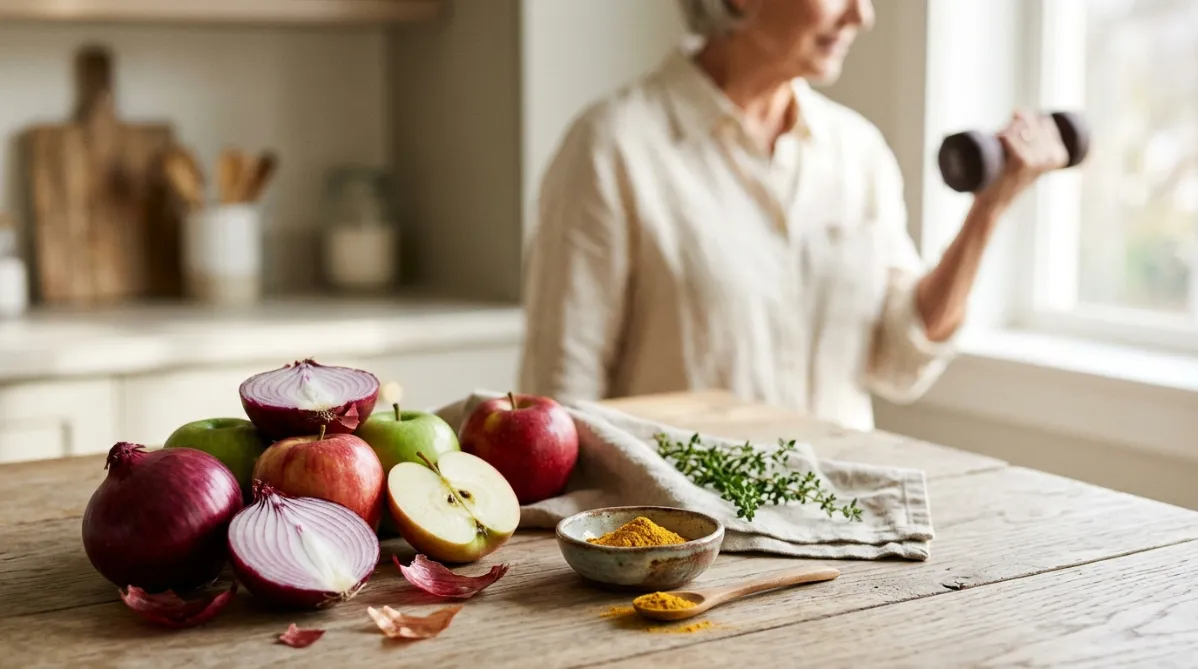
A landscape editorial photograph of a rustic kitchen table in soft morning window light. On a weathered light oak surface, a loose arrangement of fresh red onions, a few halved to show their purple-white rings, and crisp red and green apples, one sliced open to reveal pale flesh. A small ceramic bowl holds a pinch of golden-yellow quercetin powder, with a wooden spoon resting beside it. In the softly blurred background, an older woman in a cream linen shirt lifts a modest dumbbell near a sunlit window, her posture strong and relaxed. Her silhouette is out of focus, which keeps the produce as the main subject.

The palette is warm and natural: deep magenta onion skins, glossy apple reds, buttery yellow accents, and creamy neutrals. A gentle shallow depth of field gives creamy bokeh in the background. The light is diffused and golden, with delicate shadows and a few dried onion skin flakes scattered across the wood for texture. A folded linen napkin and a small sprig of thyme add a curated, modern lifestyle-magazine feel.

The composition follows the rule of thirds, with the produce at lower left and negative space on the right, where the blurred lifter and window glow provide balance. The overall look is clean, calm, and contemporary, like a premium health and wellness journal cover: natural, tactile, and optimistic, with fine film-like grain and true-to-life color.
nutrition

Quercetin Tăng Gấp Ba Sức Mạnh Ở Người Cao Tuổi — Không Tăng Cơ

BY DR. GYMBRO ·

Một flavonoid rẻ tiền có trong hành và táo dường như đã cải thiện đáng kể sức mạnh ở người cao tuổi, vượt xa mức tăng chỉ nhờ tập luyện. Trong một thí nghiệm ngẫu nhiên, mù mắt, người lớn tuổi dùng 200 mg/ngày quercetin glycoside đã tăng sức mạnh gối khoảng 15 % sau sáu tuần, trong khi nhóm dùng giả dược chỉ tăng khoảng 5 %. Đáng ngạc nhiên, khối lượng cơ không thay đổi ở cả hai nhóm. Lợi thế dường như đến từ hệ thần kinh, với các đơn vị vận động ngưỡng cao hoạt động nhanh hơn. Dưới đây là những gì nghiên cứu phát hiện, cách áp dụng và lưu ý khi mẫu nghiên cứu nhỏ.

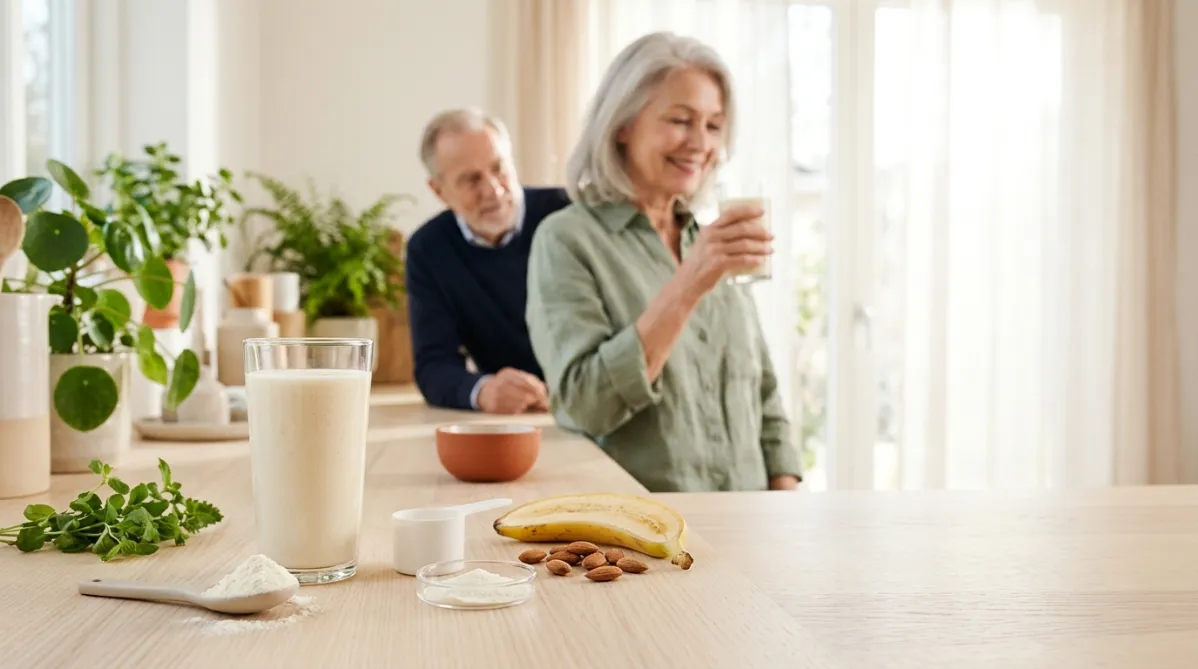
A bright, modern editorial still life on a clean, softly lit kitchen countertop of pale ash wood. In the foreground, a tall glass of creamy off-white protein shake sits beside a small ceramic spoon holding a mound of fine white powder. Next to it is a minimalist matte-white scoop and a small glass dish with a few pinches of powder. Scattered nearby are a few natural elements: a halved banana, a handful of raw almonds, and a sprig of fresh green herbs for a splash of color.

In the soft-focus midground, an older woman in her late 60s with silver-gray hair, wearing a sage-green linen shirt, smiles gently as she lifts a glass. Her face is slightly blurred and warm, bathed in natural window light. Beside her, slightly further back and out of focus, an older man in a navy sweater leans on the counter, a neutral presence that subtly contrasts with her. A wide window behind them floods the scene with soft morning light, with sheer curtains and a few leafy houseplants.

The color palette is muted and fresh: warm cream, soft sage, pale peach, and light oak, with a touch of terracotta from a small ceramic bowl. Shallow depth of field, creamy bokeh, subtle film-like grain, and gentle shadows give it a contemporary lifestyle-magazine feel. Composition follows the rule of thirds, with the shake and powder on the left third and open negative space on the right for headline overlay. The mood is calm, optimistic, and health-focused, polished like a trendy wellness journal cover, with no text, no logos, and no futuristic or sci-fi elements.
nutrition

3 g HMB + 40 g Whey: Bất Ngờ Tăng Cường Ở Phụ Nữ, Không Phải Ở Đàn Ông

BY DR. GYMBRO ·

Nhiều người cho rằng thực phẩm bổ sung hỗ trợ xây dựng cơ bắp sẽ có lợi nhất cho đàn ông cao tuổi. Tuy nhiên, một nghiên cứu mới cho thấy ngược lại: khi thêm 3 g canxi‑HMB vào 40 g whey, tổng hợp protein cơ bắp tăng ở phụ nữ cao tuổi, trong khi nam giới không có lợi ích. HMB cũng giảm phá hủy cơ trong giai đoạn ăn sau. Nhưng nghiên cứu chỉ kéo dài 3 giờ, với 24 người tham gia và có các tác giả từ Abbott Nutrition, nên chưa thể khẳng định hiệu quả tăng cơ lâu dài.

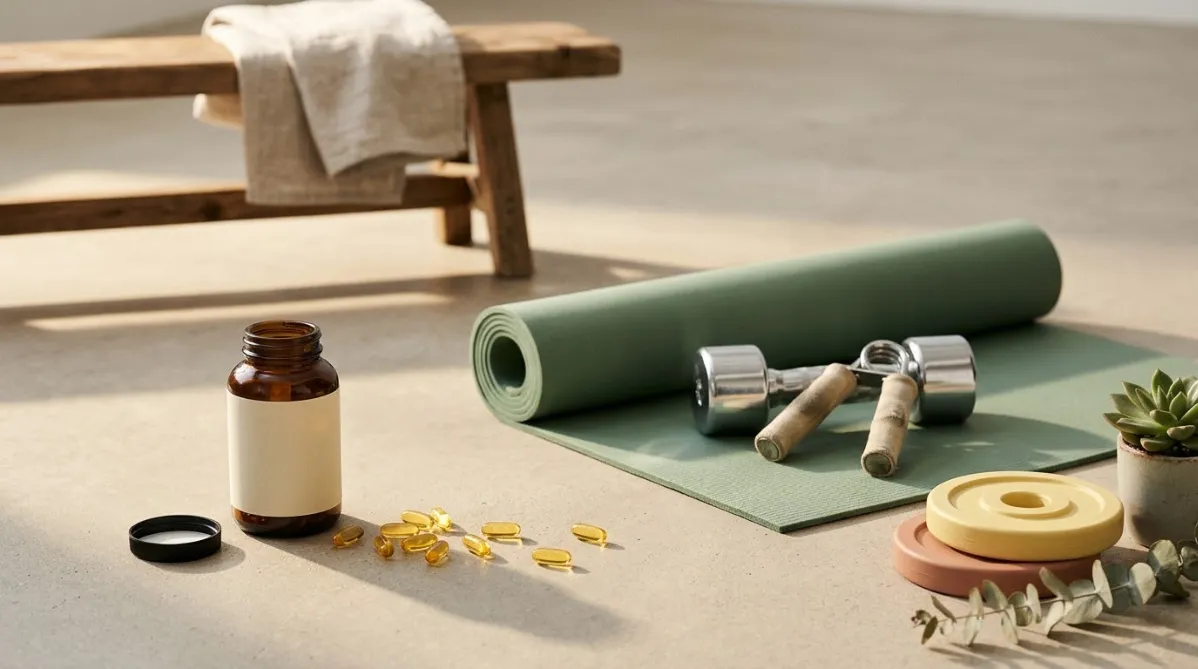
A soft-lit editorial still life on a pale warm-gray concrete surface, shot from a slightly elevated three-quarter angle in a wide landscape frame. On the left, a single amber glass supplement bottle with a minimalist cream label, its lid set beside it. A few golden-yellow softgel capsules are scattered in a loose arc across the surface, catching the light like small drops of honey. At the center-right, a matte sage-green yoga mat is partly unrolled, with a polished chrome dumbbell resting on it. Next to the dumbbell sits a worn canvas hand gripper, a nod to the handgrip finding. Behind them, a wooden gym bench is slightly out of focus, and a folded linen towel sits on top of it.

Warm morning sunlight enters from the upper left through a large window. It casts long, gentle diagonal shadows and a faint golden glow across the scene, a quiet reference to vitamin D and sunshine. A sprig of dried eucalyptus or a small potted succulent adds an organic touch near the bottom right. A small, neatly stacked pile of two or three matte pastel-toned weight plates in butter yellow and dusty terracotta adds color blocking.

The palette is muted and modern: butter yellow, sage, warm sand, soft terracotta, and off-white, with a single strong amber accent from the bottle. The depth of field is shallow, with crisp focus on the capsules and bottle and a creamy blur falling off toward the background. The negative space on the upper right is clean and uncluttered, which leaves room for a headline overlay. The overall feel is calm, minimalist, and contemporary, like a premium health and wellness magazine or a trendy online journal. The grain is subtle, the contrast gentle, and the textures tactile: brushed metal, frosted glass, linen, and concrete. There are no people, no text, and no futuristic elements.
science research

Vitamin D sẽ không giúp bạn giảm mỡ hay tăng cơ, ngoại trừ một trường hợp

BY DR. GYMBRO ·

Meta‑phân tích đáp ứng liều dựa trên 28 thử nghiệm ngẫu nhiên với 1.675 người đã xem xét liệu việc bổ sung vitamin D vào chương trình tập luyện có mang lại lợi ích vượt trội hơn so với chỉ tập luyện. Mặc dù nồng độ vitamin D trong máu tăng trung bình 34 nmol/L, nhưng cân nặng, BMI, khối lượng mỡ, tỷ lệ mỡ cơ thể và khối lượng không mỡ không có sự cải thiện. Sức mạnh leg press cũng không thay đổi; ngoại lệ duy nhất là tăng nhẹ sức mạnh mở rộng đầu gối (+4,36 kg) và cải thiện lực nắm tay ở người cao tuổi hoặc liều cao. Dưới đây là nhóm người có thể hưởng lợi và những lưu ý trước khi mua thêm viên thuốc.

This page is available in