Dr. Gymbro
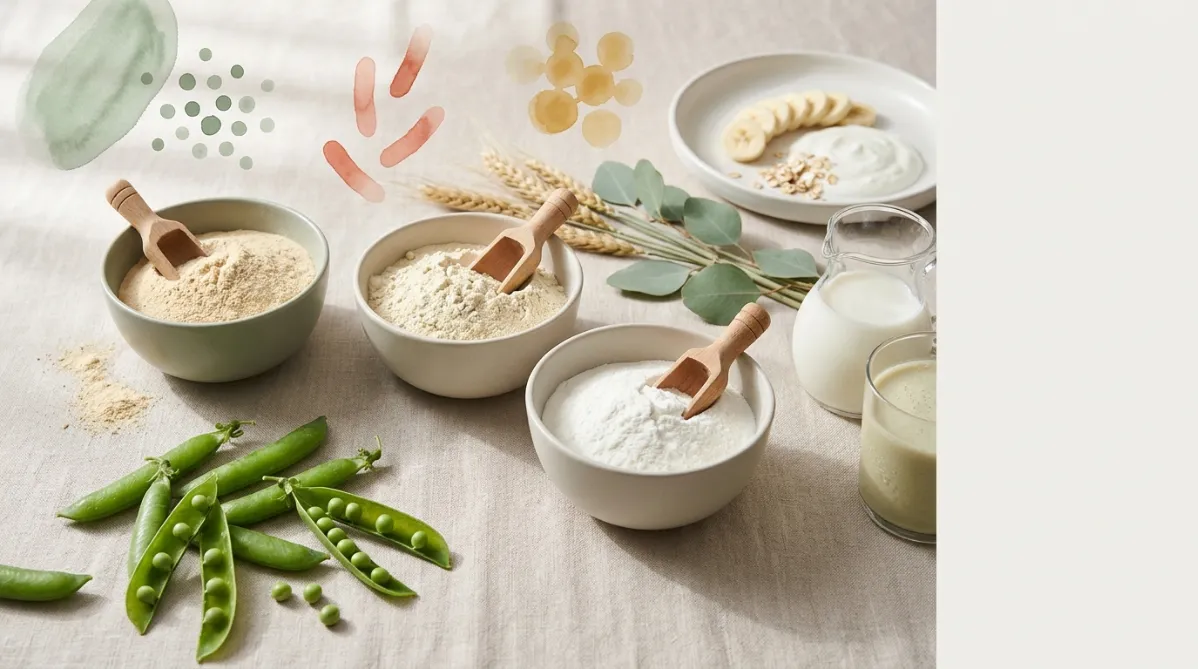
A wide, softly lit editorial flat-lay on a pale oat-colored linen surface, shot from slightly above. Three matte ceramic bowls sit in a loose diagonal across the frame. One holds fine, creamy beige pea protein concentrate, another holds paler, powdery pea protein isolate, and the third holds bright white whey protein isolate. Each bowl has a small wooden scoop resting beside it, with a few fine dustings of powder on the linen. Fresh green pea pods, split open to show round peas, spill naturally in the left foreground. A small glass pitcher of milk sits near the right edge, next to a half-full glass of a smooth, pale green-beige shake with condensation on the surface.

Behind the bowls, a few sprigs of dried wheat and soft eucalyptus leaves add organic texture. In the upper right, a shallow white ceramic plate holds a small arrangement of gut-friendly foods: sliced banana, a spoonful of plain yogurt, and a few oats. Delicate watercolor-style abstract shapes in sage green, warm coral, and soft mustard float subtly in the background. They suggest microscopic organisms, like loose dots, rods, and clustered circles, but stay painterly and minimal, not scientific or futuristic.

Natural window light enters from the left, casting long, gentle shadows and a warm, airy glow. The palette is muted and modern: sage green, cream, warm beige, blush, and touches of terracotta. The composition leaves generous clean negative space on the right third for a headline overlay. The depth of field is shallow, with the nearest pea pods and the front bowl crisp and the background softly blurred. The style is high-end wellness magazine photography with a subtle tactile, handmade feel, calm, fresh, and contemporary, in a 16:9 landscape format.
Science & Research

Bột Protein nào Định Hình Lại Đường Ruột? Đậu Hà Lan Thay Thế trong 4 Tuần

Dr. Gymbro · · 5 min read

Bạn có thể đang uống protein shake không chỉ để nuôi cơ mà còn vô tình thay đổi hệ vi sinh vật trong ruột. Một nghiên cứu ngẫu nhiên có kiểm soát mù đôi vừa được thực hiện tại Thụy Điển cho thấy loại bột protein bạn lựa chọn có thể thay đổi cấu trúc vi khuẩn đường ruột chỉ trong bốn tuần. Hai dạng protein đậu hà lan đã làm được điều này, và mỗi dạng lại ưu ái các loài vi khuẩn khác nhau.

Nghiên cứu: Ba loại bột, một liều, bốn tuần

Các nhà nghiên cứu ở Đại học Örebro công bố một thử nghiệm ngẫu nhiên, mù đôi, ba nhóm song song trên European Journal of Nutrition. Người tham gia – những người trưởng thành khỏe mạnh – được chia thành ba nhóm, mỗi nhóm dùng một loại bột: pea protein concentrate (PPC), pea protein isolate (PPI) hoặc whey protein isolate (WPI). Liều dùng là 0,5 g protein trên mỗi kg trọng lượng cơ thể mỗi ngày trong bốn tuần.

Thành phần vi sinh vật đường ruột là chỉ số chính. Nhóm nghiên cứu thu thập mẫu phân và bảng câu hỏi về lối sống mỗi tuần. Họ cũng lấy mẫu máu lúc đói và nước tiểu 24 giờ ở các thời điểm: trước can thiệp, giữa can thiệp và sau can thiệp để đo các chỉ số chuyển hoá. Đây là nghiên cứu trên người, không phải trên chuột hay trong ống cấy. Thử nghiệm được đăng ký dưới mã NCT05611138.

Các nhà nghiên cứu thực hiện hai so sánh: PPC vs PPI và PPI vs WPI. Nhờ vậy họ có thể so sánh protein thực vật với protein động vật, đồng thời so sánh hai dạng protein thực vật với ma trận thực phẩm khác nhau.

Kết quả chính: Protein đậu hà lan làm thay đổi đa dạng vi sinh

Cả hai bột protein đậu hà lan đều tạo ra sự thay đổi đáng đo. Khi dùng PPC hoặc PPI, độ đa dạng α (số loài trong ruột mỗi người) giảm đáng kể trong khi độ đa dạng β (sự khác nhau giữa các mẫu) tăng. Các tác giả lưu ý rằng ảnh hưởng này phần nào phụ thuộc vào chỉ số BMI.

Giảm độ đa dạng α có thể nghe có vẻ tiêu cực, vì thường đa dạng cao được xem là dấu hiệu của ruột khỏe mạnh. Tuy nhiên bản tóm tắt không nói rõ thay đổi này là tốt, xấu hay trung tính. Các nhà nghiên cứu nhấn mạnh rằng vẫn cần liên kết các biến đổi cấu trúc với chức năng thực tế, vì vậy không nên vội kết luận.

Các loài vi khuẩn tăng lên

Kết quả ở mức loài là nơi hai bột protein đậu hà lan tách nhau:

  • Pea protein concentrate (PPC): Anaerobutyricum hallii và Bifidobacterium longum tăng đáng kể.
  • Pea protein isolate (PPI): Lactobacillus crispatus và Limosilactobacillus frumenti tăng đáng kể.

Các tác giả mô tả những loài này là có lợi và kết luận rằng các loại protein khác nhau có thể điều chỉnh chúng một cách chọn lọc. Bản tóm tắt không đề cập đến các loài thay đổi trong nhóm whey, vì vậy chúng ta không thể so sánh chi tiết ở mức loài.

Những gì nghiên cứu không chứng minh

Một vài lưu ý trước khi bạn đổi loại bột:

  • Chỉ dành cho người khỏe mạnh. Kết quả không áp dụng cho người có bệnh tiêu hoá.
  • Cấu trúc, chưa phải chức năng. Các tác giả khẳng định cần thêm nghiên cứu để xác định những thay đổi này ảnh hưởng như thế nào đến chức năng vi sinh.
  • Các chỉ số chuyển hoá không được báo cáo. Mặc dù mẫu máu và nước tiểu đã lấy, bản tóm tắt không cung cấp kết quả.
  • Cá nhân hoá phản ứng. Tác giả nhấn mạnh sự khác biệt cá nhân, và BMI là một yếu tố điều chỉnh.
  • Bốn tuần là thời gian ngắn. Chúng ta chưa biết những thay đổi này sẽ kéo dài, tăng mạnh hay giảm dần.

Bài học thực tiễn: Lựa chọn bột protein của bạn

Liều dùng. Thử nghiệm dùng 0,5 g/kg/ngày. Với người nặng 80 kg, tương đương 40 g protein mỗi ngày từ bột. Bản tóm tắt không chỉ ra thời điểm dùng (trước, sau tập hay cùng bữa ăn), vì vậy không có khuyến cáo thời gian dựa trên nghiên cứu này.

Pea protein concentrate. Trong nghiên cứu, PPC liên quan tới sự tăng lên của B. longum và A. hallii. Nếu bạn muốn một bột thực vật và quan tâm tới tác động lên ruột, đây là một lựa chọn. Concentrate thường ít qua quá trình tinh chế hơn isolate, dù bản tóm tắt không kiểm chứng giả thuyết này.

Pea protein isolate. PPI liên quan tới sự tăng của L. crispatus và L. frumenti. Đây là dạng tinh khiết hơn, thường được những người tập sức mạnh ưa thích vì hàm lượng protein cao.

Whey protein isolate. WPI là nhóm so sánh từ nguồn động vật. Bản tóm tắt không cho thấy whey gây hại; chỉ là không có dữ liệu về lợi ích vi sinh cụ thể, vì vậy không thể khẳng định ưu thế cho whey về mặt này.

Ai nên chú ý

  • Người tập ăn thực vật sẽ nhận được lợi ích trực tiếp nhất. Nếu bạn dựa vào protein đậu hà lan để đáp ứng nhu cầu hằng ngày, nghiên cứu này cho thấy nó không phải là “trung tính” đối với ruột mà còn làm thay đổi một số loài vi khuẩn; dạng bạn chọn có thể quan trọng.
  • Người có vấn đề tiêu hoá cần thận trọng. Các đối tượng tham gia đều khỏe mạnh, vì vậy không thể áp dụng kết quả cho IBS, IBD hay các rối loạn tiêu hoá khác. Nếu ruột bạn đã nhạy cảm, hãy thử nghiệm bất kỳ bột mới nào một cách dần dần và tham khảo ý kiến chuyên gia dinh dưỡng hoặc bác sĩ.

Kết luận

Trong vòng bốn tuần, cả hai dạng protein đậu hà lan đều làm thay đổi cộng đồng vi sinh vật đường ruột của người trưởng thành khỏe mạnh. Concentrate và isolate thúc đẩy các loài có lợi khác nhau. Câu hỏi lớn còn lại là những thay đổi này ảnh hưởng thế nào đến sức khỏe, và hiện tại nghiên cứu chưa trả lời được. Vì vậy, hãy xem lựa chọn bột protein như một yếu tố ảnh hưởng tới hệ sinh thái ruột của bạn, không chỉ là một nguồn cung cấp macro.
Original study

Read the original research on pubmed.ncbi.nlm.nih.gov →

This article summarizes published research for general information. It is not medical advice.

DG

Written by

Dr. Gymbro

Dr. Gymbro writes for Dr. Gymbro: science-backed fitness, nutrition & performance.

Related Articles

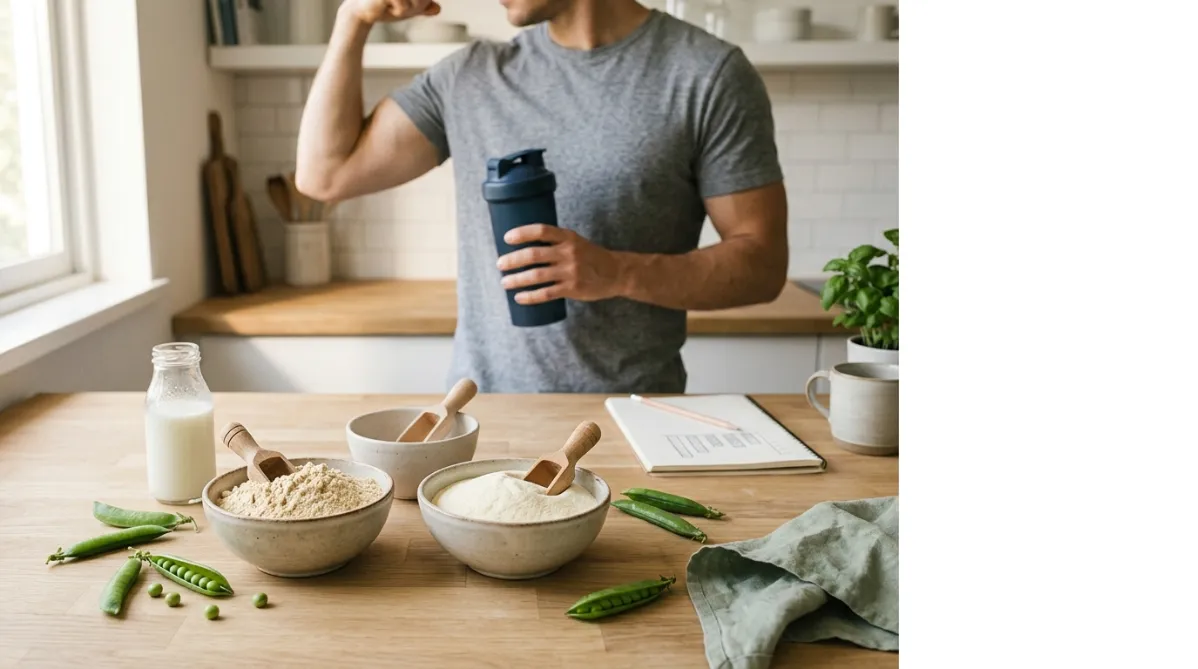
A bright, airy, minimalist kitchen counter in soft morning light, shot from a slightly elevated three-quarter angle in a wide landscape composition. Two matching ceramic bowls sit side by side on a pale oak butcher-block surface. The left bowl holds fine, creamy-beige pea protein powder with a small wooden scoop resting in it. The right bowl holds smooth, ivory-white whey powder with an identical scoop. Between and slightly behind them sits a third, smaller empty bowl with a plain scoop, hinting at the placebo. Scattered around the bowls are fresh green pea pods, some split open to reveal bright, round peas, and a small glass bottle of milk with delicate condensation. A sage-green linen napkin is folded loosely at the edge of the frame.

In the soft-focus background, a young man in a fitted heather-gray t-shirt is seen from the shoulders down, casually flexing one arm while holding a matte shaker bottle, the biceps subtly defined and the pose relaxed and natural. A minimalist notebook with a pencil and a simple hand-drawn bar chart lies open on the counter, suggesting analysis without legible text. A small potted herb plant and a ceramic mug add warmth.

The color palette is muted and editorial: warm cream, sage green, soft terracotta, pale wood, and touches of charcoal. Light streams in from a window on the left, casting gentle long shadows and a subtle golden glow across the powders so their textures look fine and tactile. Shallow depth of field keeps the bowls crisp while the background melts into a creamy blur. The look is modern lifestyle-magazine photography, clean and uncluttered, with generous negative space on the right third of the frame for headline overlay. It is natural, appetizing, and trustworthy, in the style of a contemporary wellness and nutrition journal.
nutrition

Protein Đậu Hà Lan vs Whey: Kết Quả Bất Ngờ cho Người Mới Bắt Đầu

BY DR. GYMBRO ·

Liệu protein thực vật có thực sự giúp tăng cơ như whey? Một thí nghiệm kéo dài 12 tuần với 161 nam giới so sánh protein đậu Hà Lan, whey và giả dược cho thấy kết quả bất ngờ: độ dày bắp tay tăng 20,2 % với protein đậu Hà Lan, trong khi giả dược chỉ tăng 8,6 %. Tuy nhiên sự khác biệt toàn nhóm chỉ là xu hướng, và phát hiện nổi bật đến từ phân tích nhóm con. Bài viết tóm tắt những gì nghiên cứu chứng minh, những gì chưa được khẳng định, và cách vận động viên thuần chay hoặc không dung nạp lactose có thể áp dụng.

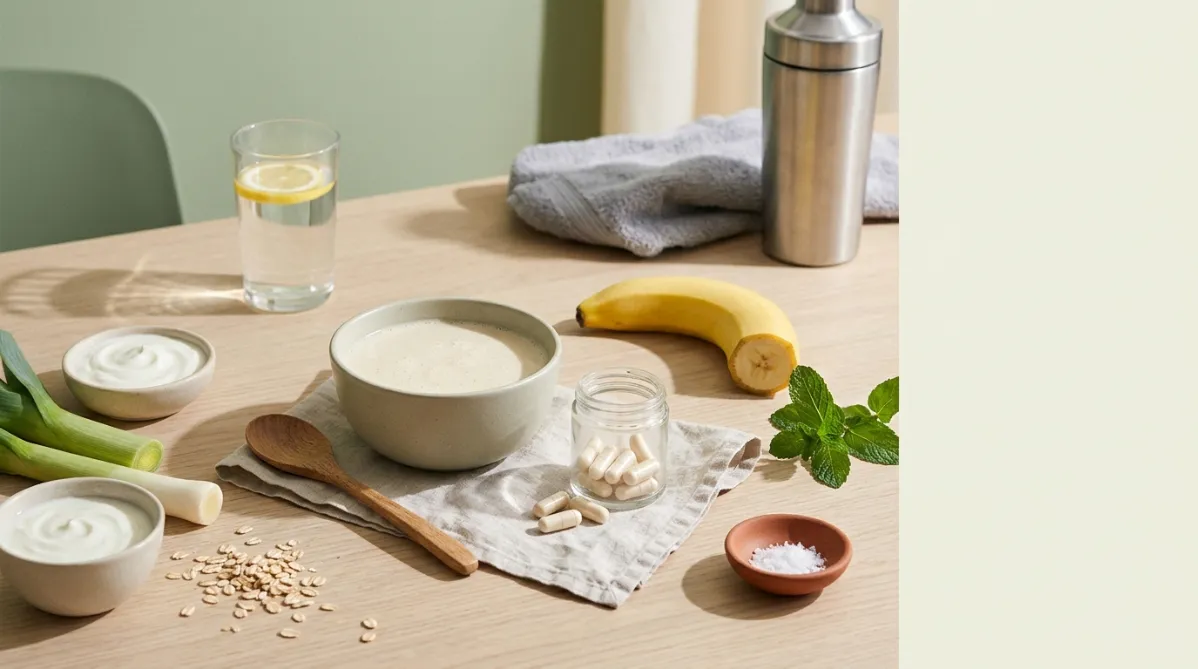
A bright, minimalist still life on a soft sage-green and warm cream backdrop, shot from a slightly elevated angle in natural morning window light. In the center sits a matte ceramic bowl of creamy vanilla protein shake with a wooden spoon resting beside it. Next to it, a small glass jar with a few off-white probiotic capsules spilling onto a pale linen napkin. Around them are fresh, gut-friendly foods arranged with editorial restraint: a halved ripe banana, a small bowl of plain yogurt with a swirl on top, a few stalks of leeks, a handful of oats scattered on the surface, and a sprig of fresh mint. A tall glass of water with a lemon slice catches the light and casts a delicate caustic shadow across the table.

In the background, slightly out of focus, a folded gray gym towel and a sleek stainless steel shaker bottle hint at an athletic lifestyle without dominating the scene. The surface is a pale oak tabletop with subtle grain. A soft diffused shadow falls to the left, giving gentle depth.

The palette is calm and modern: sage green, oatmeal, warm white, soft butter yellow, and touches of terracotta from a small clay dish holding a pinch of sea salt. The composition leaves generous negative space on the right third for headline overlay. The mood is clean, wellness-focused, and quietly editorial, like a feature in a contemporary health and science journal. Shallow depth of field, crisp focus on the capsules and bowl, subtle film grain, and natural color grading. No people, no text, no logos, no futuristic elements.
nutrition

Nứt Đường? Probiotic BB536 Giảm Mùi, Nhưng Chỉ Ở Một Số Người

BY DR. GYMBRO ·

Bạn đang uống nhiều whey và cảm thấy bụng đầy hơi, mùi khó chịu? Một thử nghiệm mới đã kiểm tra probiotic *Bifidobacterium longum* BB536 ở vận động viên ăn nhiều protein và phát hiện giảm các hợp chất mùi như methyl mercaptan và amoniac. Tuy nhiên, toàn bộ nhóm không có sự khác biệt đáng kể so với giả dược, và những kết quả khả quan chỉ xuất hiện trong các tiểu nhóm sau khi phân tích. Nghiên cứu quy mô nhỏ, mang tính khám phá và có sự tài trợ từ nhà sản xuất probiotic. Dưới đây là những gì cần biết về BB536, tại sao vi sinh vật nền của bạn quan trọng, và những cách sửa chữa rẻ hơn nên thử trước.

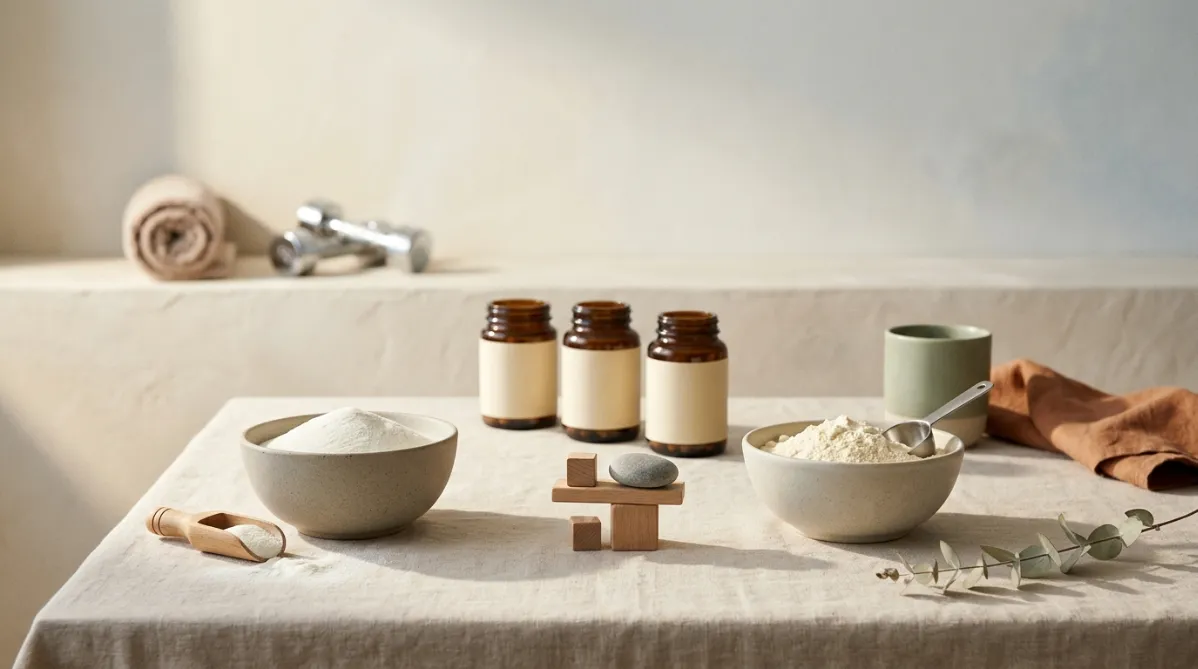
A bright, minimalist editorial still life on a pale oat-colored linen surface, shot from a slightly elevated three-quarter angle in soft natural window light. On the left, a matte ceramic bowl of fine white collagen powder with a wooden scoop resting beside it, a light dusting of powder spilling across the linen. On the right, a matching bowl of creamy off-white whey powder with a brushed-steel scoop. Between them sits a small, neatly balanced stack of simple geometric wooden blocks and a single smooth gray stone, hinting at a scale or comparison without showing a literal scale. Behind them, a lightly blurred row of three clean amber glass supplement jars with plain cream labels, unbranded. A single rolled yoga towel and a pair of small chrome dumbbells sit softly out of focus in the background on a pale plaster shelf. Accents of muted sage green and warm terracotta appear in a ceramic cup and a folded napkin, giving the palette a calm, contemporary wellness-magazine feel. A thin, elegant sprig of dried eucalyptus lies at the edge of the frame. Shadows are long, gentle, and slightly cool, with a creamy shallow depth of field and fine grain. The composition leaves generous negative space across the upper third for title overlay, with a subtle gradient from warm ivory to pale gray-blue in the background wall. The styling is clean and modern like a trendy health journal website, with a refined, tactile, editorial photography look, balanced symmetry, and no text, no people, no futuristic or laboratory elements.
nutrition

Collagen Vượt Qua Whey trong Xây Dựng Cơ Bắp: Phân Tích 78 Nghiên Cứu

BY DR. GYMBRO ·

Một phân tích meta mạng lưới năm 2026 dựa trên 78 thử nghiệm ngẫu nhiên với 4.755 người cho thấy collagen đứng đầu về tăng sức mạnh và khối lượng cơ nạc so với whey. Đáng ngạc nhiên, không có loại protein nào khác vượt qua giả dược. Tuy nhiên, collagen là protein không đầy đủ và ít leucine, còn khoảng tin cậy rộng. Bài viết sẽ phân tích số liệu thực tế, lý do cần xác nhận trực tiếp, và cách cân nhắc bổ sung protein hiện tại của bạn.

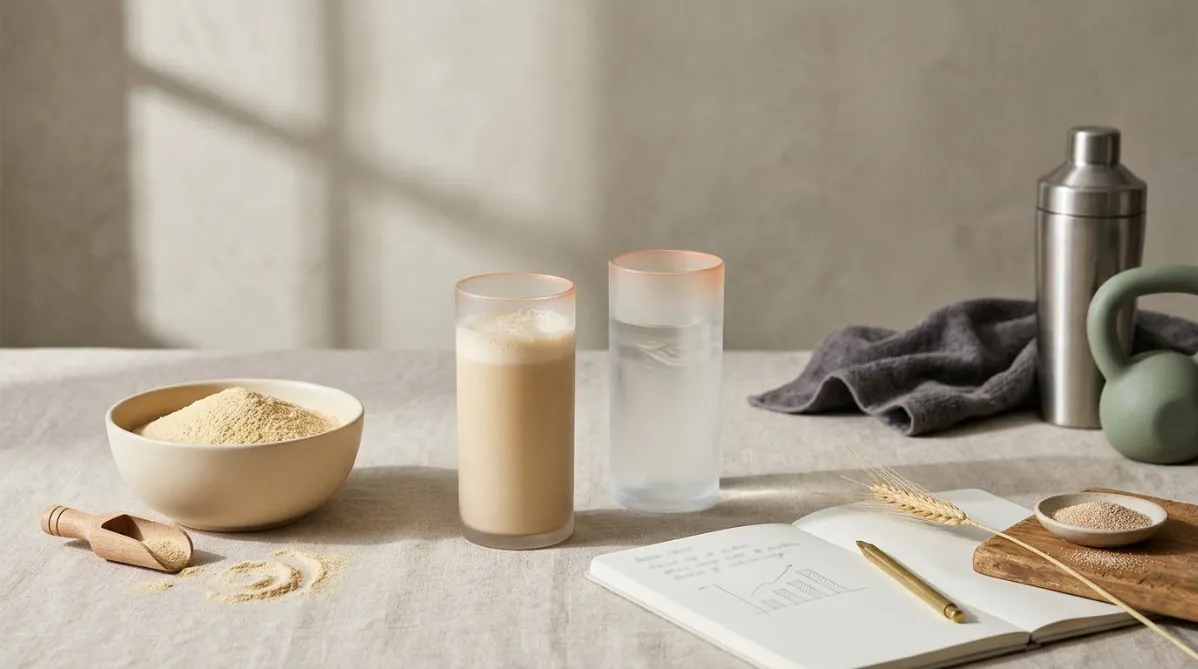
A wide, softly lit editorial still life on a pale oat-colored linen surface, shot from a slightly elevated three-quarter angle. On the left, a matte ceramic bowl in warm cream holds fine, pale golden-beige yeast protein powder, with a small wooden scoop resting beside it and a few loose dusty swirls on the linen. In the center, two tall frosted glass tumblers stand side by side. One holds a creamy, light tan shake with a delicate froth, and the other holds clear water with a faint ripple, creating a quiet visual contrast. On the right, a loosely folded charcoal gym towel, a brushed-steel shaker bottle, and a single small kettlebell in muted sage green sit slightly out of focus.

A few elements hint at the science without looking clinical. A minimalist matte-white notebook lies open with soft, blurred handwriting and a hand-drawn bar chart in thin pencil. Beside it rests a slim brass pen. A single sprig of dried wheat and a small dish of baker's yeast granules on a wooden board nod to the ingredient's fermentation origin.

Natural morning window light enters from the upper left, casting long, gentle shadows and a warm highlight along the glass rims. The palette is earthy and calm: oat, cream, soft terracotta, sage, and warm gray, with a subtle peachy glow in the background. The backdrop is a smooth plaster wall in muted putty tone, with a faint shadow of a window frame across it.

The composition leaves generous negative space in the upper third for a title overlay. Shallow depth of field keeps the glasses and bowl crisp while the gym props melt softly into the background. The overall mood is modern, wholesome, and trustworthy, with the feel of a contemporary health and nutrition magazine. The photograph has fine film-like grain and natural texture, and no text, logos, or labels appear anywhere.
recovery

Hỗn hợp protein nấm men cạnh tranh với whey về đau cơ và CK – có một điều kiện

BY DR. GYMBRO ·

Protein nấm men đang được giới thiệu như một lựa chọn thay thế whey trong các loại bột protein. Một nghiên cứu ngẫu nhiên mới trên vận động viên được đào tạo kỹ lưỡng đã so sánh hỗn hợp nấm men‑whey với nước và whey thuần sau buổi tập sức mạnh căng thẳng. Kết quả cho thấy hỗn hợp này làm giảm creatine kinase và, ở nam giới, giảm đau cơ, trong khi hiệu quả chung gần giống whey. Tuy nhiên, nhóm kiểm soát chỉ dùng nước, không cân bằng calo, và nhiều kết quả chỉ là khám phá sau khi điều chỉnh đa so sánh. Bài viết sẽ tóm tắt những gì dữ liệu cho thấy, những gì không, và ai có thể quan tâm.

This page is available in