Dr. Gymbro
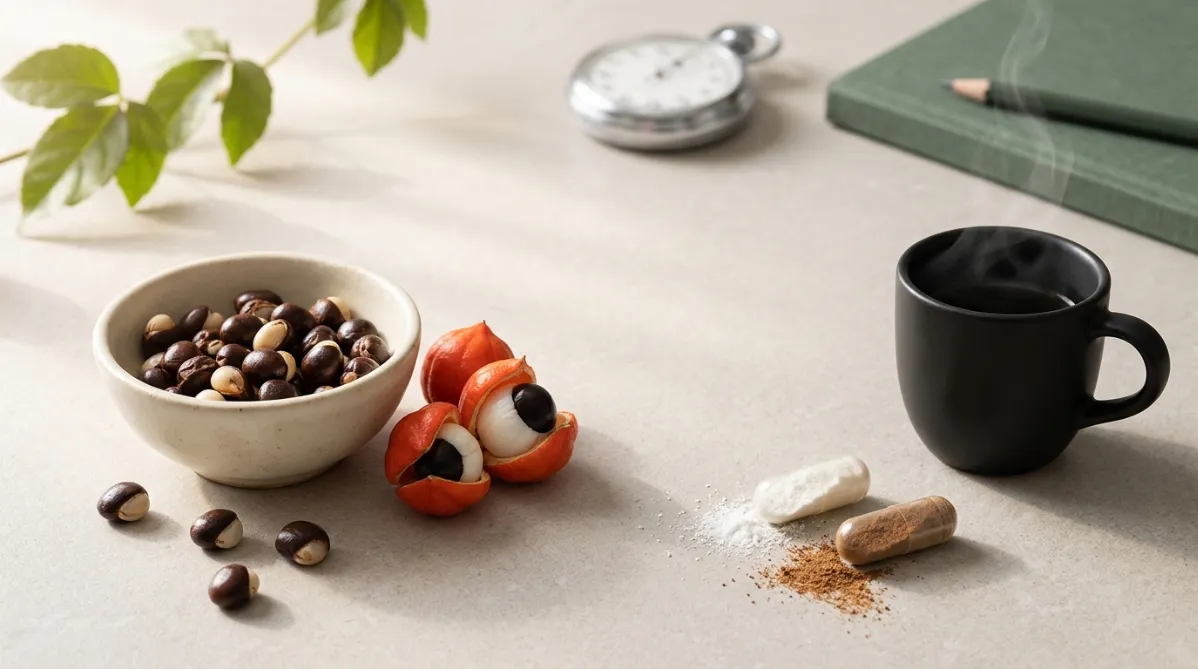
A wide, editorial-style photograph of a clear glass of water on a weathered concrete ledge at the edge of an outdoor running track, shot in soft golden-hour light. Tiny, fine bubbles cling to the inside of the glass and drift upward, catching warm backlight so the water looks luminous and crisp. The glass is about three-quarters full, with delicate condensation beading on its surface. In the softly blurred background, the curved lanes of a terracotta-red track sweep diagonally across the frame, with faint white lane lines leading toward the horizon. A lone sprinter in a charcoal athletic top crouches in a starting position, out of focus, rendered as a muted silhouette. Long shadows stretch across the track, and a hazy line of trees glows amber in the distance.

Foreground details are sharp: a matte black sports watch rests beside the glass, its screen dark, and a folded white towel sits at the edge of the frame. The palette is warm and restrained, with terracotta, sand, soft peach sky, charcoal, and the cool, clean glint of water as the focal accent. Shallow depth of field, 85mm lens look, fine film grain, gentle natural lens flare from the low sun. The composition follows the rule of thirds, with the glass placed on the left third and generous negative space on the right for headline text. The mood is calm, athletic, and modern, like a contemporary health and performance magazine cover, with no text, logos, or futuristic elements.
Science & Research

スプリント前の水素水:パワー維持と回復スピードアップ

Dr. Gymbro · · 1 min read

研究者たちが実際に検証したこと

南華師範大学のChen Zらが行ったJournal of Sports Science and Medicine掲載のクロスオーバー研究では、平均年齢23.9±2.0歳の男性大学アスリート13名を対象に、1週間間隔で2回のセッションを実施しました。1回は電解法で作製した水素リッチウォーター(HRW)280 mL(溶存水素濃度約1600 ppb)を、もう1回は普通の蒸留水をプラセボとして摂取してもらいました。

飲料は試験開始の約1分前に飲み、トレーニングは30秒の休息を挟んだ6秒全力サイクリングスプリントを計7回行うというシンプルなものでした。デザインはランダム化・プラセボ対照・クロスオーバーで、各選手が自分自身の比較対象となります。単盲検で、被験者はどちらを飲んだか分からないが、研究者は把握していました。

主な発見:パワーがより維持された

プラセボと比較して、HRWを摂取した条件では平均パワー出力が有意に高く(効果量 d = 0.61)、総仕事量の減少(d = 0.62)や疲労指数(d = 0.64)も低くなりました。言い換えれば、7回のスプリント全体で出力低下が抑えられたということです。

これは中程度の効果サイズで、奇跡的な数値ではありませんが、チームスポーツなどで「短時間で繰り返し高強度を出す」能力が重要な場面では興味深いポイントです。

神経系の回復が速まった

研究者は心拍変動(HRV)を指標に自律神経系(ANS)の回復を追跡しました。運動後、HRVはHRW条件で有意に速く回復し、以下の指標で効果が認められました:RMSSD(d = 0.62)、LF/HF比(d = 0.82)、サンプルエントロピー(SampEn、d = 0.79)、DFAα1(d = 0.79)。

これらはストレス状態から副交感神経主導の回復状態へどれだけ早く移行できたかを示す指標で、ハードなスプリント後のANS回復が速まったと解釈されています。心拍数、臨界フリッカ融合頻度(中枢疲労の代替指標)、血中乳酸もベースライン、運動中、そして運動後10分まで測定しました。

乳酸の結果と過大評価しない理由

運動後3分の血中乳酸はHRW条件で約1 mmol/L低く(d = 0.64)報告されましたが、10分時には差が消えていました。つまり、効果はごく短い時間窓に限られ、パワーやHRVの結果ほど強固ではありません。

実際に使うなら:投与量・タイミング・対象者

以下は本研究で用いた条件であり、確立された処方ではありません:

  • 投与量:溶存水素約1600 ppbのHRWを280 mL飲む。
  • タイミング:セッション開始約1分前に摂取。溶存水素はすぐに抜けやすいため、開封直後またはその場で生成したものが望ましい。
  • 適用が期待できる人:チームスポーツ選手、短距離スプリンター、HIITトレーニングを行うアスリートなど、繰り返しの短時間全力が求められる競技者。
  • 未検証の対象:女性、シニア、一般成人、持久系アスリートなど。本研究は若年男性大学生のみです。

注意すべき点

  • サンプルサイズが極小:13名だけ。小規模クロスオーバー研究は再現性が低いことがある。
  • 単盲検のみ:研究者が飲料を把握しており、水素水は完全にブラインドしにくい。期待効果が結果に影響する可能性がある。
  • 急性投与だけ:1回の投与で1回のセッションを対象にしたもので、日常的な使用や長期的適応については何も示していない。
  • 乳酸差は短時間:3分時にのみ見られ、10分時には消失。
  • ラボ環境:エルゴメーター上のサイクリングスプリントは実戦のフィールドとは異なる。

研究者自身は「急性HRWがパワー低下を抑え、ANS回復を速め、乳酸除去を促進する可能性がある」程度の示唆に留めています。

結論

この研究は、繰り返しスプリント前に小さなグラス1杯の水素リッチウォーターを摂取すると、若年男性アスリートのパワー維持と自律神経回復が改善されるという興味深い初期シグナルを示しました。ただし決定的なエビデンスではありません。スプリントやHIITをすでに実施している人がリスクが低いと判断すれば、実験的に試す価値はあるでしょう。ただし、確立されたパフォーマンス向上手段とみなすのは早計です。女性やフィールド競技を対象にした二重盲検・大規模研究が必要です。
Original study

Read the original research on pubmed.ncbi.nlm.nih.gov →

This article summarizes published research for general information. It is not medical advice.

DG

Written by

Dr. Gymbro

Dr. Gymbro writes for Dr. Gymbro: science-backed fitness, nutrition & performance.

Related Articles

supplements

ロディオラでピークスプリントパワーが向上し乳酸が低下――ただしすべてではない

BY DR. GYMBRO ·

3日間のロディオラ・ロゼア・ローディングで、全力ウィンゲートスプリントのピークパワーが向上し、運動後3分、10分、20分の血中乳酸が低下しました。一方、平均パワーや総仕事量の改善は見られませんでした。クロスオーバー試験は23名の若年トレーニング男性を対象とし、条件間に5日間のウォッシュアウトを設けました。乳酸低下のメカニズムは未解明です。以下にプロトコル、適応対象、エビデンスが不足している点をまとめます。

A wide, editorial-style flat lay photographed from above on a pale oat-colored linen surface in soft morning window light. On the left, a small matte white ceramic cup of black coffee with a delicate swirl of steam, beside a few scattered roasted coffee beans. On the right, a second matte sage-green ceramic cup holding a pale, creamy golden tea-like drink, mirroring the first. Between them, two small glass vials with cork stoppers sit side by side: one holding fine white powder, the other holding slightly warmer cream-colored powder, with a tiny brass measuring spoon resting nearby. In the lower foreground, a slim wooden rowing oar lies diagonally across the frame, its blade edge softly entering from the right, painted a muted navy with a thin terracotta stripe. A minimalist analog stopwatch with a brushed-steel case rests near the oar, and a folded cream notebook with a thin pencil suggests data-taking. In the upper corner, a crescent-shaped dried eucalyptus sprig and a small folded gray wool throw hint at sleep and calm without being literal. The palette is warm and restrained: oat, cream, sage, soft navy, terracotta, and espresso brown. Shadows are long and gentle, with shallow depth of field and subtle film grain, giving a refined, modern wellness-magazine feel. Generous negative space on the left third of the composition leaves room for a headline overlay. Clean, calm, tactile, and contemporary, with no text, logos, or futuristic elements.
science research

パラキサンチン vs カフェイン:勝者はどちらか、睡眠の救世主は?

BY DR. GYMBRO ·

パラキサンチンはカフェインの主な代謝産物です。本研究では14名の大学男子漕手を対象に、カフェイン単独・パラキサンチン単独・併用・プラセボの4条件で200 mgずつ投与し、2000 mエルゴメータタイムトライアルを実施しました。併用はプラセボよりも有意に速く(p = 0.044、Cohen's d = 0.30)なりましたが、効果サイズは小さめです。単独投与ではパフォーマンス向上は認められませんでした。一方、パラキサンチン単独は主観的睡眠評価が比較的良好でした。以下に詳細な数値と限界、そして実際に恩恵を受けられる人について解説します。

A wide, editorial-style photograph of a lone cyclist's legs and torso mid-sprint on a stationary indoor bike in a bright, minimalist performance studio. The scene is shot from a low three-quarter angle with shallow depth of field. The cyclist wears matte charcoal shorts and a fitted sage-green top, with a subtle sheen of sweat catching soft window light. Their hands grip the handlebars and the pedals are caught in a slight motion blur, which conveys explosive effort.

In the foreground, slightly out of focus on a pale oak side table, sit a small matte white scoop and a clear glass of water. Next to them is a little ceramic dish holding a few off-white capsules and a pinch of fine white powder. A folded linen towel and a slim stopwatch rest nearby. The stopwatch face is softly legible, hinting at timed sprint intervals.

The background is warm cream concrete and pale wood, with tall windows casting long diagonal shafts of golden morning light across the floor. Faint dust motes drift in the light. On the wall behind, a clean, abstract line graph is painted in muted terracotta and deep teal. It shows one line rising in steps like five sprint bouts and another line gently falling, a subtle visual nod to power up and lactate down. The graph is minimal and stylized, with no readable numbers or text.

The color palette is earthy and modern: sage green, terracotta, warm cream, soft charcoal, and touches of natural wood. The lighting is soft and directional with gentle highlights and natural shadows. The overall look is calm, refined, and contemporary, like a premium wellness and sports science magazine cover. The composition follows the rule of thirds, with the cyclist on the right and open negative space on the left for a headline. The image is crisp, grainy in a subtle film-like way, and free of any futuristic or sci-fi elements.
science research

このカルニチン形態がスプリントパワーを最大15%向上させ、乳酸を低減

BY DR. GYMBRO ·

2009 年のクロスオーバー研究で、グリシン・プロピオニル‑L‑カルニチン(GPLC)を 4.5 g 投与しただけで、5 回の全力サイクリングスプリントにおける最大パワーが 2.6 %〜15 % 向上し、運動後 14 分の血中乳酸は 16.2 % 低下したことが明らかになった。本稿では GPLC と一般的な L‑カルニチン、ALCAR の違い、NO 仮説、適応者・不適応者、用量・タイミング、エビデンスの限界を解説する。

A wide, softly lit editorial flat-lay on a pale warm-gray stone countertop, shot from slightly above. On the left, a small rustic ceramic bowl in matte cream holds a handful of dried guarana seeds, dark glossy brown with pale cream arils, a few spilling onto the surface. Beside it sits a halved fresh guarana fruit in vivid red-orange, split open to show the white flesh and black seed inside, looking like a tiny eye. On the right, two open clear capsules rest side by side. One is filled with fine white caffeine powder, the other with a fine earthy brown guarana powder, and a little of each dusts the stone in delicate, deliberate lines. Between them, a minimalist matte-black espresso cup with a thin ribbon of steam rises on the right edge of the frame. A brushed-steel stopwatch and a slim dark-green linen notebook with a pencil sit in the upper background, slightly out of focus, to hint at performance testing without clutter. A few green leaves of a guarana vine curve in from the top-left corner, catching soft light.

The lighting is natural window light from the left, with gentle long shadows and a subtle warm highlight on the seeds. The palette is muted and modern: warm creams, terracotta red, deep espresso brown, sage green, and charcoal accents. The background is clean with generous negative space on the upper right for headline text. Shallow depth of field, crisp focus on the seeds and capsules, fine grain, and a calm premium magazine look like a contemporary wellness and sports-science journal. No people, no text, no logos, no futuristic elements.
science research

グアラナ vs カフェイン:同等用量でピークパワーを上げたのはグアラナだけ

BY DR. GYMBRO ·

同等のカフェイン量(約5 mg/kg)で摂取した場合、グアラナカプセルだけが統計的に有意なピークパワー向上を示しました。18名の活動的な若年男性を対象にしたランダム化クロスオーバー試験では、グアラナはプラセボに対しピーク出力を約4 %上昇させたのに対し、無水カフェインは有意差を示しませんでした。ただし、グアラナとカフェインの直接比較では有意差は認められず、差は記述的に留まります。本稿では数値の詳細、研究の限界、そしてカフェイン含有量でのグアラナ摂取方法について解説します。

This page is available in