Dr. Gymbro
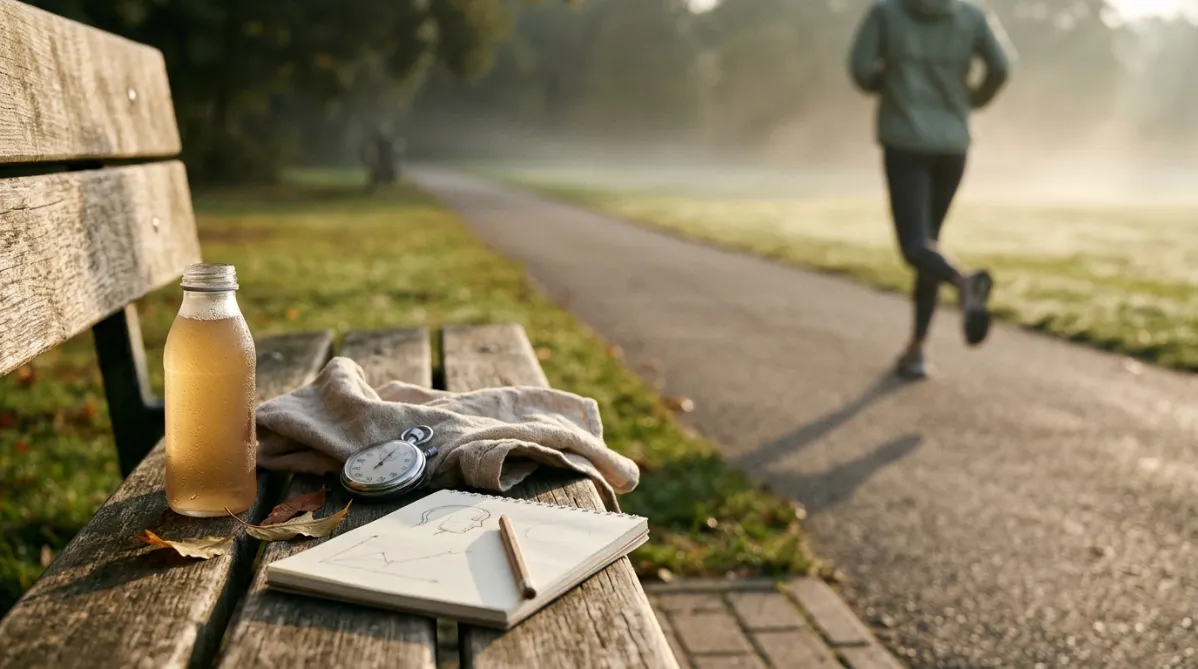
A wide, editorial-style photograph of a runner's morning ritual on a quiet paved path at the edge of a park, shot in soft golden-hour light with a shallow depth of field. In the foreground, a small frosted glass bottle of pale amber liquid sits on a weathered wooden bench, beside a sleek analog stopwatch and a folded linen towel. Condensation beads on the glass and catches warm sunlight. The background melts into a creamy blur of a lone runner in a muted sage-green jacket and charcoal tights, mid-stride, heading away along a tree-lined track, with soft mist hovering above the grass.

The color palette is calm and modern: warm honey and amber tones, soft sage green, off-white, and touches of deep navy in the shadows. Subtle film grain and gentle natural contrast give it a contemporary lifestyle-magazine feel. Long, delicate shadows stretch across the path.

On the bench, a small open notebook with a loose hand-drawn sketch of a head profile and a simple line graph sits next to a pencil, hinting at cognition and measurement without any text legible. A few fallen autumn leaves add texture. The composition follows the rule of thirds, with the bottle and stopwatch on the left third, negative space on the right for headline overlay, and the runner small in the distance to suggest that speed is not the story.

The mood is thoughtful, clean, and quietly intelligent, evoking wellness science journalism: minimal, airy, organic, and refined. No futuristic elements, no neon, no digital effects, just natural light, tactile materials, and a considered, understated aesthetic.
supplements

ケトンエステルはランナーのスピードを上げなかった ― しかし認知機能は向上

Dr. Gymbro · · 1 min read

ケトンエステルはランナーのスピードを上げなかった ― しかし認知機能は向上

抜粋:ケトンエステル飲料は走りを速くできると宣伝されているが、31日間の実験では5kmタイムは改善されなかった。一方、ストループ課題やタスクスイッチングでの反応速度が速まるなど、認知機能の向上が見られた。血糖は15%低下し、補給停止後も酸素摂取量(VO₂)が高めに保たれた。ただし、参加者はわずか18人という小規模・単盲検デザインである点に留意すべきである。

短くまとめると

  • アメリカ栄養学会誌(Journal of the American Nutrition Association)に掲載された研究(Prins, Koutnik ら、2026)は、レクリエーションランナーにケトンモノエステル(KME)を1日3回、1か月間投与した。
  • 5kmタイムトライアルの成績は変わらなかったが、2つの認知課題で反応が速くなり、血糖が15%低下、補給終了後でも段階的運動テストで酸素摂取量が高めに保たれた。
  • ただし、対象者が18人と非常に少なく、結果は慎重に解釈すべきである。

研究の概要

研究者はレクリエーションランナー18名を募集し、9名ずつの2群にランダムに割り付けた。1群は(R)-3-ヒドロキシブチル (R)-3-ヒドロキシブチレート、すなわちケトンモノエステル(KME)を1回30 g摂取させ、もう1群は等エネルギーで味を合わせたプラセボを同量摂取させた。両群とも31日間、1日3回投与を続けたため、KME群の総摂取量は90 g/日となった。

このデザインは単盲検で、参加者は自分が何を飲んでいるか分からなかったが、研究者は把握していたと推測される。主要アウトカムは5kmタイムトライアル、認知テスト、気分・生活の質、体組成、血圧、耐容性で、代謝と基質酸化は31日終了後の安静時および段階的運動中に測定した。ここがポイントで、ケトン曝露の継続的効果を見るための設定である。

発見 #1:5kmは速くならなかった

パフォーマンス志向のアスリートにとって最も注目すべきは「結果が出なかった」ことだ。高用量KMEを1か月間摂取しても、5kmタイムトライアルの結果は変わらなかった。血中ケトン体は期待通りに上昇し、摂取後のR‑β-ヒドロキシ酪酸(R‑BHB)は約3.0 mM(p < 0.001)になったが、走行速度の向上には結びつかなかった。

発見 #2:ストループとタスクスイッチのスコアが向上

KME群はストループ課題(不一致条件)で反応が速く(p = 0.015)、タスクスイッチング課題でも同様に速くなった(p = 0.038)。どちらも実行機能、すなわち自動的な反応を抑えてルールを切り替える能力を測る指標である。気分や生活の質の評価は変わらず、認知速度の向上が測定上でのみ確認された。

p値が0.05未満の結果が2つ得られたが、サンプル数が9名ずつと少ないため、決定的な証拠とは言い難い。

発見 #3:血糖が15%低下、VO₂が維持

KME摂取群では血糖が15%低下した(p < 0.001)。補給停止後も段階的運動テストで平均絶対VO₂が維持された(p = 0.029)。著者らは「投与終了後でも酸素摂取量が高い」ことを報告しているが、走行パフォーマンスの改善は伴わなかった。ストップウォッチに反映されない生理的変化を「パフォーマンス向上」と呼ぶのは難しい。

資金提供・利益相反・限界

抄録には資金提供や利益相反に関する記載がなく、著者は複数の学術機関とInstitute for Human and Machine Cognitionに所属している。ケトン研究は産業界との関係が深いことが多いため、全文の開示情報を確認すべきだ。

主な限界

  • サンプルが小さい:全体18名、各群9名。
  • 単盲検:研究者側のバイアスが入りやすい。ケトン飲料は特有の味があるため、ブラインドが完全でなかった可能性がある。
  • 対象はレクリエーションランナーのみ:エリート選手や他の集団への一般化はできない。
  • 多数のアウトカムに対して有意が少数:測定項目が多いと、偶然で有意なp値が出ることがある。
  • 耐容性はアウトカムに含まれるが結果は記載されていない:高用量がどれほど受容されたかは不明。

実務的なポイント

投与量:30 gを1日3回、計90 g/日を31日間。価格が高いため、月額コストはかなりの額になる。実際には「高額な投資」と言えるだろう。

タイミング:1日3回の投与は記載されているが、トレーニング前後の具体的なタイミングは示されていない。したがって、ラン前に摂取するのが標準プロトコルだったとは限らない。

興味を持つ可能性がある人:認知機能や代謝研究に関心がある人、初期段階の小規模エビデンスを受け入れられる人。走る速さを直接向上させる目的での使用は根拠がない。

避けるべき人

  • 5kmタイムを速くしたいランナー:本試験では時間短縮は見られなかった。
  • 予算が限られている人:1日90 gの費用は無視できない。
  • 血糖管理や血糖降下薬を使用している人:血糖が15%下がっているため、医師と相談すべき。
  • 妊娠中・持病がある人:高用量サプリは医師の許可が必要。

結論

この小規模試験は、ケトンエステルのマーケティングが描く単純な「走る速さ向上」ストーリーに対し、より複雑な実像を示している。ストップウォッチ上のタイムは変わらなかったものの、認知速度、血糖、補給後のVO₂は改善された。これらのシグナルは、規模が大きく二重盲検で、開示が徹底された研究で再検証されるべき仮説である。現時点で、1日90 gの習慣に投資する根拠は十分にない。
Original study

Read the original research on pubmed.ncbi.nlm.nih.gov →

This article summarizes published research for general information. It is not medical advice.

DG

Written by

Dr. Gymbro

Dr. Gymbro writes for Dr. Gymbro: science-backed fitness, nutrition & performance.

Related Articles

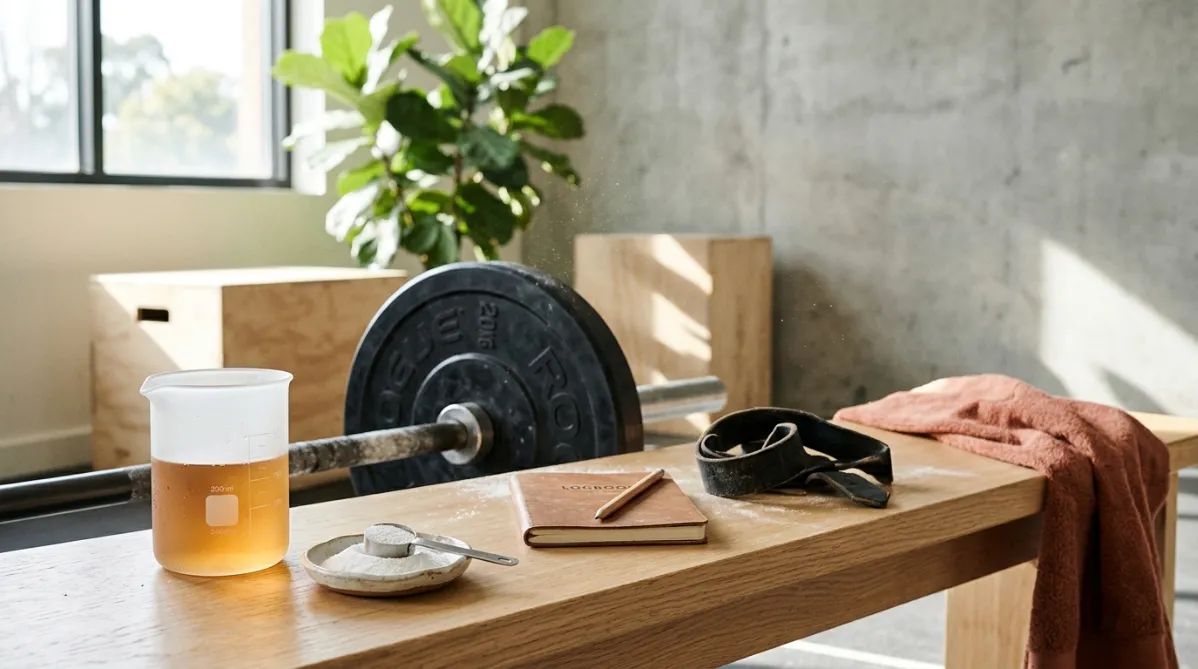
A wide, editorial-style still life shot from a slightly elevated three-quarter angle on a pale oak gym bench, lit by soft morning window light. In the foreground sits a minimalist matte-white glass beaker of clear, faintly amber liquid, with a few condensation droplets on its surface. Beside it rests a small ceramic dish of white crystalline powder and a stainless steel scoop. In the middle ground, a chalk-dusted steel barbell with black bumper plates rests on the bench's edge. A pair of worn leather lifting straps and a small notebook with a pencil lie nearby, suggesting data logging. Behind them, softly blurred, is a bright, airy studio with concrete walls, a wooden plyo box, and a tall leafy plant catching the light.

The palette is warm and muted: cream, sand, soft sage green, and charcoal, with one small accent of burnt orange in the amber liquid and a terracotta towel draped over the bench. Fine chalk dust floats in sunbeams that cut diagonally across the frame. The shallow depth of field keeps the beaker and barbell sharp while the background melts into creamy bokeh. Composition follows the rule of thirds, with the beaker on the left third and generous negative space on the right for headline text. The mood is calm, premium, and contemporary, like a high-end wellness and sports-science magazine photograph with subtle film grain, natural shadows, and realistic textures.
nutrition

ケトンで力の発揮速度が8%向上、ジャンプは変わらず

BY DR. GYMBRO ·

オハイオ州立大学の新研究によると、ケトン前駆体を50g摂取すると、摂取後1時間で力の発揮速度(RFD)が8%高い状態が維持されました。一方、カウンタームーブメントジャンプ(CMJ)には全く効果が見られませんでした。20名の活動的な男女を対象としたランダム化クロスオーバー試験では、血中ケトン濃度は120分で約2.2 mMに達し、血糖は24%低下、心拍数は13 bpm上昇しました。これらは繰り返し高強度トレーニングを行うリフティング愛好者にとって興味深い結果ですが、サンプル数が少ない急性試験であることに留意が必要です。

A wide, softly lit editorial still life photographed on a pale oak desk at the blue hour just before dawn. In the center-left foreground, a clear glass of water sits beside a small ceramic dish holding a mound of fine white powder, with a matte wooden scoop resting beside it, a light dusting of powder scattered across the wood grain. Behind them, a minimalist analog alarm clock in muted sage green reads close to 4:00. Next to it is an open linen-bound notebook with a pencil and a few abstract handwritten lines, plus a ceramic mug of black coffee with a thin trail of steam. To the right, a slim laptop is open to a blurred, softly glowing screen with no legible text. A window in the background shows a deep indigo sky turning peach at the horizon, with soft city silhouettes out of focus. Warm light from a small brass desk lamp creates a gentle pool of amber on the desk, contrasting with the cool blue ambient light from the window. The palette is muted and modern: dusty blue, warm cream, soft sage, and a touch of apricot. Shallow depth of field, fine film grain, and generous negative space on the right third for title overlay. The mood is calm, focused, and slightly weary but hopeful, like a contemporary health and science magazine cover. Clean composition, natural textures, subtle shadows, and a high-end lifestyle photography aesthetic.
nutrition

徹夜前にクレアチンは有効?低用量でも脳の機能低下を抑えられるか

BY DR. GYMBRO ·

大さじ1杯分のクレアチンで徹夜時のぼんやり感が和らぐとしたら?*Nutrients* に掲載された最新の研究では、体重1 kgあたり0.2 g(成人で約14〜16 g)の単回投与が、21時間覚醒中の論理・数値・言語速度・警戒タスクの低下を最大12 %改善したと報告されています。女性で効果が大きい傾向が見られましたが、参加者は29名のみで、投与量は通常よりはるかに高い高用量でした。データが示すことと示さないことを見ていきましょう。

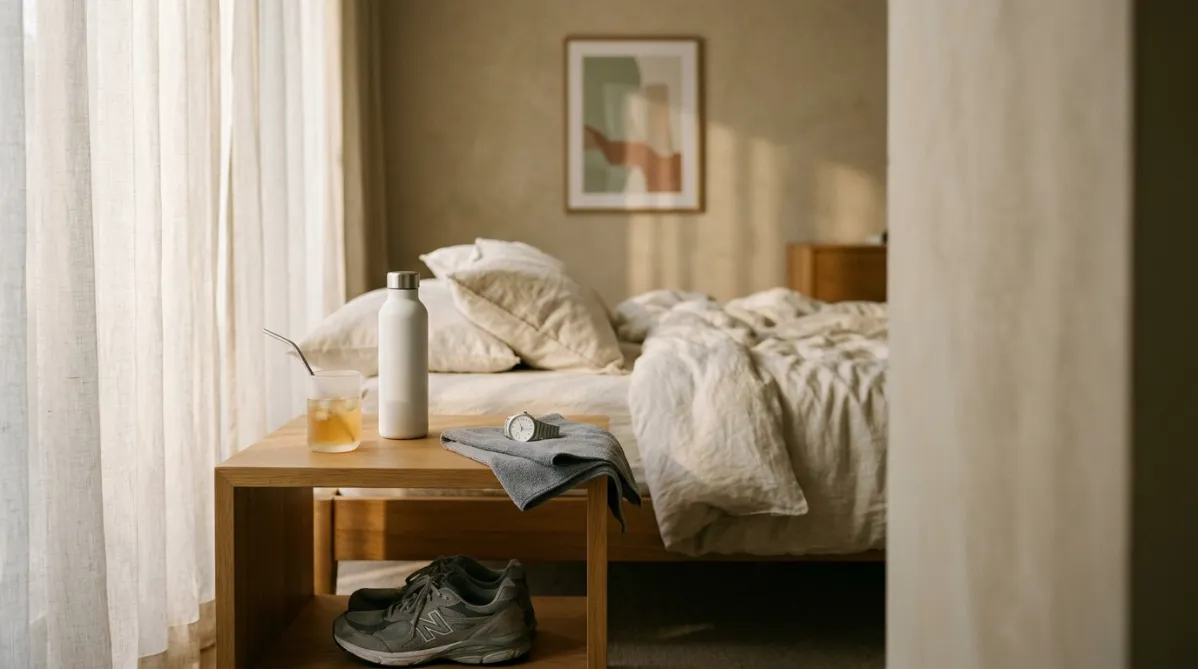
A calm, editorial-style landscape photograph of an athlete's bedroom at dawn, shot with soft natural light. In the foreground, a minimalist wooden bedside table holds a small frosted glass of pale amber drink beside a slim matte-white bottle with no label, a worn pair of running shoes tucked just beneath it. Soft morning light filters through sheer linen curtains, casting long, gentle gold and peach gradients across rumpled off-white bedding in the background, slightly out of focus. A folded gray training towel and a simple analog wristwatch rest on the table edge. On the wall above, a single abstract print in muted sage and terracotta tones adds a trendy, curated feel. The color palette is warm neutrals, oat, soft sage green, and dusty amber, with gentle shadows and a shallow depth of field. The composition uses generous negative space on the right third, ideal for headline overlay. The mood is quiet, restorative, and contemporary, like a lifestyle and wellness magazine cover. Fine film grain, natural textures of linen, oak, and glass, crisp but soft focus, high-end editorial photography.
recovery

ハードトレーニングが静かにREM睡眠を減少させ、ケトンドリンクがそれを防止

BY DR. GYMBRO ·

7週間にわたる段階的に負荷が上がるトレーニングは、コントロール飲料を摂取した訓練済みアスリートのREM睡眠を減少させましたが、ケトンエステル飲料を摂ったグループはむしろREMが増加しました。二重盲検試験では、睡眠開始・中間・終了時点でポリソムノグラフィーにより睡眠を測定しました。ケトンエステルは初期の睡眠向上をさらに促進せず、主観的な睡眠品質やストレス・回復スコアにも明確な改善は見られませんでした。以下に投与量、タイミング、対象者、注意点をまとめます。

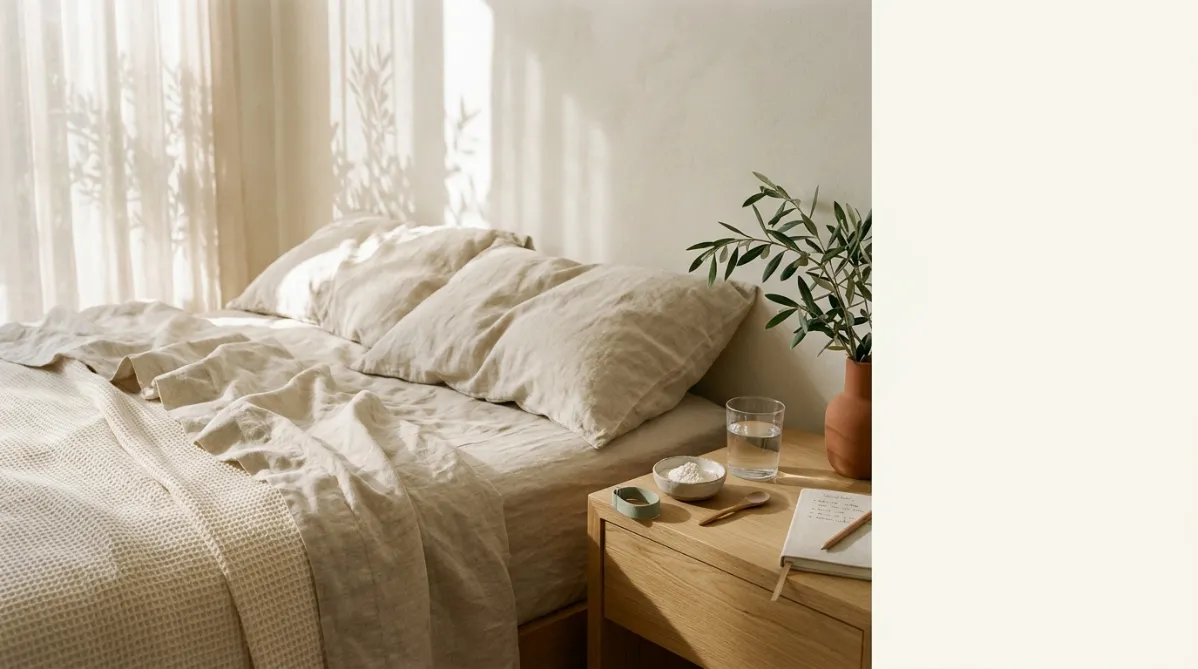
A calm, sunlit bedroom scene in soft editorial photography style, shot in landscape format. In the foreground, a rumpled bed with crisp oatmeal-colored linen sheets and a cream waffle-knit blanket, morning light spilling across it through sheer curtains. On a light oak nightstand sits a clear glass of water beside a small ceramic bowl holding a loose scoop of fine white powder, a wooden spoon resting next to it. A minimalist fabric wristband in muted sage green lies casually on the nightstand, suggesting sleep tracking without any screens or glowing displays. A slim open notebook with a pencil rests beside it, hinting at research and reflection. A potted olive branch in a terracotta vase adds an organic touch. The wall behind is warm off-white plaster with soft, gently shifting shadows of leaves. Color palette: warm sand, muted sage, soft blush, creamy white, and touches of terracotta. The mood is quiet, restorative, and thoughtful, like a modern wellness journal feature. Shallow depth of field, a soft film-like grain, natural diffused light, and generous negative space on the right side of the frame for title overlay. The composition is balanced and uncluttered, with a gentle golden-hour glow. The style is contemporary lifestyle editorial, tactile and understated, with no text, no people's faces, and no futuristic elements.
science research

クレアチンは閉経前後の脳を速くしなかった。睡眠は別の話

BY DR. GYMBRO ·

クレアチンが閉経前後の女性の認知機能を高めると期待されたものの、主要な思考速度テストではプラセボと差が見られませんでした。その代わり、前頭前野の酸素化が上昇し、6 週間目には睡眠の一貫性が 7.4 ポイント向上、温度感受性の日数が減少しました。全参加者がストループ課題で反応速度の向上を示しましたが、これはトレーニング効果と考えられます。研究デザイン、投与量、制限事項、利益相反についても詳細が示されているので、結果の重みはご自身で判断してください。

This page is available in