Dr. Gymbro
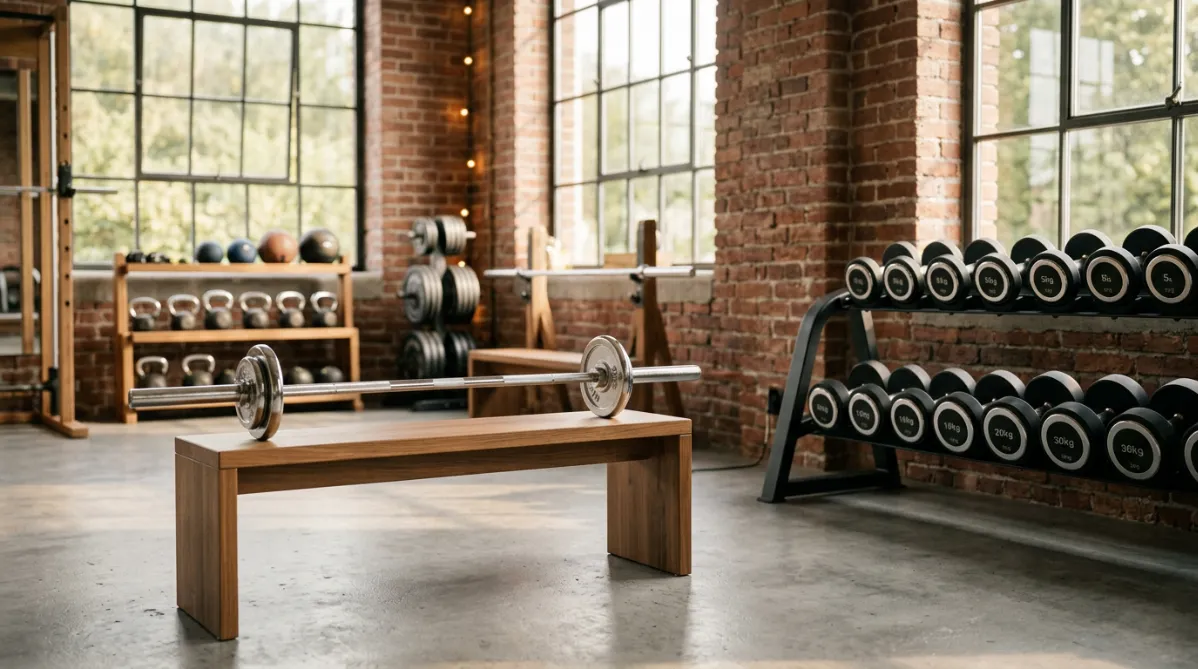
A sleek, modern gym interior with warm natural lighting streaming through large windows, featuring a minimalist weight training area with polished concrete floors and exposed brick walls. In the foreground, a single chrome barbell rests on a clean wooden bench, with perfectly organized dumbbells arranged on a contemporary rack in soft focus behind it. The scene captures a peaceful, contemplative moment with subtle shadows creating depth and visual interest. The color palette consists of warm grays, natural wood tones, and soft whites, with subtle amber lighting that creates an inviting, professional atmosphere perfect for serious training.
Dr. Gymbro ·

느린 반복이 근육을 더 많이 만들까? 혁신적인 메타분석이 템포 트레이닝의 진실을 밝히다

템포 논쟁의 변천: 과학이 마침내 답을 내놓다

수십 년 동안 피트니스 업계는 "느리고 제어된 반복이 빠른 움직임보다 근육을 더 많이 만들까?"라는 핵심 질문에 갈라져 왔습니다. 이 질문은 모든 리프터의 프로그램 설계에 큰 영향을 미쳤지만, 기존 연구들은 서로 상충되는 결과를 보여주었습니다. 최근 International Journal of Environmental Research and Public Health에 실린 획기적인 체계적 검토와 메타분석이 마침내 포괄적인 해답을 제시했습니다.

이 연구는 마드리드 공과대학(Universidad Politécnica de Madrid)과 UCAM 가톨릭 대학교 산 안토니오(UCAM Catholic University San Antonio)의 공동 연구팀이 진행했으며, 저항 트레이닝 변수와 근육 비대 간의 관계를 가장 철저히 조사한 사례라 할 수 있습니다. 건강한 성인 남성을 대상으로 한 다수의 임상시험 데이터를 분석해 템포, 볼륨, 강도 등 주요 변수가 근육 성장에 미치는 영향을 정량화했습니다.

근육 성장 메커니즘 이해하기

템포 트레이닝에 들어가기 전에 근육 비대가 어떻게 일어나는지 먼저 알아야 합니다. 근육은 기계적 긴장, 대사 스트레스, 근섬유 손상이라는 세 가지 요인이 복합적으로 작용해 성장합니다. 저항 운동을 하면 근섬유에 미세한 파열이 생기고, 회복 과정에서 더 크고 강한 근육으로 재구성됩니다.

반복 템포는 이 세 가지 메커니즘 모두에 영향을 미칩니다. 특히 느린 반복은 **시간당 긴장(Time Under Tension, TUT)**을 늘려 근육이 하중을 받는 총 시간을 증가시킵니다. 연장된 TUT는 기계적 자극을 강화하고, 근육 내 대사 스트레스를 높여 성장 신호를 증폭시킨다고 이론화됩니다.

템포별 생리학적 반응

  • 느린 반복: TUT가 길어지면 특히 성장 잠재력이 큰 Type II 섬유의 활성화가 촉진됩니다. 또한 관성(momentum)이 감소해 근육이 실제 무게를 움직이는 작업을 더 많이 담당하게 됩니다.
  • 대사 스트레스: 느린 움직임은 근육에 지속적인 긴장을 주어 혈류를 제한하고 저산소 환경을 조성합니다. 이런 상황은 성장 인자와 호르몬의 분비를 늘려 근단백질 합성을 촉진합니다.

메타분석: 방법론 및 범위

연구팀은 무작위 대조시험(RCT) 중 DEXA, MRI, 초음파 등 검증된 방법으로 전신 근육량을 측정한 연구만을 엄격히 선택했습니다. 성별에 따른 차이를 없애기 위해 건강한 성인 남성만을 대상으로 하였으며, 총 수십 건의 임상시험을 포함했습니다.

분석된 주요 변수

  • 훈련 볼륨(주당 근육군 별 세트 수)
  • 훈련 강도(1RM 대비 퍼센트)
  • 훈련 빈도(주당 세션 수)
  • 세트 간 휴식 시간
  • 운동 선택(복합 vs. 고립 동작)
  • 훈련 기간(연구 개입 기간)

이러한 포괄적인 접근은 템포의 순수 효과를 다른 변수와 명확히 구분하게 해줍니다.

템포 트레이닝: 핵심 결과

최적 템포 범위

분석 결과는 **중간 템포(반복당 2~4초)**가 매우 느린(≥6초) 혹은 매우 빠른(≤1초) 템포보다 근육 성장에 더 효과적임을 보여줍니다. 이는 TUT를 충분히 늘리면서도 피로가 과도하게 누적되지 않는 "sweet spot"이 존재한다는 의미입니다.

특히 구심·離心 단계를 모두 포함해 2~6초가 걸리는 반복이 가장 큰 근육 형성 잠재력을 가지고 있었습니다.

볼륨‑템포 상호작용

가장 눈에 띄는 발견은 템포와 훈련 볼륨 간의 상호작용입니다. 느린 반복은 TUT를 늘리지만 피로가 빨리 쌓여 전체 볼륨이 감소하는 경향이 있습니다. 메타분석에서는 볼륨이 근육 성장의 가장 강력한 예측 변수임을 확인했습니다.

예를 들어, 6초 이상 지속되는 매우 느린 템포는 세트와 반복 수를 크게 줄여 주당 자극 자체를 제한합니다. 반면 중간 템포는 충분한 TUT를 유지하면서도 높은 볼륨을 유지할 수 있어 성장에 유리했습니다.

훈련 볼륨의 핵심 역할

최적 볼륨 정의

데이터에 따르면 근육군당 주 12~20세트가 대부분의 사람에게 최적의 근육 성장을 가져옵니다. 이는 최근 연구에서 제시된 "근육은 생각보다 높은 볼륨에 적응한다"는 주장과 일치합니다.

하지만 볼륨과 비대의 관계가 무한히 선형적인 것은 아닙니다. 주당 20세트를 초과하면 성장 효율이 감소하고 과훈련 위험이 높아집니다.

주간 볼륨 배분

볼륨을 한두 번의 긴 세션에 몰아넣기보다 주 3~6회에 나누어 수행하는 것이 더 효과적이었습니다. 이는 훈련 빈도가 근단백질 합성을 최적화한다는 기존 이론을 뒷받침합니다.

강도 선택: 최적 구간 찾기

65~85% 1RM 구역

훈련 강도가 **1RM의 65~85%**일 때 근육 성장에 가장 효율적이었습니다. 이 구간은 충분한 기계적 긴장을 제공하면서도 볼륨을 유지할 수 있게 해줍니다. 고강도(>85%) 혹은 저강도(<65%) 파벌 모두 이 구역에 비해 효율이 낮았습니다.

점진적 과부하의 중요성

강도와 무관하게 **점진적 과부하(progressive overload)**가 핵심임을 강조했습니다. 체계적으로 중량을 증가시킨 연구는 그렇지 않은 연구보다 현저히 높은 근육 성장을 보였습니다.

휴식 시간: 간과되던 변수

최적 휴식 길이

세트 간 2~5분의 휴식이 짧은(2분 미만) 혹은 긴(5분 이상) 휴식보다 근육 성장에 더 유리했습니다. 이 시간은 인산크레아틴을 충분히 회복시키면서 훈련 효율과 근단백질 합성 신호를 유지합니다.

템포와의 상호작용

느린 반복으로 대사 스트레스가 크게 증가할 경우 3~4분 정도의 약간 긴 휴식이 도움이 되었습니다. 반면 중간 템포에서는 2~3분의 짧은 휴식으로도 충분했습니다.

운동 선택: 복합 vs. 고립

복합 동작의 우월성

스쿼트, 데드리프트, 벤치프레스, 로우와 같은 다관절(복합) 운동은 고립 운동보다 전체 근육량 증가 효과가 현저히 높았습니다. 복합 운동은 여러 근육군을 동시에 자극하고 더 큰 중량을 사용할 수 있기 때문입니다.

고립 운동의 역할

복합 운동이 프로그램의 기본이라면, 고립 운동은 특정 근육군을 보강하는 보조 역할을 합니다. 메타분석에서 가장 효과적인 프로그램은 복합 동작에 고립 작업을 적절히 결합한 형태였습니다.

훈련 빈도: 얼마나 자주 트레이닝 할까?

최적 훈련 빈도

각 근육군을 주 2~3회 트레이닝하는 것이 주 1회보다 효과가 뛰어났습니다. 이는 근단백질 합성을 자주 자극하면서도 충분한 회복 시간을 확보한다는 개념을 뒷받침합니다.

전신 vs. 분할 트레이닝

주 3회 전신 트레이닝과 주 4~6회 상하 분할 프로그램 모두 우수한 결과를 보였지만, 전통적인 주 1회 분할은 빈도가 높은 접근법에 비해 일관되게 저조했습니다.

실전 적용: 연구 결과를 프로그램에 반영하기

샘플 프로그램 구조

  • 훈련 빈도: 주 3‑4회
  • 볼륨: 근육군당 주 12‑16세트
  • 강도: 1RM의 70‑80%
  • 템포: 한 반복당 2‑4초
  • 휴식 시간: 세트당 2‑4분
  • 진보: 1‑2주마다 중량을 체계적으로 증가

운동 선택 전략

  1. 기본: 스쿼트, 데드리프트, 프레스, 로우 등 복합 동작 중심으로 구성
  2. 보충: 목표 근육군을 위한 고립 운동 추가
  3. 다양성: 4‑6주마다 운동을 교체해 적응 정체 방지

개인 차와 고려사항

유전적 요인

근섬유 유형, 호르몬 감수성, 회복 능력 등 유전적 차이가 최적 훈련 접근법을 다르게 만든다.

훈련 경험

초보자는 낮은 볼륨·빈도로도 충분한 효과를 볼 수 있지만, 고급자는 지속적인 성장 위해 더 높은 자극이 필요하다.

연령

고령자는 약간 더 긴 휴식과 보수적인 진보가 필요하고, 젊은 층은 높은 볼륨·빈도를 보다 쉽게 소화한다.

한계와 향후 연구 방향

  • 연구 기간: 대부분 8‑12주로 장기 적응이나 주기화 프로그램의 영향을 충분히 포착하지 못함.
  • 대상 특성: 건강한 성인 남성만을 포함했기 때문에 여성·고령자·질환군에 대한 일반화는 제한적.
  • 측정 방법: DXA, MRI, 초음파 등 다양한 방법이 사용돼 측정 변동성이 존재.

결론: 근거 기반 트레이닝

메타분석은 중간 템포(2‑4초), 충분한 볼륨(근육군당 주 12‑20세트), 강도 65‑85% 1RM, 세트 간 2‑5분 휴식이 건강한 성인 남성의 근육 성장에 최적임을 강력히 뒷받침한다. 특히 훈련 볼륨이 근육 비대의 가장 중요한 변수이며, 템포는 보조적인 고려사항에 불과하다는 점을 강조한다. 따라서 리프터는 완벽한 반복 타이밍에 집착하기보다 주당 충분한 볼륨 확보에 초점을 맞춰야 한다.

마무리: 증거 기반 트레이닝의 새로운 시대

이번 메타분석은 저항 트레이닝에 대한 우리의 인식을 크게 바꾸었다. 다수의 고품질 연구 데이터를 종합해 실천 가능한 가이드라인을 제시함으로써 프로그램 설계 방식을 혁신할 수 있다. 핵심 메시지는 다음과 같다: 볼륨·강도·빈도가 템포보다 우선이며, 느린 제어된 반복이 유용하긴 하지만 극도로 느린 템포에 집착하는 것은 현재 증거에 비추어볼 때 잘못된 방향이다.

근육 성장을 극대화하고 싶은 리프터라면, 복합 동작을 중심으로 점진적인 볼륨 축적에 주력하고, 중간 템포를 유지하며, 세션 간 충분한 회복을 확보하라. 이러한 근거 기반 접근법이 가장 과학적인 근육 성장 전략이다.
Related Articles

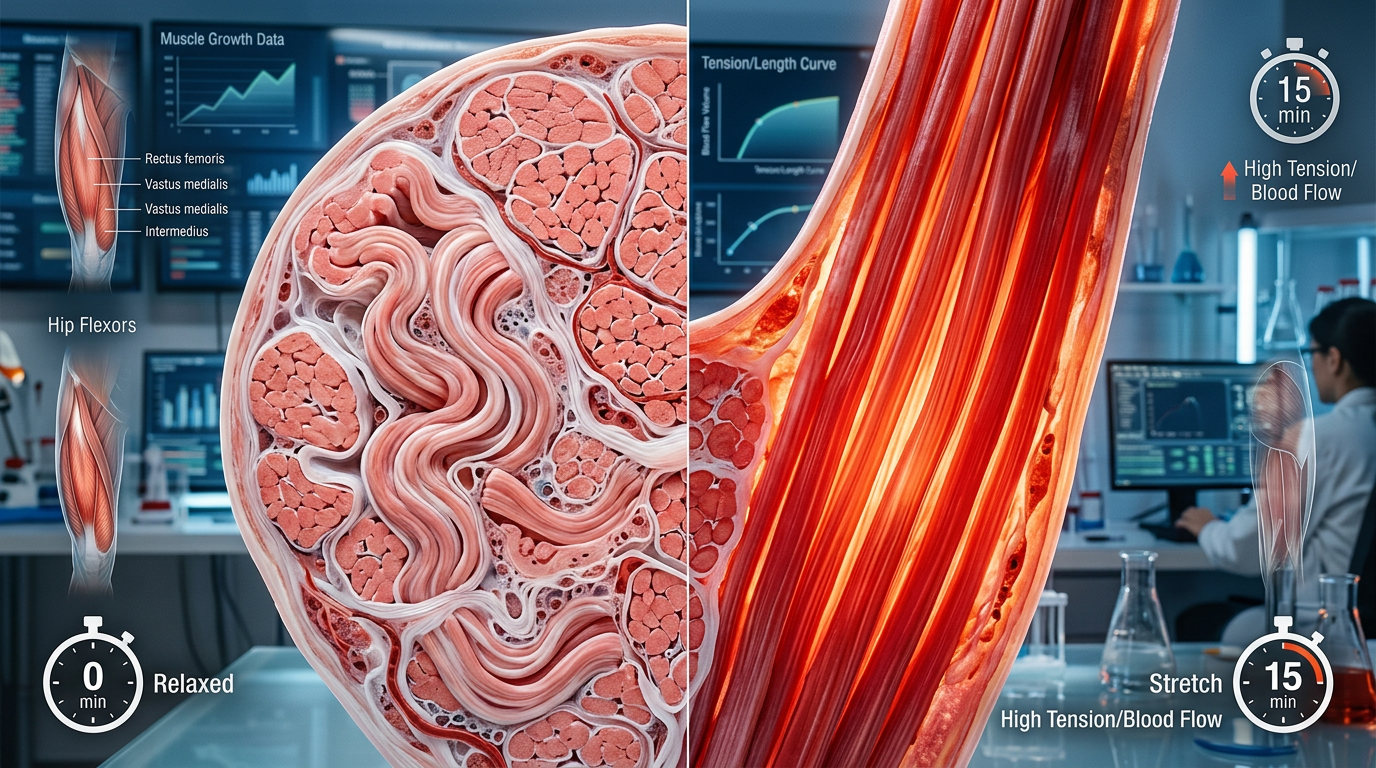
A split-screen composition showing the transformation of muscle fibers during stretching. On the left, a detailed cross-section view of relaxed muscle tissue with loose, wavy fibers in soft pink and white tones. On the right, the same muscle tissue during an intense stretch, with fibers elongated and aligned, glowing with increased blood flow in vibrant reds and oranges. The background features a modern research laboratory setting with charts and graphs displaying muscle growth data. Overlaying the image are subtle anatomical illustrations of the quadriceps muscle group and hip flexors. The lighting is clinical yet warm, with blue-white laboratory lighting contrasting against the organic warm tones of the muscle tissue. Small visual elements like stopwatch icons showing "15 min" and strength measurement indicators add scientific context to the transformative muscle-building process.
general

Stretching Your Way to Muscle Growth: New Study Reveals How 15-Minute Sessions Build Strength

BY DR. GYMBRO ·

A revolutionary study from the University of Graz has demonstrated that just 15 minutes of high-intensity stretching, performed three times per week, can produce significant muscle growth and strength gains in the quadriceps. The research challenges traditional training paradigms by showing that supervised hip flexor stretching not only increased muscle thickness but also improved isometric strength and dynamic balance performance. This breakthrough offers new hope for individuals who cannot participate in conventional resistance training due to injury or equipment limitations.

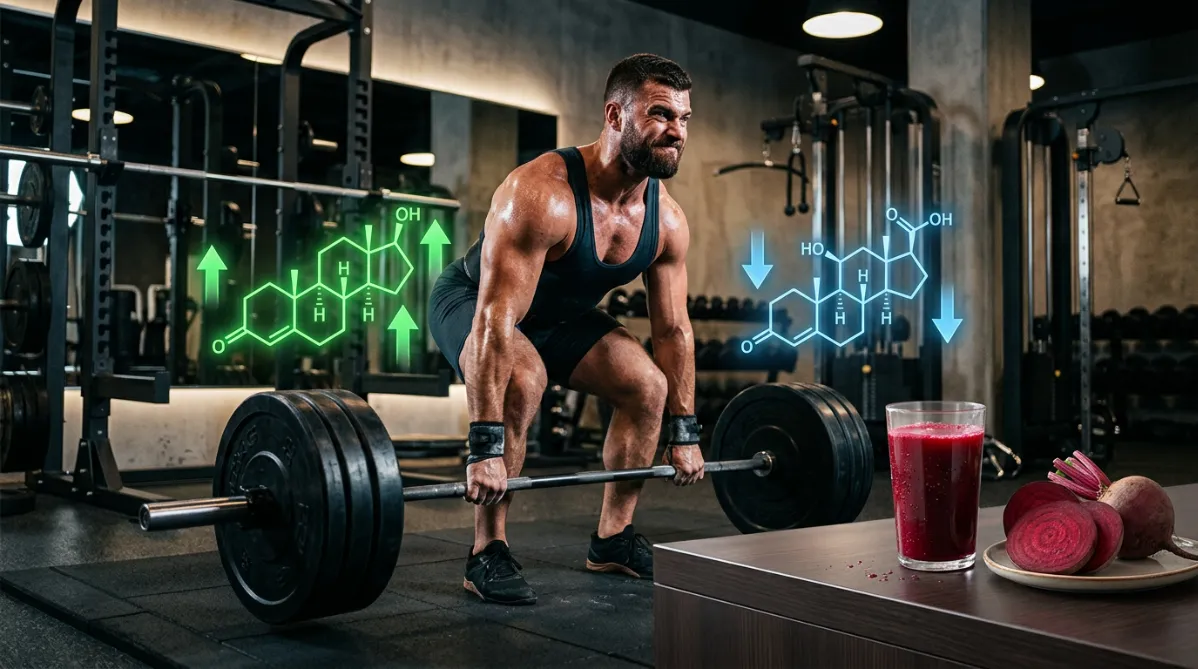
A muscular athlete in a modern gym performing a powerful deadlift, with intense focus and determination on their face. Sweat glistens on their skin as they grip a loaded barbell. In the foreground, a glass of deep red beet juice sits on a sleek counter, with fresh beetroot slices arranged nearby. The background features state-of-the-art gym equipment with soft lighting creating dramatic shadows. Overlaid translucent graphics show testosterone and cortisol molecular structures floating in the air, with upward arrows for testosterone (in vibrant green) and downward arrows for cortisol (in calming blue). The overall color palette combines deep reds from the beets, metallic grays from the gym equipment, and energetic greens and blues from the hormone visualizations, creating a scientific yet powerful atmosphere that represents the intersection of nutrition science and athletic performance.
general

The Science-Backed Secret to Maximizing Testosterone and Crushing Cortisol: How Betaine Transforms Your Training Hormones

BY DR. GYMBRO ·

Recent research reveals that betaine supplementation can significantly boost testosterone levels while reducing cortisol response in strength athletes, creating an optimal hormonal environment for muscle growth and recovery. This naturally occurring compound, found in beets and other foods, works through multiple pathways to enhance the anabolic hormone profile that drives training adaptations. With just 2.5 grams daily, athletes are experiencing measurable improvements in strength, body composition, and recovery that stem from betaine's unique ability to simultaneously elevate testosterone and moderate cortisol elevation following intense training sessions.

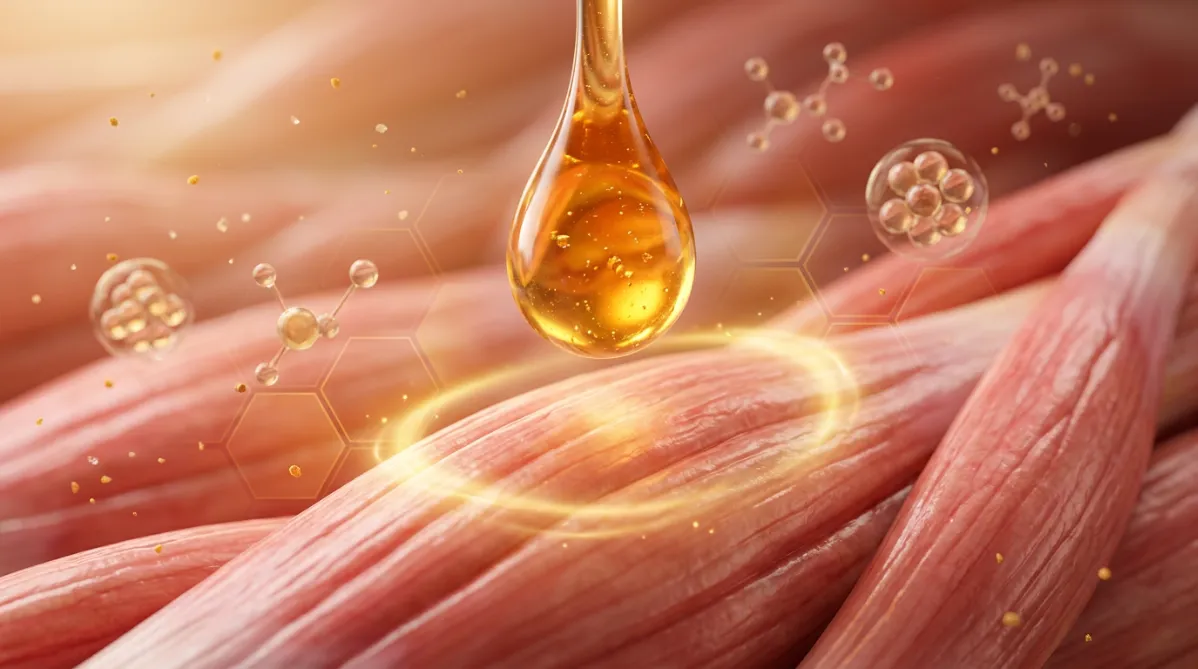
A close-up, golden honey drop suspended mid-air, crystalline and luminous, falling toward a background of defined human muscle fibers rendered in anatomical detail. The muscle tissue glows with a subtle protective golden aura where the honey makes contact. In the background, abstract representations of antioxidant molecules and anti-inflammatory compounds float like microscopic shields around the muscle strands. The scene has a scientific yet warm aesthetic, with honeycomb hexagonal patterns subtly integrated into the composition. Soft, amber lighting bathes the entire image, creating depth and highlighting the honey's natural transparency and the muscle's healthy pink-red tones. Small particles of pollen and natural honey crystals drift through the frame, emphasizing the organic nature of this protective relationship between honey and muscle tissue.
general

Revolutionary Study Reveals How Honey Protects Muscles During Overtraining

BY DR. GYMBRO ·

A groundbreaking Iranian study reveals that honey supplementation can protect muscles from breakdown during overtraining, offering athletes a natural solution to one of sports' most persistent problems. This research demonstrates how honey's unique blend of antioxidants, anti-inflammatory compounds, and specialized carbohydrates creates a protective barrier against exercise-induced muscle damage. The findings suggest that this simple, accessible intervention could revolutionize recovery protocols for everyone from elite athletes to weekend warriors. As overtraining syndrome affects up to 60% of athletes at some point in their careers, honey emerges as an unexpected ally in the pursuit of optimal performance and muscle preservation.

This page is available in