Dr. Gymbro
A wide landscape editorial photograph of a sunlit minimalist gym corner with warm, natural morning light streaming through tall windows. In the foreground on a light oak wooden bench sits a small matte ceramic dish holding a few translucent amber softgel capsules, next to a brushed steel shaker bottle and a folded charcoal gray towel. The capsules catch the light with a soft golden glow, shallow depth of field blurring them slightly against the background.

In the softly blurred midground, a barbell loaded with black plates rests on a squat rack, with chalk dust lightly floating in the sunbeams. The walls are textured off-white plaster, and the floor is pale polished concrete. A potted green plant adds a touch of organic color near the window.

Laid casually beside the dish is an open notebook with a clean, hand-drawn bar chart in black ink: two bars of slightly different heights, one marked with a small question mark, suggesting uncertainty and interpretation. A slim pencil rests across the page. No readable text beyond simple marks.

The color palette is muted and modern: cream, warm beige, soft amber, charcoal, and sage green accents. The composition follows the rule of thirds, with the capsules and notebook in the lower left third and open negative space toward the upper right, ideal for headline overlay. Soft shadows, subtle film grain, and a calm, contemplative mood reminiscent of a contemporary health and science magazine. Shot as if with a 50mm lens at f/2.0, high-end lifestyle editorial aesthetic, clean and trendy, with no futuristic or sci-fi elements.
Science & Research

750 mg di PA aumentano la massa magra del 2,6 % in 8 settimane – ma c’è un aggancio

Dr. Gymbro · · 4 min read

Il dato che ha catturato l'attenzione di tutti

In uno studio pilota di otto settimane, uomini allenati che hanno assunto acido fosfatidico (PA) hanno guadagnato il 2,6 % di massa corporea magra. Il gruppo placebo ha registrato solo lo 0,1 %. È proprio questo divario a spingere molti produttori di pre‑workout e gli utenti dei forum a proporre il PA come “booster” muscolare.

Tuttavia, le statistiche fornite dallo studio non supportano il dato sensazionale nel modo in cui il marketing degli integratori vorrebbe. Di seguito, cosa ha effettivamente scoperto la ricerca e cosa non è emerso.

Cos’è l’acido fosfatidico e perché dovrebbe favorire la crescita muscolare?

L’acido fosfatidico è un fosfolipide che funge da molecola di segnalazione all’interno delle cellule. La logica dietro la sua integrazione si basa sul percorso mTOR (mammalian target of rapamycin), un “interruttore” centrale per la sintesi proteica muscolare. Alcuni studi hanno mostrato che il PA può attivare la segnalazione mTOR, perciò i ricercatori hanno ipotizzato che assumerlo per via orale potesse amplificare la risposta anabolica all’allenamento di resistenza.

Si tratta di un meccanismo plausibile, non di un risultato già provato nell’uomo. Hoffman e colleghi hanno quindi ideato questo studio per verificare se l’ipotesi reggeva in soggetti realmente impegnati nel sollevamento pesi.

Come è stato organizzato lo studio: chi, cosa, quanto tempo

Lo studio del 2012, pubblicato sul Journal of the International Society of Sports Nutrition, è etichettato esplicitamente come studio pilota. I dettagli:

  • Partecipanti: 16 uomini allenati alla resistenza, età media ≈ 23 anni
  • Gruppo PA: 7 soggetti che hanno assunto 750 mg di PA al giorno
  • Gruppo placebo: 9 soggetti
  • Allenamento: programma di resistenza 4 giorni a settimana per 8 settimane
  • Misure: 1‑RM su panca e squat, composizione corporea, spessore muscolare e angolo di pennazione del vasto laterale

La dose di 750 mg al giorno è il dato da ricordare: è la “dose tipica” citata nella maggior parte dei prodotti a base di PA.

I risultati: guadagni più alti sulla carta

A prima vista, il gruppo PA sembra in vantaggio:

  • Squat 1‑RM: +12,7 % con PA vs. +9,3 % con placebo
  • Massa corporea magra: +2,6 % con PA vs. +0,1 % con placebo

Entrambi i gruppi sono diventati più forti, come ci si aspetta dopo otto settimane di allenamento strutturato. La differenza sta nella quantità extra che il gruppo PA sembrerebbe aver guadagnato, soprattutto in termini di massa magra.

L’aggancio: nessuna differenza statisticamente significativa

Gli autori dichiarano che l’analisi parametrica non ha evidenziato differenze significative tra i gruppi. Con i criteri convenzionali, lo studio non dimostra che il PA superi il placebo.

Tuttavia, i ricercatori hanno anche valutato le inferenze basate sulla magnitudine dell’effetto (MEC, Magnitude‑Based Inference), un approccio che stima la probabilità che un effetto sia realmente rilevante. Con questo metodo:

  • I guadagni di forza nello squat sono risultati "probabili" per il PA
  • L’incremento di massa magra è risultato "molto probabile"

Le inferenze basate sulla magnitudine sono più permissive dei tradizionali test di significatività e hanno suscitato critiche nella comunità delle scienze sportive. Vengono spesso usate in studi con campioni piccoli, dove i test standard mancano di potenza. Esse possono segnalare effetti promettenti, ma non equivalgono a una conferma definitiva.

Limiti da tenere a mente

Ecco perché è fondamentale una lettura critica:

  • Campione ridotto: 7 vs. 9 partecipanti. Alcuni outlier possono influenzare notevolmente le medie di gruppo.
  • Nessuna differenza significativa con l’analisi statistica tradizionale.
  • Durata breve: 8 settimane non bastano a trarre conclusioni a lungo termine.
  • Popolazione ristretta: uomini giovani e allenati. I risultati potrebbero non valere per donne, adulti più anziani o principianti.
  • Design pilota: gli autori lo presentano come studio preliminare, generatore di ipotesi più che verificatore definitivo.
  • Variabilità di base: con gruppi così piccoli, la composizione corporea iniziale e la risposta all’allenamento possono variare molto tra individui.

Cosa possiamo trarre di pratico

Se sei curioso del PA, ecco cosa sostiene realmente questo studio:

  1. Dose: 750 mg al giorno, assunti quotidianamente insieme all’allenamento. Non ci sono evidenze che dosi più elevate siano più efficaci.
  2. Tempismo: l’abstract indica un’assunzione giornaliera ma non specifica il momento rispetto all’allenamento. Consulta il testo completo prima di affermare che sia un protocollo pre‑ o post‑allenamento basato su evidenze.
  3. L’allenamento è fondamentale: entrambi i gruppi si sono allenati quattro giorni a settimana e sono migliorati. L’integratore è stato un’aggiunta a un programma solido, non un sostituto.
  4. Aspettati effetti modesti e incerti: al meglio, lo studio suggerisce un possibile vantaggio in massa magra e nella forza degli arti inferiori. Non è una garanzia.
  5. Non trascurare le basi: apporto proteico, calorie totali, sovraccarico progressivo e sonno forniranno risultati molto più consistenti di qualsiasi singolo integratore.

In sintesi

Lo studio fornisce al PA una base ragionevole: un meccanismo plausibile, una dose praticabile e trend favorevoli in forza allo squat e in massa magra. Tuttavia, con soli 16 soggetti, nessuna significatività statistica convenzionale e una durata di otto settimane, si tratta di uno studio pilota, non di una prova definitiva. Se decidi di provare il PA, consideralo un esperimento, monitora i tuoi progressi e mantieni le aspettative realistiche. Solo studi più ampi, più lunghi e replicati in modo indipendente potranno trasformare un segnale promettente in un risultato consolidato.
Original study

Read the original research on pubmed.ncbi.nlm.nih.gov →

This article summarizes published research for general information. It is not medical advice.

DG

Written by

Dr. Gymbro

Dr. Gymbro writes for Dr. Gymbro: science-backed fitness, nutrition & performance.

Related Articles

A wide editorial still life on a pale, warm-gray stone surface lit by soft morning window light from the left. In the foreground, a rustic ceramic bowl in matte oatmeal glaze holds dried ashwagandha roots, pale tan and gnarled, with a few scattered beside it. A small wooden scoop dusted with fine golden-beige powder rests next to the bowl. Behind them, a few olive-green ashwagandha sprigs with small orange-red berries in papery husks arc across the frame, adding a quiet pop of color.

Midground right: a matte black chalk-dusted dumbbell handle and a single brushed-steel weight plate lean casually against a linen-textured backdrop in muted sage. A folded cream cotton towel and a slim notebook with a pencil suggest a training log. The notebook is open to blank, softly lined pages with no legible text.

The background fades into a gentle blur of neutral beige and soft terracotta tones, with a hint of a plant shadow cast across the wall in dappled light. Fine dust and powder particles float in the light beams, giving a tactile, organic feel.

The composition follows the rule of thirds: botanical elements on the left and center, gym elements on the right, and negative space in the upper right for headline overlay. Shallow depth of field, crisp focus on the roots and powder, creamy bokeh behind. Color palette: sage green, warm sand, terracotta, charcoal black, and a touch of burnt orange. The mood is calm, modern, and trustworthy, like a premium wellness and science magazine. Photographed on a 50mm lens, natural grain, subtle film-like contrast, clean minimalist styling, high-end editorial photography.
nutrition

L’erba antica che ha superato il placebo in una prova di sollevamento di 8 settimane: forza, massa muscolare e testosterone

BY DR. GYMBRO ·

Potrebbe una radice ayurvedica secolare battere davvero un placebo? In una prova randomizzata di 8 settimane su 57 principianti, gli uomini che hanno assunto 300 mg di estratto di ashwagandha due volte al giorno hanno migliorato la panca, aumentato le misure di braccio e petto e registrato un più marcato incremento del testosterone rispetto al gruppo placebo, perdendo anche più grasso corporeo. Lo studio, però, è piccolo, di breve durata e limitato a uomini alle prime armi. Ecco i dati, il dosaggio, chi potrebbe trarne beneficio e perché è bene restare scettici.

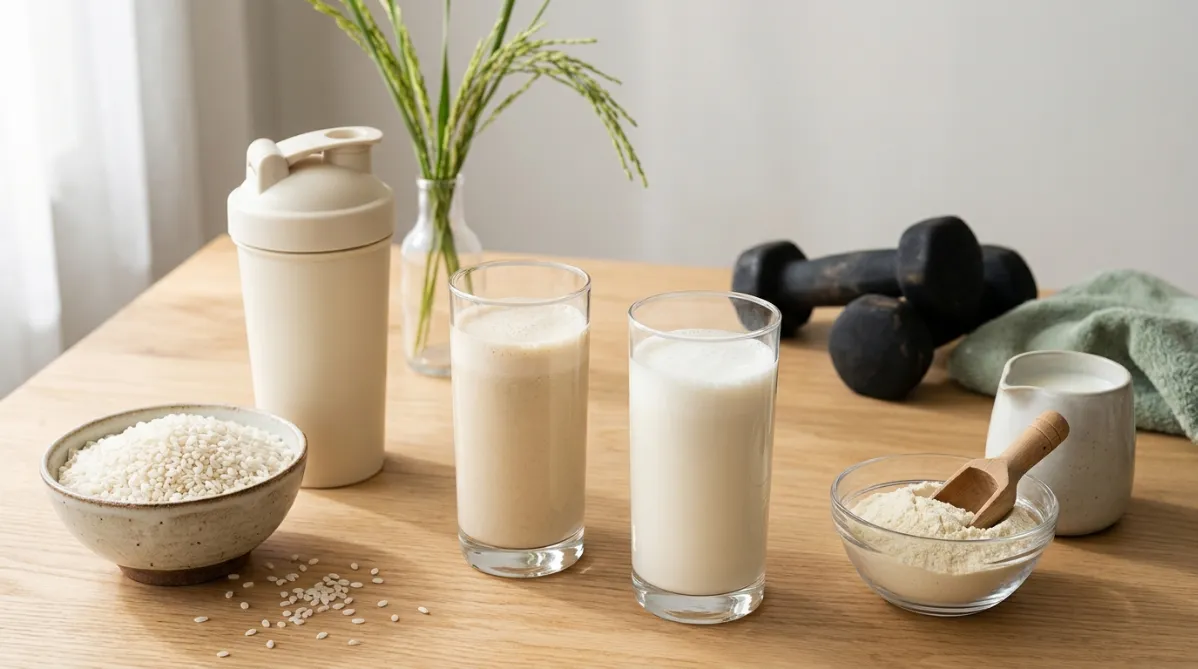
A bright, minimalist editorial still life on a pale oak table, shot from a slightly elevated three-quarter angle in soft natural window light. On the left sits a rustic ceramic bowl of uncooked short-grain white rice, with a few grains scattered across the wood. Beside it is a matte cream-colored shaker bottle. On the right is a small glass bowl of fine ivory whey powder with a wooden scoop resting in it, and a small pitcher of milk behind it. Two identical tall glasses of creamy, lightly frothed shake stand side by side in the center, one a touch warmer beige and the other a soft white. They suggest equal outcomes without any text or labels. A pair of worn black neoprene-coated dumbbells and a folded sage-green gym towel sit slightly out of focus in the background. A sprig of green rice stalks in a slim vase adds a fresh, natural accent.

The palette is warm neutrals: cream, oatmeal, soft sage, and muted terracotta, with gentle shadows and a shallow depth of field. The surface has subtle grain, and fine powder dust is caught in the light. The composition is clean and balanced, with generous negative space on the upper right for a headline overlay. The mood is calm, modern, and health-forward, like a contemporary nutrition magazine or wellness journal. Photorealistic, crisp detail, creamy bokeh, and a gentle matte film-like finish.
nutrition

48 g di Proteine di Riso e Whey per Muscolo e Forza in 8 Settimane

BY DR. GYMBRO ·

Molti credono che le proteine vegetali siano inferiori al siero di latte, ma uno studio del 2013 su uomini allenati ha dimostrato il contrario quando si assume una dose molto elevata. In 24 soggetti allenati alla resistenza, 48 g di isolato di proteine di riso assunti dopo l’allenamento hanno prodotto gli stessi guadagni in massa magra, spessore muscolare, forza e potenza di 48 g di isolato di whey in otto settimane. Perché il riso è riuscito a stare al pari? Probabilmente la grande dose ha colmato il divario di leucina. Di seguito trovi i risultati, i limiti dello studio e come gli sportivi vegani o intolleranti al lattosio possano sfruttarlo.

A wide, landscape editorial photograph shot from slightly above, showing a rustic matte-white ceramic bowl of dried tribulus terrestris, spiky star-shaped seed pods in warm tan and khaki tones, with a few fresh green trailing vines and tiny yellow flowers draped beside it. The bowl sits at the left third of the frame on a pale ash-wood table. Scattered nearby are two identical sets of plain, unlabeled amber supplement capsules, one pile slightly apart from the other, hinting at a placebo comparison. To the right, slightly out of focus, a worn leather rugby ball rests next to a chalk-dusted steel barbell plate and a folded charcoal-gray athletic towel.

Soft diffused natural light streams in from a window on the left, creating gentle long shadows and a calm, clean atmosphere. The background is a muted sage-green and cream gradient with a shallow depth of field, leaving generous negative space on the right side for title overlay. A small, minimal notebook with a pencil and a simple balance scale made of brushed brass sits subtly in the midground, suggesting scientific scrutiny without any laboratory clutter.

The color palette is earthy and refined: sage green, sand, warm amber, charcoal, and off-white. The style is modern lifestyle-magazine photography, crisp textures, subtle film grain, and a high-end wellness journal feel. The composition is balanced, uncluttered, and minimalist, with a quiet, thoughtful mood that conveys skepticism and evidence-based inquiry. No text, no logos, no people, no futuristic or sci-fi elements.
science research

Tribulus Terrestris deluso nei giocatori di rugby d’élite: studio di 5 settimane

BY DR. GYMBRO ·

Il Tribulus terrestris è pubblicizzato come potenziatore naturale del testosterone capace di aumentare la massa muscolare in meno di un mese. Per verificare queste affermazioni, dei ricercatori lo hanno testato su giocatori di rugby d’élite in uno studio in doppio cieco. I risultati mostrano che tutti gli atleti sono diventati più forti e hanno guadagnato massa magra, ma il gruppo placebo ha registrato gli stessi miglioramenti. Inoltre, l’integratore non ha modificato il rapporto urinario testosterone/epitestosterone (T/E). Scopri cosa ha rivelato lo studio, i suoi limiti e dove conviene davvero spendere i soldi.

A modern editorial still life photographed from a slightly elevated angle on a pale, matte stone surface in soft natural window light. On the left, a heaping mound of fine white creatine monohydrate powder spills from a matte ceramic scoop, with a few crisp grains scattered across the surface. In the center, a small, minimalist amber glass capsule bottle sits tipped on its side, with a handful of off-white capsules spilling out. The label is blank and clean. On the right, a neat row of three clear glass lab-style vials rests on a slim oak tray. The vials hold different amounts of white powder: the first nearly empty, the second slightly fuller, the third filled almost to the brim. This quietly suggests the difference in dose and result. Beside the tray lies a simple stainless steel measuring spoon and a folded sheet of cream paper with soft, abstract bar-chart lines in muted sage green and terracotta. The lines are hand-drawn and unlabeled.

Behind the objects, slightly out of focus, a lean athletic forearm in a gray linen sleeve rests on the edge of the surface, one hand loosely holding a matte shaker bottle. This hints at a training context without showing a face. A single sprig of eucalyptus in the corner adds a soft organic touch.

The palette is warm neutral: bone white, oatmeal, soft sage, muted terracotta, and touches of amber. Shadows are gentle and long, with a shallow depth of field that gives creamy bokeh in the background. The mood is calm, clean, and trustworthy, like a premium health and science journal's feature spread, with generous negative space at the top and right for headline overlay. The composition is wide, balanced, and uncluttered, with subtle film-like grain and a natural, true-to-life color grade. No text, no logos, no futuristic elements.
nutrition

La dose consigliata di Kre‑Alkalyn non aumenta la creatina muscolare: le biopsie lo dimostrano

BY DR. GYMBRO ·

La creatina tamponata, come la Kre‑Alkalyn, promette un’assorbimento migliore, dosi più basse e meno gonfiore. Uno studio in doppio cieco della Texas A&M, condotto su 36 sollevatori esperti per 28 giorni, ha messo alla prova queste affermazioni con biopsie muscolari. Con la dose indicata di 1,5 g al giorno, la creatina muscolare è rimasta praticamente invariata, mentre il monoidrato l’ha aumentata in modo evidente. Forza, composizione corporea ed effetti collaterali non hanno mostrato alcun vantaggio per il prodotto tamponato. Ecco i dati e le indicazioni per dosare correttamente la creatina.

This page is available in