Dr. Gymbro
←

#supplements

50 articles
A wide, softly lit editorial still life on a warm, pale oat-colored surface. At the left, a lower leg and foot rest on a folded cream linen towel, wrapped in a matte white fiberglass cast with a subtle texture and a few faint pen scribbles near the ankle. The skin tone is natural and the lighting is gentle. At the center-right, a small ceramic bowl holds fine white creatine powder, with a matte wooden scoop resting beside it and a dusting of powder on the surface. Next to the bowl is a clear glass of water with light refracting through it, casting soft caustic ripples on the table. This hints at the water-retention idea without being literal.

In the background on the right, slightly out of focus, a pair of light grey resistance bands and a small sage-green dumbbell sit on a wooden stool, suggesting rehab. A tall, leafy plant in a terracotta pot adds organic greenery at the edge of the frame. Morning sunlight streams from a window on the left and creates long, soft shadows and a warm golden-peach glow. The palette is cream, sage green, terracotta, soft sky-blue shadows, and touches of natural wood. The composition has generous negative space in the upper left for a title overlay. Shallow depth of field, shot as if with an 85mm lens, with fine film grain. The look is clean, calm, modern wellness-magazine photography with a minimalist, tactile, trendy feel.
recovery

Creatina in gesso non salverà il muscolo, ma è utile in fase di riabilitazione

BY DR. GYMBRO ·

Tutti si chiedono se la creatina possa proteggere il muscolo quando un infortunio ti costringe a indossare un gesso. Una nuova revisione sistematica di sei studi randomizzati (118 giovani, 1‑2 settimane di immobilizzazione) mostra che le evidenze durante il periodo di inattività sono contrastanti, e alcuni apparenti benefici di massa magra potrebbero derivare solo da ritenzione idrica. Il segnale più interessante compare in fase di riabilitazione, dove due studi hanno riscontrato maggiori guadagni in termini di dimensione del quadricipite, potenza e forza con l’integrazione di creatina. Ecco i dati concreti, le limitazioni e a chi potrebbe interessare provarla.
A wide, softly lit editorial still life on a pale oatmeal-colored linen surface. In the center sits a small matte ceramic bowl of fine white creatine powder, with a wooden scoop resting beside it and a few loose pale crystals scattered across the linen. Around the bowl, a fresh plant-based spread is arranged in an organic, uncluttered way: a halved avocado, a handful of chickpeas, bright green edamame pods, a cluster of dark leafy kale, a few red lentils spilled from a small wooden spoon, and a split pomegranate with glossy ruby seeds. A tall glass of water with condensation stands on the right, catching a sliver of window light.

In the soft-focus background, a young athlete in a muted sage-green tank top is mid-jump in a bright, minimalist studio with whitewashed brick walls and pale hardwood floors. The figure is slightly blurred and only partly in frame, which gives a sense of motion and vertical lift without pulling attention from the foreground. A pair of clean white sneakers and a folded gray towel sit on a low wooden bench nearby.

The light is warm natural morning daylight from the left. It casts gentle long shadows and subtle highlights on the powder and the glass. The palette is earthy and calm: cream, sage green, terracotta, warm wood tones, and small pops of avocado green and pomegranate red. The depth of field is shallow, with crisp focus on the bowl and scoop. The composition leaves generous negative space on the upper left for a title overlay, in the clean, contemporary style of a modern health and science magazine. Photographic, high-resolution, refined, and minimal.
science research

I vegani hanno assunto creatina per 4 settimane: i salti migliorati, le sprint no

BY DR. GYMBRO ·

I vegani assumono quasi zero creatina con la dieta, quindi gli integratori dovrebbero avere un effetto più marcato? Uno studio randomizzato, triplo cieco, ha somministrato a 20 vegani attivi 0,1 g/kg/giorno di creatina monoidrato per quattro settimane. Le prestazioni nei salti sono migliorate, così come alcune misure della composizione corporea, ma sprint, forza di presa e trazioni isometriche della coscia non sono cambiate. L’acqua corporea è aumentata di 1,4 kg e lo studio non ha potuto confrontare vegani e onnivori. Ecco cosa mostrano i dati, cosa non mostrano e a chi potrebbe interessare provarla.
A sunlit outdoor running track in late afternoon, shot from a low angle with shallow depth of field. In the foreground, a matte black bottle with a minimal off-white label sits on the edge of a warm terracotta-colored track lane, beside a folded white towel and a small glass of amber liquid catching golden light. Condensation beads on the bottle. A faint heat shimmer rises from the track surface and softens the background.

In the midground, slightly out of focus, a lean athlete in a sage-green tank top and charcoal shorts runs on a treadmill-like stretch of track, a thin sheen of sweat on their shoulders, their expression focused and calm. Their motion is gently blurred, suggesting endurance and rhythm. Long soft shadows stretch across the lane lines.

The background fades into hazy peach, apricot, and pale yellow tones, with the suggestion of tall trees and a distant stadium wall. Warm sun flare enters from the upper right, creating a subtle glow and a few soft light streaks across the frame.

Subtle editorial touches: a small notebook with a pencil and a stopwatch rest beside the bottle, hinting at data and timing without any text legible. The color palette is warm and muted, with terracotta, cream, sage, and charcoal accents, and a fine film-like grain. The composition leaves open negative space on the left third for a headline overlay. The overall mood is clean, modern, and health-journal inspired, natural and aspirational, with a calm scientific curiosity rather than hype.
nutrition

Bevande chetone al caldo: più resistenza e memoria più acuta?

BY DR. GYMBRO ·

Le bevande a base di chetoni sono spesso associate a biohacker che vogliono bruciare grassi, ma uno studio sullo stress termico suggerisce che potrebbero anche migliorare la capacità di sostenere uno sforzo intenso. In 17 uomini allenati, il mono‑ester di chetone combinato con caffeina ha prolungato il tempo fino all’esaurimento di 8,9 minuti contro 7,0 con carboidrati più caffeina, dopo 90 minuti di corsa su tapis‑roulant a 34 °C. Inoltre, l’accuratezza al test 1‑back è aumentata, mentre frequenza cardiaca e temperatura corporea non hanno mostrato differenze significative. I risultati, però, sono limitati da un campione piccolo, maschile e da una singola sessione. Ecco cosa dicono i dati e cosa resta incerto.
A clean, modern editorial flat-lay on a pale oat-colored linen surface, shot from slightly above in soft diffused natural window light. At the center sits an amber glass supplement bottle with a minimalist cream label, unbranded, with a few capsules spilling onto the fabric in soft greens and ivory tones. Around it are fresh botanical elements: a sprig of green tea leaves, sliced ginger root, a small bundle of dried hibiscus petals, and a few pale green pineapple and papaya slices hinting at digestive enzymes. A small ceramic bowl of creamy plain yogurt with a wooden spoon suggests probiotics. To the left, a flexible tailor's measuring tape in soft blush pink loosely curls across the linen, with a slim brushed-brass scale partly visible at the frame edge. On the right, a minimalist white notebook lies open with a hand-drawn simple line chart showing two diverging lines, one trending downward and one flat, with no readable text. A pair of reading glasses with thin gold frames rests beside it, and a tiny pair of balanced brass scales sits in the background, subtly suggesting weighing evidence and caution.

The palette is muted sage green, warm cream, soft terracotta, and touches of blush and brass. Shadows are gentle and long, the depth of field is shallow with a creamy blurred background, and the negative space on the left third of the frame leaves room for a headline overlay. The overall feel is a contemporary health and science journal, calm, trustworthy, and slightly skeptical, in the style of a premium wellness magazine photographed with a 50mm lens, with crisp texture on linen, glass, and botanicals.
nutrition

Il blend probiotico‑enzimatico SlimSEB supera il placebo—ma c’è un inconveniente

BY DR. GYMBRO ·

Un blend di probiotici, enzimi e ingredienti botanici chiamato SlimSEB ha superato il placebo in uno studio randomizzato di 12 settimane su 87 adulti a rischio di diabete di tipo 2. Gli obesi hanno perso in media 4,5 kg in più rispetto al placebo e hanno ridotto la circonferenza vita di 11 cm, mentre i livelli di colesterolo e la resistenza all’insulina sono migliorati. Tuttavia il prodotto è stato fornito dal suo produttore, lo studio era di piccole dimensioni e di breve durata, e la formula multicomponente non permette di attribuire l’effetto a un singolo ingrediente. Ecco cosa mostrano i dati, come si confrontano con i farmaci GLP‑1 e a chi conviene prestare maggiore attenzione.
A wide, editorial-style still life photographed from slightly above on a pale oat-colored linen surface, lit by soft morning window light from the left. In the center sits a small matte ceramic bowl holding a mound of fine white powder, with a minimalist wooden scoop resting beside it. Next to the bowl is an open amber glass supplement jar with a plain cream label, and a few white capsules spill across the linen in a loose arc.

To the right, a neatly arranged cluster of analog "study" objects suggests careful measurement: a vintage stopwatch with a clean white face, a slim notebook with a sage-green cover open to a hand-drawn bar chart (blurred, no legible text), and a mechanical pencil lying across the page. A small row of six identical ceramic dishes, each holding a pinch of powder, is lined up along the top edge of the frame to hint at the six-week trial. One dish is slightly out of alignment, a subtle visual cue for ambiguity.

A shallow glass of water and a single sprig of green eucalyptus add a calm, organic note in the foreground. Soft, long shadows fall across the textured linen, and the palette stays restrained: warm cream, soft sage, muted terracotta, pale gray, and touches of amber from the glass jar. A few translucent paper cutouts in two tones (sage and blush) overlap in the upper right corner as a modern graphic accent, evoking overlapping data points without showing any numbers.

Depth of field is shallow, with the bowl and stopwatch in crisp focus and the edges gently softened. The composition leaves generous negative space on the left third for title text overlay. The overall mood is thoughtful, balanced, and quietly skeptical, in the style of a contemporary wellness and science magazine: clean, tactile, minimal, with a subtle film-like grain and natural color grading. No people, no futuristic or sci-fi elements, no readable text or logos.
nutrition

GAA: potenziatore cerebrale? Il risultato della prova di 6 settimane è complesso

BY DR. GYMBRO ·

Il GAA, precursore della creatina commercializzato come potenziatore cerebrale, è stato testato in uno studio doppio cieco di sei settimane su 58 adulti sani. Sono emersi tempi di reazione più rapidi e lievi miglioramenti dell’umore, ma la maggior parte dei test cognitivi è rimasta invariata e molte conclusioni sono solo tendenze.
A sunlit, minimalist home gym corner photographed in soft golden morning light, with a young athletic man seated on a wooden bench, leaning forward with his elbows resting on his knees, catching his breath after a hard leg session. He wears a muted sage-green t-shirt and charcoal shorts, his face turned slightly away from the camera, calm and focused. A matte ceramic dish in the foreground holds a few small, translucent golden softgel capsules, with a glass of water beside it catching the light and casting a soft caustic shadow across a pale oak floor. Behind him, a loaded barbell rests on a squat rack, slightly out of focus, and a tall window pours warm sunlight diagonally across the scene, creating long gentle shadows and a hazy glow. A small potted green plant sits on a shelf at the edge of the frame. The color palette is warm and editorial: cream, soft gold, sage green, pale wood, and charcoal accents. Shallow depth of field, with crisp focus on the capsules and glass in the lower third and a creamy bokeh background. The composition leaves generous negative space on the right side for a headline overlay. The mood is clean, modern, and aspirational, like a high-end wellness magazine or a trendy health journal feature. Shot on a 50mm lens, natural light, fine film grain, subtle matte finish, landscape 16:9 framing.
recovery

Vitamina D favorisce il recupero della forza negli uomini con livelli sufficienti

BY DR. GYMBRO ·

Uomini con vitamina D nella norma hanno recuperato la forza più velocemente dopo un intenso allenamento delle gambe assumendo 4.000 UI al giorno. In uno studio randomizzato, controllato con placebo, su 28 soggetti attivi, la forza isometrica di picco è tornata circa l’8 % più alta a 24 h e i marcatori di danno muscolare (ALT, AST) sono aumentati meno. Tuttavia, l’indolenzimento non è migliorato. Scopri i risultati, i limiti dello studio e chi può trarne davvero beneficio.
A wide, editorial-style flat lay photographed from above on a pale warm-gray linen surface in soft natural window light. At the center, a small open amber glass jar tips gently onto its side, spilling a few cream-colored capsules across the fabric. Next to the jar sits a loose arrangement of fresh mushrooms: a cluster of golden-tan reishi with glossy, lacquered caps, a few slender white enoki stems, a halved shiitake showing its pale gills, and a curl of turkey tail with concentric bands of rust, cream, and charcoal. A small wooden scoop holds a pile of fine beige mushroom powder.

On the left third of the frame, a matte black sports watch with a minimal face lies beside a folded sage-green running shirt and a pair of lightweight off-white running shoes, hinting at athletic training without showing a person. A slim white notebook with a single pencil rests nearby, open to a blank page with a faint hand-drawn line graph trending upward, in thin graphite strokes.

On the right side, a pair of clear glass beakers and a single small petri dish with a soft amber-tinted liquid add a subtle laboratory note, kept calm and organic. A single sprig of dried herbs and a few scattered oat-colored grains add texture.

The palette is earthy and refined: oatmeal, soft sage, terracotta, warm amber, and charcoal accents against the muted neutral background. Shadows are soft and diffused, with a gentle highlight on the glass and the glossy reishi cap. The composition leaves generous negative space in the upper right for a headline overlay. Shallow depth of field blurs the edges slightly, while the central mushrooms and capsules stay crisp. The overall feel is modern, clean, and trendy, like a wellness and science magazine cover, with tactile natural textures, minimal styling, and a quiet sense of curiosity and skepticism.
science research

Una capsula di funghi ha aumentato il VO2max del 14,8 % — ma c'è un grosso limite

BY DR. GYMBRO ·

Una capsula di funghi, 40 giorni di assunzione e un incremento del VO2max del 14,8 % suonano quasi troppo belli per essere veri. In un nuovo studio pubblicato su *Antioxidants* 50 giovani atleti maschi hanno assunto 320 mg al giorno di un estratto multi‑funghi ricco di beta‑glucani, passando da 46,26 a 53,12 mL/kg/min. Il problema è che lo studio non prevedeva gruppo placebo, né randomizzazione, né cieco, e gli atleti hanno continuato ad allenarsi. Gli esperimenti cellulari su cardiomiociti di ratto suggeriscono un legame con l'ipossia, ma hanno testato composti singoli, non la capsula. Ecco cosa è stato davvero dimostrato, cosa resta incerto e a chi conviene prestare più attenzione.
A landscape editorial still life on a soft, warm oat-colored linen surface, lit by diffused natural window light from the left. In the center sits a shallow matte ceramic bowl in muted sage green holding a small mound of fine white arginine powder. Beside it rests a wooden scoop dusted with powder. To the left, a loose arrangement of dried Astragalus root slices, pale golden and delicate, fans out in a graceful curve. To the right, a few whole Panax notoginseng roots, knobbly and earthy brown, sit next to a small pile of finely ground tan powder on a folded cream paper. A single sprig of fresh green leaf adds a gentle accent in the background.

In the foreground, a minimalist glass beaker with clear water and a thin linen-wrapped glass dropper sit slightly out of focus. Behind the objects, a softly blurred backdrop in pale blush and sand tones carries a faint, abstract pattern of soft circular shapes, like ripples or molecular dots drawn in subtle terracotta ink. A thin hand-drawn line graph in dusty coral rises gently across the upper right of the background, as if sketched on textured paper, with no readable text.

The composition uses generous negative space on the upper left, which leaves room for a headline overlay. The palette is earthy and calm: sage, cream, terracotta, honey gold, and soft blush. The shallow depth of field gives creamy bokeh. Gentle shadows fall to the right. The overall feel is clean and contemporary, like a wellness and science journal cover, with subtle film grain, high-end editorial photography, and tactile natural textures.
nutrition

L'Integratore che ha aumentato l'assorbimento dell'arginina del 17 % in un piccolo studio

BY DR. GYMBRO ·

Un trial crossover del 2023 ha scoperto che combinare 5 g di arginina con le saponine di Astragalus e Panax notoginseng ha incrementato l'assorbimento dell'arginina del 17,3 % e ha aumentato il rapporto arginina/ADMA del 167,1 %. Anche i marcatori urinari di nitrato e cGMP, legati al NO, sono aumentati. Tuttavia, l’analisi ha coinvolto solo 24 soggetti, poiché sei partecipanti sono stati esclusi per grandi differenze individuali, e non è stata valutata alcuna prestazione in allenamento. Ecco cosa mostrano i dati, cosa non mostrano e a chi conviene riflettere due volte.
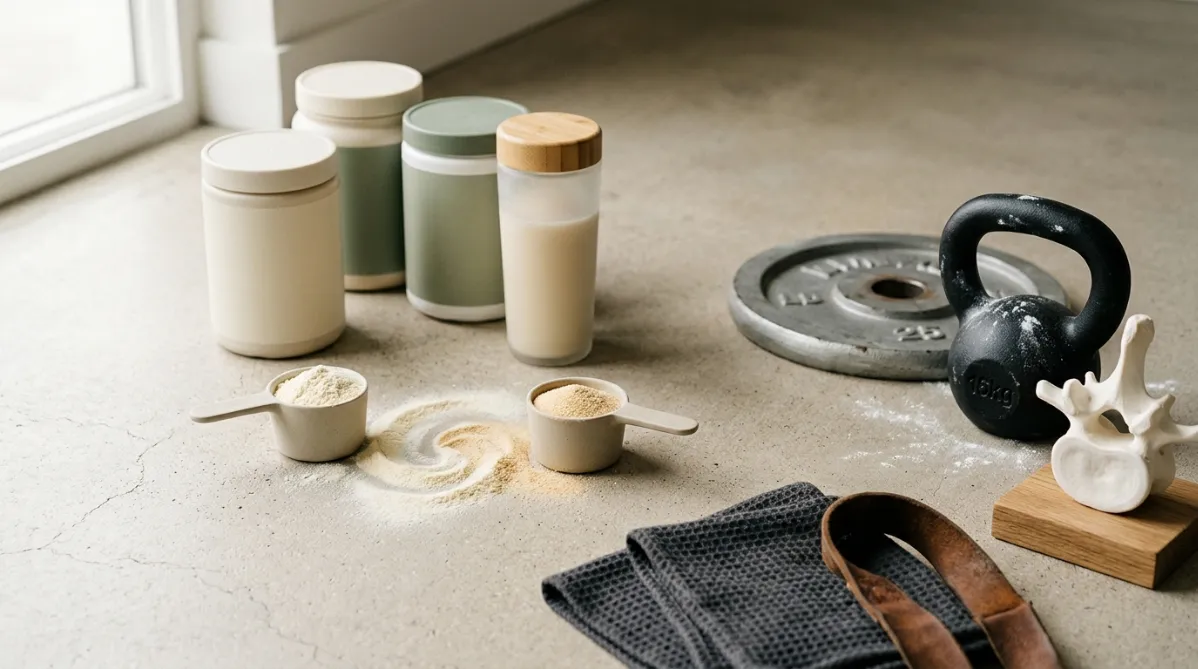
A wide, softly lit editorial still life on a pale warm-gray concrete surface, shot from a slightly elevated three-quarter angle. In the center-left, two matte ceramic scoops sit side by side. One holds fine ivory whey powder, the other holds slightly coarser, pale golden collagen peptide powder. A small, elegant dusting of both powders spills between them and blends into a soft swirl. Behind them, three minimalist cream and sage-green supplement tubs with no legible text stand in a staggered row, with a frosted glass shaker bottle of creamy liquid beside them.

On the right, a brushed-steel barbell plate and a compact chalk-dusted kettlebell rest slightly out of focus, suggesting resistance training. Pale wisps of chalk hang in the air. A folded charcoal gym towel and a pair of worn leather lifting straps lie in the foreground. A single cross-section of a clean white bone model, a stylized vertebra, rests on a small oak block at the far right. It subtly signals the bone-density theme without looking clinical.

Natural window light enters from the left, casting long, gentle shadows and a warm highlight on the powders. The palette is muted and modern: oatmeal, bone white, sage green, soft charcoal, and touches of warm amber. Shallow depth of field keeps the scoops tack-sharp and melts the background into creamy blur. Leave generous negative space in the upper right for headline overlay. The overall feel is a premium health and science journal cover: clean, tactile, minimalist, with fine film-like grain and a calm, editorial mood.
nutrition

Whey + Collagene batte sia il whey che il collagene da soli nei sollevatori — ma con dei rischi

BY DR. GYMBRO ·

Mescolare 30 g di whey con 10 g di collagene ha superato whey da solo, collagene da solo e placebo in tutti i parametri in una nuova prova otto‑settimane su uomini allenati alla resistenza. Lo stack ha aggiunto 2,66 kg di massa muscolare (misurata con BIA), ha aumentato la densità minerale ossea della colonna lombare e ha migliorato squat, panca e i marcatori di turnover osseo. Il collagene da solo ha influenzato l'osso, mentre il whey ha spinto il muscolo. Con solo 40 partecipanti, apporto proteico non equilibrato e un inaspettato balzo della BMD, c'è però un margine di incertezza. Ecco cosa ha vinto lo stack, a chi può interessare e a chi conviene evitarlo.
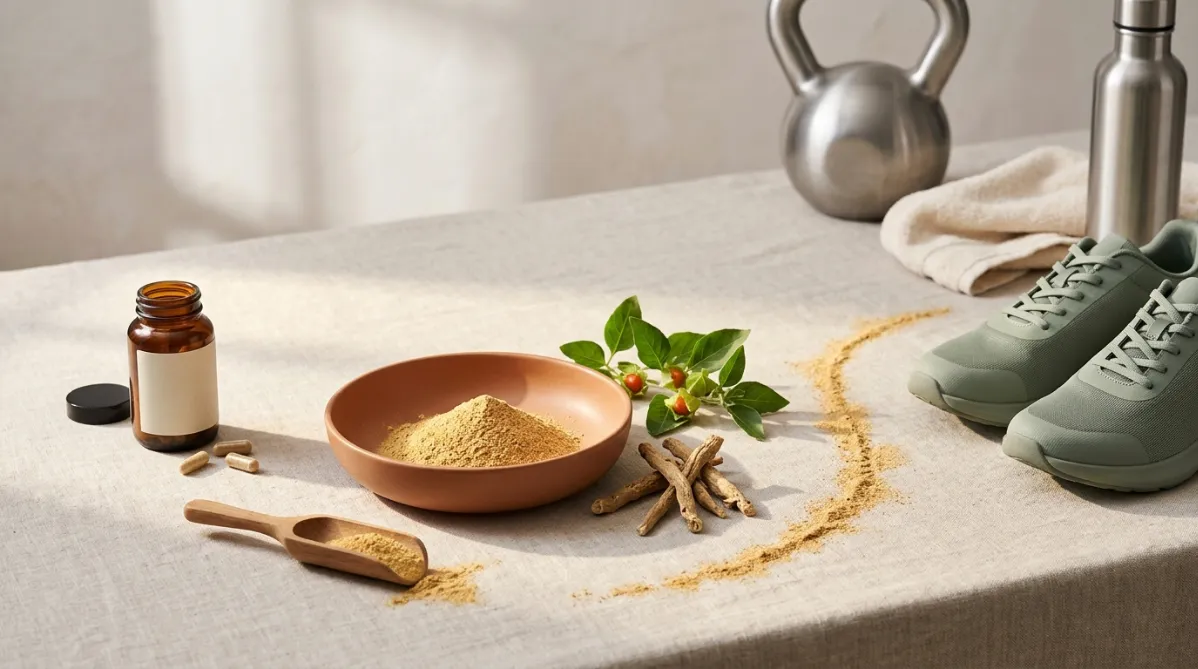
A wide, editorial-style still life shot from a slightly elevated angle on a pale oatmeal-colored linen surface in soft, diffused morning light. At the center, a shallow matte ceramic bowl in warm terracotta holds a small mound of fine, golden-tan ashwagandha root powder. Beside it lie a few gnarled, dried ashwagandha roots and a sprig of green leaves with tiny orange-red berries in their papery husks. To the left, a minimalist amber glass supplement bottle sits with a few capsules spilled beside it, label blank and clean. A wooden scoop rests on the surface, dusted with powder.

On the right side of the frame, a pair of sleek, muted sage-green running shoes sits slightly off-center. A folded cream towel and a stainless steel water bottle sit just behind them, with a single brushed-steel kettlebell partly out of focus in the background to hint at strength training without dominating the scene. The running shoes and the botanical elements share equal visual weight, suggesting the endurance theme.

A thin, curved line of scattered powder sweeps across the linen from the bowl toward the shoes, like a gentle path or track. Soft shadows fall to the left, and a warm sunbeam crosses the surface and picks out the texture of the powder and the roots.

The palette is restrained and modern: warm terracotta, sage green, cream, soft gold, and touches of charcoal. The background is a blurred pale plaster wall with a hint of a window shadow. Shallow depth of field, crisp focus on the bowl and roots, and generous negative space in the upper left for a headline. Contemporary wellness magazine aesthetic, calm, natural, tactile, high-end lifestyle photography, no text, no people, no futuristic elements.
science research

La sorpresa dell’Ashwagandha: aiuta più l’endurance che la forza

BY DR. GYMBRO ·

L’Ashwagandha è spesso pubblicizzata come integratore per aumentare forza e massa muscolare, ma una nuova meta‑analisi mette in luce un beneficio diverso. Analizzando 13 studi randomizzati su 599 partecipanti, i ricercatori hanno riscontrato l’effetto più consistente sull’endurance aerobica (g medio = 0,54). I guadagni in forza sono positivi ma incerti, mentre i dati sulla potenza sono scarsi. La fascia di dose più promettente è 500‑600 mg al giorno di estratto, ma l’intervallo di previsione attraversa lo zero, quindi i risultati possono variare.
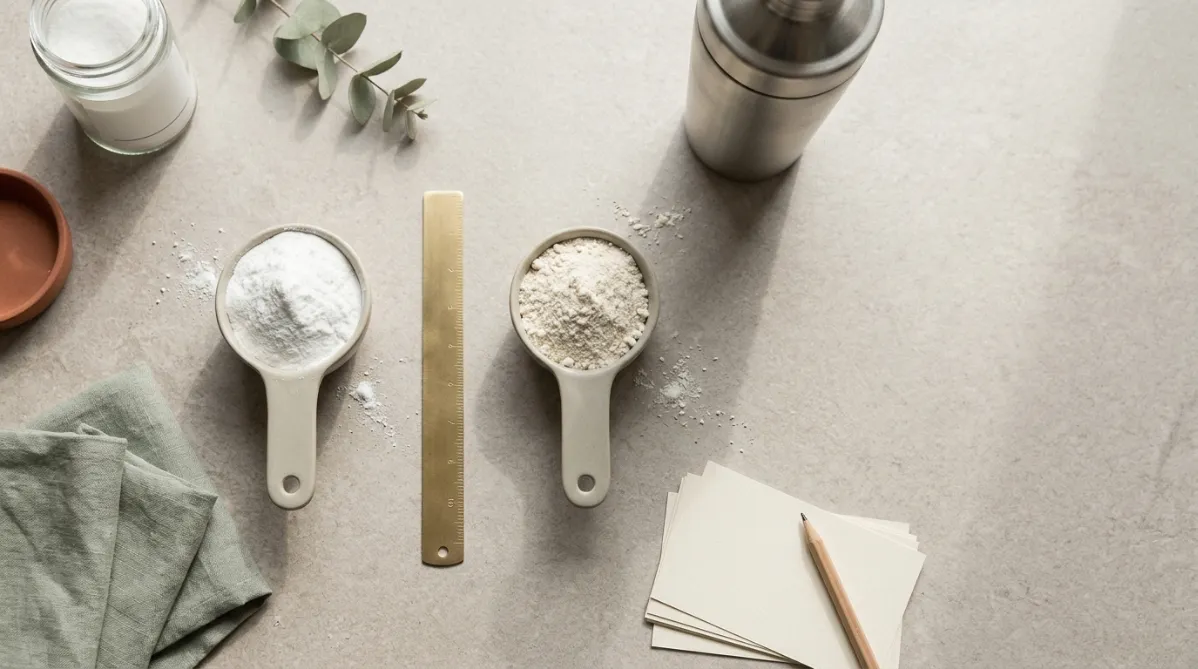
A bright, minimalist flat-lay photograph of two supplement scoops on a pale warm-gray stone surface, shot from directly above in soft natural window light. On the left, a matte ceramic scoop holds fine white creatine monohydrate powder, heaped in a clean mound. On the right, a second scoop of the same shape holds slightly coarser off-white beta-alanine powder, with a small, deliberate gap between the two. Each scoop sits in its own soft shadow, which suggests separation rather than combination. Between them, a thin brushed-brass ruler or a single slim line of fine powder runs across the surface and subtly divides the composition.

Around the scoops, a few restrained props in a muted editorial palette of sage green, cream, terracotta, and soft charcoal: a small glass jar with a minimalist label that has no readable text, a folded linen napkin, a single sprig of eucalyptus, and a stainless-steel shaker bottle softly out of focus in the upper corner. A few loose powder grains are scattered naturally across the stone. A small stack of blank cream index cards with a pencil rests in the lower right, hinting at research and note-taking without any legible writing.

The composition follows a clean rule-of-thirds layout, with generous negative space on the right third for headline overlay. The lighting is gentle and diffused, with long, soft shadows falling to the lower left. The color grading is calm and slightly desaturated, with creamy highlights and a subtle film-like grain. The overall look is a modern wellness and science journal cover, with an airy, trustworthy, contemporary editorial feel, shallow depth of field, and crisp detail on the powders.
nutrition

Creatina + beta‑alanina: il beneficio dello stack che i ricercatori non hanno riscontrato

BY DR. GYMBRO ·

Lo stack creatina + beta‑alanina è pubblicizzato come la coppia perfetta per migliorare le prestazioni, ma una nuova meta‑analisi a rete su 52 studi randomizzati non ha riscontrato alcuna sinergia tra i due. La sola creatina ha migliorato in modo significativo sprint, salto, sprint ripetuti e la resistenza della parte superiore del corpo rispetto al placebo. Gli effetti della beta‑alanina si sono rivelati non significativi o contingenti al contesto, e la combinazione non ha apportato alcun beneficio aggiuntivo rispetto alla sola creatina. Scopri come è stato condotto lo studio, quali sono i suoi limiti e cosa implica per il tuo budget di integratori.
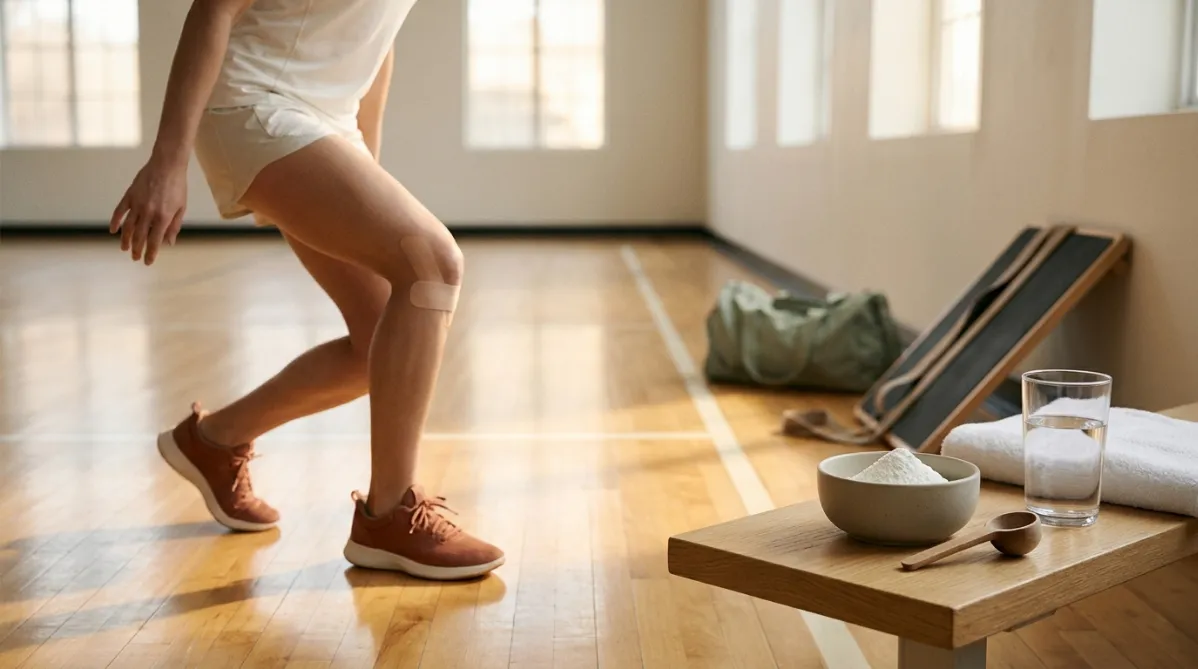
A wide, editorial-style photograph of a volleyball player mid-landing from a jump on a sunlit indoor court, captured from a low side angle. The athlete's knee is slightly bent and the patellar tendon area is in sharp focus, with soft natural muscle definition and a light strip of kinesiology tape just below the kneecap. The polished honey-toned hardwood floor reflects warm window light, and the background falls away into a creamy blur of pale court lines and tall windows.

In the lower right foreground, slightly out of focus, a matte ceramic bowl holds a small mound of fine white creatine powder. A wooden scoop rests beside it, next to a clear glass of water and a folded white towel. This sits on a light oak bench at the edge of the court. A resistance band and a slanted decline board, used for eccentric rehab, lean softly against the wall behind the bench.

The palette is warm and natural: cream, soft white, honey oak, muted sage green accents from a gym bag, and a touch of terracotta from the athlete's sneakers. Light is golden-hour and diffused, with gentle shadows and a subtle film-grain finish. The composition follows the rule of thirds, with the athlete on the left and the supplement still life on the right. Negative space in the upper portion leaves room for a headline overlay.

The overall mood is calm, modern, and health-focused, like a contemporary wellness or sports-science journal cover. Shallow depth of field, a clean minimalist aesthetic, and true-to-life color. No text, no logos, no futuristic or digital elements.
recovery

Creatina per il ginocchio del saltatore? Sollievo dal dolore già alla quarta settimana

BY DR. GYMBRO ·

Il ginocchio del saltatore può tenere lontani gli atleti per mesi, e un nuovo studio verifica se l’integrazione di creatina possa accelerare la guarigione. Su 20 atleti sottoposti a riabilitazione eccentrica, solo il gruppo che ha assunto creatina ha mostrato un miglioramento significativo del dolore e della funzione (VISA‑P) a 4 settimane, oltre a un aumento dell’altezza del salto. A 8 settimane, invece, entrambi i gruppi erano migliorati in modo simile e l’interazione tra gruppi è risultata solo una tendenza (p = 0,099). Scopri come è stato condotto lo studio, come è stata assunta la creatina, chi può beneficiarne e perché, data la ridotta dimensione del campione, occorre prudenza.
Wide landscape editorial photograph of a mountain biker mid-ride on a dusty red-orange singletrack trail in the South African Western Cape, golden hour light raking across the scene. The rider is in sharp focus on the right third of the frame, wearing a weathered cycling kit with a race number plate on the handlebars, dust kicking up from the rear tire. Behind them, rolling hills covered in fynbos shrubland and silhouetted protea plants fade into soft, hazy blue mountains. Warm amber sunlight creates long shadows and a soft rim light around the rider and bike.

In the lower left foreground, slightly out of focus, a small minimalist glass vial and a clear water bottle sit on a flat sun-bleached rock, with a few drops of liquid catching the light. Next to them, a simple matte paper notecard and a pencil suggest data collection, with no legible text. The vial and bottle are clean, understated, and modern, with no branding.

The color palette is earthy and refined: terracotta, ochre, sage green, dusty teal sky, and cream highlights. The composition uses shallow depth of field, a generous negative space in the upper left sky for headline overlay, and subtle film grain. The mood is contemplative, skeptical, and quietly sophisticated, like a feature photograph from a high-end outdoor sports and science magazine. Natural, candid, cinematic, shot on a 50mm lens with soft contrast and muted saturation. No futuristic elements, no glowing effects, no molecular graphics, no text.
science research

Ketone IQ ha aumentato i chetoni al Cape Epic, ma non ha prodotto altri benefici

BY DR. GYMBRO ·

Durante gli otto giorni di Cape Epic i partecipanti hanno assunto Ketone IQ due volte al giorno, raggiungendo circa 1 mM di chetoni nel sangue, ma stanchezza, frequenza cardiaca, tempo di reazione e recupero si sono dimostrati identici a quelli del gruppo placebo. Lo studio in doppio cieco ha testato il R‑1,3‑butanediolo in condizioni di gara reale, non in laboratorio. Gli autori concludono che una chetosi moderata non è stata efficace e avvertono di non confondere il butanediolo con gli esteri di chetoni. Con solo 18 corridori, la ricerca ha limitazioni, ma fornisce un dato importante per chi sta valutando un costoso integratore di chetoni per il recupero.
A wide, editorial-style still life shot from a slightly elevated angle on a pale, warm-gray concrete surface lit by soft natural window light from the left. In the center foreground, a clear glass of cloudy water sits beside a small white ceramic bowl heaping with fine white baking soda powder, a wooden measuring spoon resting beside it with a light dusting of powder spilling across the surface in a graceful arc. Next to them, a minimalist digital kitchen scale in matte white shows a small portion of powder in a shallow dish. Slightly behind, an orange basketball is partially in frame, its pebbled texture catching the light, resting beside a pair of clean white and coral athletic sneakers with the laces loosely undone. A folded charcoal gray towel and a stainless steel stopwatch lie to the right, the stopwatch face crisp and legible. Three small, neatly arranged piles of white powder on a slate tile in the midground, in ascending sizes, hint at different doses without any text or labels. In the soft-focus background, the faint outline of an indoor basketball court with warm honey-colored hardwood floor and blurred lane lines stretches across the frame, glowing with golden-hour light. The color palette is restrained and modern: warm off-white, soft gray, burnt orange, and touches of sage green from a single sprig of mint or eucalyptus laid near the glass. Shallow depth of field, crisp textures on powder grains and the ball's surface, gentle shadows, subtle film-like grain. Clean negative space in the upper right for headline overlay. The mood is calm, sleek, and contemporary, like a premium health and sports science magazine cover, with a fresh, minimalist composition and no people, no text, and no futuristic elements.
nutrition

Bicarbonato di Sodio + Sprint: il dosaggio che supera il placebo in tutti i test

BY DR. GYMBRO ·

Uno studio randomizzato su giovani giocatori di basket ha mostrato che l'aggiunta di bicarbonato di sodio a quattro settimane di allenamento a intervalli di sprint migliora salto, sprint, agilità, test Yo‑Yo e potenza Wingate rispetto al placebo. La dose più alta (0,45 g/kg) ha superato quella più bassa (0,30 g/kg) su tutti i parametri. Si tratta di un'integrazione economica, ma il rischio di fastidi gastrici è un limite, così come la piccola dimensione del campione, la breve durata e il fatto che abbia coinvolto solo uomini.
A landscape editorial photograph with a modern, clean magazine feel, shot on a pale warm-gray concrete surface in soft natural window light from the left. In the foreground, two matte white ceramic espresso cups sit side by side. The left cup holds a small amount of dark espresso with golden crema. The right cup is filled twice as high. Beside them, two small stainless steel scoops hold fine coffee-colored powder, one half full and one heaped, suggesting a dose comparison without any text or labels. A pair of worn red leather boxing gloves rests slightly out of focus behind the cups, laces loosely draped, with a white hand wrap rolled neatly beside them. A minimalist digital kitchen scale in matte black sits at the edge of the frame, with a few roasted coffee beans scattered across the surface. In the soft-focus background, a boxing gym corner appears: a hanging heavy bag in muted charcoal, pale wood plank flooring, and a tall window with diffused morning light. The palette is warm cream, espresso brown, brick red, and soft slate gray, with gentle shadows and a shallow depth of field. The composition follows the rule of thirds, with the cups and scoops in the lower left third and open negative space on the right for headline overlay. The look is tactile and refined, like a high-end health and performance journal. It has natural grain, subtle contrast, and a calm, confident mood. There are no people, no text, no logos, and no futuristic elements.
nutrition

Raddoppiare la caffeina ha aiutato a malapena i pugili – ecco cosa ha funzionato

BY DR. GYMBRO ·

Pensate che due dosi di pre‑allenamento equivalgano a doppia prestazione? Un nuovo studio crossover su 15 pugili competitivi ha confrontato 3 mg/kg e 6 mg/kg di caffeina, e la dose più alta non è risultata sistematicamente migliore. Entrambe le dosi hanno aumentato l’altezza del salto e la potenza a 60 minuti, mentre i 6 mg/kg si sono distinti solo in alcuni parametri, come la potenza del push‑up balistico e la coppia di estensione del ginocchio. Qui trovate la conversione mg‑per‑kg per i pesi corporei più comuni, il timing supportato dai dati e le avvertenze realistiche, incluso il fatto che la capacità di colpire non è mai stata testata.
A wide, cinematic landscape photograph of a freediver suspended mid-water in a calm, sunlit turquoise sea, shot from slightly below so the surface glimmers above like rippling silver glass. The diver wears a sleek matte black wetsuit and a long, elegant pair of carbon fins. Their body is streamlined, arms relaxed at their sides, head tilted slightly down in a state of serene focus. Shafts of soft golden sunlight pierce the water diagonally and illuminate fine floating particles and a trail of tiny bubbles rising from the diver's fins. A single thin dive line descends vertically into deeper blue at the right of the frame, adding a graphic compositional element.

In the lower left foreground, slightly out of focus, a minimalist still-life element rests on a pale sandy seabed: a small, clean white scoop with a mound of fine white powder, casually echoing creatine without any text or labels. The scoop is softly lit and has a shallow depth of field blur, creating a gentle visual link between supplement and sport.

The color palette is refined and modern: deep teal, aquamarine, soft cerulean, warm cream highlights, and touches of sunlit gold. The water gradients smoothly from bright, luminous turquoise near the top to a rich inky navy at the bottom, giving depth and a sense of quiet intensity. Leave generous negative space on the left third of the image for headline placement, with the diver positioned on the right third following the rule of thirds.

The mood is calm, athletic, and contemplative, like an editorial image from a premium health and science magazine. Style: high-end editorial photography, natural light, subtle film grain, soft contrast, crisp detail on the diver and gentle bokeh in the background. No text, no logos, no futuristic or sci-fi elements, no graphics overlays.
nutrition

La creatina funziona anche quando non respiri: lo studio sugli apneisti lo dimostra

BY DR. GYMBRO ·

La creatina è celebre per aiutare a sollevare carichi più pesanti e a sprintare più forte, ma può essere utile quando non respiri affatto? Un nuovo studio in doppio cieco su apneisti allenati ha scoperto che una fase di carico di 7 giorni, con 20 g al giorno, aumenta il lavoro totale e il tempo all’esaurimento in un test di ciclismo a apnea. Curiosamente, il lattato ematico risulta più basso nel gruppo creatina rispetto al placebo, nonostante le prestazioni migliori. Ecco come è stato condotto lo studio, a chi può interessare e perché, con un campione di appena 20 apneisti, è necessario mantenere le aspettative sotto controllo.
A wide editorial still life shot from a slightly elevated angle on a pale ash-wood bench in a bright, airy training hall. In the center sits a small matte ceramic dish holding a few translucent coral-red softgel capsules, their glossy surfaces catching soft window light. Beside the dish rests a folded white taekwondo dobok with a black belt loosely coiled on top. A sprig of fresh red microalgae-toned seaweed and a halved blood orange add natural color accents. A clean glass of water with subtle condensation stands to one side.

In the softly blurred background, the silhouette of a martial artist in a white uniform stretches near tall windows, with diffused morning light streaming across a sprung wooden floor. A pair of red and blue sparring gloves hangs on a minimal wall hook. Thin, elegant shadows stretch across the bench.

The palette is restrained and modern: warm off-white, soft sand, muted charcoal, with a vivid coral-red accent pulled from the capsules. Shallow depth of field, crisp focus on the capsules and dish, creamy bokeh behind. Natural, gentle lighting with a subtle film-like grain, reminiscent of a contemporary wellness and science magazine cover. Generous negative space on the left third of the frame for headline text. Calm, precise, and quietly athletic in mood, with no text, logos, or futuristic elements.
science research

12 mg di astaxantina per 28 giorni: danno muscolare e burnout nei combattenti

BY DR. GYMBRO ·

Un nuovo studio randomizzato ha testato 12 mg al giorno di astaxantina su giovani atleti maschi di taekwondo. Dopo 28 giorni, il gruppo che ha assunto il supplemento ha mostrato una traiettoria della creatina chinasi (CK) significativamente diversa rispetto al placebo, oltre a livelli più alti di SOD e segnali esplorativi di minore MDA e minore esaurimento emotivo e fisico. Tuttavia, i risultati sul burnout erano di natura esplorativa, senza interazioni gruppo × tempo su nessuna sottoscheda. Lo studio è piccolo e ha misurato solo biomarcatori, non performance. Ecco cosa dimostrano i dati, cosa non dimostrano e a chi potrebbe interessare.
A bright, minimalist editorial still life on a pale oak table, shot from a slightly elevated three-quarter angle in soft natural window light. On the left sits a rustic ceramic bowl of uncooked short-grain white rice, with a few grains scattered across the wood. Beside it is a matte cream-colored shaker bottle. On the right is a small glass bowl of fine ivory whey powder with a wooden scoop resting in it, and a small pitcher of milk behind it. Two identical tall glasses of creamy, lightly frothed shake stand side by side in the center, one a touch warmer beige and the other a soft white. They suggest equal outcomes without any text or labels. A pair of worn black neoprene-coated dumbbells and a folded sage-green gym towel sit slightly out of focus in the background. A sprig of green rice stalks in a slim vase adds a fresh, natural accent.

The palette is warm neutrals: cream, oatmeal, soft sage, and muted terracotta, with gentle shadows and a shallow depth of field. The surface has subtle grain, and fine powder dust is caught in the light. The composition is clean and balanced, with generous negative space on the upper right for a headline overlay. The mood is calm, modern, and health-forward, like a contemporary nutrition magazine or wellness journal. Photorealistic, crisp detail, creamy bokeh, and a gentle matte film-like finish.
nutrition

48 g di Proteine di Riso e Whey per Muscolo e Forza in 8 Settimane

BY DR. GYMBRO ·

Molti credono che le proteine vegetali siano inferiori al siero di latte, ma uno studio del 2013 su uomini allenati ha dimostrato il contrario quando si assume una dose molto elevata. In 24 soggetti allenati alla resistenza, 48 g di isolato di proteine di riso assunti dopo l’allenamento hanno prodotto gli stessi guadagni in massa magra, spessore muscolare, forza e potenza di 48 g di isolato di whey in otto settimane. Perché il riso è riuscito a stare al pari? Probabilmente la grande dose ha colmato il divario di leucina. Di seguito trovi i risultati, i limiti dello studio e come gli sportivi vegani o intolleranti al lattosio possano sfruttarlo.
A bright, airy editorial flat-lay shot from slightly above, on a soft warm-white linen surface with gentle natural window light and long, soft shadows. Two small ceramic dishes sit side by side at the center. The left dish holds a single small capsule in muted terracotta. The right dish holds one small capsule in the same color, with a noticeable empty space beside it to suggest rhythm and spacing. Between them lies a minimalist wooden calendar block or a row of seven small round ceramic discs in alternating tones, dusty rose and cream, evoking an every-other-day pattern. Around the dishes are fresh, iron-rich foods arranged with restraint: a halved blood orange, a few deep green spinach leaves, a small scattering of pumpkin seeds, and a sprig of parsley. A folded sage-green athletic towel and a slim, modern water bottle sit at the upper edge, hinting at women who train. A matte ceramic mug of herbal tea sits at the right with a faint curl of steam. A small notebook with a pen lies open at the lower left, its pages blank, suggesting lab results and tracking without any legible text. The palette is soft and cohesive: warm cream, dusty rose, terracotta, sage green, with small accents of deep coral. The mood is calm, clean, and wellness-oriented, like a contemporary health and science journal feature. Shallow depth of field keeps the capsules sharp and softly blurs the edges of the frame. The composition leaves generous negative space on the left third for title overlay. The look is a high-end lifestyle photograph with subtle film grain, natural textures, and refined minimalism, with no people, no text, and no futuristic or laboratory elements.
nutrition

Meno ferro, a giorni alterni: gli stessi guadagni di ferritina nelle donne

BY DR. GYMBRO ·

Il rilascio di epcidina può limitare l’assorbimento del ferro dopo una singola dose giornaliera, e per questo l’integratore di ferro orale spesso risulta poco efficace e irritante per lo stomaco. Uno studio randomizzato del 2026, condotto su 66 donne con carenza di ferro, ha confrontato 21 mg di ferro assunti ogni 48 ore con 30 mg al giorno per 42 giorni. In entrambi i gruppi la ferritina è aumentata in modo significativo, senza differenze statistiche tra i regimi, mentre l’emoglobina è rimasta stabile e gli effetti gastrointestinali sono stati lievi. Il punto critico è che lo studio era a controllo attivo, senza placebo, e le forme di ferro erano diverse, quindi i risultati sono comparabili ma non superiori. Scopri cosa significa per le donne che si allenano e perché è fondamentale verificare la ferritina prima di integrare.
A sunlit, minimalist kitchen counter in a modern home, photographed from a slightly elevated three-quarter angle with soft natural morning light spilling in from a window on the left. In the center sits a matte white ceramic mug of black coffee with a thin curl of steam, beside a small glass jar of deep magenta beetroot powder with a wooden scoop resting on the lid. A scattering of fine crimson powder dusts the pale oak surface in an artful, casual swirl. Nearby, a halved raw beetroot reveals vivid concentric rings of purple and pink, next to a few roasted coffee beans and a neatly folded charcoal gym towel. In the soft-focus background, a pair of clean white running shoes and a stainless steel water bottle sit on a floating shelf, hinting at a pre-workout routine. A single sprig of green beet leaves adds a fresh accent.

The color palette is warm and editorial: creamy neutrals, espresso browns, and rich beet magenta, with gentle highlights and long soft shadows. The composition has generous negative space on the right side for headline text, shallow depth of field, and a crisp, tactile texture on the ceramic, powder, and wood grain. The mood is calm, health-conscious, and contemporary, like a lifestyle feature in a premium wellness magazine or a trendy nutrition journal. Clean, balanced, natural, with subtle film-like grain and a slightly muted, high-end finish.
science research

La caffeina pre‑allenamento irrigidisce le arterie; la polvere di barbabietola la neutralizza

BY DR. GYMBRO ·

Un nuovo studio crossover randomizzato ha mostrato che una dose di caffeina pari a 6 mg/kg, tipica dei pre‑workout, aumenta i marker di rigidità arteriosa entro 2,5 ore. L’assunzione contemporanea di una polvere di barbabietola contenente 400 mg di nitrati riporta questi marker ai livelli del placebo. Pressione sanguigna e funzione endoteliale non sono cambiati, quindi si tratta di un effetto sottile, non di un allarme. Lo studio, però, ha coinvolto solo 24 giovani adulti sani e una singola dose, lasciando molte incognite sul lungo periodo e su soggetti più anziani o ipertesi. Ecco cosa mostrano i dati, cosa non mostrano, e come interpretarli se usi la caffeina prima di allenarti.
A wide, editorial-style photograph of a hardwood basketball court at golden hour, seen from a low angle near the baseline. In the foreground, slightly off-center to the left, sits a clear sports water bottle on a polished maple floor. It is half full, with tiny beads of condensation on the surface and a faint cloudy shimmer in the liquid. Beside it rests a small wooden spoon dusted with fine white powder, and a few loose grains are scattered on the wood. Warm amber light streams through tall gym windows on the right and casts long soft shadows across the court's painted lines.

In the mid-ground, slightly out of focus, a female basketball player in a navy and white uniform is caught mid-shot. Her arm is extended in a clean follow-through, her wrist relaxed, and the ball is just leaving her fingertips. Her ponytail swings behind her. Behind her, the net hangs crisp against a softly blurred bleacher background in muted teal and cream.

The palette is calm and modern: honey-toned wood, warm cream, deep navy, and soft teal accents. A shallow depth of field gives creamy bokeh in the background, with subtle dust motes floating in the light beams. The composition leaves generous negative space on the upper right for title text. The mood is fresh, athletic, and clean, like a contemporary health and performance journal. The photographic style is natural and film-like, with fine grain, soft contrast, and gentle highlights.
nutrition

Il dipeptide di glutammina che ha mantenuto la precisione dei tiri quando l'acqua non è bastata

BY DR. GYMBRO ·

L'acqua è il rimedio più comune per l’idratazione, ma uno studio su giocatrici di basket di Division I suggerisce che non protegge la precisione di tiro quanto una bevanda arricchita con una piccola dose di L‑alanyl‑L‑glutamina. Dieci atlete hanno disputato quattro partite da 40 minuti, e la dose bassa (1 g per 500 ml) ha superato l’acqua dell’11,1 % nei tiri. La dose più alta non ha mostrato benefici aggiuntivi e la potenza di salto è rimasta invariata. Ecco i dati, le implicazioni pratiche e le cautele da valutare prima di aggiungere questo integratore alla tua borraccia.
A wide, landscape editorial photograph shot from slightly above, showing a rustic matte-white ceramic bowl of dried tribulus terrestris, spiky star-shaped seed pods in warm tan and khaki tones, with a few fresh green trailing vines and tiny yellow flowers draped beside it. The bowl sits at the left third of the frame on a pale ash-wood table. Scattered nearby are two identical sets of plain, unlabeled amber supplement capsules, one pile slightly apart from the other, hinting at a placebo comparison. To the right, slightly out of focus, a worn leather rugby ball rests next to a chalk-dusted steel barbell plate and a folded charcoal-gray athletic towel.

Soft diffused natural light streams in from a window on the left, creating gentle long shadows and a calm, clean atmosphere. The background is a muted sage-green and cream gradient with a shallow depth of field, leaving generous negative space on the right side for title overlay. A small, minimal notebook with a pencil and a simple balance scale made of brushed brass sits subtly in the midground, suggesting scientific scrutiny without any laboratory clutter.

The color palette is earthy and refined: sage green, sand, warm amber, charcoal, and off-white. The style is modern lifestyle-magazine photography, crisp textures, subtle film grain, and a high-end wellness journal feel. The composition is balanced, uncluttered, and minimalist, with a quiet, thoughtful mood that conveys skepticism and evidence-based inquiry. No text, no logos, no people, no futuristic or sci-fi elements.
science research

Tribulus Terrestris deluso nei giocatori di rugby d’élite: studio di 5 settimane

BY DR. GYMBRO ·

Il Tribulus terrestris è pubblicizzato come potenziatore naturale del testosterone capace di aumentare la massa muscolare in meno di un mese. Per verificare queste affermazioni, dei ricercatori lo hanno testato su giocatori di rugby d’élite in uno studio in doppio cieco. I risultati mostrano che tutti gli atleti sono diventati più forti e hanno guadagnato massa magra, ma il gruppo placebo ha registrato gli stessi miglioramenti. Inoltre, l’integratore non ha modificato il rapporto urinario testosterone/epitestosterone (T/E). Scopri cosa ha rivelato lo studio, i suoi limiti e dove conviene davvero spendere i soldi.
A wide landscape editorial photograph of a bright, airy sunlit living room with pale oak floors and a large window with sheer linen curtains. In the center, a woman in her late 50s with silver-streaked hair, wearing soft sage-green athletic wear, rises from a simple wooden chair, caught mid-motion with a calm, determined expression. Her hands are lightly extended forward for balance. Beside her on a small round oak side table sits a ceramic mug of tea, a glass of water, and a small matte white jar with a wooden scoop resting beside it, a few fine white crystalline grains scattered on the tabletop. In the soft-focus foreground, a pair of light-gray dumbbells and a rolled terracotta-colored yoga mat rest on the floor. A trailing green pothos plant spills from a shelf in the background, with a stack of books and a small analog kitchen timer nearby.

The color palette is warm and muted: cream, sage green, soft terracotta, natural wood, and gentle morning-gold light. Light streams diagonally across the scene, creating long soft shadows and a subtle glow on the woman's shoulders. Shallow depth of field blurs the background gently, while the woman and the table remain crisp. The composition follows the rule of thirds, with the woman on the right and generous negative space on the left, suited for headline overlay. The mood is hopeful, grounded, and modern, like a high-end wellness magazine or a trendy health journal. Natural film-like grain, soft contrast, and a slight matte finish give it a contemporary lifestyle photography feel. There are no futuristic elements, no digital overlays, and no text.
science research

La creatina ha aiutato le donne con ginocchia problematiche a rialzarsi meglio, ma non per i motivi che pensi

BY DR. GYMBRO ·

La creatina è solita essere proposta ai giovani sollevatori, ma una sperimentazione randomizzata, in doppio cieco, l'ha testata su donne in postmenopausa con osteoartrosi del ginocchio. Dopo 12 settimane di allenamento delle gambe, il punteggio del test di alzata dalla sedia è passato da 15,7 a 18,1 nel gruppo creatina, mentre quello del placebo è rimasto quasi invariato (15,0‑15,2). La creatina ha inoltre migliorato la rigidità, la massa magra e la qualità della vita, ma non ha ridotto il dolore né aumentato la forza massima alla pressa rispetto al placebo. Ecco cosa dicono i numeri e a chi potrebbe davvero giovare.
A bright, minimalist editorial still life on a soft warm-white linen surface, shot from a slightly elevated angle in natural morning window light. In the center, a small shallow ceramic bowl in matte oatmeal tones holds several glossy, translucent coral-red softgel capsules, with a few spilled onto the surface in a gentle arc. Beside the bowl, a single ripe peach-pink shrimp-like krill shape is absent; instead a delicate scatter of tiny coral-orange dried krill-pink petals and a sprig of pale green seaweed hint at the marine origin. To the left, an empty clear glass of water and a folded cream napkin suggest fasting. To the right, a simple matte white plate sits bare with a silver fork resting across it. In the soft-focus background, a pair of sage green hand weights and a neatly rolled yoga mat in dusty blue add a quiet nod to muscle and strength. Soft shadows fall diagonally across the scene, giving gentle depth. The palette is calm and modern: warm ivory, coral red, sage green, dusty blue, and soft beige. Shallow depth of field with crisp focus on the capsules, which catch small bright highlights. Clean negative space on the left third of the frame for headline text. The overall feel is a contemporary wellness magazine or health journal cover, airy, refined, and editorial, with subtle film-like grain and natural color grading. Landscape 16:9 composition.
nutrition

L’Olio di Krill riduce la perdita muscolare durante una dieta a digiuno intermittente

BY DR. GYMBRO ·

Seguire una dieta molto restrittiva porta spesso a perdere anche massa muscolare. Uno studio randomizzato su 41 adulti ha dimostrato che, in 8 settimane di digiuno a giorni alterni, chi ha assunto olio di krill ha mantenuto quasi tutta la massa magra, a differenza del gruppo placebo. Scopri i dati, il dosaggio utilizzato e le controindicazioni.
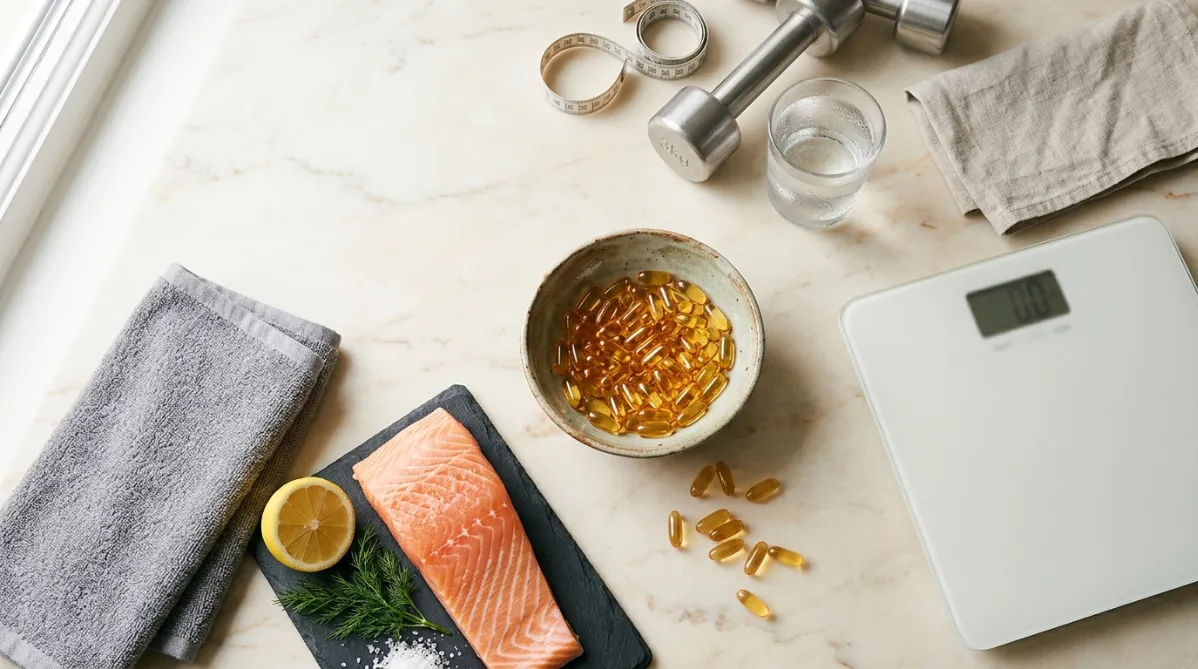
A wide, editorial-style flat lay photographed from above on a pale, warm-toned marble surface with soft natural window light coming from the left. At the center sits a shallow ceramic bowl filled with glistening golden-amber fish oil capsules, a few spilled casually onto the marble. Beside the bowl, a sleek minimalist bathroom scale in matte white sits at the right edge, its digital display blurred so it appears static. To the left, a neatly folded heather-gray athletic towel rests beside a small cluster of fresh ingredients: a halved lemon, a sprig of dill, and a fillet of raw salmon on a slate board, its coral-pink flesh with delicate white marbling catching the light. Near the top of the frame, a pair of brushed-steel dumbbells in a light finish and a soft tape measure curl loosely across the surface, suggesting body composition tracking without being clinical. A small glass of water with condensation and a linen napkin add quiet lifestyle detail. The color palette is calm and modern: cream, soft sage green, warm gold, coral, and muted gray. Shadows are soft and diffused, with gentle highlights on the capsules making them glow like tiny amber beads. The composition has generous negative space on the upper left for headline text, with a shallow depth of field that keeps the capsules and salmon crisp while the edges fall softly out of focus. The overall mood is clean, health-conscious, and contemporary, like a high-end wellness magazine or science journal cover, with a subtle film-like grain and natural, true-to-life tones. No people, no text, no futuristic elements.
nutrition

L'olio di pesce scambia grasso con muscolo in 6 settimane: la bilancia resta ferma

BY DR. GYMBRO ·

E se la bilancia non si muove, ma il tuo corpo scambia silenziosamente grasso con muscolo? Un trial in doppio cieco su 44 adulti sani ha mostrato che 6 settimane di olio di pesce (circa 2,4 g di EPA + DHA al giorno) hanno modificato la composizione corporea di circa mezzo chilo in entrambe le direzioni, senza cambiare il peso corporeo. Una riduzione del cortisolo salivare è andata in pari con questi cambiamenti, anche se il legame è solo correlazionale. Il metabolismo a riposo non è variato e il campione era piccolo. Ecco cosa dicono davvero i numeri e come interpretarli con prudenza.
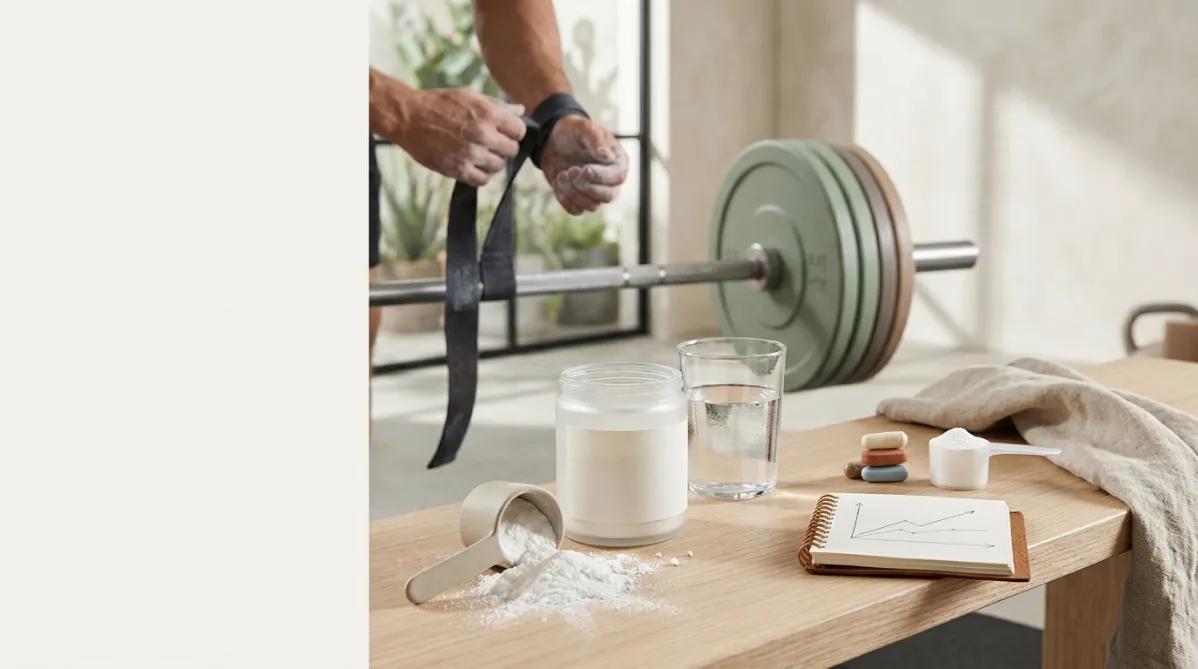
A wide, editorial-style still life photographed in soft natural window light, set on a pale oak gym bench or light wooden table. In the foreground, a matte ceramic scoop rests in a small mound of fine white creatine powder, with a few loose grains scattered across the surface. Next to it sits a minimalist frosted glass jar with a plain unbranded label. Beside the jar is a clear glass of water with delicate condensation. A pair of worn chalk-dusted hands is out of focus in the background, wrapping a lifting strap around a barbell. The barbell is a brushed steel bar with a few muted sage-green and warm gray bumper plates.

On the right side of the frame, a small stack of three different supplement capsules and tablets in neutral cream, terracotta, and soft blue sits next to a single clean white scoop of powder. This subtly contrasts the "stack" with the "plain" option. A folded linen towel in oatmeal beige drapes over the end of the bench. A small leather-bound notebook lies open, with a simple hand-drawn line graph showing two lines, one rising steadily and one flat, in pencil.

The background is softly blurred and shows a bright, airy, modern home gym with large windows, pale plaster walls, and a few green plants. Warm morning sunlight casts long, gentle shadows diagonally across the scene. The color palette is muted and sophisticated: cream, warm white, sage green, soft terracotta, and charcoal accents. Shallow depth of field with a crisp focus on the powder and scoop. Generous negative space on the left third for headline overlay. The mood is calm, thoughtful, and trustworthy, like a high-end health and science magazine cover, with subtle film grain and natural textures. No text, no logos, no futuristic elements.
nutrition

Uno stack di creatina aumenta la massa muscolare nei principianti, ma non la forza. Perché?

BY DR. GYMBRO ·

Un nuovo studio randomizzato ha somministrato a dei neofiti del sollevamento un blend a base di creatina per quattro settimane, osservando un aumento della massa muscolare, un miglior rapporto testosterone‑cortisolo e una più rapida capacità di recupero. Tuttavia, la forza nella pressa per le gambe (1RM) non è migliorata rispetto al placebo. Le possibili spiegazioni includono i rapidi guadagni neurali tipici dei principianti, la breve durata dello studio e la ritenzione idrica iniziale. I marcatori renali sono rimasti nella norma, ma lo studio è piccolo, maschile, finanziato dall'industria e non ne dettaglia la formula completa. Per i nuovi sollevatori, la scelta più sicura, basata sull'evidenza, rimane la semplice creatina monoidrata.
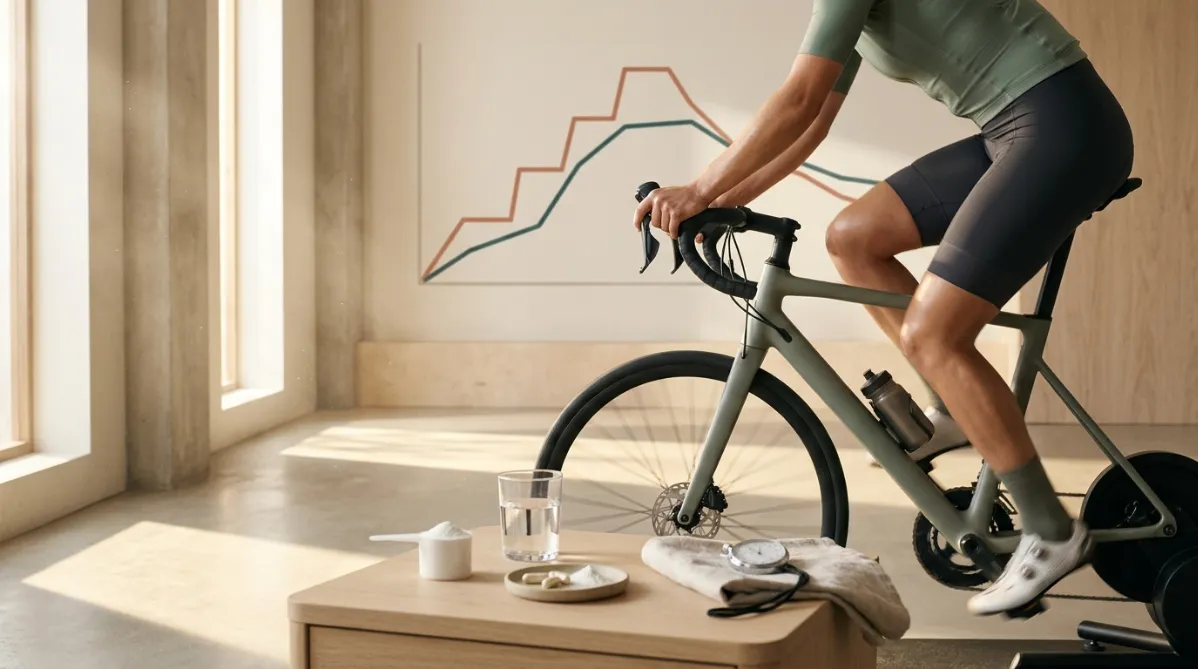
A wide, editorial-style photograph of a lone cyclist's legs and torso mid-sprint on a stationary indoor bike in a bright, minimalist performance studio. The scene is shot from a low three-quarter angle with shallow depth of field. The cyclist wears matte charcoal shorts and a fitted sage-green top, with a subtle sheen of sweat catching soft window light. Their hands grip the handlebars and the pedals are caught in a slight motion blur, which conveys explosive effort.

In the foreground, slightly out of focus on a pale oak side table, sit a small matte white scoop and a clear glass of water. Next to them is a little ceramic dish holding a few off-white capsules and a pinch of fine white powder. A folded linen towel and a slim stopwatch rest nearby. The stopwatch face is softly legible, hinting at timed sprint intervals.

The background is warm cream concrete and pale wood, with tall windows casting long diagonal shafts of golden morning light across the floor. Faint dust motes drift in the light. On the wall behind, a clean, abstract line graph is painted in muted terracotta and deep teal. It shows one line rising in steps like five sprint bouts and another line gently falling, a subtle visual nod to power up and lactate down. The graph is minimal and stylized, with no readable numbers or text.

The color palette is earthy and modern: sage green, terracotta, warm cream, soft charcoal, and touches of natural wood. The lighting is soft and directional with gentle highlights and natural shadows. The overall look is calm, refined, and contemporary, like a premium wellness and sports science magazine cover. The composition follows the rule of thirds, with the cyclist on the right and open negative space on the left for a headline. The image is crisp, grainy in a subtle film-like way, and free of any futuristic or sci-fi elements.
science research

Questa forma di carnitina incrementa la potenza negli sprint del 15 % e riduce il lattato

BY DR. GYMBRO ·

Uno studio crossover del 2009 ha mostrato che una singola dose di 4,5 g di glicina propionil‑L‑carnitina (GPLC) ha aumentato la potenza massima e media negli sprint dal 2,6 % al 15 % in cinque prove al massimo sforzo, e ha ridotto il lattato ematico del 16,2 % a 14 minuti dall’esercizio. Il “15 %” è il valore più alto del range, non la media, e lo studio ha coinvolto solo 24 uomini in un unico laboratorio. Questo articolo spiega le differenze tra GPLC, L‑carnitina e ALCAR, la teoria dell’ossido nitrico e chi potrebbe trarne beneficio, oltre a dosaggio, tempistica e limiti delle evidenze disponibili.
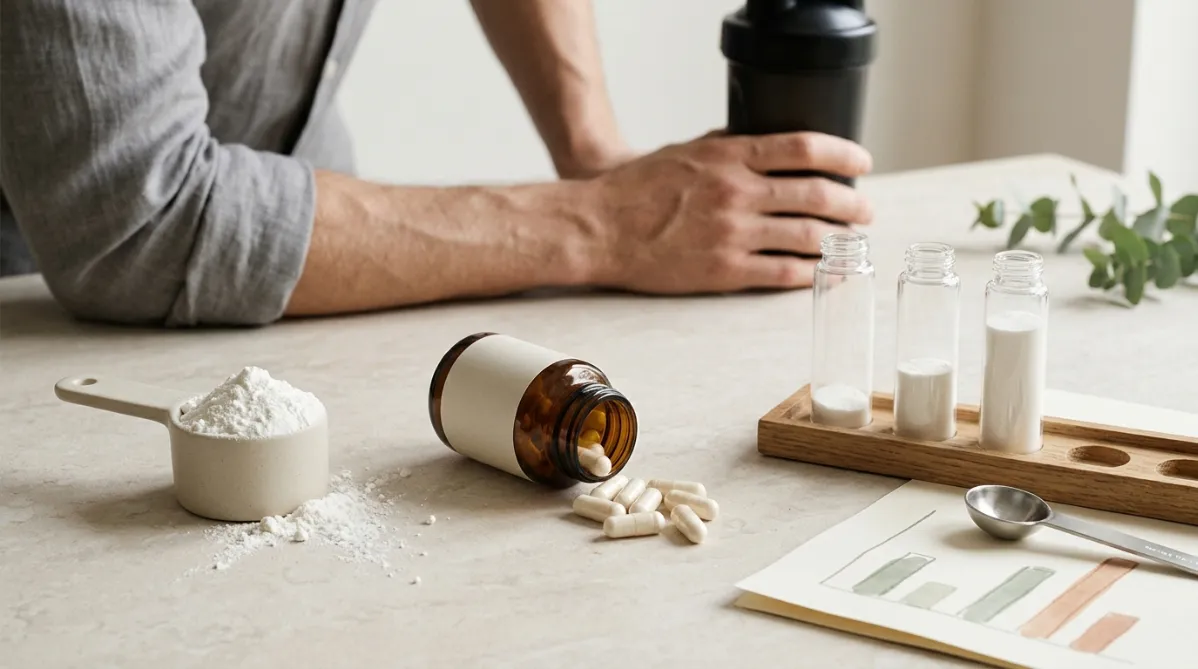
A modern editorial still life photographed from a slightly elevated angle on a pale, matte stone surface in soft natural window light. On the left, a heaping mound of fine white creatine monohydrate powder spills from a matte ceramic scoop, with a few crisp grains scattered across the surface. In the center, a small, minimalist amber glass capsule bottle sits tipped on its side, with a handful of off-white capsules spilling out. The label is blank and clean. On the right, a neat row of three clear glass lab-style vials rests on a slim oak tray. The vials hold different amounts of white powder: the first nearly empty, the second slightly fuller, the third filled almost to the brim. This quietly suggests the difference in dose and result. Beside the tray lies a simple stainless steel measuring spoon and a folded sheet of cream paper with soft, abstract bar-chart lines in muted sage green and terracotta. The lines are hand-drawn and unlabeled.

Behind the objects, slightly out of focus, a lean athletic forearm in a gray linen sleeve rests on the edge of the surface, one hand loosely holding a matte shaker bottle. This hints at a training context without showing a face. A single sprig of eucalyptus in the corner adds a soft organic touch.

The palette is warm neutral: bone white, oatmeal, soft sage, muted terracotta, and touches of amber. Shadows are gentle and long, with a shallow depth of field that gives creamy bokeh in the background. The mood is calm, clean, and trustworthy, like a premium health and science journal's feature spread, with generous negative space at the top and right for headline overlay. The composition is wide, balanced, and uncluttered, with subtle film-like grain and a natural, true-to-life color grade. No text, no logos, no futuristic elements.
nutrition

La dose consigliata di Kre‑Alkalyn non aumenta la creatina muscolare: le biopsie lo dimostrano

BY DR. GYMBRO ·

La creatina tamponata, come la Kre‑Alkalyn, promette un’assorbimento migliore, dosi più basse e meno gonfiore. Uno studio in doppio cieco della Texas A&M, condotto su 36 sollevatori esperti per 28 giorni, ha messo alla prova queste affermazioni con biopsie muscolari. Con la dose indicata di 1,5 g al giorno, la creatina muscolare è rimasta praticamente invariata, mentre il monoidrato l’ha aumentata in modo evidente. Forza, composizione corporea ed effetti collaterali non hanno mostrato alcun vantaggio per il prodotto tamponato. Ecco i dati e le indicazioni per dosare correttamente la creatina.
A landscape editorial photograph of a lone runner's hands resting on a weathered wooden table beside a small white ceramic dish of fine white powder and a clear glass of water, shot in soft morning light. A slim matte aluminum energy drink can, unbranded with a minimalist pale sage-green label, stands slightly out of focus in the background, with a single scoop of powder dusted lightly on the tabletop. A pair of worn running shoes and a folded gray towel sit at the edge of the frame. Through a large window behind them, a blurred misty trail winds through green trees at sunrise, with warm golden light spilling across the scene.

The color palette is calm and modern: creamy off-white, sage green, warm honey gold, and soft charcoal. The composition follows the rule of thirds, with the dish and glass in the lower left third and generous negative space on the right for a title overlay. The depth of field is shallow, with a crisp focus on the powder's delicate texture and tiny glints of light on the glass rim. The mood is clean, thoughtful, and quietly energetic, like a contemporary health and science magazine feature. Natural grain, subtle film-like softness, and gentle shadows give it an authentic lifestyle-editorial look. There are no text, logos, or futuristic elements, only tactile, real-world materials like wood, ceramic, glass, cotton, and metal.
nutrition

L'ingrediente delle bevande energetiche che da solo aumenta la resistenza

BY DR. GYMBRO ·

Mentre tutti citano la caffeina, c’è un altro componente della lattina energetica che potrebbe operare in silenzio: la taurina. Una meta‑analisi del 2018 su 10 studi ha evidenziato che la taurina pura migliora le prestazioni di resistenza (Hedges' g = 0,40) e che basta una singola dose. Né la quantità (1‑6 g) né la durata dell’assunzione hanno modificato l’effetto in maniera significativa. L’evidenza è però limitata e gli intervalli di confidenza ampi, perciò si tratta di un indizio promettente, non di una certezza. Scopri cosa ha rivelato lo studio e come sperimentare la taurina in modo ragionevole.
A wide, softly lit bedroom scene at dusk, styled like a modern editorial photograph. In the foreground, a rumpled bed with textured oatmeal linen sheets and a single dented pillow sits beside a light oak nightstand. On the nightstand is a tall glass of creamy, milky white protein shake, a small wooden scoop and a matte ceramic tub with no readable label, beside a minimalist analog alarm clock. The clock's hands show a late hour, and it casts a faint shadow on the wall. A pair of clean white running shoes rests on the floor by the bed. A folded gray athletic hoodie lies at the foot of the bed, suggesting an athlete's lifestyle.

Warm amber light from a bedside lamp mixes with cool blue-gray twilight from a tall window with sheer curtains. The glow lands on the glass and gives the milky surface a soft sheen. Through the window, a muted city skyline fades into evening haze.

The palette is calm and sophisticated: warm cream, soft sage green, dusty blue, and a touch of terracotta from a small ceramic vase holding dried pampas grass. The composition follows the rule of thirds, with the glass and clock in the right third and open negative space on the left for headline text. Shallow depth of field keeps the glass and clock crisp while the background blurs gently.

The mood is quiet, slightly restless, and thoughtful, hinting at a night that does not go as planned. A subtle detail, a half-drawn curtain letting in a thin stripe of light across the rumpled sheets, suggests interrupted sleep. The look is clean, contemporary, and magazine-quality, with fine film grain, natural tones, and soft shadows, like a lifestyle wellness journal cover. No people, no text, no futuristic elements.
recovery

La “proteina del sonno” che ha aumentato i risvegli nei soggetti con disturbi del sonno

BY DR. GYMBRO ·

L’alfa‑lattalbumina è commercializzata come la “proteina del sonno” e, sulla base di studi acuti, si pensava potesse migliorare il sonno e le performance atletiche. Un nuovo studio randomizzato crossover ha valutato l’effetto su 24 atleti con reali problemi di sonno. Dopo una settimana di integrazione con 40 g di prodotto assunti due ore prima di coricarsi, non si è riscontrato alcun beneficio sul sonno; anzi, il numero di risvegli è aumentato leggermente (11,01 vs 10,25) e l’altezza del salto è diminuita (27,68 vs 28,58 cm). L’unico aspetto positivo è stata la riduzione dell’umore negativo serale. Scopri cosa è stato testato, cosa mostrano i dati e a chi conviene evitare questo integratore.
A landscape editorial photograph of a clean, sunlit kitchen-counter or light oak table, shot from slightly above at a gentle angle. Three small matte ceramic bowls in muted sage green, warm sand, and soft white sit in a loose row. Each holds a different fine white powder, and each has a small wooden scoop resting beside it. The middle bowl is slightly closer to the camera and sharper in focus, with a faint dusting of powder spilling onto the surface. In the soft-focus background, a stainless steel shaker bottle and a half-peeled orange sit beside a folded linen napkin, suggesting citrus without being literal. A single lemon wedge sits near the left bowl, and a small dried apricot sits near the right, a subtle visual nod to citrate and pyruvate.

In the background, a blurred athletic scene: a running shoe resting on a wooden bench and a small notebook with a pen, suggesting a training log. Soft diffused morning light enters from the left through a window and casts long, gentle shadows. The palette is warm neutrals, creamy whites, soft greens, and a hint of terracotta orange. The look is a modern wellness magazine with a shallow depth of field, a fine-grain film feel, and generous negative space on the right third of the frame for title text. The mood is calm, trustworthy, and scientific yet approachable, with no text, labels, or logos.
nutrition

Creatina Piruvato vs Citrato: Una Forma Mantiene la Forza più a Lungo

BY DR. GYMBRO ·

Due forme di creatina “di lusso” hanno superato il placebo in una sperimentazione di 28 giorni, ma solo una ha mantenuto la forza muscolare elevata in tutti i dieci intervalli di sforzo massimo, mentre l’altra è svanita. La creatina piruvato ha aumentato la forza in ogni intervallo (p < 0.001), mentre il beneficio della creatina citrato è scomparso già al sesto intervallo. Solo il piruvato ha inoltre migliorato la velocità di rilassamento e il consumo di ossigeno a riposo. Prima di abbandonare la tua confezione, c’è un grosso vincolo: lo studio non ha incluso un gruppo con creatina monoidrato. Ecco cosa mostrano i numeri, cosa non mostrano e come scegliere.
A landscape editorial still life shot from slightly above on a pale oat-colored linen surface, lit by soft morning window light with gentle long shadows. On the left, in warm golden sunlight, sits a small ceramic bowl of dried ashwagandha root pieces and a scatter of fine tan powder. Beside it are a few rough, rosy-gold slices of Rhodiola rosea root and a sprig of tiny succulent-like green leaves with yellow blossoms. A matte sand-colored stoneware mug of steaming tea and a simple glass of water stand nearby. A small amber glass bottle with a minimal unbranded label tips out two capsules.

The right side of the frame is cooler and bluer, as if dusk is arriving. It holds a muted indigo ceramic dish with a few pale capsules, a small bundle of dried chamomile flowers (the source of apigenin), and a few green tea leaves. A slim, unlit beeswax candle and a folded charcoal wool blanket suggest evening. The warm and cool halves meet softly in the center, where a rumpled white cotton napkin sits beneath a small brass spoon.

In the background, out of focus, a wooden shelf holds a worn paperback, a small potted plant, and the edge of a kettlebell in matte black, hinting at an active lifestyle. Subtle film grain, shallow depth of field, and a muted palette of cream, terracotta, sage green, and deep indigo give it a clean, modern wellness-magazine feel. Leave generous negative space in the upper third for a headline overlay. No text, no logos, no people.
recovery

Ashwagandha e Rhodiola funzionano: lo stack serale per il sonno è inefficace

BY DR. GYMBRO ·

Un nuovo studio a quattro bracci scuote il mondo degli integratori “stackati”. Su 103 adulti sani e attivi, una combinazione mattutina di 600 mg di ashwagandha e 300 mg di Rhodiola rosea è risultata associata a una minore percezione di stress, a una qualità del sonno più alta e a un umore migliorato. Lo “stack” serale più diffuso – magnesio L‑treonato, L‑teanina e apigenina – non ha portato alcun beneficio, e l’assunzione di entrambi gli stack ha persino peggiorato l’affetto positivo. Di seguito i risultati dello studio, i motivi per cui vanno interpretati con cautela (solo due settimane, gruppi piccoli) e come gli sportivi potrebbero impiegarli.
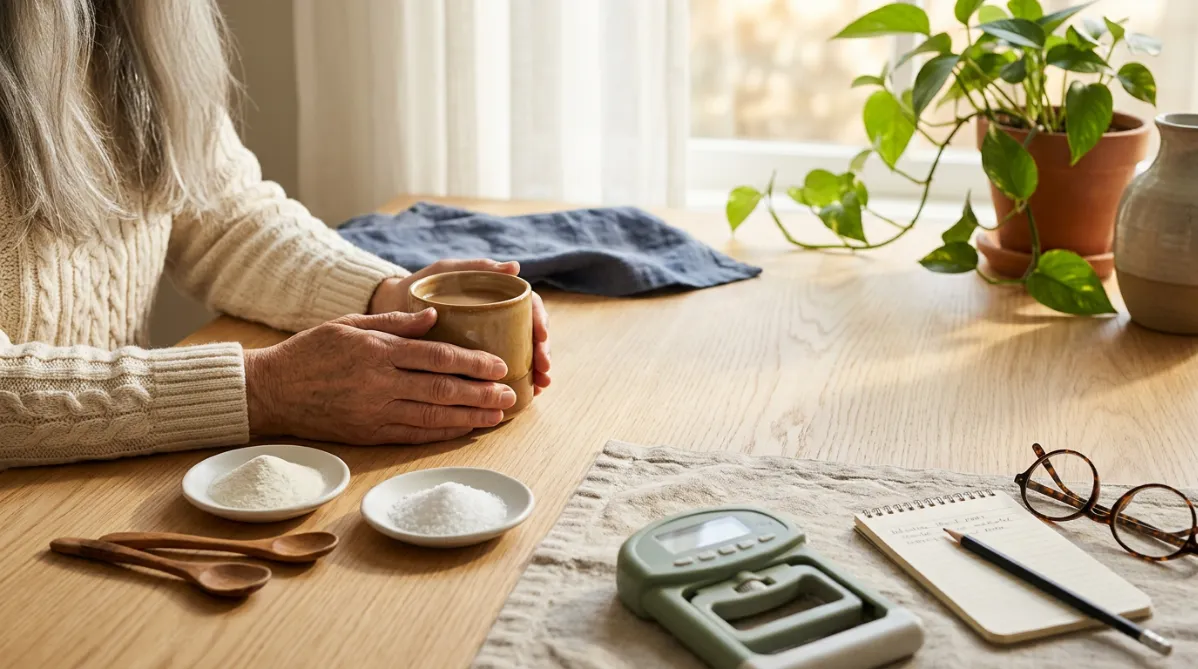
A landscape editorial photograph of a sunlit kitchen table in soft morning light. An older adult's hands, with silver hair and a cream knit sleeve just visible, rest around a ceramic mug. Beside the mug are two small matte white ceramic dishes. One holds a mound of fine white powder, and the other holds a slightly different crystalline white powder. Two wooden spoons lie next to them. A handheld hand-grip dynamometer in muted sage green sits on a linen placemat in the foreground, slightly out of focus. A small open notebook with a pencil and a pair of round tortoiseshell reading glasses sit nearby, with no legible text.

The tabletop is pale oak with a visible grain. Behind it, a window with sheer curtains lets in warm golden light, and the blurred shapes of a trailing green pothos plant and a pale terracotta vase show in the background. The color palette is warm cream, sage green, soft terracotta, and pale wood, with a touch of muted navy from a folded napkin. The mood is calm, thoughtful, and quietly scientific without any laboratory feel.

The composition follows the rule of thirds. The hands and dishes sit in the left-center, and generous negative space on the right is suitable for a title overlay. Shallow depth of field, 50mm lens look, gentle film grain, and soft shadows. Modern lifestyle-magazine and health-journal aesthetic, natural and unstaged, high-end editorial photography.
nutrition

Il precursore della creatina supera la creatina nella forza di presa nei soggetti over 65

BY DR. GYMBRO ·

Un piccolo studio su adulti over 65 ha scoperto che l’acido guanidinoacetico (GAA), precursore diretto della creatina, ha migliorato la presa più della creatina monoidrato. Si tratta però di un trial pilota di otto settimane con soli 21 partecipanti completi, senza programma di esercizio, e con un intervallo di confidenza che a malapena supera lo zero. Il GAA ha inoltre mostrato una soppressione più marcata della miostatina e dei miglioramenti misurati con BIA negli indici legati al muscolo, sebbene possibili riflessi di idratazione. L’omocisteina è il parametro di sicurezza da tenere d’occhio, poiché il GAA consuma gruppi metilici e l’ha aumentata in altri studi. Ecco cosa è emerso dallo studio, cosa non possiamo ancora affermare e perché la creatina monoidrato resta la scelta provata di default.
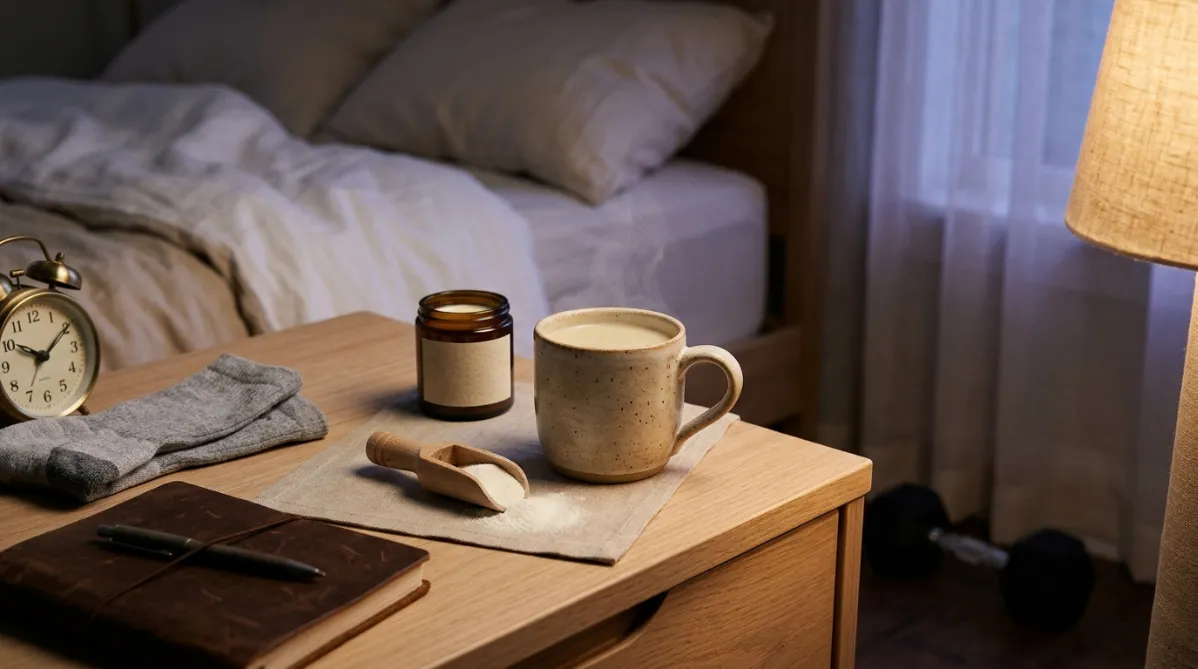
A softly lit bedroom nightstand scene in landscape format, photographed in a modern editorial lifestyle style. In the center of the frame sits a handmade ceramic mug in warm oatmeal tones, filled with a pale creamy drink. A thin wisp of steam rises from it. Beside the mug, a small wooden scoop rests on a matte linen-textured surface with a fine dusting of white collagen powder. A minimal amber glass jar with a cream label stands just behind, with no readable text. The nightstand is pale oak with subtle grain.

To the left, a neatly folded pair of gray cotton athletic socks and a worn leather-bound training journal with a pen on top hint at a lifter's routine. A small brass alarm clock reads about 9:30 and is slightly out of focus. On the right side, a sheer curtain filters the last blue-violet twilight from a window, while a warm bedside lamp with a linen shade casts a honey-colored glow across the scene. The glow contrasts gently with the cool dusk tones.

Behind the nightstand, the edge of a rumpled bed with soft white and sand-colored bedding is visible, with a dumbbell resting quietly on the floor in the soft-focus background to suggest recovery after training. The depth of field is shallow, with the mug and scoop in crisp focus and the background dissolving into creamy bokeh.

The palette is calm and earthy: warm beige, soft cream, muted terracotta, and dusk blue accents. The lighting is cinematic and low-key, with gentle highlights on the ceramic rim and a subtle rim light on the steam. The composition follows the rule of thirds, with the mug placed on the left third and generous negative space on the right for title overlay. The mood is serene, restorative, and quietly scientific without any clinical elements. The finish is clean, high-end, and magazine-worthy, with fine film grain and natural color grading, like a wellness feature in a contemporary online journal.
recovery

Il trucco del collagene da 15 g prima di dormire che riduce le sveglie notturne del 27 %

BY DR. GYMBRO ·

Svegliarsi più volte durante la notte può compromettere silenziosamente il recupero, anche quando allenamento e nutrizione sono al top. Una piccola sperimentazione ha scoperto che 15 g di peptidi di collagene assunti un'ora prima di coricarsi hanno ridotto gli eventi di risveglio registrati con polisonnografia da 29,3 a 21,3, ossia circa il 27 % in meno. I partecipanti hanno inoltre ottenuto risultati migliori al test Stroop mattutino. Tuttavia, la durata totale del sonno, la latenza e l’efficienza non sono cambiate, e lo studio ha coinvolto solo 13 uomini per 7 notti con un prodotto fornito dall’industria. Ecco cosa mostrano davvero i dati e come chi solleva pesi può testare questa strategia in sicurezza.
A wide, editorial-style flat lay photographed from above on a pale warm-gray stone countertop in soft morning window light. On the left, a simple white ceramic bowl holds fine white baking soda powder, with a vintage wooden spoon resting beside it and a light dusting of powder spilling across the surface. In the center, three identical clear glass tumblers sit in a neat row, each filled with a slightly different cloudy liquid: one almost clear, one milky white, one faintly yellow-tinged. Small kraft paper labels tied to the glasses with twine remain blank. To the right, a minimalist silver stopwatch lies on a folded navy athletic towel, its hands frozen mid-count. A few fresh lemon halves and a single sprig of mint add a bright, natural accent near the citrate glass. A pair of worn but clean women's running shoes sits partly in frame at the upper right corner, laces loose, hinting at an athlete without showing a person. Subtle long shadows fall diagonally across the scene, giving depth and a calm, modern feel. The color palette is muted and cohesive: chalky whites, soft sage green, warm sand, deep navy, and small pops of lemon yellow. Shallow depth of field gently blurs the edges, with crisp focus on the center glasses and stopwatch. Plenty of clean negative space across the top third leaves room for a headline overlay. The overall look is a trendy health and performance journal: clean, tactile, slightly grainy film-like texture, natural and understated, with no text, no logos, and no futuristic elements.
nutrition

Il bicarbonato supera il citrato di sodio e la combinazione di 17 secondi

BY DR. GYMBRO ·

Si pensa che combinare più buffer sia più efficace di usarne uno solo. In uno studio crossover su dieci atlete CrossFit di alto livello, il bicarbonato di sodio ha ridotto il tempo di una prova di 6 km di 21,5 secondi rispetto al placebo, mentre ni citrato di sodio né la loro combinazione hanno mostrato vantaggi significativi. Il bicarbonato è stato anche più veloce del citrato di 11,6 secondi e della combinazione di 17,2 secondi, a costo di un maggiore disagio gastrico. Scopri cosa ha rivelato lo studio, perché la combinazione è fallita e come provare il bicarbonato in sicurezza.
A warm, softly lit modern home gym or sunlit studio, photographed in a clean editorial style. In the center-right of the frame, a silver-haired woman in her mid-60s with a calm, confident expression grips a matte black kettlebell at hip height. She wears a fitted sage-green athletic top and charcoal leggings. Her forearms and shoulders show lean, defined strength rather than bulk. Beside her, slightly out of focus, a man in his late 60s with short white hair and a trim beard performs a controlled bodyweight plank on a pale oak floor.

In the foreground on the left, a minimalist wooden tray holds two small ceramic bowls. One contains fine white powder and the other holds a few cream-colored capsules. Next to them sit a glass of water with a lemon slice and a folded linen towel. A subtle scatter of powder dusts the tray. The foreground is shot with shallow depth of field and a creamy bokeh falloff.

Behind them, tall windows pour in golden morning light, with long soft shadows across the floor. A potted fiddle-leaf fig and a stacked set of pastel-toned dumbbells on a low wooden shelf add texture. The wall is warm off-white plaster with a hint of terracotta in the corner.

The palette is muted and modern: sage green, warm cream, soft terracotta, natural oak, and charcoal, with gentle highlights. The mood is quietly optimistic, focused, and grounded, suggesting strength, vitality, and measured scientific curiosity. The composition leaves clean negative space in the upper-left for a headline overlay. The look is a high-end wellness magazine cover with natural film-like grain, soft contrast, and crisp detail on the hands and kettlebell. There is no text, no logos, and no futuristic elements, only authentic, aspirational realism.
nutrition

Creatina + HMB rendono più forti gli over‑60 in 6 settimane, ma non più grandi

BY DR. GYMBRO ·

Un protocollo di sei settimane con creatina e HMB ha aumentato significativamente la forza di gambe, braccia, schiena e core in adulti attivi sopra i 60 anni, mentre la massa muscolare è rimasta quasi invariata. Lo studio, randomizzato, in doppio cieco e crossover su 30 soggetti, suggerisce che i guadagni di forza siano dovuti principalmente a meccanismi neuromuscolari, non a un accrescimento della massa. Attenzione però ai limiti: durata breve, campione ristretto e valutazione della composizione corporea tramite BIA.
A wide, landscape editorial photograph with soft natural morning light. In the foreground, a rustic matte ceramic bowl rests on a pale oak wooden table, filled with vivid deep-green spirulina powder heaped in a gentle mound. A small wooden spoon dusted with the powder lies beside it, and a few scattered green flecks dust the surface. Next to the bowl sits a clear glass of water with a swirl of emerald green just blending in, catching sunlight and casting soft green-tinted shadows.

In the middle ground, slightly out of focus, a pair of worn running shoes in muted sage and cream tones sits on the edge of the table, laces loosely undone. A simple analog stopwatch with a clean white face lies beside them, its hands frozen at a moment suggesting a close finish. A folded linen towel in warm oatmeal tone drapes casually nearby.

The background is a softly blurred outdoor setting seen through a large window: a quiet tree-lined running path at dawn, with golden-hazy light, dewy greenery, and a faint mist. The color palette is calm and modern: deep emerald, sage, cream, warm wood, and touches of soft gold. The composition leaves generous negative space on the right side for headline text, with a shallow depth of field, crisp detail on the powder texture, and a clean, minimalist, lifestyle-magazine aesthetic. Subtle film-like grain, natural shadows, and a fresh, healthy, energetic mood. No people, no text, no logos.
nutrition

La spirulina ha aiutato i runner a durare il 32 % in più — ecco il problema

BY DR. GYMBRO ·

I runner che hanno assunto spirulina per quattro settimane sono riusciti a proseguire circa il 32 % in più durante uno sforzo al massimo, al termine di una corsa estenuante di due ore. Lo stesso studio ha mostrato un aumento del 10,9 % dell'ossidazione dei grassi e livelli più alti di glutatione, il principale antiossidante. Però c’è un rovescio della medaglia: al campione hanno partecipato solo nove uomini e il miglioramento reale si è tradotto in circa 39 secondi. Ecco cosa dicono i dati, perché la spirulina potrebbe funzionare e come assumerla in sicurezza.
A softly lit editorial flat-lay on a pale oat-colored linen surface, shot from slightly above in a wide landscape composition. On the left, a small cluster of fresh Coleus forskohlii plant sprigs with velvety, scalloped green leaves and a few delicate lavender-blue flowers lies beside a rustic ceramic bowl of fine, golden-brown powdered root extract. A wooden scoop rests in the powder. In the center, a minimalist amber glass dropper bottle and a few cream-colored capsules are spilled neatly onto the linen, with no readable labels or logos. On the right, a slim analog kitchen scale in matte white shows a small, subtle weight, and beside it a soft sage-green measuring tape is loosely coiled in a gentle curve, hinting at waist measurement. A small open notebook with blank cream pages and a thin brass pen suggests careful tracking, with a few abstract pencil tick marks and no legible text. Accents include a halved lemon, a glass of water with condensation, and a sprig of eucalyptus for a calm wellness feel. Natural morning window light enters from the upper left, casting long, soft, diffused shadows and warm highlights across the textures of linen, ceramic, glass, and leaves. The palette is muted and modern: sage green, warm cream, soft terracotta, honey amber, and touches of dusty lavender. Shallow depth of field gently blurs the far edges, with the focus on the center objects. The mood is calm, trustworthy, and quietly skeptical, like a high-end health and science magazine cover. It is clean and uncluttered, with generous negative space at the top for headline overlay. Photographic, high-resolution, with subtle film grain and true-to-life color.
nutrition

Forskolin brucia grassi: 2 kg in 12 settimane — Modesto ma reale?

BY DR. GYMBRO ·

Forskolin è stato promosso per anni come il miracoloso brucia‑grassi, ma quanto conferma davvero la scienza? Un nuovo studio del 2026, condotto su 60 adulti in sovrappeso per 12 settimane, evidenzia una perdita di peso di circa 1,93 kg e una riduzione della circonferenza vita di 1,83 cm, con miglioramenti di trigliceridi e HDL. Tuttavia lo studio è quasi‑randomizzato, di piccole dimensioni e finanziato dal produttore, e l’effetto rimane modesto rispetto ai farmaci GLP‑1. Ecco cosa dicono i dati e come valutare il forskolin con aspettative realistiche.
A wide, softly lit editorial still life on a pale oatmeal-colored linen surface, shot from a slightly elevated three-quarter angle. In the center-left, a small matte ceramic dish holds a tiny pile of fine white powder, with a single minuscule measuring spoon resting beside it. To the right, a much larger wooden scoop is heaped high with the same pale powder, spilling gently onto the linen, creating a striking visual contrast of tiny versus large quantity. Behind them, a cream-colored supplement tub with a blank, minimalist label sits slightly out of focus, along with a few amber glass capsules scattered casually.

In the soft-focus background, a runner's well-worn sneaker and a chalk-dusted, wrapped knee sleeve rest on a light ash-wood bench, hinting at gym and road without showing a person. A thin brushed-steel stopwatch lies in the foreground, its hands paused, subtly suggesting timing and endurance. A sprig of dried eucalyptus and a folded sheet of paper with out-of-focus handwritten notes add a quiet, editorial research feel.

Natural morning light streams in from the left through a sheer curtain, casting long, gentle shadows and a warm, creamy glow. The palette is restrained and modern: warm ivory, sand, soft sage green, muted terracotta, and touches of brushed silver. Shallow depth of field with crisp detail on the powders and stopwatch, creamy bokeh in the background. The composition leaves open negative space on the right third for headline text. The overall mood is calm, trustworthy, and contemporary, like a premium health and wellness journal cover, with fine film-like grain and clean, minimalist styling.
recovery

Una dose di 40 mg di collagene raddoppia il tempo prima del dolore al ginocchio. Ecco il trucco

BY DR. GYMBRO ·

Gonfi le ginocchia sotto il bilanciere o durante la corsa? Uno studio randomizzato ha scoperto che solo 40 mg al giorno di collagene di tipo II non denaturato (UC‑II) ritardano la comparsa del dolore al ginocchio da 1,4 a 2,8 minuti e migliorano l’estensione dell’articolazione. Si tratta di una quantità circa 250 volte inferiore a una tipica porzione di 10 g di collagene idrolizzato, ed è un prodotto completamente diverso. Lo studio, però, è piccolo, finanziato dall’industria e ha coinvolto soggetti sani, non pazienti artritici. Ecco cosa dicono i dati, il contesto necessario per il titolo e come interpretare l’etichetta.
A wide, editorial-style still life photographed from slightly above on a pale oat-colored linen surface, lit by soft natural window light from the left. At the center sits a rustic ceramic bowl of finely ground golden-tan ginger powder, with a small wooden spoon resting in it and a light dusting of spice across the cloth. Beside it lie several whole ginger rhizomes, knobby and honey-brown. One is sliced open to show its pale yellow, fibrous interior, and a few paper-thin slices fan out in the foreground. On the right, a folded heather-gray gym towel, a matte sage-green resistance band coiled loosely, and a single brushed-steel dumbbell sit just inside the frame, softly out of focus. A glass of warm amber ginger tea steams faintly near the upper right, with a thin curl of lemon peel inside. A few fresh green leaves and a small linen pouch of dried ginger add texture. The palette is warm and muted: cream, soft gold, sage, terracotta, and charcoal accents. The shallow depth of field keeps the ginger bowl and sliced root crisp while the gym elements melt into a gentle blur. Shadows are long and soft, and the negative space on the upper left leaves room for a headline. The mood is calm, clean, and modern, like a contemporary wellness or science journal cover. It is a natural, tactile, high-resolution photograph with subtle film grain and no text, no people, and no futuristic elements.
recovery

2 grammi di zenzero riducono il dolore muscolare del giorno successivo di circa il 25 % in due studi

BY DR. GYMBRO ·

Una spezia da cucina comune si è appena scontrata con una delle lamentele più universali della palestra: il dolore muscolare del giorno dopo. In due studi in doppio cieco, chi ha assunto 2 grammi di zenzero al giorno per 11 giorni ha riportato circa il 25 % in meno di dolore 24 ore dopo un esercizio eccentrico intenso. Tuttavia lo zenzero non ha mostrato miglioramenti chiari in forza o gonfiore, e nessuno lo ha confrontato con l’ibuprofene. Ecco cosa mostrano le ricerche, perché potrebbe funzionare, dove le prove sono deboli e chi potrebbe valutarne l’uso.
A wide, landscape editorial photograph with a modern wellness-journal feel. In the foreground, a clear glass vial of pale amber liquid sits on a matte white stone surface, with a small dropper beside it and a few droplets catching soft light. A slim brushed-steel measuring spoon and a minimalist notebook with handwritten dose calculations in pencil rest nearby. The numbers are blurred and unreadable.

In the softly blurred background, a bright, airy modern gym with large windows and morning light. A fit man in his thirties, in a charcoal athletic shirt, is mid-stride on a treadmill in profile, with a gentle sheen of sweat and a focused expression. Behind him, a wooden plyo box, a kettlebell, and a rope are arranged neatly, suggesting functional training.

The palette is calm and refined: warm cream, soft sage green, muted terracotta, and touches of deep navy. Natural golden side-light makes long, gentle shadows. Shallow depth of field with a crisp foreground and creamy bokeh. Clean composition with negative space on the left third for a title overlay. Premium magazine photography, subtle film grain, realistic textures, no text or logos, and no futuristic or digital elements.
nutrition

HMB migliora la capacità cardiovascolare, non la forza, nello studio del 2026

BY DR. GYMBRO ·

L'HMB è solitamente promosso come aiuto per mantenere la massa muscolare e accrescere la forza, ma uno studio triplo cieco del 2026 ha svelato qualcosa di diverso. In 90 uomini, una dose personalizzata di acido libero HMB (90 mg per kg di massa magra al giorno) associata a un allenamento funzionale ad alta intensità ha incrementato VO₂max e i parametri di soglia più del placebo. L’effetto è risultato più evidente negli atleti allenati, mentre la forza isometrica delle gambe è rimasta invariata. Ecco come è calcolata la dose, il confronto con la classica dose da 3 g e chi potrebbe trarne beneficio.
A wide, editorial-style photograph of a rugged Himalayan cliff face at golden hour, with dark, glossy resin seeping from the cracks in the layered stone. Thick, tar-like droplets catch the warm light and shine like polished obsidian. In the foreground, a weathered hand holds a small, rustic ceramic dish with a spoonful of purified Shilajit. The resin is deep brown-black, glossy, and stretches in a slow, viscous ribbon from the spoon. Beside the dish sits a simple, minimalist amber glass dropper bottle with a plain cream label, a folded linen cloth, and a few scattered dried herbs, suggesting a modern wellness ritual. The mid-ground shows soft layers of misty mountain ridges fading into a pale peach and dusty blue sky. The background is gently blurred, with shallow depth of field and creamy bokeh. The color palette is earthy and muted: warm ochre, charcoal, sage green, and soft cream, with a subtle film-grain texture. Natural side lighting creates long, gentle shadows and highlights the textures of the stone, resin, and ceramic. The composition follows the rule of thirds, with the dish and bottle in the lower left and open negative space on the right for headline overlay. The mood is calm, grounded, and credible, like a high-end health and science magazine feature, with a refined, contemporary, slightly documentary look. There is no text, no people's faces, and no futuristic elements.
science research

Shilajit Testato: Il “catrame di montagna” può davvero aumentare il testosterone?

BY DR. GYMBRO ·

Lo Shilajit, il “catrame di montagna” himalayano pubblicizzato come stimolatore naturale del testosterone, è stato testato in uno studio randomizzato, in doppio cieco e controllato con placebo. In uomini di età compresa tra 45 e 55 anni, 250 mg di Shilajit purificato due volte al giorno per 90 giorni hanno aumentato in modo significativo il testosterone totale, quello libero e il DHEAS rispetto al placebo, mentre LH e FSH sono rimasti stabili. I risultati sono incoraggianti ma modesti, limitati a una fascia d’età media e si basano solo su livelli ormonali, non su performance in palestra. Ecco cosa dimostra la ricerca, cosa non dimostra, e perché è fondamentale controllare la purezza e i test sui metalli pesanti quando si acquista il prodotto.
A landscape editorial photograph in soft natural morning light. In the foreground on a rustic light oak table, a small cluster of fresh Rhodiola rosea plants with thick succulent blue-green leaves and tiny golden-yellow flower clusters rests beside a few dried, knobby amber-brown rhizome pieces. A matte ceramic cup of pale golden herbal tea sits beside them, with a thin curl of steam and a small linen cloth. The plants and roots are sharp, with fine texture and dewy highlights.

In the softly blurred background, a lean cyclist in a fitted charcoal jersey stands beside a road bike on a quiet country lane at sunrise. Rolling green hills fade into pale mist behind them, and warm light rims the rider's shoulders. The cyclist tightens a glove, calm and focused, in a pre-ride moment of preparation. A water bottle is mounted on the bike frame, and a simple analog stopwatch with a brushed metal casing lies on the table near the herbs, hinting at timed effort.

The palette is muted and modern: sage green, warm cream, soft gold, and slate gray, with gentle peach tones from the sunrise. Shallow depth of field, a clean, airy composition with generous negative space on the right third for headline text, and subtle film grain. The mood is calm, health-conscious, and quietly athletic, like a premium wellness and sports science magazine cover. No text, no logos, no futuristic elements.
science research

Rhodiola Rosea: un pre‑allenamento senza stimolanti per il cardio intenso?

BY DR. GYMBRO ·

Uno studio crossover del 2013 ha mostrato che una singola dose di 3 mg/kg di *Rhodiola rosea*, assunta un’ora prima di una prova di 6 miglia in bicicletta, ha ridotto il tempo di arrivo da 25,8 a 25,4 minuti. La frequenza cardiaca durante il riscaldamento è scesa da 140 a 136 bpm e la percezione dello sforzo è passata da 6,6 a 6,0. Il guadagno è piccolo, circa l’1,5 %, ed è basato su soli 18 soggetti, quindi non è un miracolo. Tuttavia, la riduzione della percezione di fatica rende questa opzione senza stimolanti interessante per gli atleti di resistenza. Ecco cosa dicono i dati e come provarla in modo sensato.
A bright, modern editorial flat-lay photographed from above on a soft off-white stone surface. At the center sits a matte ceramic scoop heaped with fine white creatine powder, with a loose dusting of powder fanning out across the surface. Beside it is a minimalist frosted-glass jar with a plain label and a brushed-steel shaker bottle lying on its side. To the left, a wooden comb and a small folded strip of graph paper with a single hand-drawn upward curve in muted terracotta ink, suggesting a data spike without any text. A few loose strands of dark brown hair curve elegantly across the stone near the comb. To the right, a clean glass beaker filled with water and a sprig of green rosemary, and an open notebook with blank pages and a sleek pen. The palette is warm neutrals: cream, sand, soft sage green, and a single accent of terracotta orange. Natural window light falls from the upper left, casting long, gentle shadows and a subtle diffused glow. The composition leaves generous negative space on the right third for title overlay. Shallow depth of field with crisp focus on the powder scoop, a premium health-and-science magazine look, minimalist, calm, and trendy, with fine grain and soft contrast. Landscape 16:9 framing.
science research

Creatina e perdita di capelli: l’aumento del DHT del 56 % spiegato

BY DR. GYMBRO ·

Uno studio del 2009 ha evidenziato che un periodo di carico di creatina di 7 giorni a 25 g al giorno ha aumentato il DHT del 56 %, con livelli ancora circa il 40 % più alti durante la fase di mantenimento a 5 g al giorno, mentre il testosterone è rimasto stabile. Poiché il DHT è legato alla calvizie maschile, questo dato ha alimentato il dibattito sulla creatina e la perdita di capelli. Tuttavia, lo studio ha coinvolto solo 20 rugbisti, è durato tre settimane e non ha mai misurato i capelli. Ricerche successive non hanno replicato costantemente l’aumento del DHT. Ecco cosa mostra davvero la ricerca, a chi può interessare e come comportarsi se sei preoccupato.
A sun-lit editorial still life on a pale oak gym bench: a loaded barbell rests on a rack just above it, chalk dust drifting in the air. In the foreground sits a small ceramic bowl of roasted beets, some sliced to show their deep magenta rings, with a few whole beets still wearing their leafy burgundy stems. Next to the bowl is a matte white supplement tub with a minimal label, a wooden scoop of fine white powder, and a clear glass of water catching soft highlights. A slim notebook lies open beside them with a simple hand-drawn bar graph and a pen, suggesting data and analysis without any readable text. Behind the bench, a softly blurred minimalist training space: raw concrete wall, tall window with warm morning light, a rack of black dumbbells fading into bokeh. The palette is earthy and modern: beet magenta, warm cream, charcoal, brushed steel, and touches of sage green from the beet leaves. Soft directional light from the left creates long gentle shadows and a slight film-grain texture. Shallow depth of field keeps the beets and powder tack sharp. The composition is wide and balanced, with negative space on the right for headline overlay. The overall feel is a clean, contemporary health and fitness journal photograph, warm and tactile, with an understated scientific tone.
nutrition

Betaine aumenta la potenza del bench‑throw di circa il 16 % in 14 giorni

BY DR. GYMBRO ·

Due settimane di integrazione con betaina – il composto naturale presente nelle barbabietole e commercializzato come TMG – sono state associate a un incremento di circa il 16 % della potenza nel bench‑throw al primo giorno di un intenso ciclo di test su uomini allenati alla resistenza. Uno studio randomizzato, in doppio cieco e crossover, ha mostrato anche un miglioramento della forza isometrica in panca, con effetti più modesti sulla potenza del salto verticale e sulla forza isometrica dello squat. Tuttavia non sono cambiati né il numero di ripetizioni né la potenza del salto squat, e lo studio ha coinvolto solo 12 partecipanti. Ecco i dati, il dosaggio utilizzato e le conclusioni che i sollevatori dovrebbero trarre.
A clean, editorial still life shot from a slightly elevated angle on a pale oatmeal-colored stone countertop, lit by soft natural window light from the left that casts long, gentle shadows. In the center sits an open, unlabeled amber glass supplement bottle on its side, with a small scatter of cream and white capsules spilling toward the viewer. Beside it, a matte ceramic dish holds a few capsules and a pinch of coarse sea salt. To the right, a neatly arranged group of whole foods that are natural zinc and magnesium sources: halved oysters on a small slate board, a small bowl of pumpkin seeds, a handful of raw cashews, and a few dark green spinach leaves. In the left foreground, a worn leather gym notebook lies open with minimal handwritten tally marks and a simple hand-drawn flat line graph in dark ink, with a brass pen resting across it. A single chrome dumbbell handle edges into the frame at the far left, softly out of focus, and a folded charcoal gym towel sits at the top right corner. The palette is warm and muted: sand, cream, sage green, amber, and charcoal, with a subtle terracotta accent in the ceramic dish. The depth of field is shallow, with the capsules and bottle in crisp focus and the background gently blurred into a soft beige haze. The mood is calm, thoughtful, and skeptical, like a modern health and science magazine feature. The composition leaves generous negative space on the upper right for headline text. The texture is tactile and fine-grained, with a subtle film-like softness and natural contrast. Wide landscape 16:9 framing.
science research

ZMA per il testosterone? 8 settimane su sollevatori non hanno trovato nulla

BY DR. GYMBRO ·

Lo ZMA è diventato famoso grazie a proclami audaci sul testosterone, a un legame con lo scandalo BALCO e a uno studio precoce sul football universitario che pareva promettere grandi miglioramenti. Poi i ricercatori hanno messo alla prova la teoria con 42 uomini allenati, in uno studio doppio cieco della durata di otto settimane. I livelli sierici di zinco sono aumentati dell'11‑17 %, ma senza significato statistico, e non c’è stata alcuna differenza su ormoni, forza, composizione corporea, resistenza o potenza anaerobica rispetto al placebo. Ecco cosa ha mostrato realmente lo studio, perché una carenza resta una questione a sé e cosa dovrebbero fare gli appassionati di sollevamento.
A wide, landscape editorial photograph of a clean, sunlit kitchen counter or pale stone tabletop, styled like a modern wellness magazine spread. Two scoops sit side by side on a matte ceramic surface. The left one is a plain, humble wooden scoop heaped with fine white creatine powder. The right is a glossy, ornate brushed-gold scoop holding the same white powder, which hints at "premium" branding. Behind each scoop stands a tub. The left tub is minimal, matte, and cream-colored with simple sans-serif lettering and no readable words. The right tub is sleek black with metallic gold accents and an overly polished look. A few fine grains of powder are scattered across the surface, catching the light.

The composition uses a shallow depth of field. The foreground scoops are crisp, and the background softly blurs into a warm neutral palette of oatmeal, soft sage green, and muted terracotta. Soft morning window light comes in from the left, casting long, gentle shadows and a subtle highlight along the scoops' edges. A small price tag shape, blank and unmarked, sits near the gold scoop, with a slightly crumpled paper texture to suggest the "pricey" angle without any text. A glass of water with condensation and a folded linen napkin sit at the edge of the frame. A single green sprig or eucalyptus stem adds a natural accent.

The overall mood is calm, intelligent, and quietly skeptical, with the plain option feeling confident and the flashy one a bit overdressed. The color grading is soft and slightly desaturated with creamy highlights, and there is fine film grain. The layout leaves generous negative space on the right third for a headline overlay. It looks like a high-end lifestyle and science journal cover, with a minimalist, tactile, trendy feel and no futuristic or sci-fi elements.
science research

Creatina etil‑ester vs monoidrato: la formula costosa è da dimenticare

BY DR. GYMBRO ·

I produttori di integratori adorano promuovere la “creatina avanzata” come più facilmente assorbibile rispetto alla formula tradizionale. Uno studio in doppio cieco del 2009 ha confrontato la creatina etil‑ester con il monoidrato e con un placebo su 30 uomini non allenati, sottoposti a sette settimane di intenso allenamento. Il CEE ha mostrato livelli più bassi di creatina nel siero e un marcato aumento della creatinina, indice di rapida degradazione. La concentrazione di creatina muscolare è aumentata in entrambi i gruppi di integrazione, ma forza, potenza e composizione corporea non sono variate tra i gruppi. Conclusione: ignora le formulazioni premium e resta sulla semplicità.
A wide, editorial-style flat lay photographed from above on a pale warm-gray stone countertop in soft morning window light. On the left, a small matte white ceramic bowl holds fine white arginine powder, with a wooden scoop resting beside it. At the center, two halved oranges and one whole lemon in saturated citrus tones, with a few glossy droplets of water on the cut surfaces, to suggest vitamin C. On the right, three slim amber glass capsule bottles with minimal cream labels and no legible text stand in a loose row, with a few white capsules spilling out. A single chrome dumbbell handle enters the frame from the upper right corner, partly cropped, its cool metallic sheen contrasting with the warm fruit. A sprig of green rosemary and a folded linen napkin in oatmeal beige add texture. Long soft shadows fall to the left. The palette is warm cream, sunny orange, soft yellow, and muted sage, with a few crisp accents of steel gray. The composition is airy and uncluttered, with generous negative space in the upper left for a title overlay. It has a shallow depth of field, a crisp foreground, and a faintly blurred background. The look is clean, contemporary, and wellness-magazine, like a premium health and fitness journal cover, with natural grain, high-end product photography quality, and a calm, fresh, trustworthy mood.
science research

3 g di Arginina + 500 mg di Vitamina C: il testosterone aumenta del 26 % nei sollevatori

BY DR. GYMBRO ·

Per anni l’arginina è stata liquidata come un esaltatore di ossido nitrico sopravvalutato, ma un nuovo studio randomizzato introduce una svolta: abbinarla alla vitamina C. In 50 bodybuilder maschi, 3 g di arginina (divisi in tre dosi) più 500 mg di vitamina C per 45 giorni hanno aumentato in maniera significativa testosterone e VO2max rispetto al placebo, mentre il grasso corporeo è diminuito. Ormone della crescita, cortisolo e bilancio azotato non sono cambiati in modo significativo tra i gruppi. È una combinazione economica da tenere d’occhio, ma proviene da un unico piccolo studio e un testosterone più alto non garantisce più muscoli.
A wide, softly lit editorial photograph of a rustic light-oak table by a sunny window. On it, a handful of dried brown kelp and wakame seaweed fronds spill from a handmade matte ceramic bowl in warm sand tones, their glossy, ruffled edges catching the light. Beside the bowl sits a small wooden scoop holding fine golden-beige powder, with a little of it dusted across the table. In the middle ground, an older adult's weathered but strong hand grips a smooth, rounded river stone, with the knuckles and tendons subtly emphasized to suggest strength and vitality. Only the hand and part of a forearm in a soft oatmeal linen sleeve are visible.

In the background, slightly out of focus, a pair of worn leather walking shoes rests on a windowsill next to a trailing green plant. Beyond the window, a blurred coastal path winds through dune grass toward a pale blue sea, hinting at walking and an active daily life. A simple analog wristwatch lies on the table's edge, a quiet nod to the twelve-week timeline.

The palette is muted and natural: sage green, warm sand, soft ocean teal, and creamy off-white, with deep olive-brown accents from the seaweed. Morning light streams in from the left, casting long, gentle shadows and a faint golden glow. The depth of field is shallow, with crisp focus on the hand and seaweed and a creamy bokeh background. The composition follows the rule of thirds, with the hand and bowl on the left and generous negative space on the right for headline text. The mood is calm and hopeful, with a clean, contemporary wellness-magazine feel. The image is shot as if on a 50mm lens with subtle film grain and a natural, uncluttered, tactile look.
science research

Il fucoidano estratto dalle alghe potenzia la forza di presa negli over 60 in 12 settimane

BY DR. GYMBRO ·

Perdere forza con l’età è una trasformazione comune ma poco discussa; l’allenamento con i pesi, però, non è alla portata di tutti. Uno studio randomizzato di 12 settimane ha mostrato che un fucoidano a bassa massa molecolare, assunto a 1 650 mg al giorno, aumenta significativamente la forza di presa e la distanza percorsa nel test della camminata di sei minuti negli adulti sopra i 60 anni. Sorprendentemente la massa muscolare non è cambiata, e l’aggiunta di BCAA e vitamina D non ha fornito benefici aggiuntivi.
A clean, editorial flat-lay photograph shot from above on a pale warm-grey stone countertop, bathed in soft diffused morning light from the left. At the center sits a matte white supplement tub with a minimal sage-green label, its lid resting beside it. A small wooden scoop spills fine cream-colored whey powder in a gentle arc across the surface, creating delicate natural texture and soft shadows. Next to the powder, a small ceramic dish holds a handful of pale tan capsules and a few tiny golden-brown ginseng root slices and fragments of dried Panax notoginseng root, hinting at the botanical origin of the ingredient. A sprig of fresh green leaves with serrated edges adds a touch of organic color on the upper right.

In the foreground, a tall glass of milky shake with a subtle frothy surface, condensation beads on its sides, sits beside a folded linen napkin in oatmeal tone. A slim brushed-steel spoon and a minimal glass of water complete the arrangement. A pair of simple, elegant reading glasses and a closed notebook with a thin pencil rest at the upper left, suggesting a researcher's desk and a thoughtful review of data, with no legible text visible.

The palette is soft and modern: warm cream, sage green, muted terracotta, pale wood, and gentle off-white, with one small accent of deep amber from the ginseng slices. Composition follows the rule of thirds with generous negative space on the right side for title overlay. Shallow depth of field, crisp focus on the powder and capsules, with the edges gently softened. The mood is calm, trustworthy, and wellness-focused, evoking a contemporary health and science magazine aesthetic. High-resolution, natural color grading, subtle film grain, minimal and airy, 16:9 landscape.
nutrition

AstraGin: l'ingrediente nascosto in etichetta che ha aumentato l'assorbimento del siero

BY DR. GYMBRO ·

C’è un piccolo ingrediente sull’etichetta del tuo pre‑allenamento che probabilmente hai ignorato: AstraGin. Un nuovo studio pilota su volontari ha mostrato un aumento dell’assorbimento della valina del 14 %, della leucina dell’8 % e degli aminoacidi essenziali totali di quasi il 13 % in adulti tra i 60 e gli 80 anni. Anche la zonulina, indicatore di permeabilità intestinale, è scesa del 13 %. Tuttavia, le differenze in forza e massa muscolare non sono risultate statisticamente significative e lo studio ha coinvolto solo 30 partecipanti. Ecco cosa dicono davvero i dati sull’efficacia di AstraGin.

This page is available in