Dr. Gymbro
←

Recovery

12 articles
A wide, softly lit editorial still life on a warm, pale oat-colored surface. At the left, a lower leg and foot rest on a folded cream linen towel, wrapped in a matte white fiberglass cast with a subtle texture and a few faint pen scribbles near the ankle. The skin tone is natural and the lighting is gentle. At the center-right, a small ceramic bowl holds fine white creatine powder, with a matte wooden scoop resting beside it and a dusting of powder on the surface. Next to the bowl is a clear glass of water with light refracting through it, casting soft caustic ripples on the table. This hints at the water-retention idea without being literal.

In the background on the right, slightly out of focus, a pair of light grey resistance bands and a small sage-green dumbbell sit on a wooden stool, suggesting rehab. A tall, leafy plant in a terracotta pot adds organic greenery at the edge of the frame. Morning sunlight streams from a window on the left and creates long, soft shadows and a warm golden-peach glow. The palette is cream, sage green, terracotta, soft sky-blue shadows, and touches of natural wood. The composition has generous negative space in the upper left for a title overlay. Shallow depth of field, shot as if with an 85mm lens, with fine film grain. The look is clean, calm, modern wellness-magazine photography with a minimalist, tactile, trendy feel.
recovery

Creatina in gesso non salverà il muscolo, ma è utile in fase di riabilitazione

BY DR. GYMBRO ·

Tutti si chiedono se la creatina possa proteggere il muscolo quando un infortunio ti costringe a indossare un gesso. Una nuova revisione sistematica di sei studi randomizzati (118 giovani, 1‑2 settimane di immobilizzazione) mostra che le evidenze durante il periodo di inattività sono contrastanti, e alcuni apparenti benefici di massa magra potrebbero derivare solo da ritenzione idrica. Il segnale più interessante compare in fase di riabilitazione, dove due studi hanno riscontrato maggiori guadagni in termini di dimensione del quadricipite, potenza e forza con l’integrazione di creatina. Ecco i dati concreti, le limitazioni e a chi potrebbe interessare provarla.
A sunlit, minimalist home gym corner photographed in soft golden morning light, with a young athletic man seated on a wooden bench, leaning forward with his elbows resting on his knees, catching his breath after a hard leg session. He wears a muted sage-green t-shirt and charcoal shorts, his face turned slightly away from the camera, calm and focused. A matte ceramic dish in the foreground holds a few small, translucent golden softgel capsules, with a glass of water beside it catching the light and casting a soft caustic shadow across a pale oak floor. Behind him, a loaded barbell rests on a squat rack, slightly out of focus, and a tall window pours warm sunlight diagonally across the scene, creating long gentle shadows and a hazy glow. A small potted green plant sits on a shelf at the edge of the frame. The color palette is warm and editorial: cream, soft gold, sage green, pale wood, and charcoal accents. Shallow depth of field, with crisp focus on the capsules and glass in the lower third and a creamy bokeh background. The composition leaves generous negative space on the right side for a headline overlay. The mood is clean, modern, and aspirational, like a high-end wellness magazine or a trendy health journal feature. Shot on a 50mm lens, natural light, fine film grain, subtle matte finish, landscape 16:9 framing.
recovery

Vitamina D favorisce il recupero della forza negli uomini con livelli sufficienti

BY DR. GYMBRO ·

Uomini con vitamina D nella norma hanno recuperato la forza più velocemente dopo un intenso allenamento delle gambe assumendo 4.000 UI al giorno. In uno studio randomizzato, controllato con placebo, su 28 soggetti attivi, la forza isometrica di picco è tornata circa l’8 % più alta a 24 h e i marcatori di danno muscolare (ALT, AST) sono aumentati meno. Tuttavia, l’indolenzimento non è migliorato. Scopri i risultati, i limiti dello studio e chi può trarne davvero beneficio.
A softly lit bedside table in a calm, modern bedroom at dusk, photographed in wide landscape format with shallow depth of field. In the foreground, a matte white shaker bottle sits beside a tall frosted glass of creamy, pale vanilla-colored protein shake, with a few condensation droplets catching warm light. Next to the glass rests a slim fitness band on a dark charcoal fabric strap, its small LED glowing a gentle green, lying casually on a light oak wooden surface. A small scoop of fine white protein powder rests on a ceramic dish nearby, with a light dusting of powder on the wood.

In the soft-focus background, a neatly made bed with oatmeal-colored linen bedding and a textured knit throw blanket. A sheer curtain filters the last peach and lavender light of evening from a large window. A small potted olive branch in a terracotta vase and a closed paperback book add a quiet editorial touch. A bedside lamp with a warm, cream-colored shade casts a golden glow across the scene and creates gentle highlights on the glass.

The palette is muted and harmonious: warm cream, soft sand, oatmeal beige, faint sage green accents, and touches of dusty lavender in the window light. The mood is peaceful, reassuring, and clean, like a contemporary wellness magazine or a trendy health journal feature. Lighting is natural and cinematic, with soft shadows and a subtle film-like grain. The composition follows the rule of thirds, with the shake and band on the left third and open negative space on the right for headline overlay. Minimalist, Scandinavian-inspired styling, high-end lifestyle photography, crisp details, and a tranquil, premium editorial feel.
recovery

La caseina prima di dormire non rovina il sonno: i dati di WHOOP

BY DR. GYMBRO ·

Ti sei mai chiesto se un frullato di 40 g di caseina prima di andare a letto possa sabotare il riposo? Uno studio randomizzato, in doppio cieco e crossover su 21 atlete universitarie di Divisione I, monitorato con i braccialetti WHOOP 4.0, non ha rilevato effetti negativi su durata, efficienza, frequenza cardiaca a riposo o HRV. Né l’alpha‑lactalbumina né i carboidrati hanno fatto la differenza. Tuttavia, nessuno di questi integratori ha migliorato il sonno. Ecco cosa dicono i dati, i limiti della ricerca e chi dovrebbe ancora evitare lo shake notturno.
A wide, editorial-style photograph of a volleyball player mid-landing from a jump on a sunlit indoor court, captured from a low side angle. The athlete's knee is slightly bent and the patellar tendon area is in sharp focus, with soft natural muscle definition and a light strip of kinesiology tape just below the kneecap. The polished honey-toned hardwood floor reflects warm window light, and the background falls away into a creamy blur of pale court lines and tall windows.

In the lower right foreground, slightly out of focus, a matte ceramic bowl holds a small mound of fine white creatine powder. A wooden scoop rests beside it, next to a clear glass of water and a folded white towel. This sits on a light oak bench at the edge of the court. A resistance band and a slanted decline board, used for eccentric rehab, lean softly against the wall behind the bench.

The palette is warm and natural: cream, soft white, honey oak, muted sage green accents from a gym bag, and a touch of terracotta from the athlete's sneakers. Light is golden-hour and diffused, with gentle shadows and a subtle film-grain finish. The composition follows the rule of thirds, with the athlete on the left and the supplement still life on the right. Negative space in the upper portion leaves room for a headline overlay.

The overall mood is calm, modern, and health-focused, like a contemporary wellness or sports-science journal cover. Shallow depth of field, a clean minimalist aesthetic, and true-to-life color. No text, no logos, no futuristic or digital elements.
recovery

Creatina per il ginocchio del saltatore? Sollievo dal dolore già alla quarta settimana

BY DR. GYMBRO ·

Il ginocchio del saltatore può tenere lontani gli atleti per mesi, e un nuovo studio verifica se l’integrazione di creatina possa accelerare la guarigione. Su 20 atleti sottoposti a riabilitazione eccentrica, solo il gruppo che ha assunto creatina ha mostrato un miglioramento significativo del dolore e della funzione (VISA‑P) a 4 settimane, oltre a un aumento dell’altezza del salto. A 8 settimane, invece, entrambi i gruppi erano migliorati in modo simile e l’interazione tra gruppi è risultata solo una tendenza (p = 0,099). Scopri come è stato condotto lo studio, come è stata assunta la creatina, chi può beneficiarne e perché, data la ridotta dimensione del campione, occorre prudenza.
A wide, softly lit bedroom scene at dusk, styled like a modern editorial photograph. In the foreground, a rumpled bed with textured oatmeal linen sheets and a single dented pillow sits beside a light oak nightstand. On the nightstand is a tall glass of creamy, milky white protein shake, a small wooden scoop and a matte ceramic tub with no readable label, beside a minimalist analog alarm clock. The clock's hands show a late hour, and it casts a faint shadow on the wall. A pair of clean white running shoes rests on the floor by the bed. A folded gray athletic hoodie lies at the foot of the bed, suggesting an athlete's lifestyle.

Warm amber light from a bedside lamp mixes with cool blue-gray twilight from a tall window with sheer curtains. The glow lands on the glass and gives the milky surface a soft sheen. Through the window, a muted city skyline fades into evening haze.

The palette is calm and sophisticated: warm cream, soft sage green, dusty blue, and a touch of terracotta from a small ceramic vase holding dried pampas grass. The composition follows the rule of thirds, with the glass and clock in the right third and open negative space on the left for headline text. Shallow depth of field keeps the glass and clock crisp while the background blurs gently.

The mood is quiet, slightly restless, and thoughtful, hinting at a night that does not go as planned. A subtle detail, a half-drawn curtain letting in a thin stripe of light across the rumpled sheets, suggests interrupted sleep. The look is clean, contemporary, and magazine-quality, with fine film grain, natural tones, and soft shadows, like a lifestyle wellness journal cover. No people, no text, no futuristic elements.
recovery

La “proteina del sonno” che ha aumentato i risvegli nei soggetti con disturbi del sonno

BY DR. GYMBRO ·

L’alfa‑lattalbumina è commercializzata come la “proteina del sonno” e, sulla base di studi acuti, si pensava potesse migliorare il sonno e le performance atletiche. Un nuovo studio randomizzato crossover ha valutato l’effetto su 24 atleti con reali problemi di sonno. Dopo una settimana di integrazione con 40 g di prodotto assunti due ore prima di coricarsi, non si è riscontrato alcun beneficio sul sonno; anzi, il numero di risvegli è aumentato leggermente (11,01 vs 10,25) e l’altezza del salto è diminuita (27,68 vs 28,58 cm). L’unico aspetto positivo è stata la riduzione dell’umore negativo serale. Scopri cosa è stato testato, cosa mostrano i dati e a chi conviene evitare questo integratore.
A landscape editorial still life shot from slightly above on a pale oat-colored linen surface, lit by soft morning window light with gentle long shadows. On the left, in warm golden sunlight, sits a small ceramic bowl of dried ashwagandha root pieces and a scatter of fine tan powder. Beside it are a few rough, rosy-gold slices of Rhodiola rosea root and a sprig of tiny succulent-like green leaves with yellow blossoms. A matte sand-colored stoneware mug of steaming tea and a simple glass of water stand nearby. A small amber glass bottle with a minimal unbranded label tips out two capsules.

The right side of the frame is cooler and bluer, as if dusk is arriving. It holds a muted indigo ceramic dish with a few pale capsules, a small bundle of dried chamomile flowers (the source of apigenin), and a few green tea leaves. A slim, unlit beeswax candle and a folded charcoal wool blanket suggest evening. The warm and cool halves meet softly in the center, where a rumpled white cotton napkin sits beneath a small brass spoon.

In the background, out of focus, a wooden shelf holds a worn paperback, a small potted plant, and the edge of a kettlebell in matte black, hinting at an active lifestyle. Subtle film grain, shallow depth of field, and a muted palette of cream, terracotta, sage green, and deep indigo give it a clean, modern wellness-magazine feel. Leave generous negative space in the upper third for a headline overlay. No text, no logos, no people.
recovery

Ashwagandha e Rhodiola funzionano: lo stack serale per il sonno è inefficace

BY DR. GYMBRO ·

Un nuovo studio a quattro bracci scuote il mondo degli integratori “stackati”. Su 103 adulti sani e attivi, una combinazione mattutina di 600 mg di ashwagandha e 300 mg di Rhodiola rosea è risultata associata a una minore percezione di stress, a una qualità del sonno più alta e a un umore migliorato. Lo “stack” serale più diffuso – magnesio L‑treonato, L‑teanina e apigenina – non ha portato alcun beneficio, e l’assunzione di entrambi gli stack ha persino peggiorato l’affetto positivo. Di seguito i risultati dello studio, i motivi per cui vanno interpretati con cautela (solo due settimane, gruppi piccoli) e come gli sportivi potrebbero impiegarli.
A softly lit bedroom nightstand scene in landscape format, photographed in a modern editorial lifestyle style. In the center of the frame sits a handmade ceramic mug in warm oatmeal tones, filled with a pale creamy drink. A thin wisp of steam rises from it. Beside the mug, a small wooden scoop rests on a matte linen-textured surface with a fine dusting of white collagen powder. A minimal amber glass jar with a cream label stands just behind, with no readable text. The nightstand is pale oak with subtle grain.

To the left, a neatly folded pair of gray cotton athletic socks and a worn leather-bound training journal with a pen on top hint at a lifter's routine. A small brass alarm clock reads about 9:30 and is slightly out of focus. On the right side, a sheer curtain filters the last blue-violet twilight from a window, while a warm bedside lamp with a linen shade casts a honey-colored glow across the scene. The glow contrasts gently with the cool dusk tones.

Behind the nightstand, the edge of a rumpled bed with soft white and sand-colored bedding is visible, with a dumbbell resting quietly on the floor in the soft-focus background to suggest recovery after training. The depth of field is shallow, with the mug and scoop in crisp focus and the background dissolving into creamy bokeh.

The palette is calm and earthy: warm beige, soft cream, muted terracotta, and dusk blue accents. The lighting is cinematic and low-key, with gentle highlights on the ceramic rim and a subtle rim light on the steam. The composition follows the rule of thirds, with the mug placed on the left third and generous negative space on the right for title overlay. The mood is serene, restorative, and quietly scientific without any clinical elements. The finish is clean, high-end, and magazine-worthy, with fine film grain and natural color grading, like a wellness feature in a contemporary online journal.
recovery

Il trucco del collagene da 15 g prima di dormire che riduce le sveglie notturne del 27 %

BY DR. GYMBRO ·

Svegliarsi più volte durante la notte può compromettere silenziosamente il recupero, anche quando allenamento e nutrizione sono al top. Una piccola sperimentazione ha scoperto che 15 g di peptidi di collagene assunti un'ora prima di coricarsi hanno ridotto gli eventi di risveglio registrati con polisonnografia da 29,3 a 21,3, ossia circa il 27 % in meno. I partecipanti hanno inoltre ottenuto risultati migliori al test Stroop mattutino. Tuttavia, la durata totale del sonno, la latenza e l’efficienza non sono cambiate, e lo studio ha coinvolto solo 13 uomini per 7 notti con un prodotto fornito dall’industria. Ecco cosa mostrano davvero i dati e come chi solleva pesi può testare questa strategia in sicurezza.
A wide, softly lit editorial still life on a pale oatmeal-colored linen surface, shot from a slightly elevated three-quarter angle. In the center-left, a small matte ceramic dish holds a tiny pile of fine white powder, with a single minuscule measuring spoon resting beside it. To the right, a much larger wooden scoop is heaped high with the same pale powder, spilling gently onto the linen, creating a striking visual contrast of tiny versus large quantity. Behind them, a cream-colored supplement tub with a blank, minimalist label sits slightly out of focus, along with a few amber glass capsules scattered casually.

In the soft-focus background, a runner's well-worn sneaker and a chalk-dusted, wrapped knee sleeve rest on a light ash-wood bench, hinting at gym and road without showing a person. A thin brushed-steel stopwatch lies in the foreground, its hands paused, subtly suggesting timing and endurance. A sprig of dried eucalyptus and a folded sheet of paper with out-of-focus handwritten notes add a quiet, editorial research feel.

Natural morning light streams in from the left through a sheer curtain, casting long, gentle shadows and a warm, creamy glow. The palette is restrained and modern: warm ivory, sand, soft sage green, muted terracotta, and touches of brushed silver. Shallow depth of field with crisp detail on the powders and stopwatch, creamy bokeh in the background. The composition leaves open negative space on the right third for headline text. The overall mood is calm, trustworthy, and contemporary, like a premium health and wellness journal cover, with fine film-like grain and clean, minimalist styling.
recovery

Una dose di 40 mg di collagene raddoppia il tempo prima del dolore al ginocchio. Ecco il trucco

BY DR. GYMBRO ·

Gonfi le ginocchia sotto il bilanciere o durante la corsa? Uno studio randomizzato ha scoperto che solo 40 mg al giorno di collagene di tipo II non denaturato (UC‑II) ritardano la comparsa del dolore al ginocchio da 1,4 a 2,8 minuti e migliorano l’estensione dell’articolazione. Si tratta di una quantità circa 250 volte inferiore a una tipica porzione di 10 g di collagene idrolizzato, ed è un prodotto completamente diverso. Lo studio, però, è piccolo, finanziato dall’industria e ha coinvolto soggetti sani, non pazienti artritici. Ecco cosa dicono i dati, il contesto necessario per il titolo e come interpretare l’etichetta.
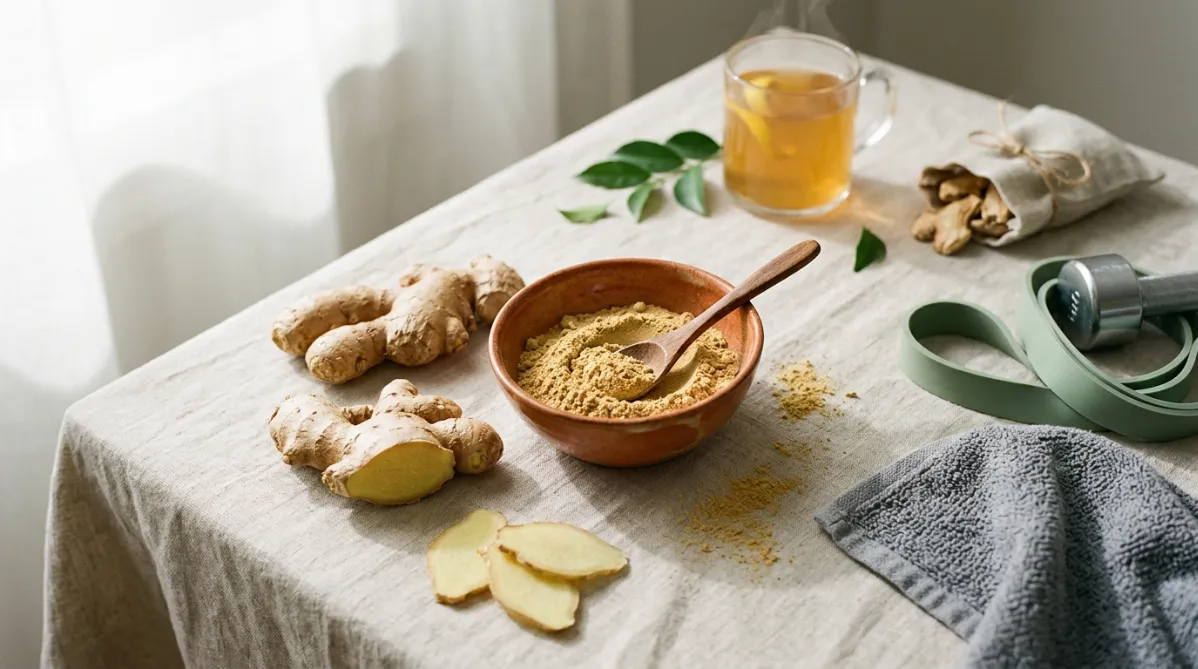
A wide, editorial-style still life photographed from slightly above on a pale oat-colored linen surface, lit by soft natural window light from the left. At the center sits a rustic ceramic bowl of finely ground golden-tan ginger powder, with a small wooden spoon resting in it and a light dusting of spice across the cloth. Beside it lie several whole ginger rhizomes, knobby and honey-brown. One is sliced open to show its pale yellow, fibrous interior, and a few paper-thin slices fan out in the foreground. On the right, a folded heather-gray gym towel, a matte sage-green resistance band coiled loosely, and a single brushed-steel dumbbell sit just inside the frame, softly out of focus. A glass of warm amber ginger tea steams faintly near the upper right, with a thin curl of lemon peel inside. A few fresh green leaves and a small linen pouch of dried ginger add texture. The palette is warm and muted: cream, soft gold, sage, terracotta, and charcoal accents. The shallow depth of field keeps the ginger bowl and sliced root crisp while the gym elements melt into a gentle blur. Shadows are long and soft, and the negative space on the upper left leaves room for a headline. The mood is calm, clean, and modern, like a contemporary wellness or science journal cover. It is a natural, tactile, high-resolution photograph with subtle film grain and no text, no people, and no futuristic elements.
recovery

2 grammi di zenzero riducono il dolore muscolare del giorno successivo di circa il 25 % in due studi

BY DR. GYMBRO ·

Una spezia da cucina comune si è appena scontrata con una delle lamentele più universali della palestra: il dolore muscolare del giorno dopo. In due studi in doppio cieco, chi ha assunto 2 grammi di zenzero al giorno per 11 giorni ha riportato circa il 25 % in meno di dolore 24 ore dopo un esercizio eccentrico intenso. Tuttavia lo zenzero non ha mostrato miglioramenti chiari in forza o gonfiore, e nessuno lo ha confrontato con l’ibuprofene. Ecco cosa mostrano le ricerche, perché potrebbe funzionare, dove le prove sono deboli e chi potrebbe valutarne l’uso.
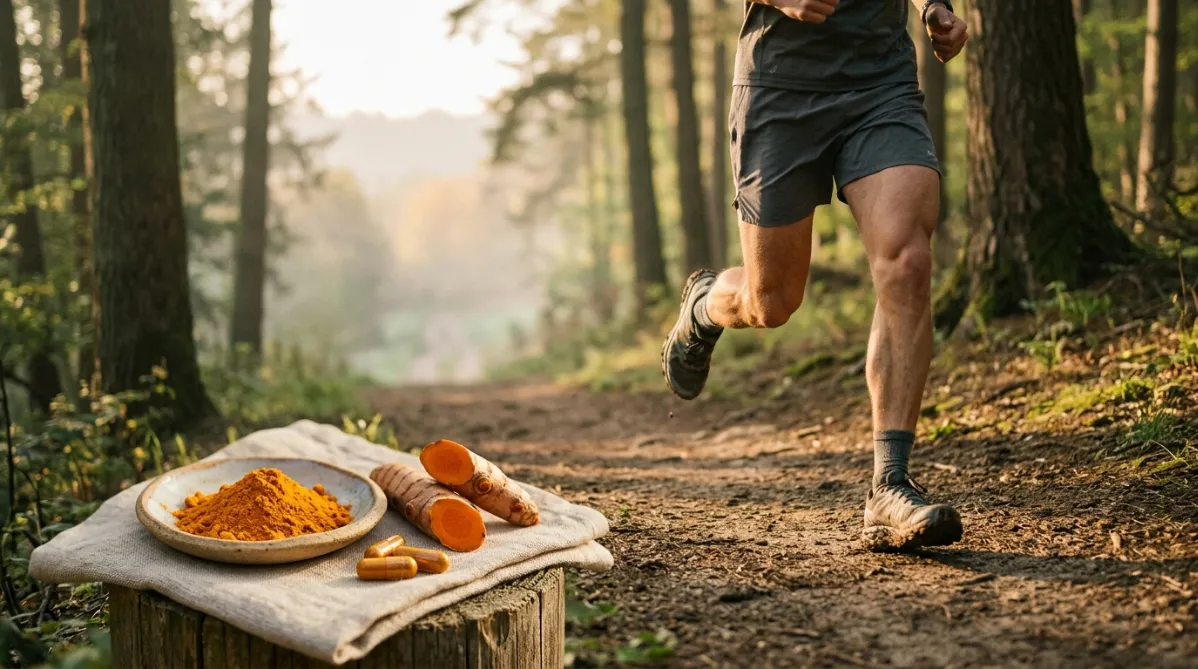
A wide, editorial-style photograph of a male runner mid-stride on a gently sloping forest trail at early morning, shot from a low three-quarter angle. Soft golden light filters through tall trees and casts long dappled shadows across the packed dirt path. The runner is captured from the waist down and slightly from the side, wearing charcoal running shorts and worn trail shoes, with the quadriceps and thigh muscles defined and naturally lit. A fine mist hangs in the background, and the slope descends toward a blurred, softly glowing horizon.

In the foreground, slightly out of focus on a weathered wooden post or flat mossy stone at the trail's edge, rests a small ceramic dish holding a pile of vivid golden-orange turmeric powder. Beside it sit two fresh turmeric roots, one cut open to show a deep saffron interior, and a few amber capsules. A thin linen cloth is draped beneath them. The saturated yellow-orange of the turmeric contrasts with the cool green and muted brown tones of the forest, creating a strong color anchor on the left third of the frame.

The composition follows the rule of thirds, with the turmeric in the lower left foreground and the runner in the right two-thirds, leaving open negative space in the upper left for headline text. Shallow depth of field, creamy bokeh, and natural film-like grain give it a refined, modern health-and-science magazine feel. The palette is warm and earthy: golden amber, moss green, soft cream, and deep umber. The lighting is natural and gentle, with subtle rim light on the runner's calves and hamstrings. No text, no logos, no graphics, and no futuristic elements. The result should feel clean, calm, and aspirational, like a cover image for a premium wellness and sports-nutrition journal.
recovery

Meriva Curcuma riduce i danni muscolari alla risonanza magnetica dopo la corsa in discesa

BY DR. GYMBRO ·

Uno studio randomizzato del 2014 ha mostrato che la curcuma Meriva, formulata con lecitina da Indena, è associata a un minor numero di lesioni muscolari visibili alla risonanza magnetica nelle cosce dopo una corsa in discesa. Venti uomini hanno assunto 1 g due volte al giorno, iniziando 48 ore prima del test e proseguendo per 24 ore dopo. Le immagini sono state sorprendenti, ma il beneficio sul dolore è stato significativo solo nella parte anteriore delle cosce. I marcatori di stress ossidativo e l'istologia muscolare non hanno mostrato differenze. Ecco il dosaggio, il timing, l’avvertenza industriale e cosa i dati possono (o non possono) affermare.
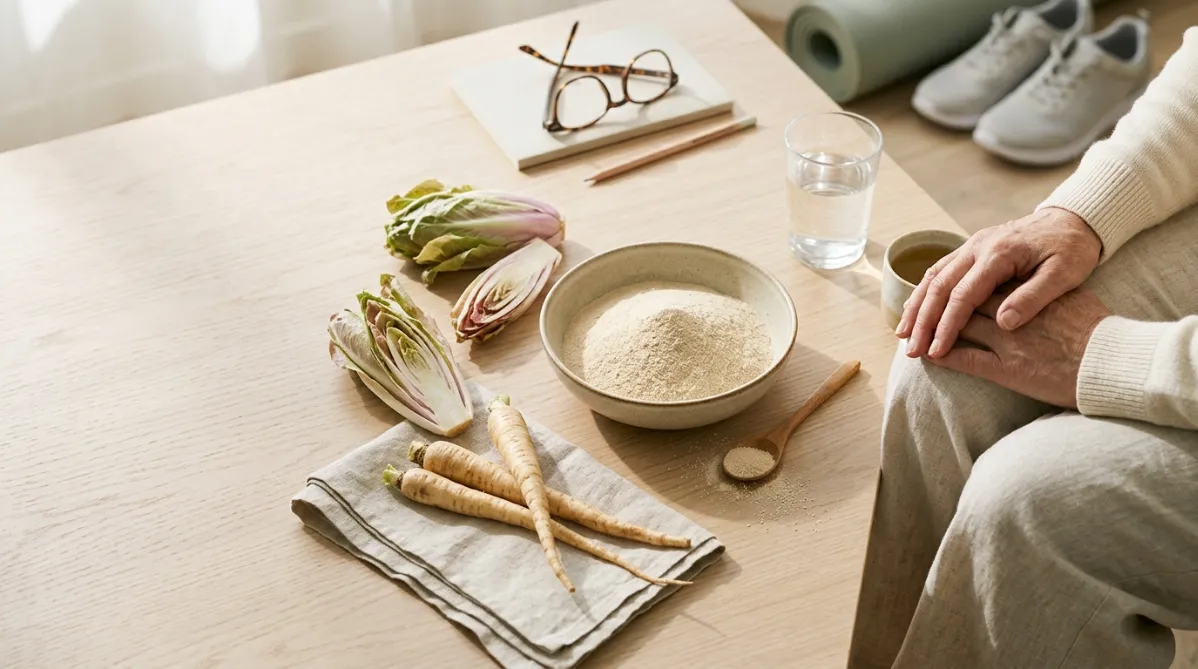
A bright, airy editorial still life photographed from slightly above on a pale oak table in soft morning window light. At the center sits a shallow ceramic bowl in matte oatmeal glaze filled with fine, creamy-beige inulin powder. A wooden spoon rests beside it, with a few fine grains scattered across the wood. Around the bowl, several fresh chicory roots with pale tan skin and delicate taper lie on a folded linen napkin. Next to them are a few crisp, leafy chicory heads in muted green and soft magenta tones, and a halved root that shows its pale, fibrous interior.

On the right side of the frame, a pair of older adult hands in a soft cream knit sleeve rest gently on a knee covered by relaxed linen trousers. A glass of water stands nearby, along with a small ceramic cup of herbal tea. A folded pair of simple tortoiseshell reading glasses and a minimalist notebook with a thin pencil sit in the background, hinting at a considered, research-minded atmosphere. A slim yoga mat edge and a pair of light-gray walking shoes appear softly out of focus in the far corner, suggesting gentle exercise and mobility without overwhelming the scene.

The color palette is calm and modern: warm creams, sage green, soft terracotta, and touches of dusty rose from the chicory leaves. Shadows are gentle and long, with natural light raking across the table and highlighting the textures of powder, linen, wood, and root. The depth of field is shallow, with the bowl and roots in crisp focus and the background melting into a creamy blur. The composition leaves generous negative space on the left third of the frame, suitable for headline overlay, and the overall feel is clean, wholesome, and contemporary, like a lifestyle-meets-science feature in a trendy online health journal. Fine film-like grain, true-to-life color, and a quiet, optimistic mood.
recovery

Una fibra intestinale economica batte il placebo per il dolore al ginocchio: riduzione di 1,11 punti

BY DR. GYMBRO ·

Una fibra di radice di cicoria a basso costo ha superato il placebo nella riduzione del dolore al ginocchio in uno studio randomizzato. Un’assunzione di 20 g al giorno di inulina ha diminuito il dolore di 1,11 punti, superando la soglia clinicamente significativa di 1 punto, e ha anche migliorato la forza di presa. Solo i gruppi che hanno assunto inulina hanno mostrato un aumento di butirrato e GLP‑1, suggerendo un possibile legame intestino‑muscolo. I partecipanti erano adulti anziani con osteoartrosi del ginocchio (età media 67,5 anni); l’esercizio fisico supportato dalla fisioterapia ha ridotto il dolore ancora di più (1,55 punti). Scopri i risultati dello studio, i suoi limiti e come usarli in modo sensato.
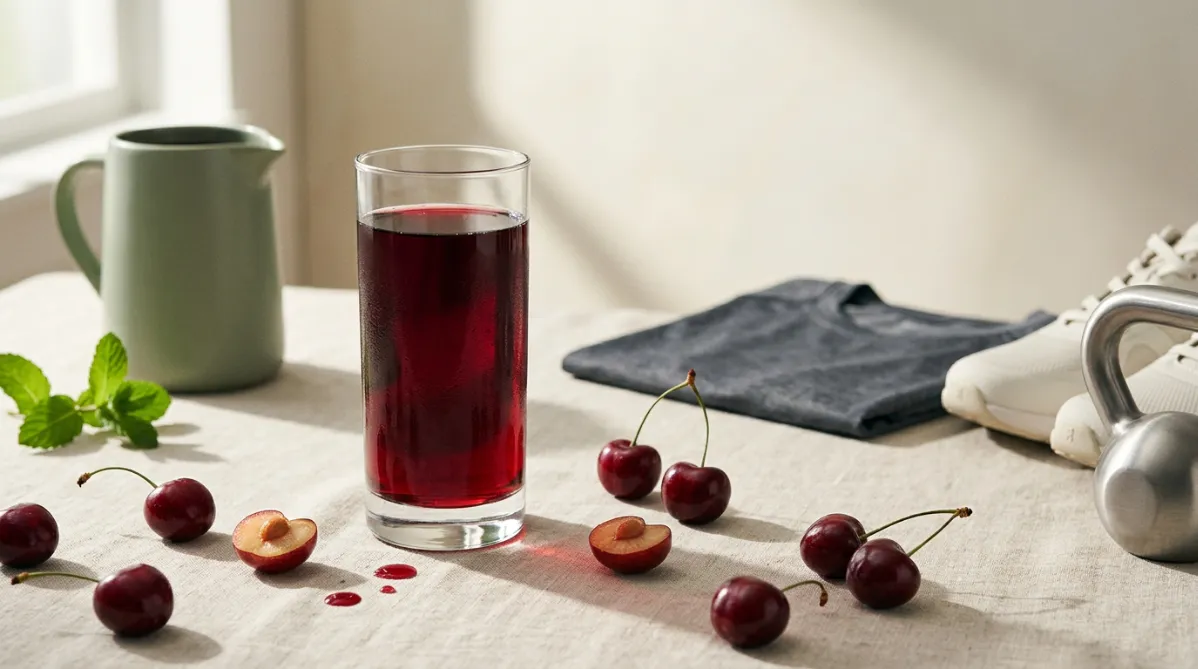
A wide, softly lit editorial still life on a pale oatmeal linen surface. In the center sits a tall, clear glass filled with deep garnet-red tart cherry juice, with condensation beading on the outside and a faint ruby glow where light passes through it. Around it are a scattering of fresh Montmorency cherries, some with stems and some halved to show pale amber flesh and a single pit. A few drops of juice have splashed onto the linen, leaving small crimson stains. To the right, slightly out of focus, lies a folded charcoal-gray running shirt, a pair of minimalist off-white running shoes, and a small brushed-steel kettlebell, suggesting both endurance and strength training without a gym in view. On the left, a ceramic pitcher in matte sage green holds more juice, and a sprig of fresh mint adds a small contrast.

Window light comes from the upper left, casting long, gentle shadows and creating a warm morning feel. The palette is restrained and modern: deep burgundy, cream, sage, and soft slate, with plenty of negative space in the upper right for headline text. The camera angle is a shallow three-quarter view from slightly above, with a shallow depth of field. The foreground cherries are razor sharp and the background melts into a creamy blur. Subtle film grain, natural color grading, and a clean, minimalist composition give it the polished feel of a contemporary health and science magazine. No text, no logos, no people, and no futuristic elements. The overall mood is calm, fresh, and restorative, hinting at recovery and balance.
recovery

Trucco del succo di ciliegie acidule: recupero più rapido della forza, IL‑6 più basso

BY DR. GYMBRO ·

Maratonaisti e sollevatori giurano sul succo di ciliegie acidule per il recupero, e questo studio controllato con placebo lo ha messo alla prova. In 20 corridori la forza isometrica è tornata significativamente più veloce (P = 0,024), mentre IL‑6, CRP e acido urico sono diminuiti e lo stato antiossidante è aumentato di circa il 10 %. Tuttavia, CK, LDH e il dolore muscolare non sono cambiati, così il quadro è più sfumato rispetto al clamore. Ecco cosa ha fatto lo studio, cosa ha scoperto e chi potrebbe davvero trarne beneficio.

This page is available in