Dr. Gymbro
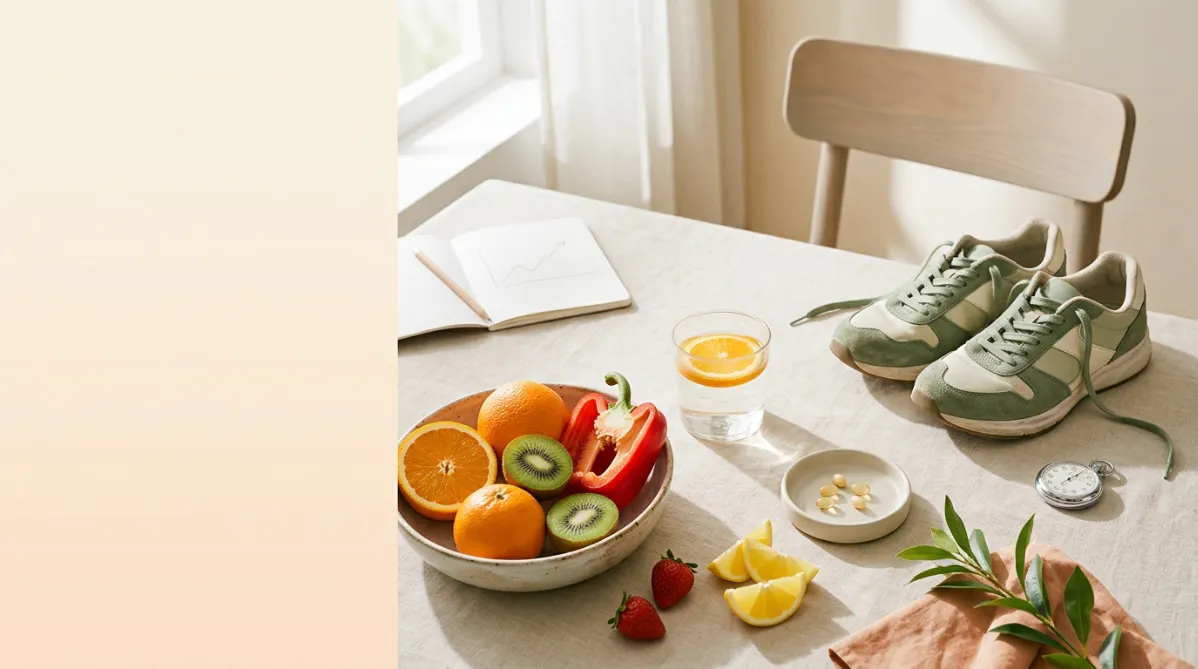
A softly lit editorial still life on a pale oatmeal-colored linen surface, shot from a slightly elevated three-quarter angle with a shallow depth of field. In the left foreground, a small ceramic dish holds several translucent golden-amber fish oil softgel capsules, glowing as if lit from within by warm morning window light. A few capsules are scattered casually beside it, catching crisp highlights. Just behind them, a sliced fresh salmon fillet with vivid coral-orange flesh rests on a matte slate board next to a sprig of dill, a halved lemon, and a small glass dropper bottle of golden oil.

In the soft-focus midground, a pair of weathered, capable older adult hands rests on the edge of the table, gently holding a pale sage-green resistance band, a hint of an active lifestyle. Beside them sits a modest set of brushed-steel dumbbells and a folded heather-gray towel. Subtle natural details add warmth: a glass of water, a small ceramic mug, and a sprig of eucalyptus in a bud vase.

On the right side, a tidy stack of printed research papers with a few pastel sticky tabs and a pair of thin tortoiseshell reading glasses sits on top, suggesting scholarly review. A fountain pen lies across the pages, with a few abstract handwritten notes and a simple hand-drawn bar chart visible but unreadable.

The palette is warm and calming: cream, soft sage, terracotta, honey gold, and coral accents against muted neutral tones. Window light enters from the left, producing long gentle shadows and a faint dappled leaf-shadow pattern across the linen. The background fades into a creamy blur of pale wall and a hint of a wooden shelf.

The composition leaves clean negative space across the upper right third for headline text overlay. The mood is trustworthy, health-forward, and modern, reminiscent of a contemporary wellness and science journal's photography. Fine film-like grain, natural color grading, high-resolution editorial photography, 16:9 landscape format.
Nutrition

Olio di pesce per i muscoli invecchiati: cosa mostrano davvero 14 studi

Dr. Gymbro · · 5 min read

L’olio di pesce è stato pubblicizzato come rimedio per quasi tutto e ora viene proposto come difesa contro la perdita muscolare legata all’età. Una nuova revisione umbrella ha raccolto le migliori prove disponibili sugli omega‑3 e i muscoli invecchiati. Il risultato è più interessante, ma anche più moderato, rispetto al clamore che si sente sugli scaffali dei supplementi.

La ricerca in sintesi

Il lavoro, a firma di Shao e colleghi, è stato pubblicato nell’International Journal for Vitamin and Nutrition Research (2026; 96(5)). Si tratta di una review di tipo umbrella, cioè una sintesi della letteratura esistente anziché di uno studio clinico originale. Il gruppo ha cercato su PubMed, Web of Science, EBSCO e ScienceDirect studi randomizzati controllati (RCT) e meta‑analisi di RCT che valutassero la supplementazione di acidi grassi polinsaturi n‑3 (n‑3 PUFA) sugli esiti muscolari in adulti di 55 anni e più.

Sono stati inclusi sette RCT e sette meta‑analisi, da cui nasce il dato “14 studi”. La revisione è stata registrata su PROSPERO (CRD420251165901). Le meta‑analisi sono state valutate con AMSTAR 2 e la certezza delle evidenze con GRADE. Inoltre è stato calcolato il grado di sovrapposizione fra gli studi usando l’area coperta corretta (CCA).

Cosa è stato effettivamente testato

La maggior parte degli interventi ha impiegato miscele ricche di EPA e DHA, gli omega‑3 marini contenuti nell’olio di pesce. Alcuni pochi hanno usato olio di semi di lino, ricco di ALA di origine vegetale. Le dosi variavano notevolmente, da 1,3 g al giorno a 14 g al giorno, e la durata degli interventi da 6 settimane a 6 mesi. Gli esiti primari erano massa muscolare scheletrica, forza muscolare e funzione fisica.

Questa ampia gamma è importante: la revisione non ha identificato una dose “ottimale”, quindi chi sostiene di conoscere il milligrammo ideale per la muscolatura sta andando oltre le evidenze disponibili.

Il risultato principale: modesto, ma misurabile

Nel complesso, la supplementazione di n‑3 PUFA è stata associata a un incremento modesto ma misurabile della forza muscolare. Sono emersi anche potenziali benefici sulla performance fisica degli arti inferiori e sulla massa muscolare. Gli autori concludono che gli n‑3 PUFA di origine marina "possono offrire benefici preliminari" nel rallentare i declini legati all’età nei soggetti anziani sani.

Il linguaggio è cauto: "modesto", "potenziale", "preliminare". Nulla suggerisce che l’olio di pesce ricostruisca il muscolo da solo.

Dove le evidenze sono più solide (e dove sono più deboli)

Il quadro è asimmetrico. La revisione ha riscontrato certezza moderata per alcuni esiti:

  • Forza degli arti inferiori
  • Funzione fisica degli arti inferiori

Altri risultati sono stati valutati con certezza bassa o molto bassa:

  • Forza della presa
  • Velocità di camminata
  • Forza della parte superiore del corpo

Gli autori attribuiscono le valutazioni più basse al numero ridotto di studi e a limitazioni metodologiche. In pratica, il segnale più forte riguarda le gambe, i muscoli cruciali per alzarsi da una sedia, salire le scale e mantenere l’equilibrio. Per la presa, la velocità di cammino e la forza della parte superiore, la risposta onesta è che ancora non sappiamo.

Il punto critico: molta sovrapposizione

I 14 studi non sono 14 voti indipendenti. La revisione ha rilevato una CCA del 14,02 %, indice di una notevole ridondanza: le meta‑analisi hanno attinguto a molte delle stesse prove di base. Questo può far apparire le evidenze più coerenti di quanto non siano in realtà. Sommandosi alle valutazioni di certezza bassa‑molto bassa per la maggior parte degli esiti, gli autori avvertono che l’affidabilità complessiva dei risultati "potrebbe risultare compromessa". Sollecitano ulteriori RCT di grandi dimensioni e metodologicamente rigorosi prima di redigere linee guida basate sull’evidenza per la sarcopenia.

Cosa significa per te

Chi potrebbe trarne beneficio: adulti di 55 anni e più, soprattutto quelli preoccupati per la sarcopenia, cioè la perdita di massa e funzione muscolare legata all’età. Le evidenze provengono da soggetti anziani sani, quindi non dimostrano un beneficio nei pazienti con patologie già diagnosticate.

Quale tipo considerare: gli omega‑3 marini (EPA/DHA) sono la forma più studiata e, secondo gli autori, la più promettente. L’ALA di origine vegetale è comparso in pochi studi, perciò la sua efficacia risulta meno chiara.

Dose: la revisione ha coperto un range da 1,3 a 14 g al giorno e non indica una dose migliore. Dosi più alte non sono state dimostrate più efficaci, e 14 g al giorno è ben al di là di quanto assume la maggior parte delle persone. Controlla il contenuto di EPA + DHA sull’etichetta, non solo la quantità totale di olio, e consulta un professionista sanitario per trovare la dose adatta a te.

Durata: le prove durano da 6 settimane a 6 mesi. Pensa in termini di mesi di assunzione costante, non di giorni. Il timing della dose giornaliera non è stato oggetto di analisi nella revisione. Assumere l’olio di pesce durante un pasto è una pratica comune, ma non è qualcosa che lo studio ha testato.

Abbinare all’allenamento: la revisione non mostra che l’olio di pesce funzioni da solo. Il modo più sensato di usare un integratore per un problema muscolare è come complemento alle basi provate: allenamento di resistenza qualche volta a settimana e adeguato apporto proteico. Considera l’olio di pesce come un possibile “add‑on”, non come sostituto.

Aspettative realistiche: attenditi effetti modesti, con le migliori probabilità per la forza delle gambe. Non aspettarti cambiamenti drammatici nella presa o nella velocità di camminata, secondo queste evidenze.

Chi dovrebbe evitarlo o chiedere prima: questo aspetto va oltre il contenuto del paper, ma chi assume anticoagulanti, ha allergia a pesci o crostacei, è in procinto di subire un intervento chirurgico o gestisce una condizione cronica dovrebbe consultare medico o farmacista prima di iniziare dosi elevate di omega‑3. Chi si avvicina al limite superiore del dosaggio studiato deve essere particolarmente cauto.

La sintesi finale

L’olio di pesce non è un costruttore miracoloso di muscoli, ma questa revisione umbrella suggerisce che possa offrire un piccolo vantaggio agli adulti più anziani, soprattutto in termini di forza e funzionalità degli arti inferiori. Le evidenze sono ancora preliminari, parzialmente sovrapposte e spesso di certezza bassa, quindi la lettura più prudente è "promettente, non provato". Fino all’arrivo di trial più ampi, l’allenamento di resistenza e una buona alimentazione rimangono le fondamenta, mentre gli omega‑3 marini rappresentano un’aggiunta ragionevole e informata per chi ha più di 55 anni.
Original study

Read the original research on doi.org →

This article summarizes published research for general information. It is not medical advice.

DG

Written by

Dr. Gymbro

Dr. Gymbro writes for Dr. Gymbro: science-backed fitness, nutrition & performance.

Related Articles

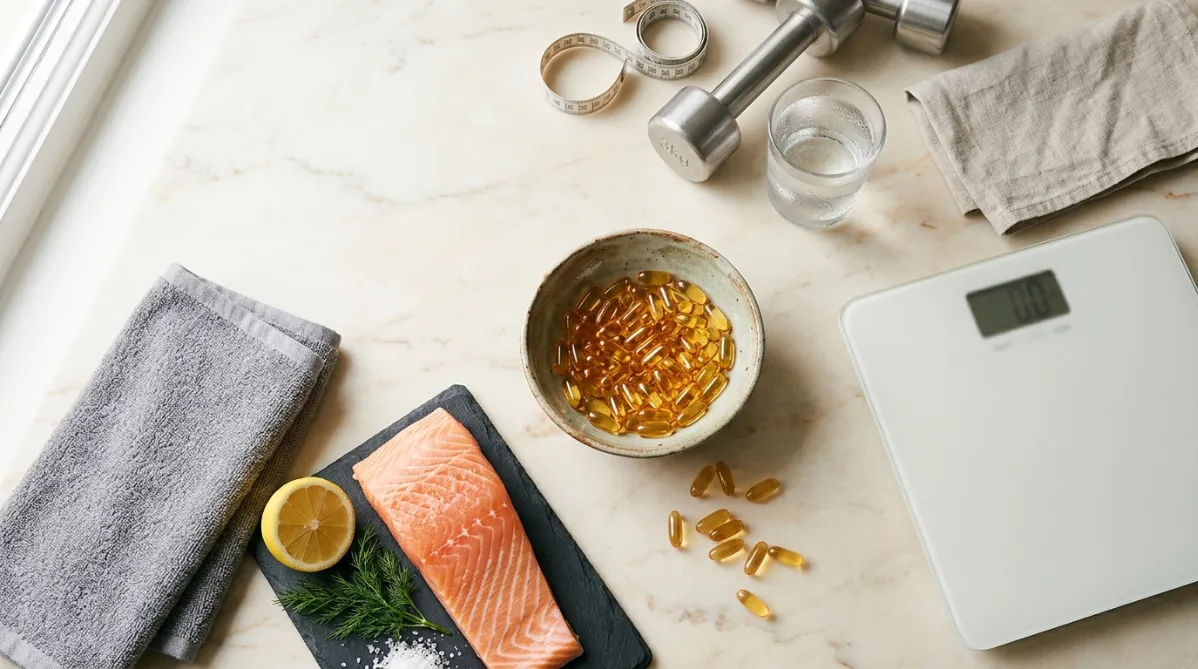
A wide, editorial-style flat lay photographed from above on a pale, warm-toned marble surface with soft natural window light coming from the left. At the center sits a shallow ceramic bowl filled with glistening golden-amber fish oil capsules, a few spilled casually onto the marble. Beside the bowl, a sleek minimalist bathroom scale in matte white sits at the right edge, its digital display blurred so it appears static. To the left, a neatly folded heather-gray athletic towel rests beside a small cluster of fresh ingredients: a halved lemon, a sprig of dill, and a fillet of raw salmon on a slate board, its coral-pink flesh with delicate white marbling catching the light. Near the top of the frame, a pair of brushed-steel dumbbells in a light finish and a soft tape measure curl loosely across the surface, suggesting body composition tracking without being clinical. A small glass of water with condensation and a linen napkin add quiet lifestyle detail. The color palette is calm and modern: cream, soft sage green, warm gold, coral, and muted gray. Shadows are soft and diffused, with gentle highlights on the capsules making them glow like tiny amber beads. The composition has generous negative space on the upper left for headline text, with a shallow depth of field that keeps the capsules and salmon crisp while the edges fall softly out of focus. The overall mood is clean, health-conscious, and contemporary, like a high-end wellness magazine or science journal cover, with a subtle film-like grain and natural, true-to-life tones. No people, no text, no futuristic elements.
nutrition

L'olio di pesce scambia grasso con muscolo in 6 settimane: la bilancia resta ferma

BY DR. GYMBRO ·

E se la bilancia non si muove, ma il tuo corpo scambia silenziosamente grasso con muscolo? Un trial in doppio cieco su 44 adulti sani ha mostrato che 6 settimane di olio di pesce (circa 2,4 g di EPA + DHA al giorno) hanno modificato la composizione corporea di circa mezzo chilo in entrambe le direzioni, senza cambiare il peso corporeo. Una riduzione del cortisolo salivare è andata in pari con questi cambiamenti, anche se il legame è solo correlazionale. Il metabolismo a riposo non è variato e il campione era piccolo. Ecco cosa dicono davvero i numeri e come interpretarli con prudenza.

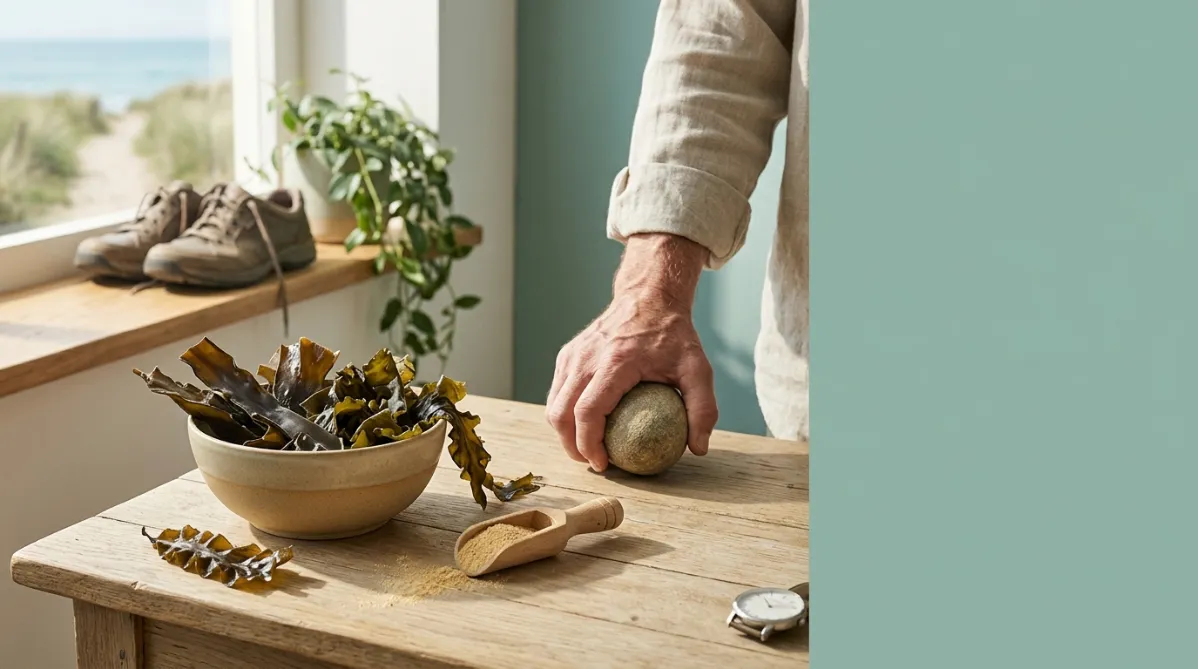
A bright, airy editorial still life photographed from slightly above on a pale oat-colored linen surface, in soft natural window light with gentle long shadows. In the foreground, a rustic ceramic bowl holds halved and whole oranges, glossy red bell pepper slices, and a few kiwi halves with emerald flesh. Beside it sit loose strawberries and a small pile of bright yellow lemon wedges. Their colors pop against the muted neutral palette. A single clear glass of water with a slice of orange rests nearby, catching the light.

On the right side of the frame, a pair of well-worn but clean walking sneakers in sage green and cream sits casually on the surface, with one lace loosely trailing. Behind them, a simple wooden chair with a light ash finish is partly visible and slightly out of focus, a quiet nod to the sit-to-stand test. A small stainless-steel stopwatch lies next to the shoes, with a subtle reflective glint.

A minimalist ceramic dish holds a few small, round, pale-yellow vitamin capsules, kept understated. A sprig of green leaves and a folded cotton napkin in soft terracotta add a warm accent. A small open notebook with a pencil rests in the upper left, its page blank except for faint, abstract pencil lines suggesting a simple rising graph, with no legible text.

The composition leaves generous negative space on the left third for title overlay, with a soft cream-to-peach gradient background. The mood is fresh, healthy, and contemplative, like a modern wellness magazine or a trendy online journal. The color palette is warm citrus orange, sunny yellow, sage green, and soft cream, with gentle terracotta accents. The depth of field is shallow, with crisp focus on the fruit and shoes and a creamy blur in the background. The overall look is clean, natural, and editorial, with fine film-like grain, true-to-life color, and a calm, optimistic tone. Landscape 16:9 framing.
nutrition

La vitamina a buon mercato per gambe più forti con l’avanzare dell’età

BY DR. GYMBRO ·

Uno studio britannico su più di 5 000 adulti tra i 48 e i 92 anni ha scoperto che chi ha un livello di vitamina C nel sangue ottimale (≥ 50 µmol/L) cammina più velocemente e si alza da una sedia più rapidamente rispetto a chi ha valori più bassi. Nelle donne la stretta di mano è risultata più forte, anche dopo aver corretto per l’altezza; negli uomini non è emersa alcuna correlazione. L’assunzione di vitamina C attraverso la dieta è stata associata ai benefici solo nelle donne e senza un chiaro andamento. Lo studio è trasversale, perciò non dimostra causalità, ma i dati suggeriscono di tenere sotto controllo il proprio livello ematico.

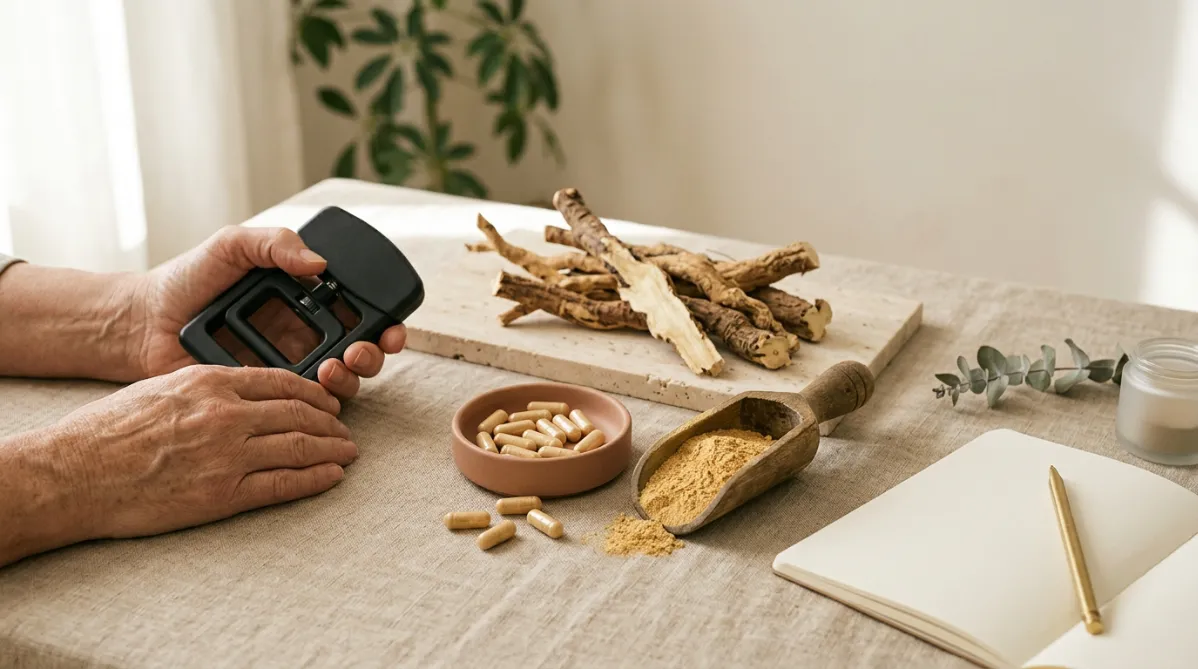
A wide, softly lit editorial photograph of a rustic light-oak table by a sunny window. On it, a handful of dried brown kelp and wakame seaweed fronds spill from a handmade matte ceramic bowl in warm sand tones, their glossy, ruffled edges catching the light. Beside the bowl sits a small wooden scoop holding fine golden-beige powder, with a little of it dusted across the table. In the middle ground, an older adult's weathered but strong hand grips a smooth, rounded river stone, with the knuckles and tendons subtly emphasized to suggest strength and vitality. Only the hand and part of a forearm in a soft oatmeal linen sleeve are visible.

In the background, slightly out of focus, a pair of worn leather walking shoes rests on a windowsill next to a trailing green plant. Beyond the window, a blurred coastal path winds through dune grass toward a pale blue sea, hinting at walking and an active daily life. A simple analog wristwatch lies on the table's edge, a quiet nod to the twelve-week timeline.

The palette is muted and natural: sage green, warm sand, soft ocean teal, and creamy off-white, with deep olive-brown accents from the seaweed. Morning light streams in from the left, casting long, gentle shadows and a faint golden glow. The depth of field is shallow, with crisp focus on the hand and seaweed and a creamy bokeh background. The composition follows the rule of thirds, with the hand and bowl on the left and generous negative space on the right for headline text. The mood is calm and hopeful, with a clean, contemporary wellness-magazine feel. The image is shot as if on a 50mm lens with subtle film grain and a natural, uncluttered, tactile look.
science research

Il fucoidano estratto dalle alghe potenzia la forza di presa negli over 60 in 12 settimane

BY DR. GYMBRO ·

Perdere forza con l’età è una trasformazione comune ma poco discussa; l’allenamento con i pesi, però, non è alla portata di tutti. Uno studio randomizzato di 12 settimane ha mostrato che un fucoidano a bassa massa molecolare, assunto a 1 650 mg al giorno, aumenta significativamente la forza di presa e la distanza percorsa nel test della camminata di sei minuti negli adulti sopra i 60 anni. Sorprendentemente la massa muscolare non è cambiata, e l’aggiunta di BCAA e vitamina D non ha fornito benefici aggiuntivi.

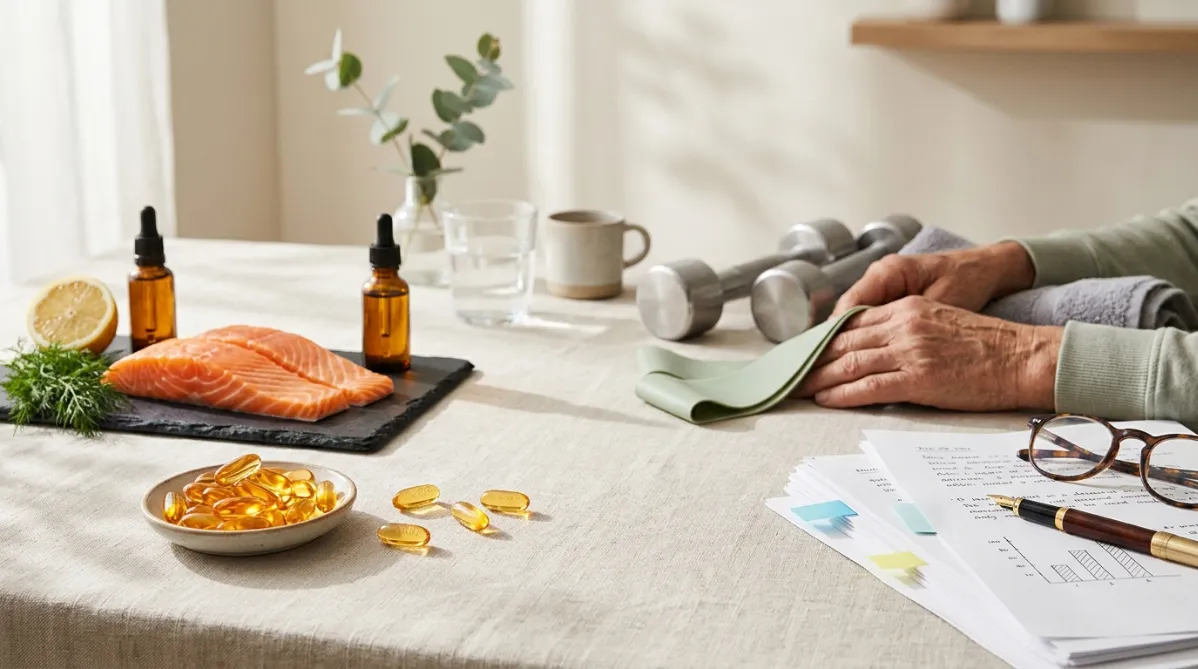
A landscape editorial still life on a warm, softly textured oatmeal-colored linen surface, photographed from a slightly elevated three-quarter angle in gentle morning window light. At the center sits a small matte ceramic dish in muted terracotta holding a handful of pale amber capsules, with a few spilled casually onto the linen. Beside it is a rustic wooden scoop holding a pile of fine, golden-tan powdered root extract. Behind these, a loose arrangement of raw Tongkat Ali root pieces, gnarled and fibrous with pale cream interiors and rough brown bark, rests on a slab of pale travertine stone.

On the left, a pair of older adult hands, seen only from the wrists down, with natural skin texture, hold a simple matte-black hand dynamometer in a relaxed grip. The tone is dignified and healthy, not athletic or posed. A sage-green ceramic mug of tea sits slightly out of focus nearby, with a thin curl of steam.

On the right, a minimalist open notebook with blank cream pages and a slim brass pen lies beside a sprig of dried eucalyptus. A small frosted glass jar adds a quiet pharmacy-apothecary note.

The palette is earthy and calm: warm beige, terracotta, sage, soft brown, and cream, with subtle brass accents. The shadows are long and soft, the depth of field shallow with a creamy blurred background of a sunlit neutral wall and a hint of a leafy plant. Negative space on the upper right suits headline overlay.

The style is modern wellness-journal photography, like a high-end health magazine or a Kinfolk-inspired lifestyle site: tactile, calm, and refined, with subtle film grain and natural color grading. There is no text, no logos, no futuristic elements, and no clinical lab equipment.
nutrition

Tongkat Ali: 400 mg per 5 settimane aumentano testosterone e forza di presa

BY DR. GYMBRO ·

Tongkat Ali è uno dei booster di testosterone più ricercati online, e un piccolo studio pilota fornisce dati reali su soggetti umani. Venticinque adulti attivi, di età compresa tra 57 e 72 anni, hanno assunto 400 mg di estratto al giorno per 5 settimane; sia il testosterone totale che quello libero sono aumentati, così come la forza di presa. Anche il testosterone libero delle donne è salito, probabilmente perché è diminuito lo SHBG. Tuttavia, non c'era un gruppo placebo, quindi i risultati sono promettenti ma non definitivi. Ecco cosa ha scoperto lo studio, cosa non può dirti e come affrontare il tema con senso critico.

This page is available in