Dr. Gymbro
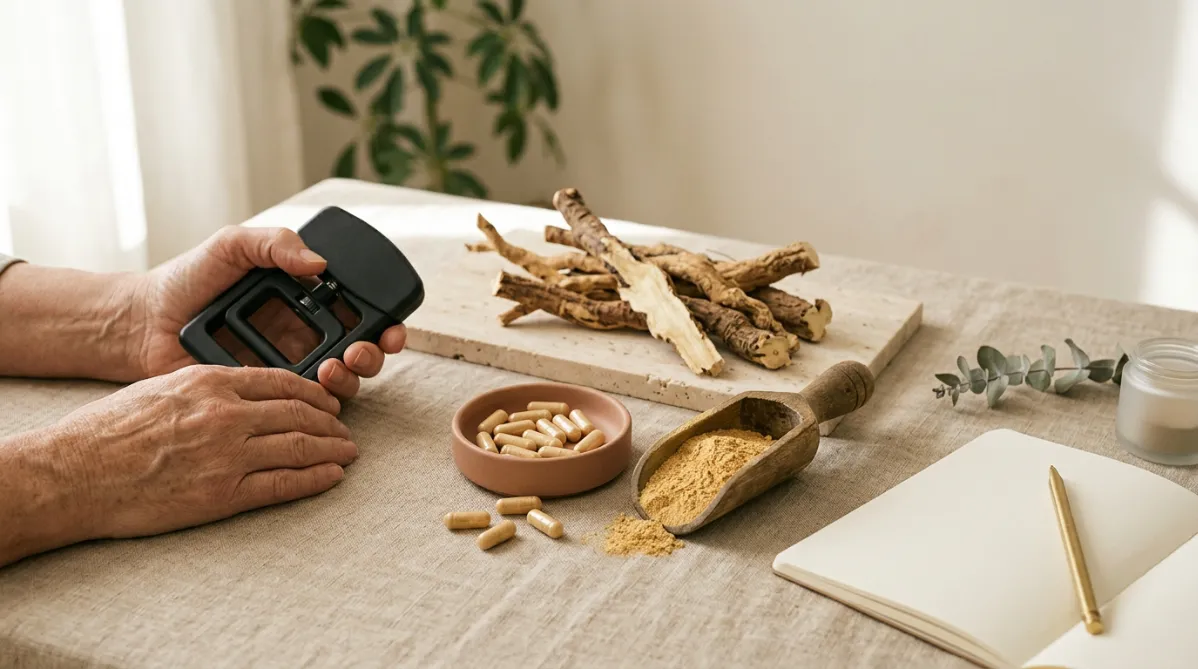
A landscape editorial still life on a warm, softly textured oatmeal-colored linen surface, photographed from a slightly elevated three-quarter angle in gentle morning window light. At the center sits a small matte ceramic dish in muted terracotta holding a handful of pale amber capsules, with a few spilled casually onto the linen. Beside it is a rustic wooden scoop holding a pile of fine, golden-tan powdered root extract. Behind these, a loose arrangement of raw Tongkat Ali root pieces, gnarled and fibrous with pale cream interiors and rough brown bark, rests on a slab of pale travertine stone.

On the left, a pair of older adult hands, seen only from the wrists down, with natural skin texture, hold a simple matte-black hand dynamometer in a relaxed grip. The tone is dignified and healthy, not athletic or posed. A sage-green ceramic mug of tea sits slightly out of focus nearby, with a thin curl of steam.

On the right, a minimalist open notebook with blank cream pages and a slim brass pen lies beside a sprig of dried eucalyptus. A small frosted glass jar adds a quiet pharmacy-apothecary note.

The palette is earthy and calm: warm beige, terracotta, sage, soft brown, and cream, with subtle brass accents. The shadows are long and soft, the depth of field shallow with a creamy blurred background of a sunlit neutral wall and a hint of a leafy plant. Negative space on the upper right suits headline overlay.

The style is modern wellness-journal photography, like a high-end health magazine or a Kinfolk-inspired lifestyle site: tactile, calm, and refined, with subtle film grain and natural color grading. There is no text, no logos, no futuristic elements, and no clinical lab equipment.
Nutrition

Tongkat Ali: 400 mg por 5 semanas aumentam a testosterona e a força de preensão

Dr. Gymbro · · 4 min read

Tongkat Ali: 400 mg por 5 semanas aumentam a testosterona e a força de preensão

Tongkat Ali, uma raiz do Sudeste Asiático que virou quase um cult nas prateleiras de suplementos para testosterona, acaba de ganhar um pequeno, porém interessante, conjunto de dados em humanos. Em um estudo piloto, 25 idosos ativos tomaram 400 mg de extrato de Tongkat Ali por dia durante 5 semanas. Tanto a testosterona total quanto a livre subiram, e a força muscular também. Antes de colocar o produto no carrinho, veja o que o estudo revelou e o que ainda está em aberto.

O que o estudo fez

O artigo intitulado Tongkat Ali as a potential herbal supplement for physically active male and female seniors: a pilot study foi conduzido por Henkel RR, Wang R, Bassett SH, Chen T, Liu N, Zhu Y e Tambi MI. Foi publicado na Phytotherapy Research em 2014 (E‑pub 2013) e está indexado no PubMed (DOI: 10.1002/ptr.5017).

Os pesquisadores recrutaram 13 homens e 12 mulheres fisicamente ativos, com idades entre 57 e 72 anos. Cada participante recebeu 400 mg de extrato de Tongkat Ali (Eurycoma longifolia) ao dia, por 5 semanas.

A equipe acompanhou uma série de marcadores:

  • Testosterona total e livre
  • Dehidroepiandrosterona (DHEA)
  • Cortisol
  • Fator de crescimento semelhante à insulina‑1 (IGF‑1)
  • Globulina de ligação aos hormônios sexuais (SHBG)
  • Nitrogênio ureico no sangue (marcador de função renal)
  • Creatina quinase (marcador de dano muscular)
  • Hemograma completo
  • Força muscular, medida por um teste de preensão manual

Resultados: o que realmente mudou

A descoberta principal foi que o tratamento gerou aumentos significativos na testosterona total e livre e na força muscular, tanto em homens quanto em mulheres. Os autores afirmam que isso confirma o benefício ergogénico (de apoio ao desempenho) do Tongkat Ali por meio da melhora da força.

Alguns detalhes adicionais:

  • Homens e mulheres ainda diferiam após o tratamento. Hemoglobina, testosterona, DHEA, a razão testosterona total/cortisol e a força muscular permaneceram significativamente menores nas mulheres que nos homens. As mulheres melhoraram, mas não fecharam o hiato.
  • A testosterona livre das mulheres subiu porque o SHBG caiu. A queda da globulina de ligação aos hormônios sexuais liberou mais testosterona livre no sangue.
  • Marcadores de glóbulos vermelhos subiram levemente nos homens. Hematócrito e contagem de eritrócitos aumentaram um pouco nos homens e foram significativamente superiores aos das mulheres.

O resumo não apresenta porcentagens nem valores absolutos dos hormônios, portanto não citamos números específicos. O que importa aqui é o desenho e a direção do efeito: 25 pessoas, 400 mg/dia, 5 semanas, e elevações significativas de testosterona e força.

Por que pode funcionar

O ponto de partida do artigo é que o Tongkat Ali é conhecido por elevar a testosterona e amenizar sintomas de envelhecimento em homens. O único mecanismo apontado no resumo é a queda do SHBG nas mulheres. Menos proteína de ligação significa mais testosterona livre e utilizável. Essa explicação é plausível, mas o estudo não foi concebido para provar como a erva age; quaisquer outras teorias são mera especulação.

Faz sentido também que os pesquisadores tenham medido a força de preensão. A testosterona está correlacionada com a função muscular, de modo que um aumento hormonal acompanhado de ganho de força parece coerente. Contudo, o estudo não consegue demonstrar que um causou o outro.

Limitações: promissor, mas não conclusivo

Trata‑se de um pequeno piloto não controlado. Interprete os achados com cautela:

  • Sem grupo placebo. O desenho é do tipo antes‑e‑depois, portanto não é possível separar o efeito do suplemento da expectativa, do aprendizado no teste de preensão ou da variação natural.
  • Apenas 25 participantes. A amostra é diminuta, sobretudo quando subdividida por sexo.
  • Adultos ativos de 57‑72 anos. Idosos costumam ter testosterona basal mais baixa, oferecendo maior margem para melhorias. Resultados em jovens praticantes, com níveis hormonais saudáveis, podem ser diferentes e menores.
  • Preensão manual é um teste de força estreito. Não indica se agachamento, supino ou levantamento terra também mudarão.
  • Só 5 semanas. Não há dados sobre segurança a longo prazo nem sobre a durabilidade dos efeitos.
  • Pequenas alterações nos marcadores de sangue nos homens merecem atenção. Elas indicam que um acompanhamento laboratorial é prudente, e não que tudo é inocente.

Os autores rotulam o trabalho como piloto e “potencial” suplemento por boas razões. É um sinal verde para estudos maiores, não um veredicto final.

Quem pode se interessar (e quem deve evitar)

Possíveis interessados: adultos ativos, particularmente idosos que treinam, curiosos sobre uma opção natural com algum dado humano por trás, e dispostos a encará‑lo como experimento.

Cautela ou evite se:

  • Usa medicação prescrita, pois interações não foram estudadas.
  • Tem condições sensíveis a hormônios.
  • Possui problemas de sangue ou rins, já que o estudo monitorou esses parâmetros.
  • Espera resultados semelhantes aos de esteróides. O artigo não sustenta essa expectativa.

Dicas práticas

  • Dose usada no estudo: 400 mg por dia de extrato de Tongkat Ali.
  • Duração: 5 semanas. Não há informações sobre o que acontece após esse período.
  • Horário: o resumo não menciona hora do dia, portanto não há regra baseada em evidência.
  • Qualidade importa: suplementos variam muito. Procure um extrato padronizado, com teste de terceiros, que corresponda aos 400 mg/dia do estudo.
  • Consulte um médico se estiver usando medicação ou tiver condição sensível a hormônios. Avaliar sangue antes e depois é inteligente se for levar a sério.
  • Mantenha o básico primeiro. Treino, ingestão de proteína, sono e calorias ainda são os maiores impulsionadores de força, acima de qualquer erva.

Conclusão

A reputação do Tongkat Ali como potencializador de testosterona recebeu um pequeno impulso com este estudo. Vinte e cinco idosos ativos apresentaram aumentos significativos de testosterona e força muscular após 5 semanas tomando 400 mg ao dia. Contudo, a ausência de grupo placebo e a amostra muito pequena transformam o resultado em um convite para ensaios controlados maiores, não em garantia de eficácia para um levantador de 25 anos. Leia o registro completo em PubMed.
Original study

Read the original research on pubmed.ncbi.nlm.nih.gov →

This article summarizes published research for general information. It is not medical advice.

DG

Written by

Dr. Gymbro

Dr. Gymbro writes for Dr. Gymbro: science-backed fitness, nutrition & performance.

Related Articles

A softly lit editorial still life on a pale oatmeal-colored linen surface, shot from a slightly elevated three-quarter angle with a shallow depth of field. In the left foreground, a small ceramic dish holds several translucent golden-amber fish oil softgel capsules, glowing as if lit from within by warm morning window light. A few capsules are scattered casually beside it, catching crisp highlights. Just behind them, a sliced fresh salmon fillet with vivid coral-orange flesh rests on a matte slate board next to a sprig of dill, a halved lemon, and a small glass dropper bottle of golden oil.

In the soft-focus midground, a pair of weathered, capable older adult hands rests on the edge of the table, gently holding a pale sage-green resistance band, a hint of an active lifestyle. Beside them sits a modest set of brushed-steel dumbbells and a folded heather-gray towel. Subtle natural details add warmth: a glass of water, a small ceramic mug, and a sprig of eucalyptus in a bud vase.

On the right side, a tidy stack of printed research papers with a few pastel sticky tabs and a pair of thin tortoiseshell reading glasses sits on top, suggesting scholarly review. A fountain pen lies across the pages, with a few abstract handwritten notes and a simple hand-drawn bar chart visible but unreadable.

The palette is warm and calming: cream, soft sage, terracotta, honey gold, and coral accents against muted neutral tones. Window light enters from the left, producing long gentle shadows and a faint dappled leaf-shadow pattern across the linen. The background fades into a creamy blur of pale wall and a hint of a wooden shelf.

The composition leaves clean negative space across the upper right third for headline text overlay. The mood is trustworthy, health-forward, and modern, reminiscent of a contemporary wellness and science journal's photography. Fine film-like grain, natural color grading, high-resolution editorial photography, 16:9 landscape format.
nutrition

Óleo de Peixe para Músculos Envelhecidos: O que 14 Estudos Realmente Mostram

BY DR. GYMBRO ·

O óleo de peixe tem sido anunciado como proteção para músculos que envelhecem, mas o que a evidência realmente indica? Uma revisão abrangente de 2026 reuniu sete ensaios controlados randomizados e sete meta‑análises em adultos com 55 anos ou mais. Ela encontrou ganhos modestos, porém mensuráveis, em força, com efeitos mais claros nos membros inferiores. A considerável sobreposição entre os estudos torna a evidência mais frágil do que aparenta. Veja o que isso significa, quem pode se beneficiar e quem deve consultar um médico antes de usar.

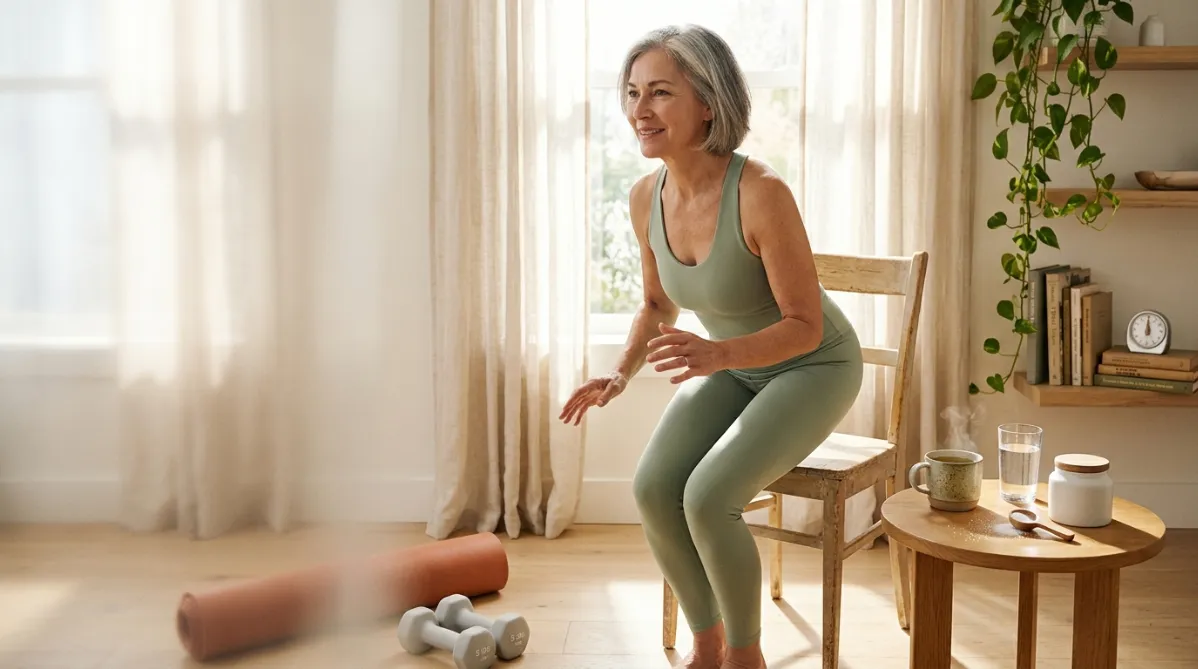
A wide landscape editorial photograph of a bright, airy sunlit living room with pale oak floors and a large window with sheer linen curtains. In the center, a woman in her late 50s with silver-streaked hair, wearing soft sage-green athletic wear, rises from a simple wooden chair, caught mid-motion with a calm, determined expression. Her hands are lightly extended forward for balance. Beside her on a small round oak side table sits a ceramic mug of tea, a glass of water, and a small matte white jar with a wooden scoop resting beside it, a few fine white crystalline grains scattered on the tabletop. In the soft-focus foreground, a pair of light-gray dumbbells and a rolled terracotta-colored yoga mat rest on the floor. A trailing green pothos plant spills from a shelf in the background, with a stack of books and a small analog kitchen timer nearby.

The color palette is warm and muted: cream, sage green, soft terracotta, natural wood, and gentle morning-gold light. Light streams diagonally across the scene, creating long soft shadows and a subtle glow on the woman's shoulders. Shallow depth of field blurs the background gently, while the woman and the table remain crisp. The composition follows the rule of thirds, with the woman on the right and generous negative space on the left, suited for headline overlay. The mood is hopeful, grounded, and modern, like a high-end wellness magazine or a trendy health journal. Natural film-like grain, soft contrast, and a slight matte finish give it a contemporary lifestyle photography feel. There are no futuristic elements, no digital overlays, and no text.
science research

Creatina ajuda mulheres com joelho comprometido a levantar‑se melhor – mas não da forma que você imagina

BY DR. GYMBRO ·

A creatina costuma ser associada a jovens levantadores, mas um ensaio randomizado, duplo‑cego, avaliou seu efeito em mulheres pós‑menopáusicas com osteoartrite de joelho. Após 12 semanas de treino de pernas, o escore do teste de ficar em pé cronometrado do grupo que recebeu creatina subiu de 15,7 para 18,1, enquanto o placebo praticamente não mudou (15,0 para 15,2). A creatina também melhorou rigidez, massa magra e qualidade de vida, mas alívio da dor e força máxima no leg press não foram superiores ao placebo. Veja o que os números realmente indicam e quem pode se beneficiar.

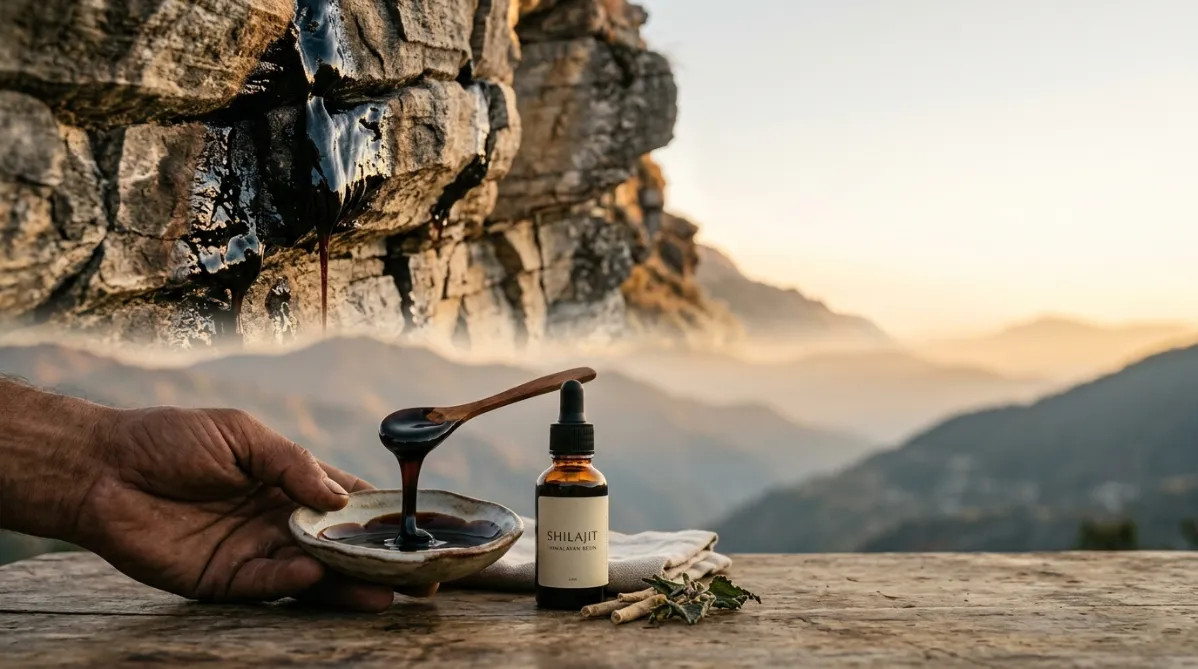
A wide, editorial-style photograph of a rugged Himalayan cliff face at golden hour, with dark, glossy resin seeping from the cracks in the layered stone. Thick, tar-like droplets catch the warm light and shine like polished obsidian. In the foreground, a weathered hand holds a small, rustic ceramic dish with a spoonful of purified Shilajit. The resin is deep brown-black, glossy, and stretches in a slow, viscous ribbon from the spoon. Beside the dish sits a simple, minimalist amber glass dropper bottle with a plain cream label, a folded linen cloth, and a few scattered dried herbs, suggesting a modern wellness ritual. The mid-ground shows soft layers of misty mountain ridges fading into a pale peach and dusty blue sky. The background is gently blurred, with shallow depth of field and creamy bokeh. The color palette is earthy and muted: warm ochre, charcoal, sage green, and soft cream, with a subtle film-grain texture. Natural side lighting creates long, gentle shadows and highlights the textures of the stone, resin, and ceramic. The composition follows the rule of thirds, with the dish and bottle in the lower left and open negative space on the right for headline overlay. The mood is calm, grounded, and credible, like a high-end health and science magazine feature, with a refined, contemporary, slightly documentary look. There is no text, no people's faces, and no futuristic elements.
science research

Shilajit testado: o “alcatrão das montanhas” realmente eleva a testosterona?

BY DR. GYMBRO ·

Shilajit, o “alcatrão” hialiniano vendido como potenciador natural de testosterona, foi avaliado em um ensaio clínico randomizado, duplo‑cego e controlado por placebo. Em homens de 45 a 55 anos, 250 mg de shilajit purificado ao dia, divididos em duas doses durante 90 dias, elevaram significativamente a testosterona total, a livre e o DHEAS em comparação ao placebo, enquanto LH e FSH permaneceram estáveis. O estudo é promissor, mas limitado a homens de meia‑idade e registra apenas mudanças hormonais, não desempenho na academia. Veja o que a pesquisa realmente mostrou, o que ainda falta comprovar e por que a pureza e a análise de metais pesados são essenciais na hora da compra.

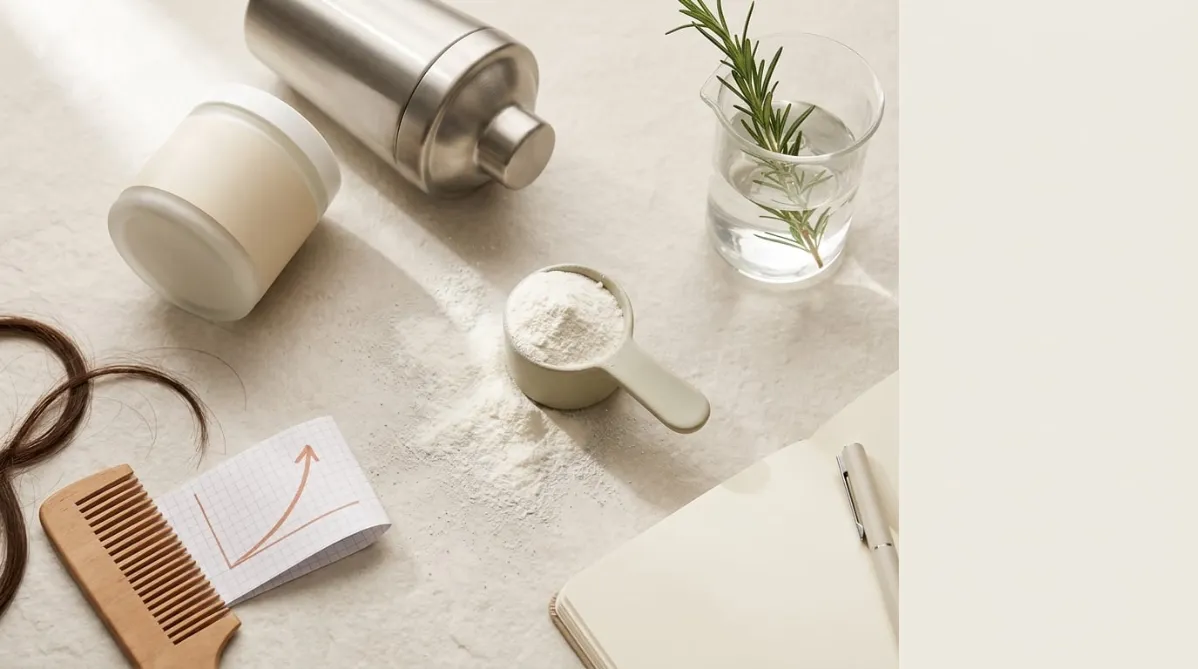
A bright, modern editorial flat-lay photographed from above on a soft off-white stone surface. At the center sits a matte ceramic scoop heaped with fine white creatine powder, with a loose dusting of powder fanning out across the surface. Beside it is a minimalist frosted-glass jar with a plain label and a brushed-steel shaker bottle lying on its side. To the left, a wooden comb and a small folded strip of graph paper with a single hand-drawn upward curve in muted terracotta ink, suggesting a data spike without any text. A few loose strands of dark brown hair curve elegantly across the stone near the comb. To the right, a clean glass beaker filled with water and a sprig of green rosemary, and an open notebook with blank pages and a sleek pen. The palette is warm neutrals: cream, sand, soft sage green, and a single accent of terracotta orange. Natural window light falls from the upper left, casting long, gentle shadows and a subtle diffused glow. The composition leaves generous negative space on the right third for title overlay. Shallow depth of field with crisp focus on the powder scoop, a premium health-and-science magazine look, minimalist, calm, and trendy, with fine grain and soft contrast. Landscape 16:9 framing.
science research

Creatina e queda de cabelo: o que realmente significa o aumento de 56 % no DHT

BY DR. GYMBRO ·

Um estudo de 2009 mostrou que, após uma fase de carregamento de creatina de 7 dias com 25 g/dia, o DHT subiu 56 % e manteve‑se cerca de 40 % acima do valor basal durante a dose de manutenção de 5 g/dia, sem alterações na testosterona. Como o DHT está ligado à calvície de padrão masculino, o resultado gerou debate sobre creatina e queda de cabelo. Contudo, o ensaio contou apenas com 20 jogadores de rúgbi, durou três semanas e não avaliou o cabelo. Pesquisas posteriores não reproduziram consistentemente o aumento de DHT. A seguir, veja o que a pesquisa realmente demonstra, quem pode se interessar e como agir se você está preocupado.

This page is available in