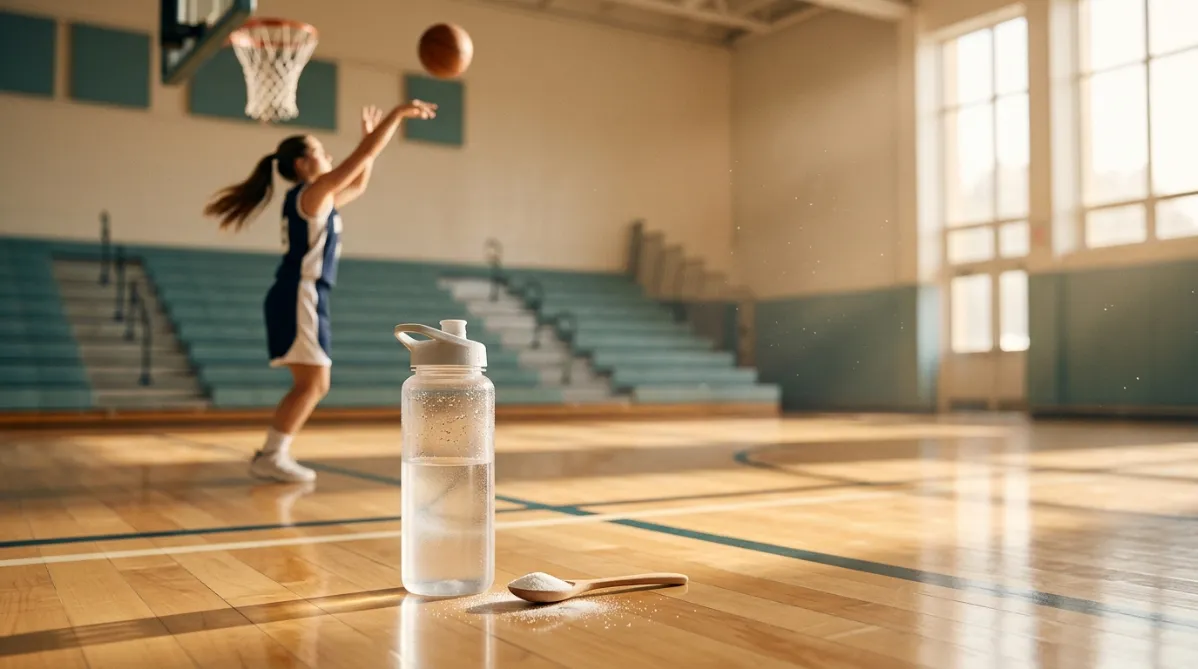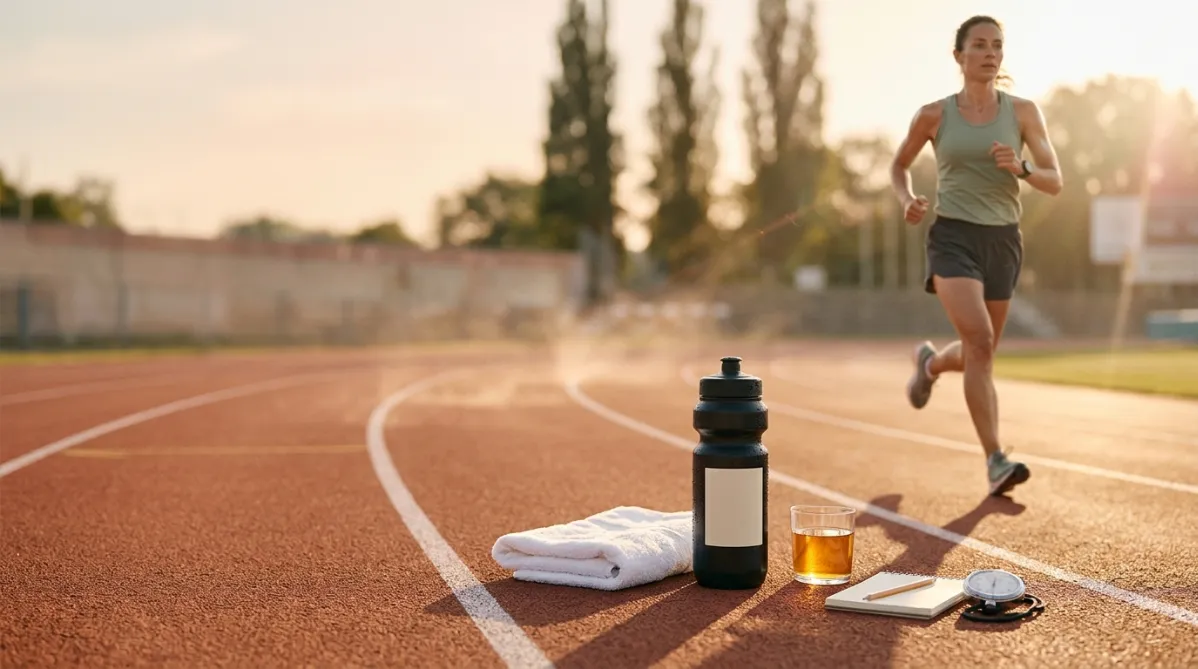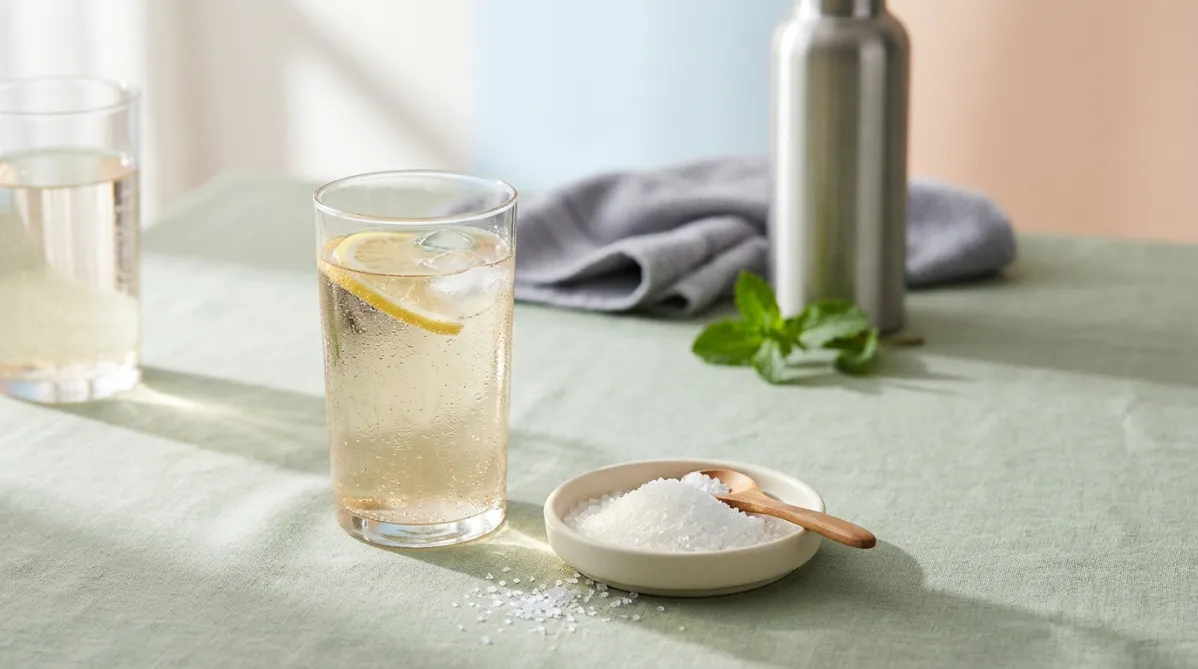
Your sports drink may be hydrating you less well than it could, and the fix might be a sugar your body barely burns. A new randomized crossover trial found that a beverage sweetened with allulose, a so-called rare sugar with negligible calories, restored blood plasma volume far better than an electrolyte-matched drink sweetened with sucralose. The result is striking, but the study is small, short and industry-funded. Here is what it shows and what it doesn't.
What Is Allulose, and Why Test It for Hydration?
Carbohydrate-based sports drinks are the default for post-exercise rehydration. Sugar helps drive fluid and sodium absorption in the gut, but it also adds calories and a glycemic load that many athletes and recreational exercisers would rather avoid. Zero-calorie sweeteners fix the sugar problem, but they don't help with fluid uptake.
Allulose sits in between. It is a rare sugar with negligible caloric value, and the authors describe it as a promising alternative sweetener. Until now, human evidence on whether it can actually help rehydration has been thin. This trial, published in Food Science and Biotechnology (doi: 10.1007/s10068-026-02329-z), set out to fill that gap.
The Study Design
- Design: randomized, double-blind, crossover trial
- Participants: 15 healthy men
- Protocol: each participant went through exercise-induced dehydration, then drank one of two electrolyte-matched beverages, one sweetened with allulose and one with sucralose (the control)
- Measured: plasma volume (PV) recovery, fluid retention, thirst, body water composition, urine specific gravity, glucose and temperature
In a crossover design, every participant serves as their own comparison, which boosts statistical power in a small sample. Double-blinding means neither the participants nor the researchers knew which drink was which during testing.
The Numbers That Stand Out
Plasma volume recovery. Allulose produced a change of 28.16 ± 11.61%, compared with 4.13 ± 5.34% for sucralose (p = 0.0001). That is roughly a sevenfold gap in the average change, and plasma volume is a key marker of how well circulating blood volume is restored after fluid loss.
Fluid retention. Participants retained 91.54 ± 5.18% of the allulose beverage versus 80.55 ± 10.24% of the sucralose beverage (p = 0.0023). In practical terms, less of the fluid went straight to the bathroom.
Thirst reduction. The thirst-reduction score was 6.47 ± 1.46 for allulose and 4.60 ± 1.12 for sucralose (p = 0.0012). Allulose made people feel less thirsty.
The researchers also report no adverse glycemic or thermoregulatory effects. Blood glucose and body temperature were tracked, and the allulose drink didn't cause problems on either front. That supports the idea of a rehydration aid without a glycemic cost.
Read the Fine Print
This is where a punchy headline needs honest caveats.
The comparator was sucralose, not sugar. The control was a zero-calorie sweetened drink, not a conventional carbohydrate sports beverage. So the trial shows allulose outperforming a diet-style drink. It does not show allulose beating a regular sugar-based sports drink.
The sample was small and narrow. Fifteen healthy men is a proof-of-concept sample. Women, older adults, endurance athletes in the field and people with metabolic conditions weren't studied.
It is industry-funded. The work was funded by Samyang Corporation, an allulose manufacturer, which also supplied the test material. Most of the authors are Samyang employees. That doesn't invalidate the data, but it is a clear conflict of interest, and independent replication matters.
It is a single exercise-dehydration model. The results come from a controlled laboratory protocol. How they carry over to a hot marathon, a double training day or a long shift in the sun is unknown. The paper is also not yet indexed in PubMed, so the DOI is the main route to it.
What This Means for You
Who it may be for
- Heavy sweaters who lose a lot of fluid and want to restore plasma volume efficiently without taking in a large sugar load.
- People avoiding sugar in sports drinks, including those watching calories, blood glucose or overall sugar intake.
- Anyone currently using a diet electrolyte drink, as this trial suggests the choice of sweetener may matter for hydration, not just taste.
Who should skip it, or wait
- Athletes who need fuel. If you are training hard and need carbohydrate for performance, a zero-calorie drink doesn't replace that. This study measured rehydration, not performance.
- Anyone expecting proof against regular sports drinks. That head-to-head comparison hasn't been done here.
- People with sensitive stomachs or medical conditions. The study didn't test these groups, and tolerance of any new sweetener varies. Check with a clinician if you have diabetes or a digestive disorder.
Dose and timing
The participants drank the beverage after exercise-induced dehydration, so the evidence applies to post-exercise rehydration. The source material I reviewed doesn't state the exact allulose dose, beverage volume or washout period. Check the full paper for those details before copying the protocol, and don't extrapolate to higher doses. Commercial allulose drinks may differ in dose and electrolyte content from the one tested.
The Bottom Line
This is a promising early signal: in 15 men, an allulose-sweetened electrolyte drink beat a sucralose-sweetened one on plasma volume recovery, fluid retention and thirst, with no glycemic or temperature penalty. But it is a small, industry-funded study against a non-sugar control. Treat it as a reason for independent, larger trials, including comparisons with standard carbohydrate sports drinks and trials in women, not as a reason to overhaul your hydration strategy overnight.