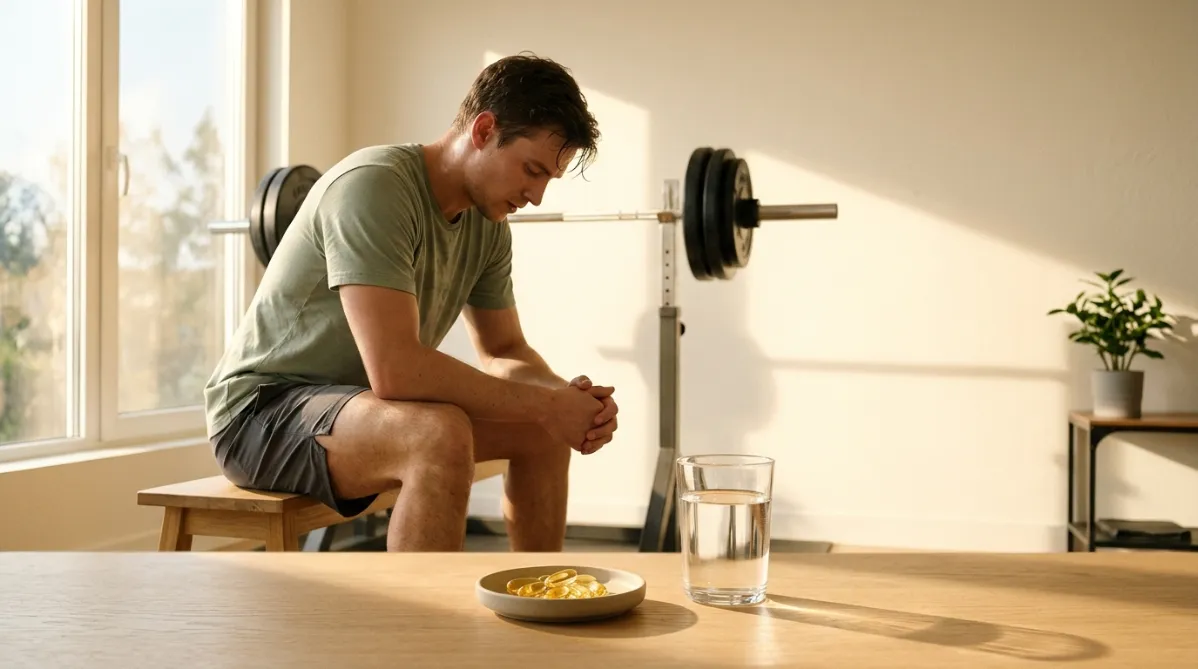
Vitamin D Sped Strength Recovery in Men Who Weren't Deficient
Men with perfectly normal vitamin D levels still recovered strength faster after a brutal leg workout when they took 4,000 IU daily. In this randomized, placebo-controlled trial of 28 active men, peak isometric force bounced back about 8% better at 24 hours. Muscle-damage markers ALT and AST also rose less. But there's a twist: soreness didn't improve at all. Here's what the study found, where it falls short, and who might actually care.
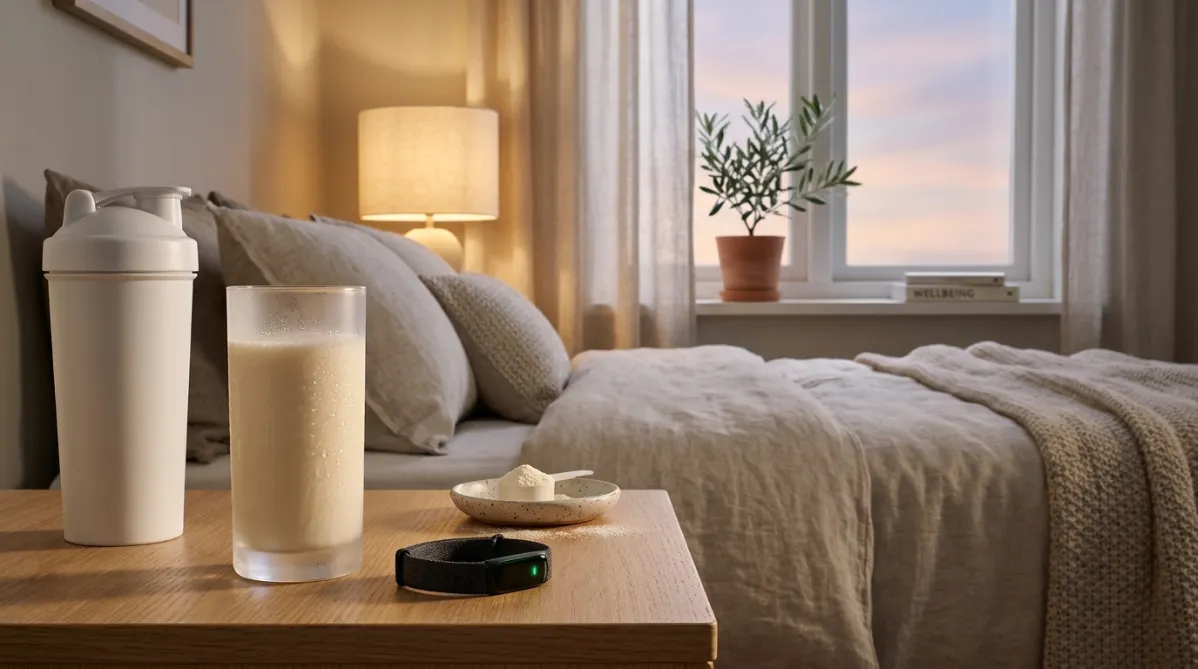
Casein Before Bed Won't Wreck Your Sleep, WHOOP Data Shows
Does a 40 g casein shake before bed secretly sabotage your sleep? A randomized, double-blind crossover trial in 21 NCAA Division I female athletes tracked sleep with WHOOP 4.0 bands and found no hit to sleep time, efficiency, resting heart rate or HRV. Alpha-lactalbumin and carbohydrate performed the same. But there's a twist: none of them improved sleep either. Here's what the data show, where the study falls short, and who should still skip the late-night shake.
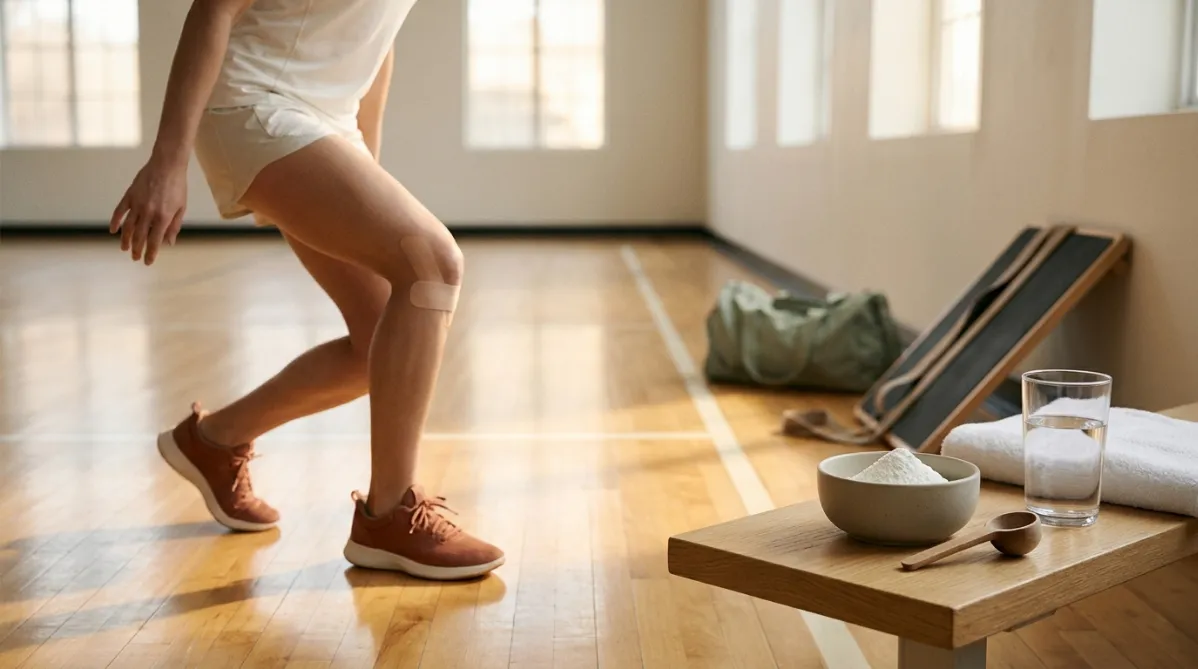
Creatine for Jumper's Knee? Pain Relief Showed Up by Week 4
Jumper's knee can sideline athletes for months, and a new trial asks whether creatine can speed things up. In 20 athletes doing eccentric rehab, only the creatine group had a significant pain and function (VISA-P) improvement at 4 weeks, along with gains in jump height. By week 8, however, both groups had improved similarly, and the between-group interaction only trended (p = 0.099). Here is what the study did, how creatine was taken, who might benefit, and why the small sample demands caution.

The 'Sleep Protein' That Left Bad Sleepers Waking More Often
Alpha-lactalbumin is marketed as the "sleep protein," and earlier acute studies hinted it could help athletes sleep and perform. A new randomized crossover trial put it to the test in 24 athletes who actually sleep badly. After a week of 40 g taken 2 hours before bed, there was no sleep benefit, awakenings rose slightly (11.01 vs 10.25), and jump height dipped (27.68 vs 28.58 cm). The one upside was reduced negative mood in the evening. Here's what was tested, what the numbers show, and who should skip it.
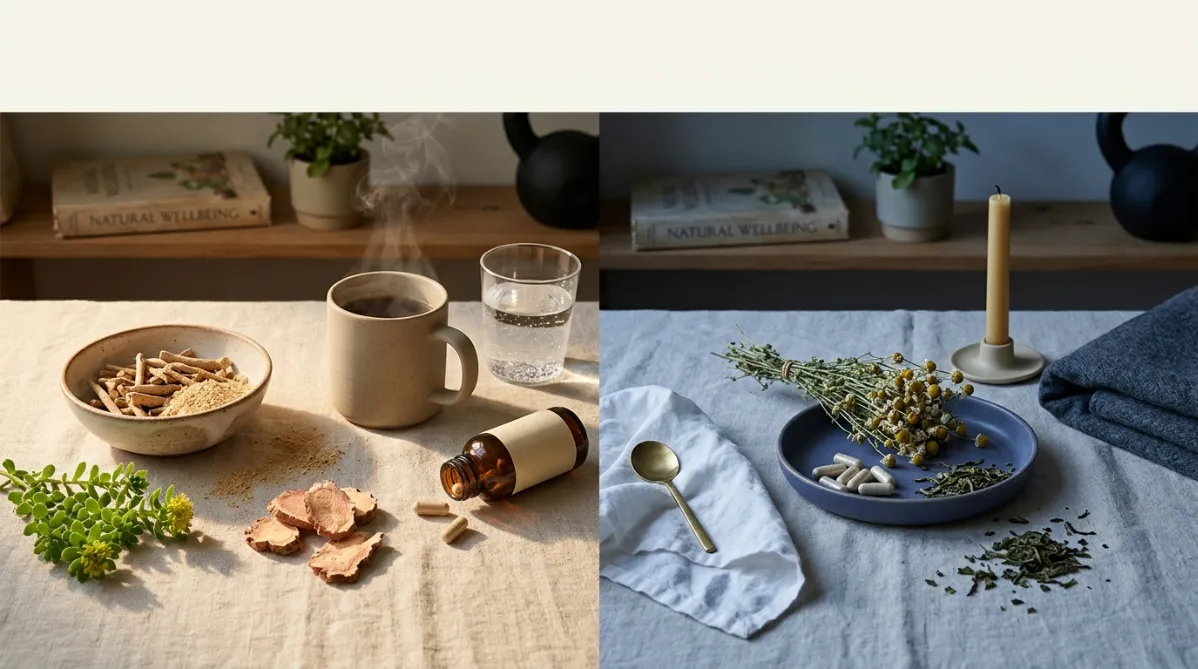
Ashwagandha + Rhodiola Worked. The Evening Sleep Stack Didn't.
A new four-arm trial throws a curveball at the supplement-stacking crowd. In 103 healthy, active adults, a morning combo of 600 mg ashwagandha and 300 mg Rhodiola rosea was linked to lower perceived stress, better sleep quality and improved mood. The popular evening stack of magnesium L-threonate, L-theanine and apigenin added nothing, and taking both looked worse on positive affect. Here's what the study found, why it needs caution (only two weeks, small groups), and how lifters might use it.
The 15 g Bedtime Collagen Trick That Cut Night Wake-Ups by 27%
Waking up repeatedly through the night can quietly sabotage your recovery, even when training and nutrition are dialed in. A small trial found that 15 g of collagen peptides taken an hour before bed cut polysomnography-recorded awakenings from 29.3 to 21.3, roughly 27% fewer. Participants also scored better on a morning Stroop test. But total sleep time, sleep latency and sleep efficiency didn't budge, and the study involved just 13 men over 7 nights with an industry-supplied product. Here's what the data really shows and how lifters might test it safely.
A 40 mg Collagen Dose Doubled Time to Knee Pain. Here's the Catch
Achy knees under the bar or on the road? One randomized trial found that just 40 mg a day of undenatured type II collagen (UC-II) was linked to knee pain starting later, from 1.4 to 2.8 minutes, and to better knee extension. That is about 250 times less than a typical 10 g scoop of hydrolyzed collagen, and it is a different kind of product. But the study was small, industry-linked, and done in healthy people rather than arthritis patients. Here's what the data show, where the headline needs context, and how to read a label.
2 Grams of Ginger Cut Next-Day Muscle Pain by ~25% in Two Trials
A common kitchen spice just went head-to-head with one of the gym's most universal complaints: next-day muscle soreness. In two double-blind trials, people who took 2 grams of ginger daily for 11 days reported roughly 25% less pain 24 hours after punishing eccentric exercise. But ginger didn't clearly improve strength or swelling, and nobody tested it against ibuprofen. Here is what the research shows, why it might work, where the evidence falls short, and who should consider trying it.
Meriva Curcumin Cut MRI Muscle Damage After Downhill Running
A small 2014 randomized trial found that Meriva curcumin, a lecithin-based form made by Indena, was linked to fewer MRI-visible thigh muscle injuries after a downhill run. Twenty men took 1 g twice daily, starting 48 hours before the test and continuing 24 hours after. The imaging result stood out, but the pain benefit was significant only in the front of the thighs. Oxidative stress markers and muscle histology showed no differences. Here is the dose, the timing, the industry caveat, and what the data can and can't tell you.
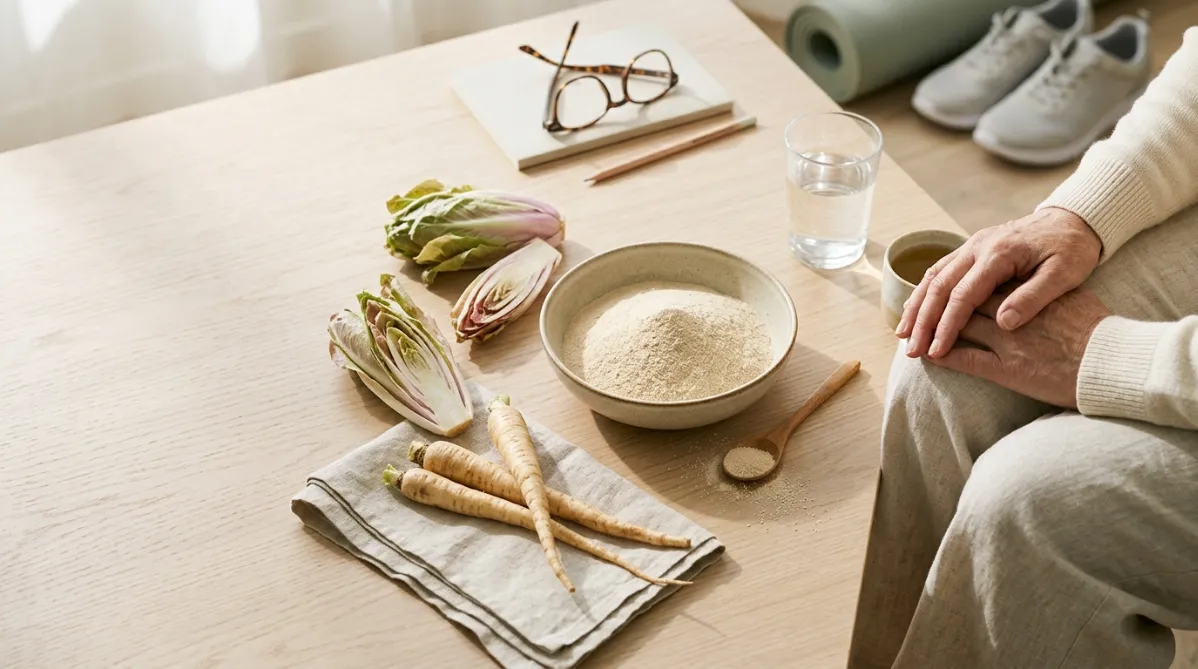
Cheap Gut Fibre Beat Placebo for Knee Pain: 1.11-Point Drop
A cheap chicory-root fibre just beat placebo for knee pain in a randomised trial. 20 g/day of inulin cut pain by 1.11 points, past the 1-point threshold for a meaningful change, and it also improved grip strength. Only the inulin groups saw butyrate and GLP-1 rise, hinting at a gut-muscle link. But participants were older adults with knee OA (mean age 67.5), and physiotherapy-supported exercise reduced pain even more (1.55 points). Here's what the study found, what it can't tell us, and how to use it sensibly.
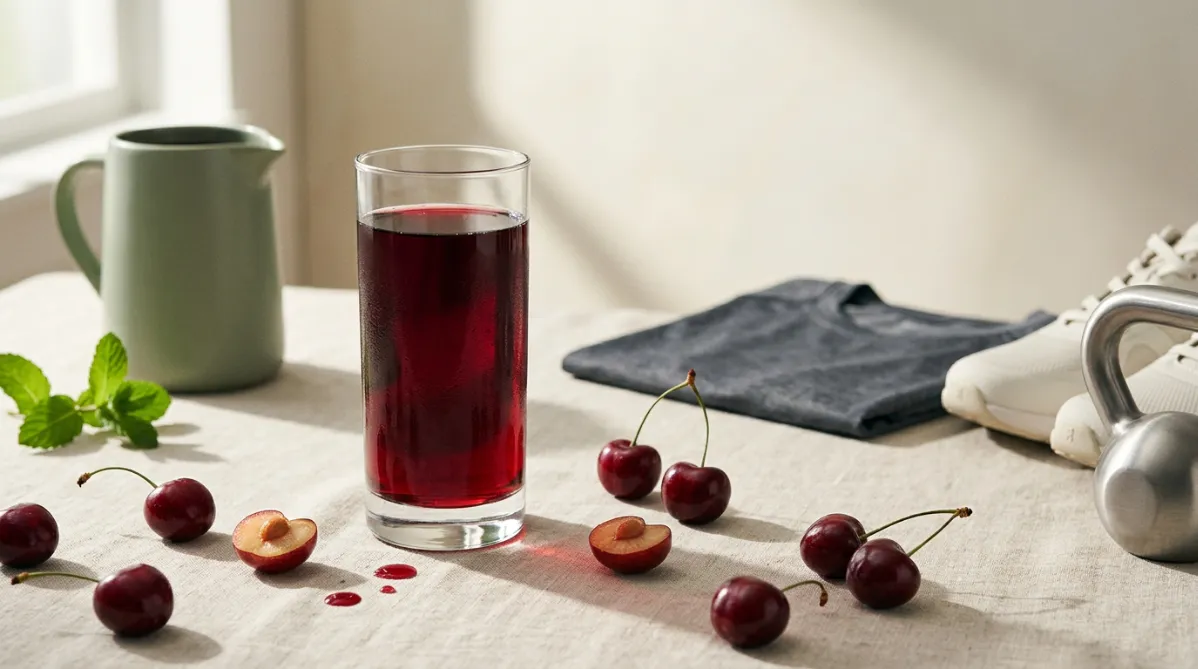
Tart Cherry Juice Trick: Faster Strength Recovery, Lower IL-6
Marathoners and lifters swear by tart cherry juice for recovery, and this placebo-controlled study put it to the test. In 20 runners, isometric strength recovered significantly faster (P=0.024), while IL-6, CRP and uric acid all dropped and antioxidant status was about 10% higher. But creatine kinase, LDH and muscle soreness were not significantly different, so the picture is more nuanced than the hype. Here's what the study did, what it found, and who might actually benefit.