Dr. Gymbro
←

#blood pressure

2 articles
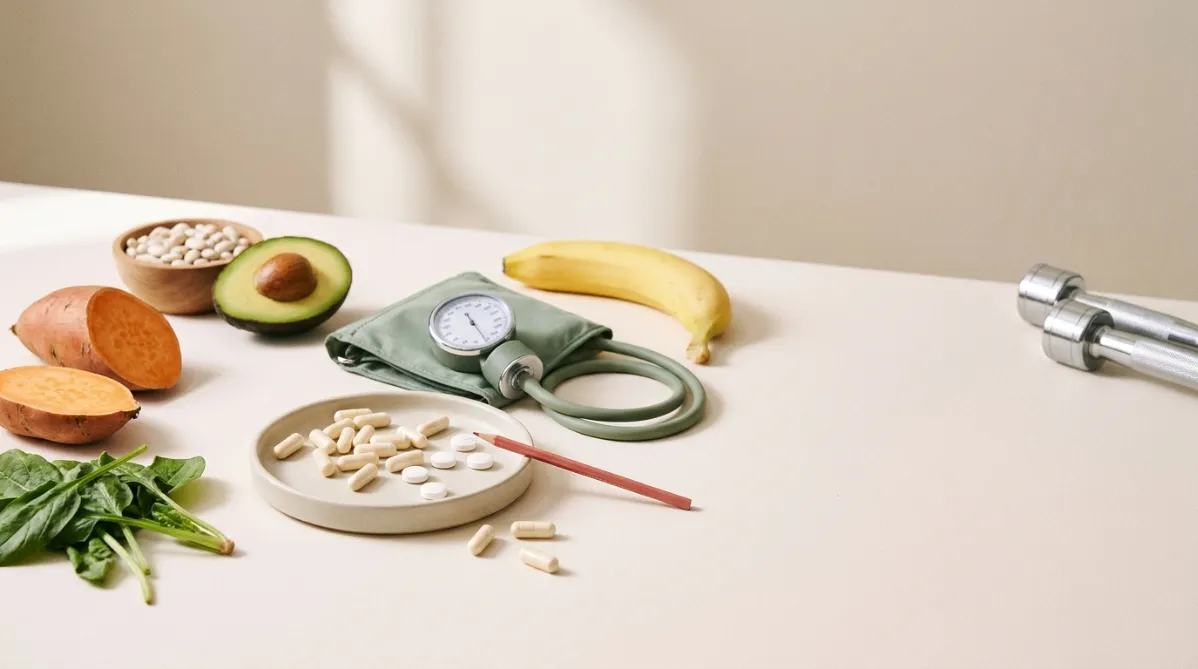
A bright, minimalist editorial still life on a soft warm-white surface, shot from a slightly elevated angle in natural morning light. In the center-left, a small matte ceramic dish holds a handful of pale cream capsules and tablets, a few spilling casually onto the surface. Beside it sits a sleek analog blood pressure cuff, softly coiled, in muted sage green fabric. Fresh potassium-rich foods are arranged in a loose, balanced composition around the pills: a halved ripe avocado with its pit, a peeled banana, a cut sweet potato with glowing orange flesh, a few leafy spinach stems, and a small cluster of white beans in a wooden bowl. A single slim pair of chrome dumbbell handles or a small chalked kettlebell rests discreetly at the right edge, hinting at the lifter audience without dominating the frame.

The palette is soft and modern: warm cream, sage green, terracotta orange, and buttery yellow, with subtle blush-pink shadows. The background is a smooth, out-of-focus pale oatmeal wall with a gentle diagonal shadow from a window, creating a calm, airy mood. The right third of the frame has generous negative space for headline text. A faint, delicate line of hand-drawn-style red accent, such as a small red ribbon or a thin red pencil resting near the pills, adds a quiet "caution" note without feeling alarming.

The overall look is clean, contemporary health-journal photography with shallow depth of field, crisp focus on the pills and produce, soft diffused highlights, and fine natural texture in the ceramic, linen, and food surfaces. Subtle film-like grain, editorial styling, and a calm, trustworthy, slightly cautionary tone. 16:9 landscape composition.
science research

Potassium Pills Cut BP 5 Points in 4 Weeks, But There's a Catch

BY DR. GYMBRO ·

A new meta-analysis of 19 randomized trials found that oral potassium cut clinic systolic blood pressure by about 5 mmHg in roughly four weeks. But the story isn't that simple: 24-hour readings improved less, and side effects showed up in 12.8% of people versus 3.2% in comparison groups. The findings apply to untreated primary hypertension, and potassium supplements can be dangerous for people with kidney disease or those on ACE inhibitors, ARBs, or potassium-sparing diuretics. Here's what the data show, what they don't, and how lifters with low-produce diets should think about it.
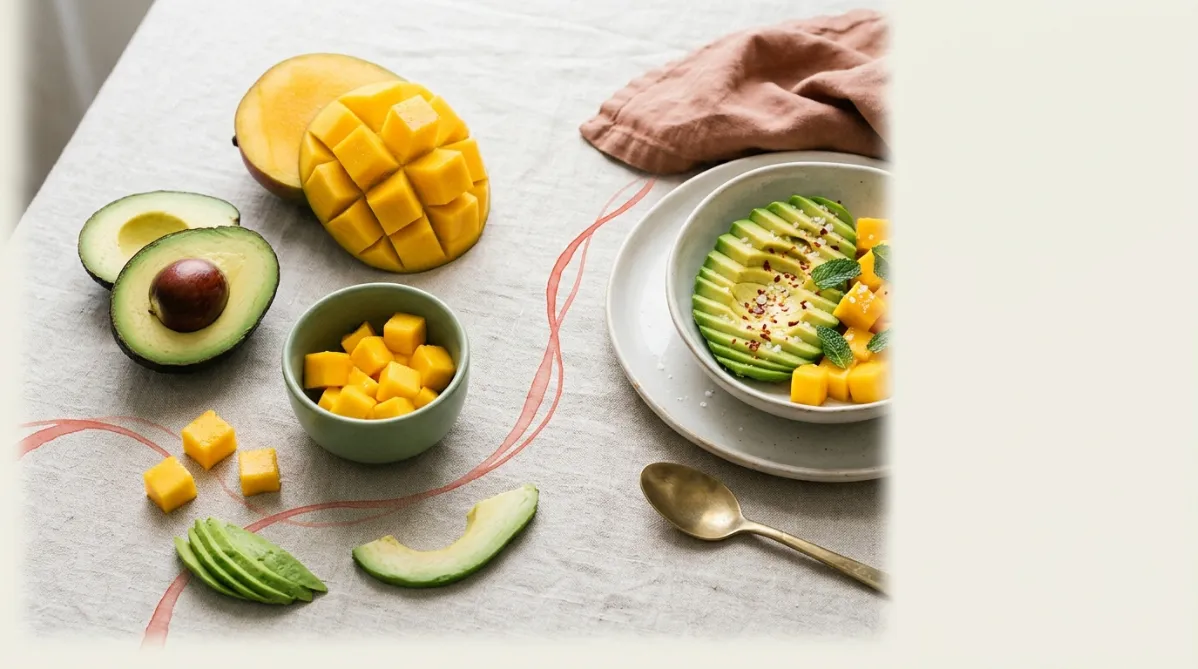
A wide, softly lit editorial still life photographed from slightly above on a pale oat-colored linen surface. On the left, a halved ripe Hass avocado with its glossy pit still nestled in one half, the flesh a buttery gradient from deep green at the skin to creamy yellow at the center. Beside it, a ripe mango is sliced into thick cheeks with a neat crosshatch pattern, the golden-orange flesh catching the light. A small ceramic bowl in matte sage green holds a cup of diced mango cubes. A few scattered mango cubes and a thin avocado slice fan out across the surface.

On the right, a minimalist ceramic plate holds a simple composed bowl: sliced avocado fanned over mango, with a sprinkle of flaky sea salt, a pinch of chili flakes, and a few torn mint leaves. A linen napkin in muted terracotta is draped casually at the edge of the frame. A single brushed-brass spoon rests nearby.

A subtle graphic touch ties in the artery theme: a thin, elegant line of warm coral red, like a hand-drawn ribbon or gentle wave, curves through the negative space on the surface, suggesting a blood vessel and flow without looking clinical. It passes softly beneath the fruit as if painted on the table in watercolor.

Natural morning window light enters from the upper left, creating soft long shadows and gentle highlights on the fruit's surface. The palette is warm and fresh: avocado greens, mango golds and oranges, cream, sage, and a hint of coral. Shallow depth of field blurs the background edges into creamy neutrals, leaving generous clean empty space on the right third for title text. Modern wellness magazine aesthetic, crisp but organic, high-end food photography, with a subtle film-like grain and calm, balanced composition.
nutrition

Avocado + Mango Daily: What Changed in Arteries (and What Didn't)

BY DR. GYMBRO ·

Eight weeks of one avocado and one cup of mango a day changed something in the arteries of adults with prediabetes. It wasn't blood sugar. In an 82-person randomized trial, flow-mediated dilation rose about 1% on the fruit diet while it fell on a low-fiber control, a between-group gap of roughly 2.1% (P=0.008). Diastolic blood pressure improved mainly in men, and most other markers showed no difference. The study was partly funded by the Hass Avocado Board and the National Mango Board, so here is what it does and doesn't show, and how to fit the combo into a cut or maintenance diet.

This page is available in