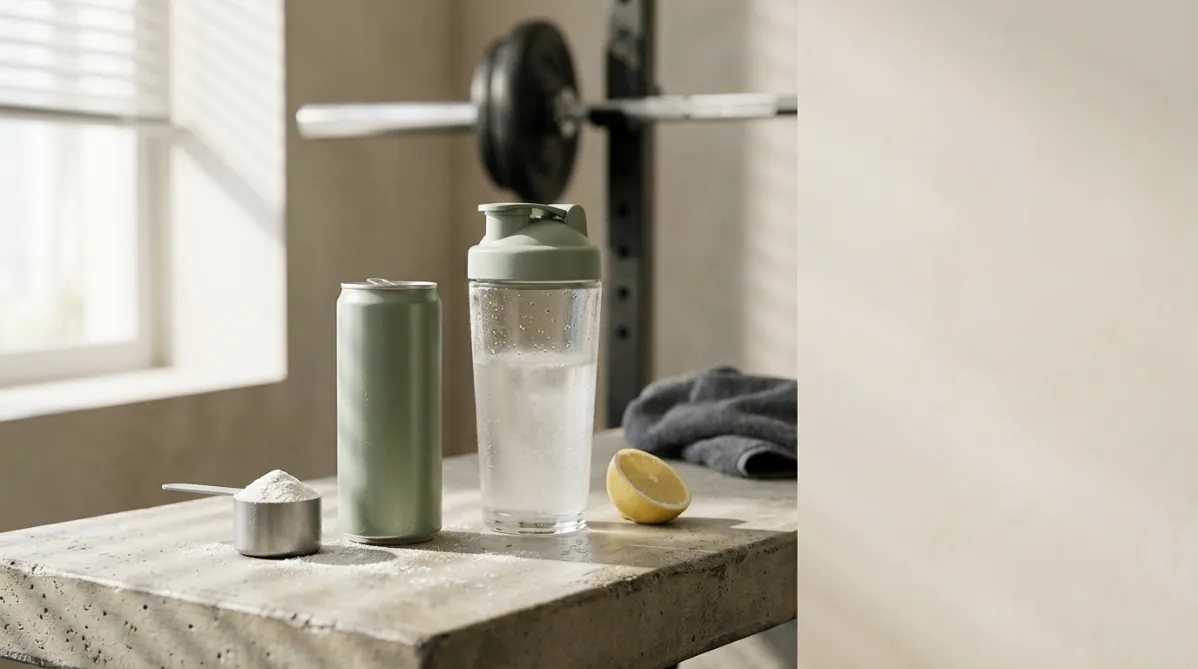
Your Energy Drink May Work Like a Pre-Workout—With One Catch
Caffeine and taurine sit side by side in energy drinks and pre-workouts, but does the pair actually boost performance? A new meta-analysis of 11 randomized trials (234 participants) found moderate improvements in peak power and time to exhaustion, plus lower perceived effort. Heart rate didn't budge, and the reaction-time result was too inconsistent to trust. The catch is that the studies were small and can't show whether taurine adds anything beyond caffeine. Here's what the data say, and who should think twice.
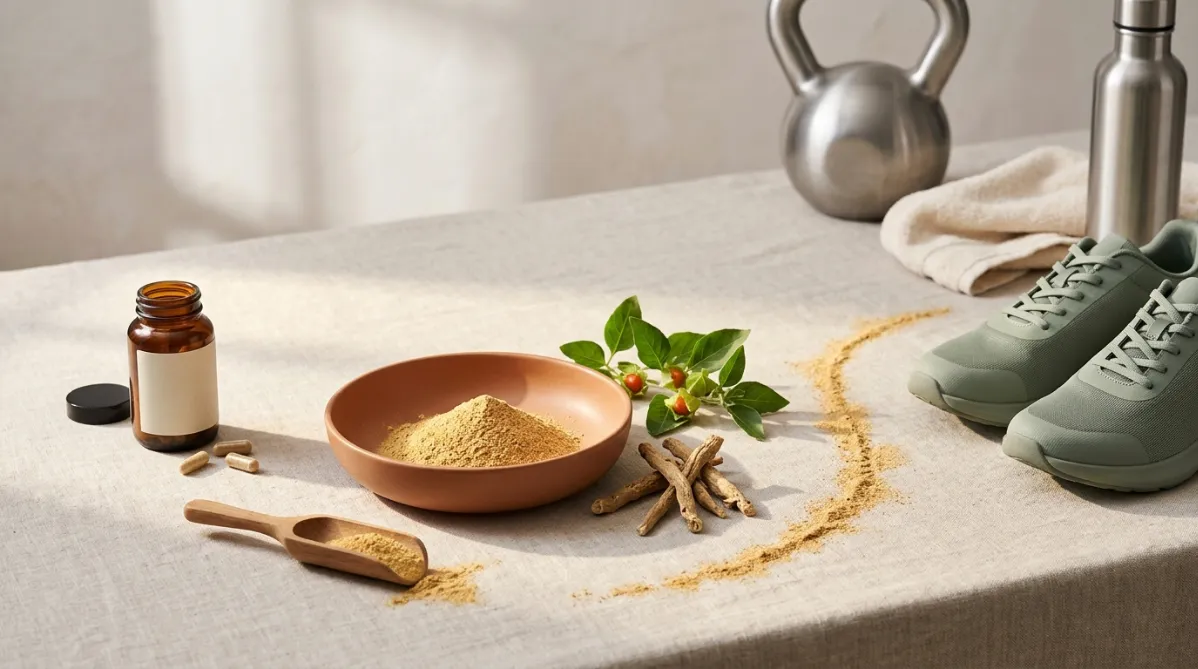
Ashwagandha's Surprise: It Helps Endurance More Than Strength
Ashwagandha is often marketed as a strength and muscle booster, but a new meta-analysis points somewhere else. Pooling 13 randomized trials and 599 participants, researchers found the most consistent benefit for aerobic endurance, with a pooled effect of g = 0.54. Strength gains were positive but uncertain, and the data on power were thin. The apparent dose sweet spot of 500-600 mg/day of extract comes with big caveats, including a prediction interval that crosses zero. Here is what the evidence supports, who might benefit, and who should hold off.
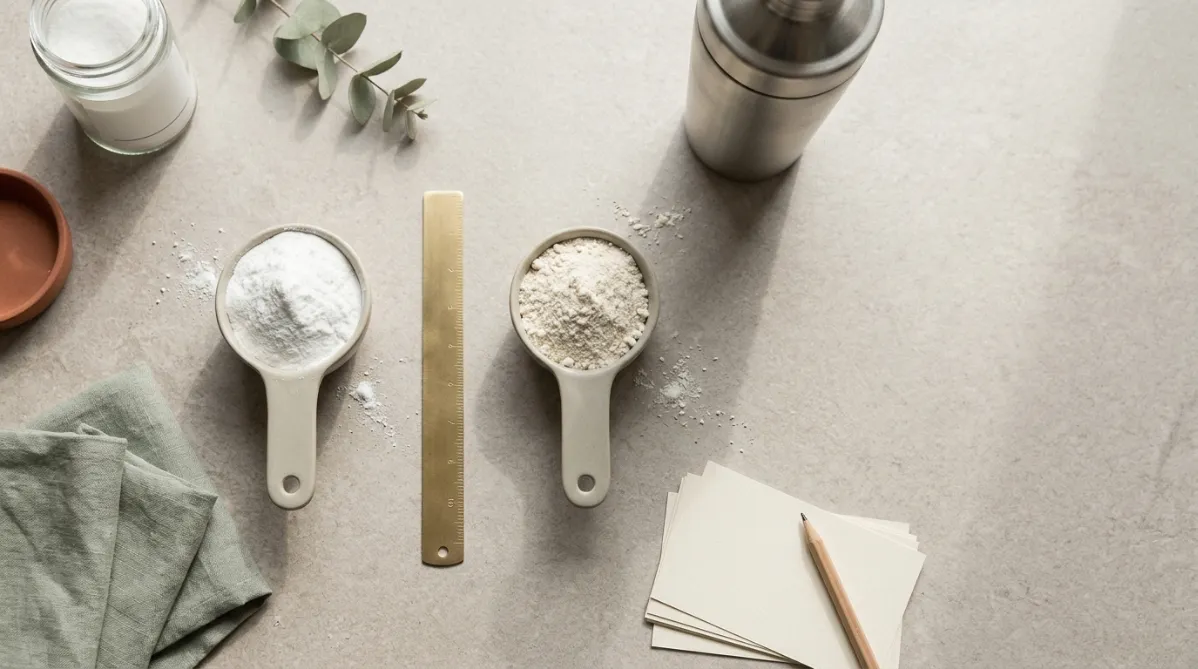
Creatine + Beta-Alanine: The Stack Bonus Researchers Couldn't Find
The creatine plus beta-alanine stack is marketed as a performance power couple, but a new network meta-analysis of 52 randomized trials found no synergy between them. Creatine alone significantly improved sprint, jump, repeated-sprint and upper-body endurance outcomes versus placebo. Beta-alanine's effects were non-significant or context-specific, and the combo added nothing beyond creatine. Here's what the study did, where it falls short, and what it means for your supplement budget.
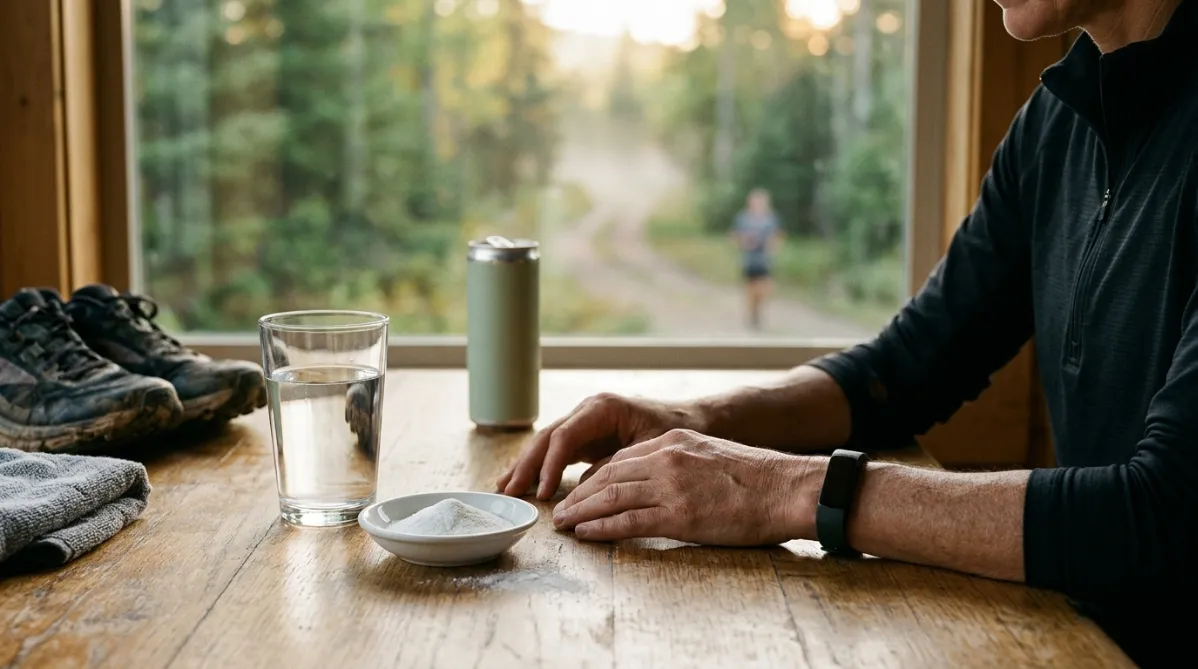
The Energy Drink Ingredient That Boosts Endurance on Its Own
Everyone talks about caffeine, but the other ingredient on the energy drink can may be quietly doing its own work. A 2018 meta-analysis of 10 studies found that isolated taurine improved endurance performance (Hedges' g = 0.40), and a single dose appeared to be enough. Neither dose (1–6 g) nor supplementation length changed the effect in a meaningful way. The catch is a small evidence base and wide confidence intervals, so this is a promising signal, not a guarantee. Here's what the study found and how to try taurine sensibly.
How Much Caffeine Before Lifting? A Meta-Analysis Says 1–2 mg/kg Still Works
The standard advice for caffeine before lifting is 3–6 mg/kg, which can mean several cups of coffee or a heavy scoop of pre-workout. A 2022 meta-analysis of 12 trials found that doses of just 0.9–2 mg/kg still improved muscular strength (d ≈ 0.17), muscular endurance (d ≈ 0.21), and mean bar velocity (d ≈ 0.56). For many lifters, that's about one to two cups of coffee. The effects are modest and the evidence comes from acute, single-session studies, but the findings suggest you may be able to get a similar benefit with less caffeine.
How Much Protein Actually Maximizes Muscle? The 1.6 g/kg Plateau, Explained
Think you need 2+ grams of protein per pound to grow? A meta-analysis of 49 trials and 1,863 adults found muscle-building benefits leveled off around 1.6 g/kg per day. The upper confidence limit reached about 2.2 g/kg, giving lifters a practical range instead of an arbitrary mega-dose. Trained lifters gained the most from supplementation, while the benefit shrank with age. Here is what the numbers mean for your plate, your shaker bottle and your budget.
Does Beta-Alanine Work? A Meta-Analysis Says Yes for Efforts Lasting 60–240 Seconds
Beta-alanine has long been marketed as a way to push back against the burn of hard exercise, but does it deliver? A meta-analysis of 15 studies and 360 participants found a real but modest benefit, with an estimated median gain of 2.85%. The effect was clearest for efforts lasting 60–240 seconds, was smaller beyond four minutes, and did not appear for sprints under a minute. The article also covers the commonly used loading approach of 3.2–6.4 g per day for four or more weeks, how splitting doses can reduce tingling, and which athletes stand to gain most.
Do Slow Reps Build More Muscle? Revolutionary Meta-Analysis Reveals the Truth About Tempo Training
A revolutionary new meta-analysis has finally settled the debate about repetition tempo and muscle growth. Researchers analyzed dozens of studies involving healthy adult males to determine whether slow reps truly build more muscle than faster movements. The surprising findings reveal that moderate tempos (2-4 seconds per rep) combined with higher training volume produce superior results compared to extremely slow repetitions, challenging conventional wisdom in the fitness world.