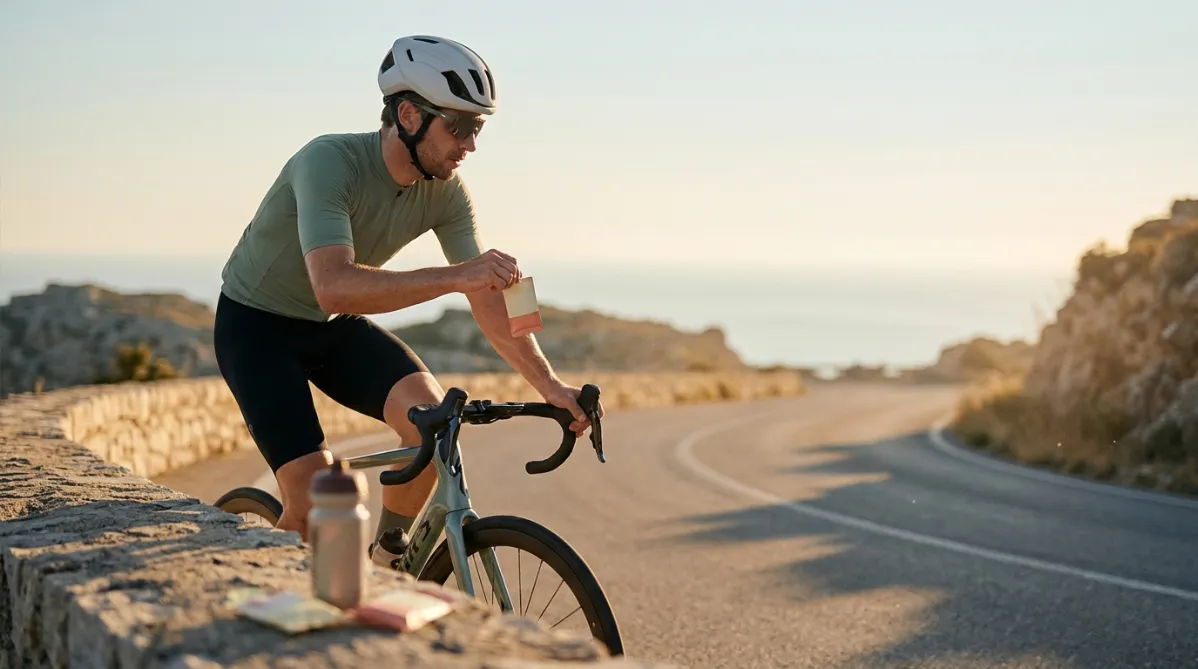
Bicarb Gels Mid-Ride Added 12 W Late in a 3-Hour Cycling Test
What if the best time to take bicarbonate isn't before the race, but during it? A new randomized crossover trial in 11 trained cyclists tested bicarbonate-plus-carb gels across 3 hours of riding. In the fatigued state afterward, 12-minute time-trial power was 12 W higher than with carbs alone, and stomach symptoms didn't differ. But sprints and 2-minute efforts showed no significant gain, the sample was tiny, and the products came from MNSTRY. Here's what the numbers really say.
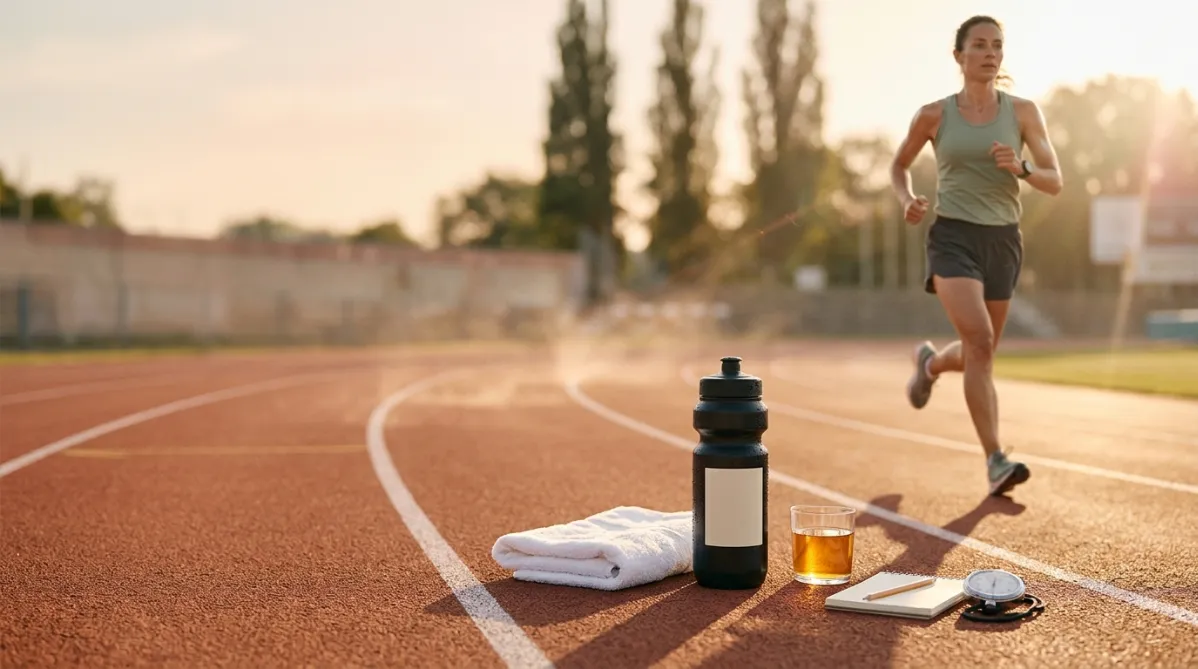
Ketone Drinks in the Heat: Longer Endurance and Sharper Memory?
Ketone drinks are supposed to be for fat-burning biohackers, but a new heat-stress trial suggests they might also help you finish stronger. In 17 trained men, ketone monoester plus caffeine extended time to exhaustion to 8.9 minutes versus 7.0 with carbs plus caffeine, after 90 minutes of loaded treadmill work at 34 °C. Working-memory accuracy on the 1-back task improved too, while heart rate and core temperature didn't differ meaningfully. But 2-back, reaction time and the hit-and-avoid task showed no benefit, and the study was small, male-only and single-session. Here's what the data show, and what they don't.
A Mushroom Capsule Lifted VO2max 14.8%—But There's a Big Catch
A mushroom capsule, 40 days, and a 14.8% rise in VO2max sounds almost too good to be true. In this new Antioxidants paper, 50 young male athletes taking 320 mg/day of a beta-glucan-rich multi-mushroom extract improved from 46.26 to 53.12 mL/kg/min. The big catch is that there was no placebo group, no randomization and no blinding, and the athletes kept training throughout. Cell experiments on rat heart cells add a hypoxia-related hint, but they tested single compounds, not the capsule. Here's what the study found, what it can't tell us, and who should think twice.
Ashwagandha's Surprise: It Helps Endurance More Than Strength
Ashwagandha is often marketed as a strength and muscle booster, but a new meta-analysis points somewhere else. Pooling 13 randomized trials and 599 participants, researchers found the most consistent benefit for aerobic endurance, with a pooled effect of g = 0.54. Strength gains were positive but uncertain, and the data on power were thin. The apparent dose sweet spot of 500-600 mg/day of extract comes with big caveats, including a prediction interval that crosses zero. Here is what the evidence supports, who might benefit, and who should hold off.

Ketone IQ Raised Ketones at Cape Epic, But Did Nothing Else
Riders at the 8-day Cape Epic drank Ketone IQ twice a day and hit about 1 mM blood ketones, yet their fatigue, heart rate, reaction time and recovery looked the same as placebo riders. The double-blind trial tested R-1,3-butanediol in real racing conditions rather than a lab. The authors say the modest ketosis was not effective, and that butanediol should not be confused with ketone esters. With only 18 riders, the study has real limits, but it is a sobering data point for anyone considering a pricey ketone drink for recovery.
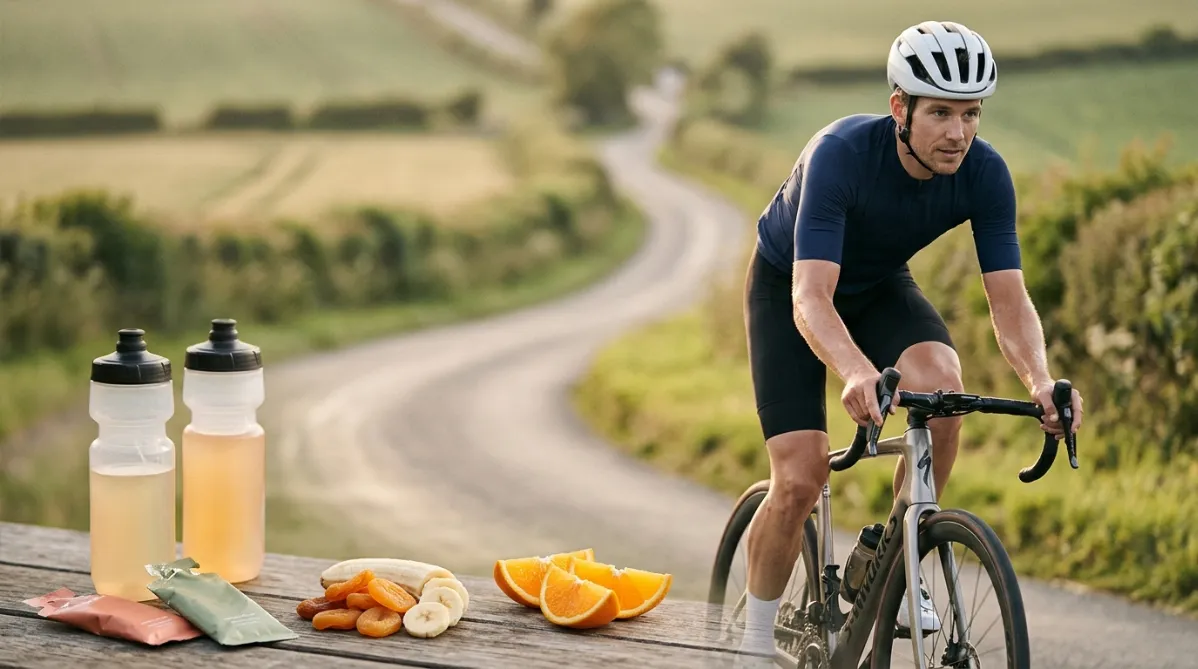
100 g Carbs an Hour Kept Cyclists Faster—And Glycogen Wasn't Why
Four hours into a hard ride, cyclists who fueled with 100 g of carbs per hour lost less power than those who took 60 g. The surprise is that their muscle glycogen ended up about the same. This randomized, double-blind crossover study of 15 trained men points to something beyond glycogen sparing. We break down the numbers, the 1:0.8 glucose:fructose protocol, and how to apply it. We also cover who should skip it and why the small, male-only sample matters.
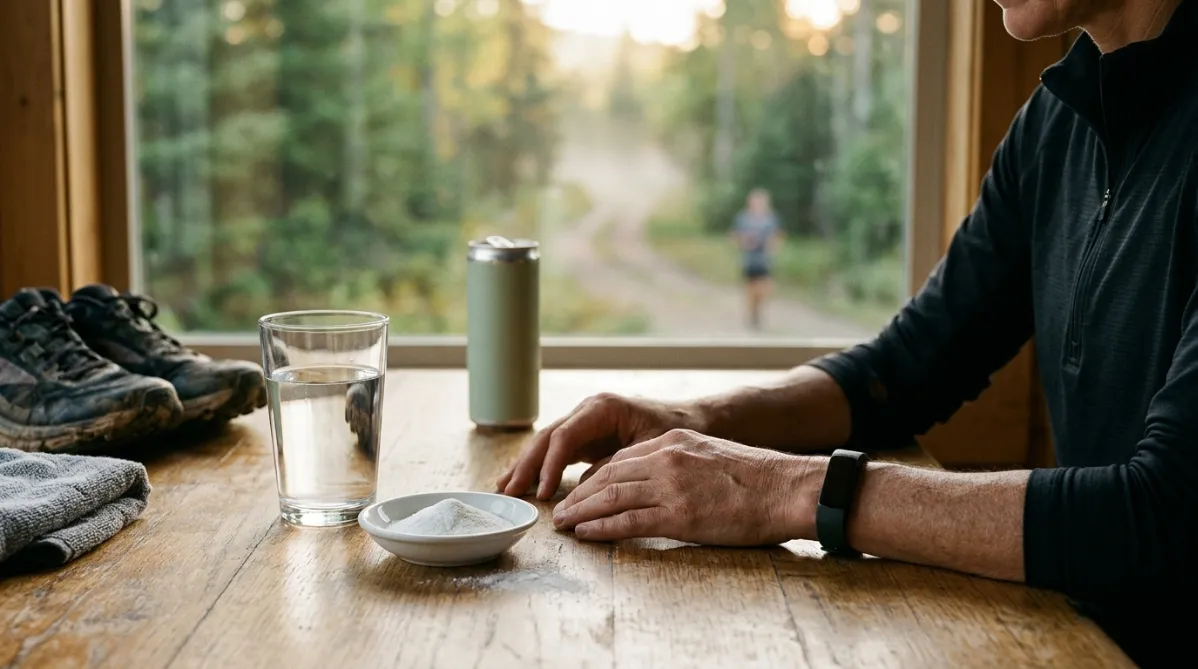
The Energy Drink Ingredient That Boosts Endurance on Its Own
Everyone talks about caffeine, but the other ingredient on the energy drink can may be quietly doing its own work. A 2018 meta-analysis of 10 studies found that isolated taurine improved endurance performance (Hedges' g = 0.40), and a single dose appeared to be enough. Neither dose (1–6 g) nor supplementation length changed the effect in a meaningful way. The catch is a small evidence base and wide confidence intervals, so this is a promising signal, not a guarantee. Here's what the study found and how to try taurine sensibly.
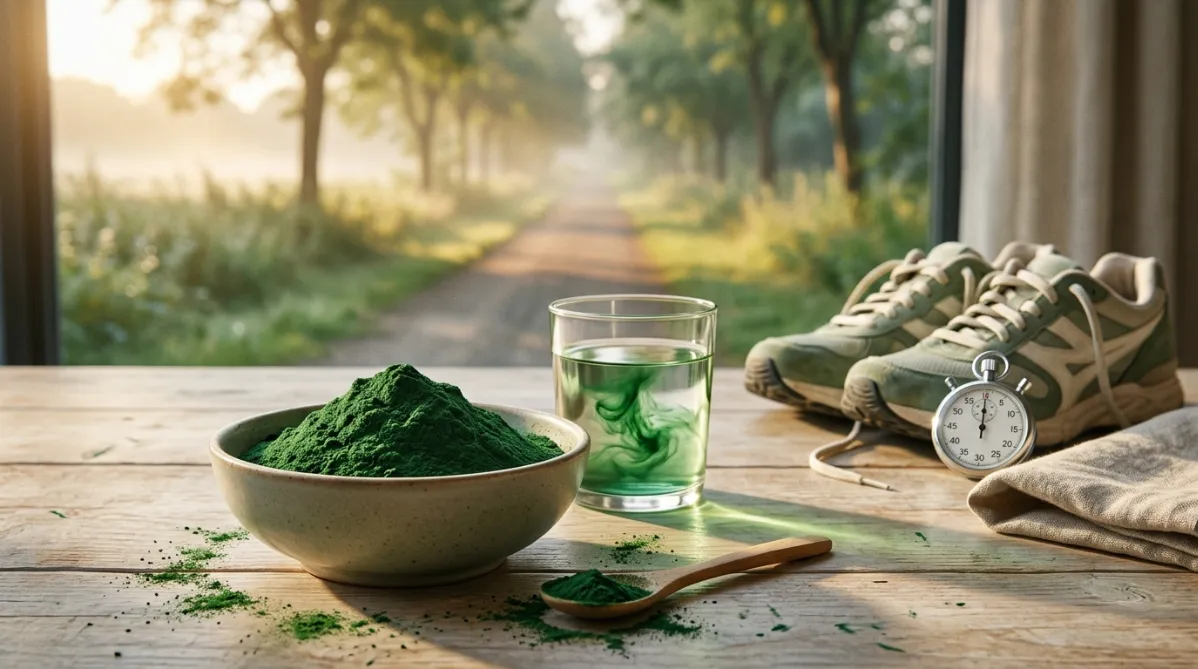
Spirulina Helped Runners Last 32% Longer—Here's the Catch
Runners who took spirulina for four weeks lasted about 32% longer in an all-out effort after a brutal two-hour run. The same study found a 10.9% jump in fat oxidation and higher levels of the antioxidant glutathione. But before you stock up, there's a catch: only nine men took part, and the real-world gain was roughly 39 seconds. Here's what the research shows, why it might work, and how to try it safely.
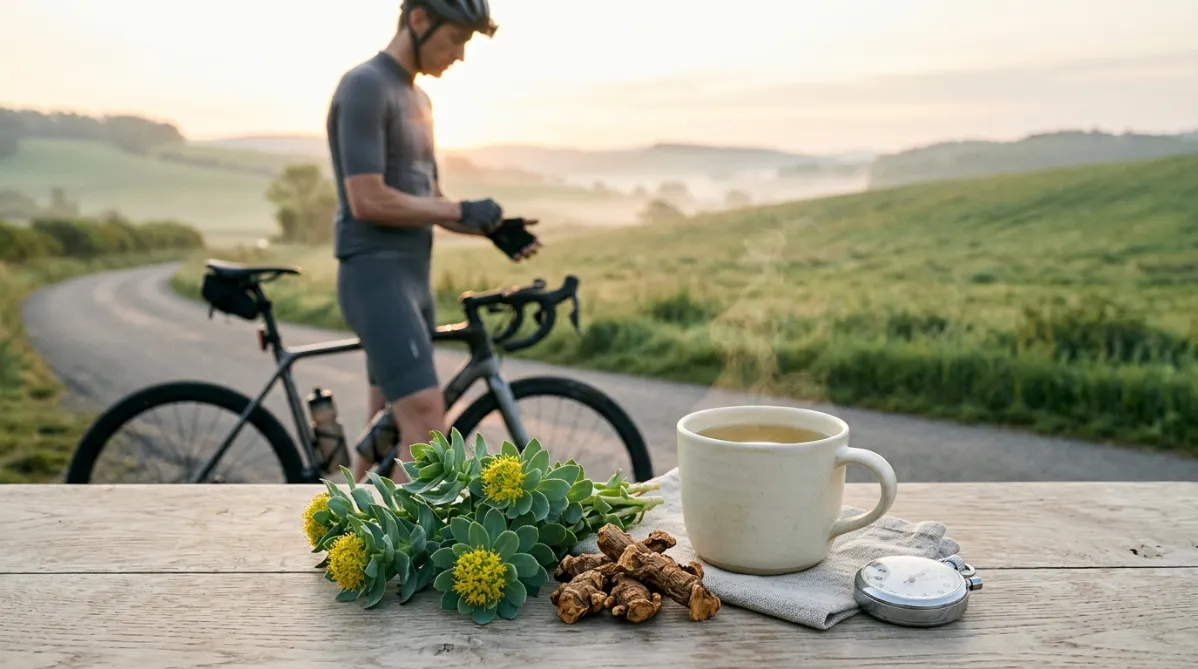
Rhodiola Rosea: A Stimulant-Free Pre-Workout for Hard Cardio?
A 2013 crossover trial found that a single 3 mg/kg dose of Rhodiola rosea an hour before a 6-mile bike time trial shaved the finish time from 25.8 to 25.4 minutes. Warm-up heart rate dropped from 140 to 136 bpm, and perceived exertion fell from 6.6 to 6.0. The gain is small, around 1.5%, and comes from only 18 people, so it's no miracle. Still, the effort-perception angle makes it an intriguing stimulant-free option for endurance athletes. Here's what the data show and how to try it sensibly.
SLAB51 Probiotic: One Week Added 33 Seconds for Elite Athletes
One week of the multi-strain probiotic SLAB51 helped elite athletes last about 33 seconds longer on a treadmill test, but a single dose did nothing and VO2max didn't change. The randomized, double-blind crossover trial also found higher levels of the antioxidant enzyme SOD before exercise. So what is SLAB51, and why might gut bacteria influence endurance at all? This article breaks down the study design, the numbers, and what athletes can realistically take from them. It also covers the limits: a small sample of elite men and a very short intervention.
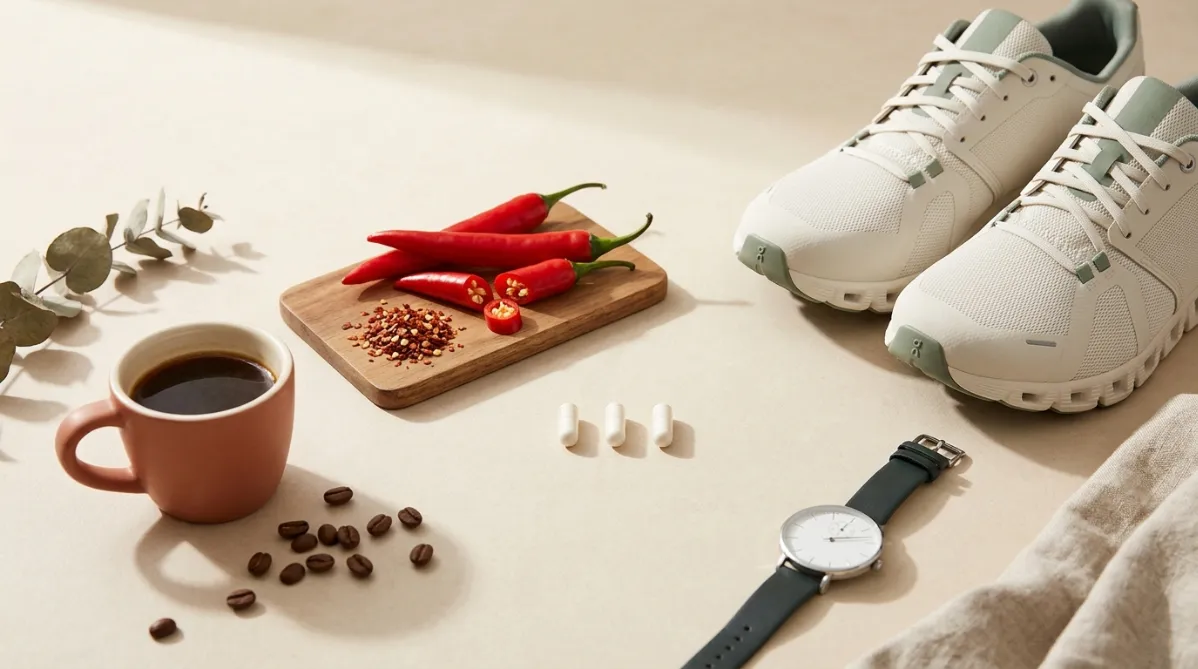
Caffeine + Capsaicin Beat Placebo in a 10K. Capsaicin Alone Didn't
A chili-pepper compound plus caffeine was the only combo that beat placebo over 10 km in a new crossover trial, yet capsaicin alone did nothing. Caffeine drove the statistical effect, and there's no proof of synergy. The dose, 6 mg/kg, works out to roughly 450 mg for a 75 kg runner, which is a lot. Insomnia, anxiety, headaches, and racing heart showed up more often with caffeine. Here's what the 20-runner study found and who should skip it.
Astaxanthin for 4 Days Boosted Cycling Time-to-Exhaustion From 72 to 85 Minutes in a Small Trial
Four days of astaxanthin at 28 mg/day lengthened cycling time to exhaustion from about 72 to 85 minutes in a small randomized trial, a gain of roughly 18%. The same protocol blunted rises in muscle damage markers (CK and LDH) and lipid peroxidation (MDA) after a hard ride at 75% VO2max. Inflammation markers and fuel use did not change, so the mechanism is still unclear. The dose is also well above what many softgels provide, and the study had just ten young men. Here is what the numbers show and where the evidence stops.

200 mg of Rhodiola Bought Lifters 24 Extra Seconds. Then Four Weeks of Daily Dosing Added Nothing
A single 200 mg dose of Rhodiola rosea taken an hour before exercise nudged time to exhaustion from 16.8 to 17.2 minutes and raised VO2peak in a double-blind crossover trial. The twist is that four weeks of daily dosing didn't build on that effect or change any measured variable. The gain was small, about 24 seconds, and strength, reaction time and attention didn't budge. Here is what the study actually found, who might try an acute dose, and why you shouldn't count on "loading" rhodiola.