Dr. Gymbro
←

#meta-analysis

8 articles
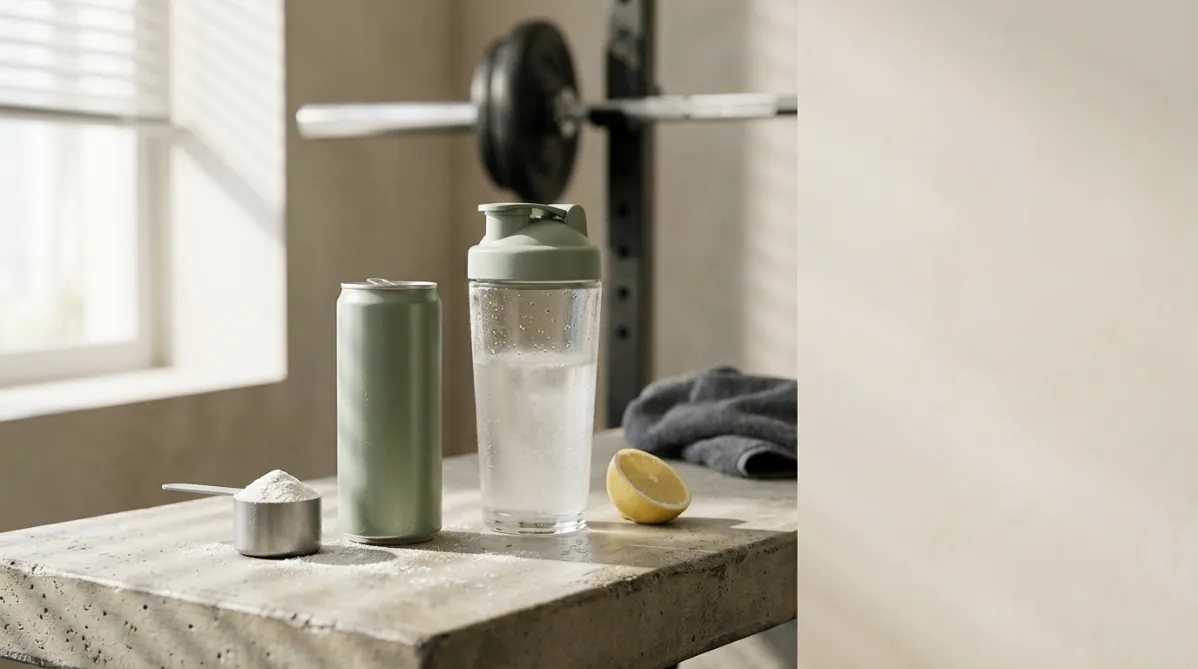
A sleek aluminum energy drink can and a matte scoop of white pre-workout powder sit side by side on a pale concrete gym bench, lit by soft morning window light. The can is slim and minimalist, with a muted sage green label and no legible text. Beside it is a clear glass shaker half full of cloudy, lightly frothy liquid with condensation beading on its surface. A few fine grains of powder are scattered across the bench, catching the light. Behind them, slightly out of focus, a stainless steel barbell rests on a rack, and a folded charcoal gym towel sits at the edge of the frame.

The color palette is warm neutral: oatmeal, soft gray, and sage, with a single accent of pale citrus yellow from a halved lemon wedge placed near the glass. A thin, elegant shadow from the window blinds falls diagonally across the scene, giving it an editorial, magazine-style rhythm. The composition leaves generous negative space on the right third of the frame, a smooth blurred wall in warm off-white, suitable for headline text overlay.

The shot is a low-angle, shallow depth-of-field product-style photograph, as if taken with an 85mm lens at f/2. The foreground objects are tack sharp and the background melts into creamy blur. The mood is calm, clean, and modern, like a wellness or science journal feature. Subtle film grain and gentle contrast add a tactile, contemporary lifestyle feel. There are no people, no logos, and no futuristic or sci-fi elements, just a quiet, considered still life that suggests the choice between a canned drink and a scooped supplement.
nutrition

Votre boisson énergétique peut agir comme un pré‑workout – mais il y a un hic

BY DR. GYMBRO ·

Caféine et taurine sont souvent associées dans les boissons énergisantes et les pré‑workouts, mais cette combinaison améliore‑t‑elle réellement la performance ? Une méta‑analyse récente de 11 essais randomisés (234 participants) montre des gains modérés en puissance maximale et en temps d’épuisement, ainsi qu’une perception d’effort moindre. Le rythme cardiaque n’a pas bougé et les résultats sur le temps de réaction restent trop variables pour être fiables. Le problème, c’est que les études sont petites et ne permettent pas de conclure que la taurine apporte quelque chose de plus que la caféine.
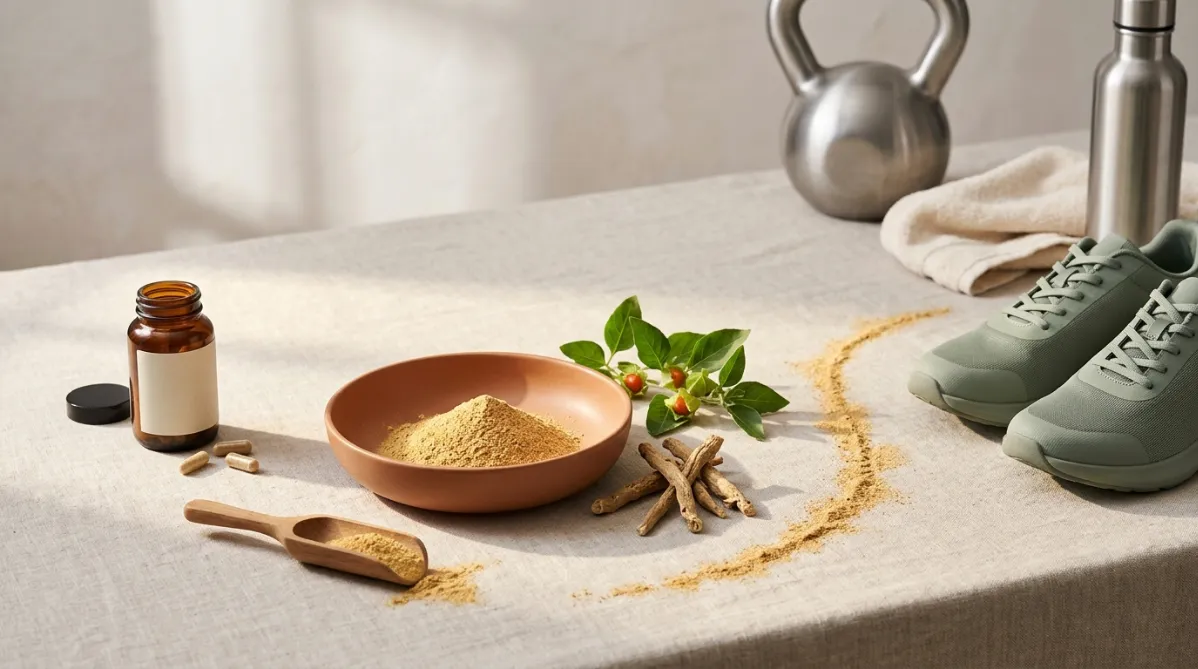
A wide, editorial-style still life shot from a slightly elevated angle on a pale oatmeal-colored linen surface in soft, diffused morning light. At the center, a shallow matte ceramic bowl in warm terracotta holds a small mound of fine, golden-tan ashwagandha root powder. Beside it lie a few gnarled, dried ashwagandha roots and a sprig of green leaves with tiny orange-red berries in their papery husks. To the left, a minimalist amber glass supplement bottle sits with a few capsules spilled beside it, label blank and clean. A wooden scoop rests on the surface, dusted with powder.

On the right side of the frame, a pair of sleek, muted sage-green running shoes sits slightly off-center. A folded cream towel and a stainless steel water bottle sit just behind them, with a single brushed-steel kettlebell partly out of focus in the background to hint at strength training without dominating the scene. The running shoes and the botanical elements share equal visual weight, suggesting the endurance theme.

A thin, curved line of scattered powder sweeps across the linen from the bowl toward the shoes, like a gentle path or track. Soft shadows fall to the left, and a warm sunbeam crosses the surface and picks out the texture of the powder and the roots.

The palette is restrained and modern: warm terracotta, sage green, cream, soft gold, and touches of charcoal. The background is a blurred pale plaster wall with a hint of a window shadow. Shallow depth of field, crisp focus on the bowl and roots, and generous negative space in the upper left for a headline. Contemporary wellness magazine aesthetic, calm, natural, tactile, high-end lifestyle photography, no text, no people, no futuristic elements.
science research

La surprise de l'Ashwagandha : elle favorise l'endurance plus que la force

BY DR. GYMBRO ·

L'Ashwagandha est souvent vendue comme un booster de force et de masse musculaire, mais une nouvelle méta‑analyse montre que son principal atout se situe ailleurs : l'endurance aérobie. En regroupant 13 essais randomisés et 599 participants, les chercheurs ont observé un effet moyen de g = 0,54 sur l'endurance, tandis que les gains de force restent incertains. La dose « idéale » semble se situer entre 500 et 600 mg d'extrait par jour, même si cette recommandation comporte d’importantes réserves. Voici ce que disent réellement les données, qui peut en profiter et qui devrait rester prudent.
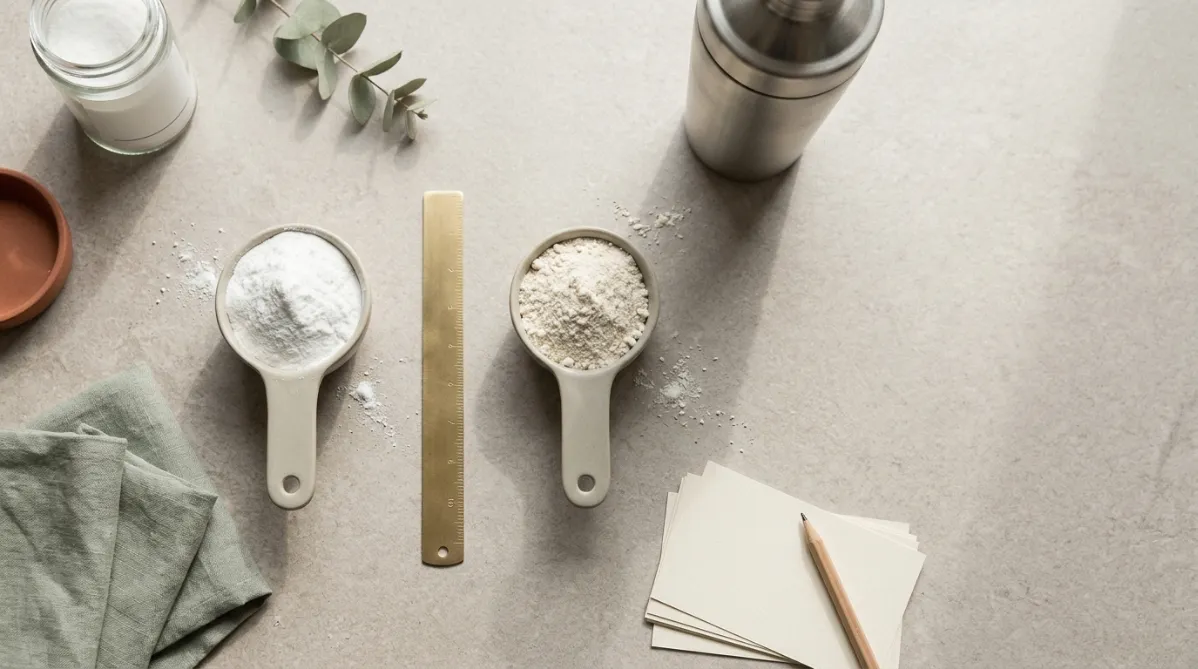
A bright, minimalist flat-lay photograph of two supplement scoops on a pale warm-gray stone surface, shot from directly above in soft natural window light. On the left, a matte ceramic scoop holds fine white creatine monohydrate powder, heaped in a clean mound. On the right, a second scoop of the same shape holds slightly coarser off-white beta-alanine powder, with a small, deliberate gap between the two. Each scoop sits in its own soft shadow, which suggests separation rather than combination. Between them, a thin brushed-brass ruler or a single slim line of fine powder runs across the surface and subtly divides the composition.

Around the scoops, a few restrained props in a muted editorial palette of sage green, cream, terracotta, and soft charcoal: a small glass jar with a minimalist label that has no readable text, a folded linen napkin, a single sprig of eucalyptus, and a stainless-steel shaker bottle softly out of focus in the upper corner. A few loose powder grains are scattered naturally across the stone. A small stack of blank cream index cards with a pencil rests in the lower right, hinting at research and note-taking without any legible writing.

The composition follows a clean rule-of-thirds layout, with generous negative space on the right third for headline overlay. The lighting is gentle and diffused, with long, soft shadows falling to the lower left. The color grading is calm and slightly desaturated, with creamy highlights and a subtle film-like grain. The overall look is a modern wellness and science journal cover, with an airy, trustworthy, contemporary editorial feel, shallow depth of field, and crisp detail on the powders.
nutrition

Créatine + Bêta‑alanine : le prétendu avantage du combo que les chercheurs n’ont pas confirmé

BY DR. GYMBRO ·

Le duo créatine + bêta‑alanine est souvent présenté comme le combo miracle pour la performance, mais une méta‑analyse en réseau portant sur 52 essais randomisés n’a détecté aucune synergie entre les deux. La créatine seule a nettement amélioré le sprint, le saut, les efforts répétés et l’endurance du haut du corps par rapport à un placebo. Les effets de la bêta‑alanine étaient non significatifs ou dépendants du contexte, et le mélange n’a rien apporté de plus que la créatine. Voici comment l’étude a été menée, ses limites, et ce que cela implique pour votre budget de compléments.
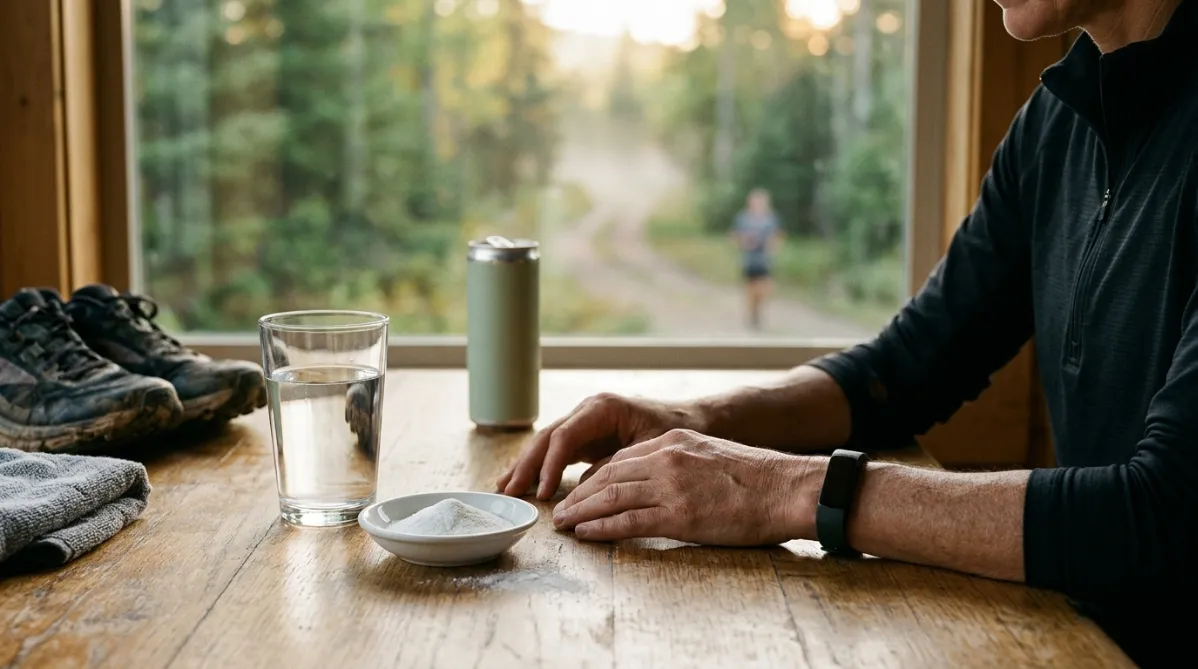
A landscape editorial photograph of a lone runner's hands resting on a weathered wooden table beside a small white ceramic dish of fine white powder and a clear glass of water, shot in soft morning light. A slim matte aluminum energy drink can, unbranded with a minimalist pale sage-green label, stands slightly out of focus in the background, with a single scoop of powder dusted lightly on the tabletop. A pair of worn running shoes and a folded gray towel sit at the edge of the frame. Through a large window behind them, a blurred misty trail winds through green trees at sunrise, with warm golden light spilling across the scene.

The color palette is calm and modern: creamy off-white, sage green, warm honey gold, and soft charcoal. The composition follows the rule of thirds, with the dish and glass in the lower left third and generous negative space on the right for a title overlay. The depth of field is shallow, with a crisp focus on the powder's delicate texture and tiny glints of light on the glass rim. The mood is clean, thoughtful, and quietly energetic, like a contemporary health and science magazine feature. Natural grain, subtle film-like softness, and gentle shadows give it an authentic lifestyle-editorial look. There are no text, logos, or futuristic elements, only tactile, real-world materials like wood, ceramic, glass, cotton, and metal.
nutrition

L’ingrédient de boisson énergisante qui augmente l’endurance à lui seul

BY DR. GYMBRO ·

Tout le monde parle de la caféine, mais l’autre ingrédient présent dans les canettes d’énergie pourrait agir discrètement à part. Une méta‑analyse de 2018, basée sur 10 études, a montré que la taurine prise seule améliore la performance d’endurance (g d’Hedges = 0,40), avec une seule dose suffisante. Ni le dosage (1‑6 g) ni la durée de la supplémentation n’influaient de façon marquée sur l’effet. Le hic : la base de preuves reste limitée et les intervalles de confiance sont larges ; il s’agit donc d’un indice prometteur, pas d’une garantie. Voici ce que la recherche a dévoilé et comment consommer la taurine de façon raisonnée.
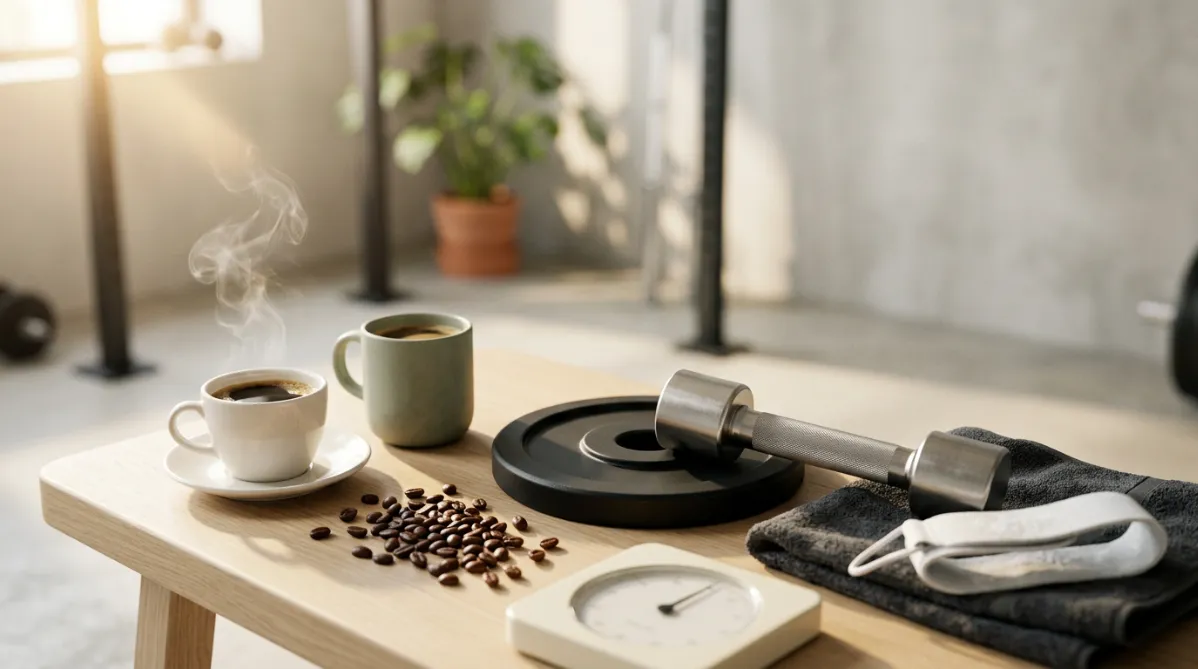
A wide, editorial-style flat lay photographed from slightly above on a pale oak gym bench with a soft matte finish. On the left, a small white ceramic cup of black coffee sits on a matching saucer, with a thin curl of steam rising and catching warm window light. Beside it is a second, slightly larger handleless stoneware mug in muted sage green, also filled with coffee, so the pair suggests one to two cups. In the center-right foreground rests a sleek matte-black steel barbell plate, partly overlapping a brushed-steel dumbbell with fine knurling. A folded charcoal gym towel and a clean white chalk-dusted wrist strap lie casually to one side. A small scatter of whole roasted coffee beans spills across the bench in front of the cups, glossy and deep brown. Near the bottom edge, a minimalist analog kitchen scale in soft cream with a thin black needle hints at precise dosing, without any readable numbers or text.

Soft morning sunlight streams in from the upper left, creating long, gentle shadows and a warm golden glow against cool neutral tones. The background is a softly blurred, airy home gym or boutique training studio with out-of-focus squat rack uprights, pale concrete walls, and a leafy green plant in a terracotta pot adding a touch of organic color. The palette is restrained and modern: warm cream, espresso brown, charcoal, sage green, and hints of brushed silver. Shallow depth of field keeps the cups and beans tack sharp while the background melts into creamy bokeh. The composition leaves generous negative space on the right third for a title overlay, with a balanced, calm, premium magazine feel, like a contemporary wellness and sports science journal. High-resolution, natural color grading, subtle film grain, realistic textures on ceramic, steel, and coffee crema.
nutrition

Quel dosage de caféine avant de soulever ? Une méta‑analyse montre que 1–2 mg/kg suffisent

BY DR. GYMBRO ·

Le dosage habituel de caféine avant une séance de musculation est de 3 à 6 mg/kg, soit plusieurs tasses de café ou une forte dose de pré‑entraînement. Une méta‑analyse de 2022, portant sur 12 essais, a montré que même 0,9 à 2 mg/kg amélioraient la force (d ≈ 0,17), l’endurance (d ≈ 0,21) et la vitesse moyenne de la barre (d ≈ 0,56). Pour la plupart des pratiquants, cela correspond à une ou deux tasses de café. Les effets restent modestes et proviennent d’études aiguës, mais ils suggèrent qu’on peut obtenir un bénéfice comparable avec beaucoup moins de caféine.
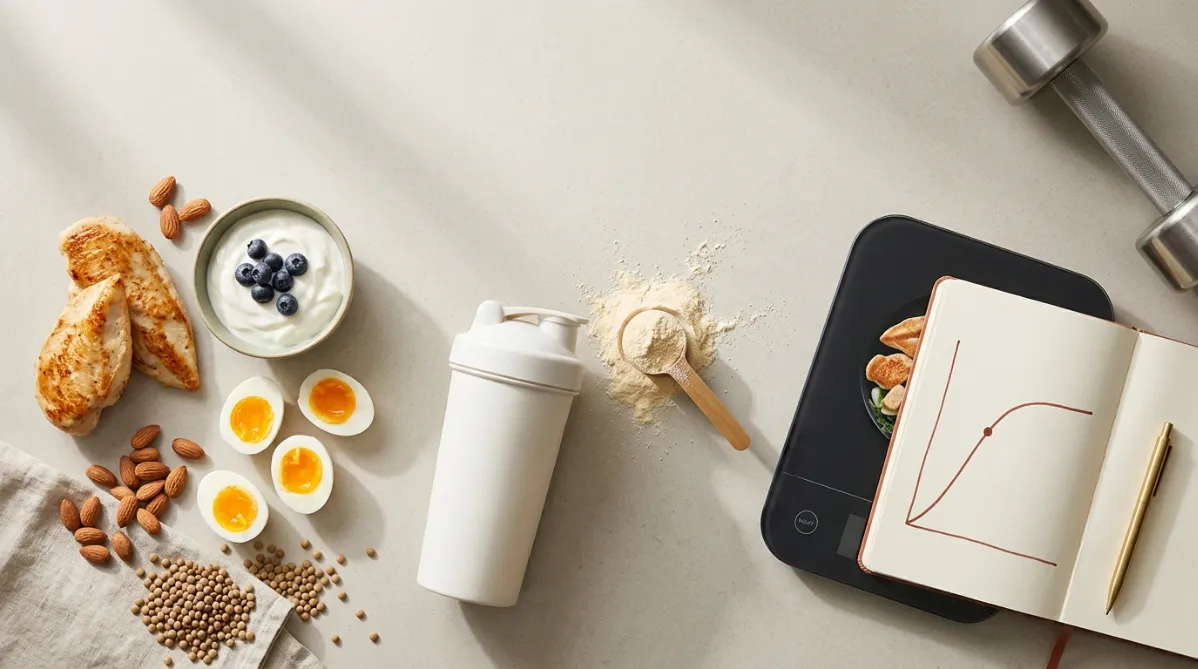
A wide, editorial flat-lay photograph shot from directly above on a pale warm-gray stone countertop, lit by soft natural morning window light with gentle diagonal shadows. On the left, a neatly arranged cluster of whole-food protein sources: two seared chicken breast slices with a golden crust, a small ceramic bowl of creamy Greek yogurt topped with blueberries, three halved soft-boiled eggs with jammy orange yolks, a handful of raw almonds, and a small pile of dried lentils scattered on a linen napkin. At the center, a matte white shaker bottle and a wooden scoop resting in a pile of fine vanilla-colored protein powder, a few grains dusted artfully across the surface. On the right, a minimalist kitchen scale in matte black displaying a portion of food, next to an open notebook with a hand-drawn curve that rises steeply and then flattens into a plateau, drawn in a deep terracotta ink pen, with a small dot marking the bend. A brass pen lies beside the notebook. A single dumbbell with a brushed steel finish sits partially in frame at the upper right corner, grounding the fitness theme without feeling gym-like. Color palette: warm cream, sage green, terracotta, soft charcoal, and butter yellow accents, with generous negative space along the top edge for title overlay. Shallow depth of field, crisp textures, subtle film grain, modern lifestyle magazine aesthetic, clean and calm composition, 16:9 landscape.
nutrition

Quelle quantité de protéines optimise réellement la prise de muscle ? Le plateau à 1,6 g/kg expliqué

BY DR. GYMBRO ·

Vous pensez qu’il faut plus de 2 g de protéines par livre de poids corporel pour développer vos muscles ? Une méta‑analyse de 49 études, portant sur 1 863 adultes en bonne santé, montre que les bénéfices plafonnent autour de 1,6 g/kg par jour. L’intervalle de confiance s’étend jusqu’à environ 2,2 g/kg, offrant ainsi une fourchette réaliste au lieu d’une dose astronomique. Les athlètes déjà entraînés tirent le plus profit de la supplémentation, tandis que l’avantage diminue avec l’âge. Voici ce que ces chiffres impliquent pour votre assiette, votre shaker et votre portefeuille.
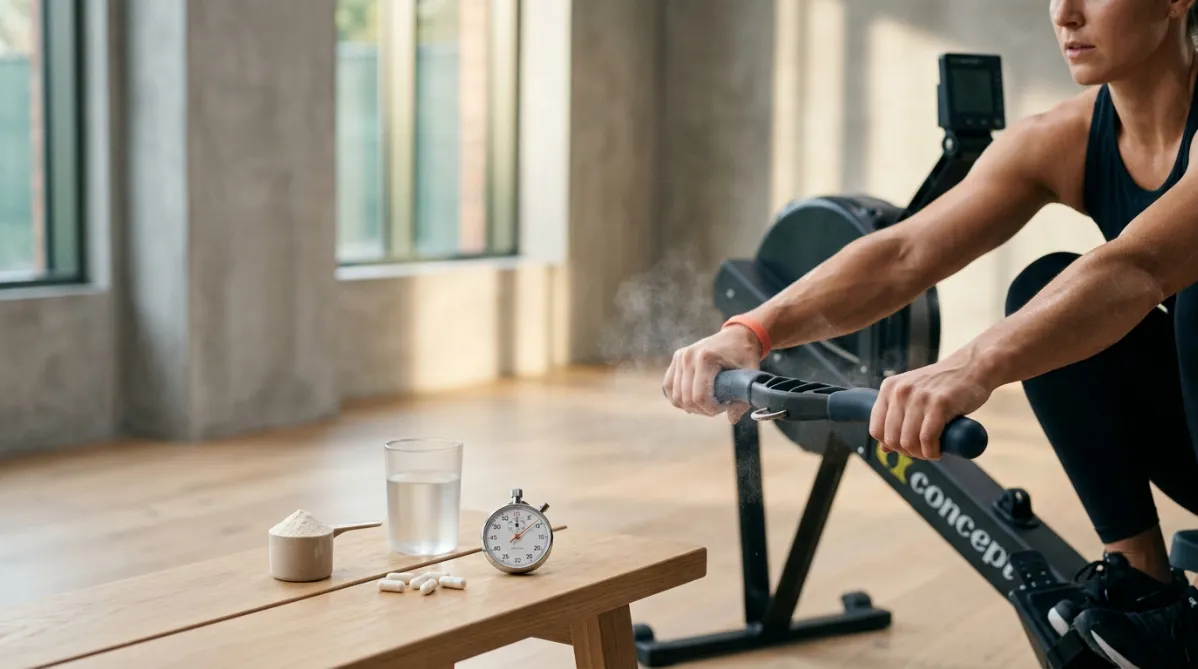
A wide, minimalist editorial scene of an athlete's hands and forearms gripping the handles of a rowing ergometer, shot in soft natural light from a large window in a clean, airy training studio. The athlete is mid-pull, forearm muscles subtly defined, a light sheen of sweat on the skin, chalk dust floating in the air. In the foreground on a pale oak bench sits a small ceramic scoop of fine white powder beside a matte glass of water, with a few loose white capsules arranged neatly in a gentle curve. A minimalist analog stopwatch with a clean white face lies next to them, its hand paused near the two-minute mark.

The color palette is calm and modern: warm off-white, soft sand, muted sage green, and a single accent of coral orange in the stopwatch hand and the rower's wristband. The background is softly blurred concrete and pale wood with long, gentle shadows stretching across the floor. Shallow depth of field keeps the hands, powder, and stopwatch crisp while the rest dissolves into creamy bokeh.

Composition follows the rule of thirds: the rowing handles and hands occupy the right third, the bench still life sits in the lower left, and open negative space in the upper left leaves room for a title overlay. The mood is focused, quiet, and intentional, like a high-end health and science journal feature. Fine film grain, subtle matte finish, editorial photography style, natural color grading, and no text or logos.
nutrition

La bêta‑alanine fonctionne‑t‑elle ? Une méta‑analyse confirme son efficacité pour les efforts de 60 à 240 secondes

BY DR. GYMBRO ·

La bêta‑alanine est souvent présentée comme le moyen de retarder la sensation de brûlure liée à un effort intense, mais délivre‑t‑elle réellement ses promesses ? Une méta‑analyse de 15 études, portant sur 360 participants, a mis en évidence un bénéfice réel mais modeste, avec un gain médian de 2,85 %. L’effet était le plus net pour les efforts de 60 à 240 secondes, s’atténuant au‑delà de quatre minutes et absent pour les sprints de moins d’une minute. L’article détaille également le protocole de charge habituel (3,2 à 6,4 g /jour pendant au moins quatre semaines), les moyens de limiter les fourmillements en fractionnant les doses, et les athlètes qui peuvent le plus en bénéficier.
A sleek, modern gym interior with warm natural lighting streaming through large windows, featuring a minimalist weight training area with polished concrete floors and exposed brick walls. In the foreground, a single chrome barbell rests on a clean wooden bench, with perfectly organized dumbbells arranged on a contemporary rack in soft focus behind it. The scene captures a peaceful, contemplative moment with subtle shadows creating depth and visual interest. The color palette consists of warm grays, natural wood tones, and soft whites, with subtle amber lighting that creates an inviting, professional atmosphere perfect for serious training.
general

Les répétitions lentes développent‑plus de muscle ? Une méta‑analyse révolutionnaire révèle la vérité sur l’entraînement au tempo

BY DR. GYMBRO ·

Une méta‑analyse révolutionnaire a enfin mis un terme au débat sur le tempo des répétitions et la prise de muscle. En analysant des dizaines d’études réalisées auprès d’hommes adultes en bonne santé, les chercheurs ont évalué si les répétitions lentes favorisent réellement davantage d’hypertrophie que les mouvements plus rapides. Les résultats montrent que des tempos modérés (2‑4 s par répétition) combinés à un volume d’entraînement plus élevé donnent des gains supérieurs aux répétitions ultra‑lentes, remettant en cause les idées reçues du milieu du fitness. Cette découverte ouvre la voie à des programmes d’entraînement plus efficaces et fondés sur des données scientifiques.

This page is available in