Dr. Gymbro
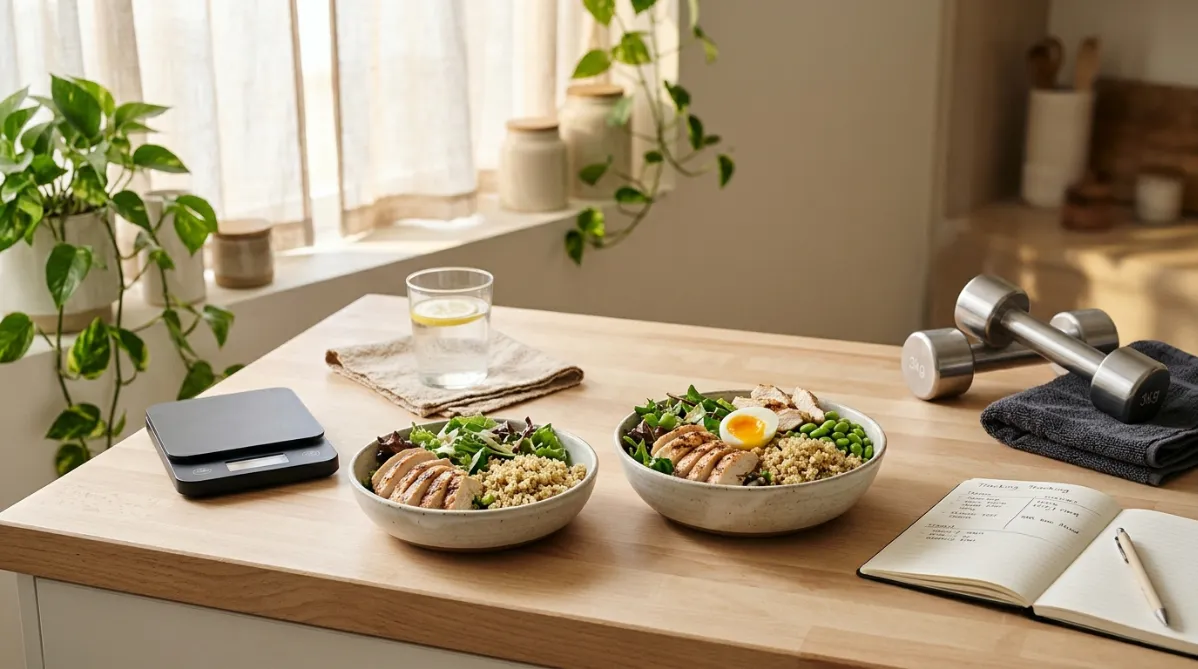
A wide landscape editorial photograph of a clean, sunlit kitchen counter in soft natural morning light, styled like a modern wellness journal cover. In the foreground, two matching ceramic bowls sit side by side on a pale oak butcher block. The left bowl holds a modest portion of sliced grilled chicken breast, quinoa, and greens. The right bowl holds a noticeably larger, double-sized portion of the same ingredients, with extra chicken, a soft-boiled egg, and edamame. The contrast in portion size is clear but elegant. Beside the bowls are a matte black digital kitchen scale, a tall glass of water with a lemon slice, and a small linen napkin in warm oatmeal tone. A pair of sleek brushed-steel dumbbells rests slightly out of focus on the counter's edge, and a folded charcoal gym towel sits next to them. In the soft-focus background, a large window with sheer curtains lets in diffused golden light, and a trailing green pothos plant adds an organic touch. A small, minimal notebook with a pen lies open to the side, suggesting careful tracking. The color palette is muted and cohesive: warm creams, sage green, soft terracotta, charcoal, and natural wood. Shallow depth of field, crisp focus on the bowls, gentle shadows, and subtle film-like grain. Composition follows the rule of thirds with generous negative space on the upper right for headline text. The mood is calm, thoughtful, and trustworthy, like a contemporary health and science magazine feature. There are no people, no text, and no futuristic elements.
Nutrition

16周摄入3.2 g/kg蛋白质:会损害举重者的肾脏吗?

Dr. Gymbro · · 1 min read

在各大健身房里,你常会听到类似的警告:蛋白质吃太多会伤肾。最近一项为期16周、针对力量训练男性的随机对照试验把“高蛋白”这件事摆到实验桌面上,结果比单纯的“是”或“否”更耐人寻味。

结果概览

  • 蛋白质摄入量的提升未在统计学上导致肾脏指标出现显著差异;
  • 但高蛋白组的BUN、cystatin C略有上升,eGFR略有下降,这些变化不容忽视。

研究到底测了什么

该研究发表在 Journal of the International Society of Sports Nutrition,由 Reza Bagheri 团队主导,运动营养学者 Richard Kreider 也在作者名单中。48 名力量训练男性(平均年龄 26 岁,BMI 25.6)被随机分配至 2 × 2 的因素设计:每周四次训练——纯阻力训练(RT)或阻力加有氧(CT),同时每日摄入 1.6 g/kg 或 3.2 g/kg 蛋白质。

对体重 80 kg 的受试者而言,分别对应约 128 g 与 256 g 蛋白质。后者相当于推荐膳食摄入量(RDA)0.8 g/kg 的四倍,也是大多数运动营养指南所建议的上限的两倍。最终有 44 名受试者完成前后测并纳入分析。

研究测量了空腹血尿素氮(BUN)、BUN/肌酐比值、cystatin C 以及估算的肾小球滤过率(eGFR)。eGFR 采用三种公式计算:基于肌酐的 CKD‑EPI 2021 版、基于 cystatin C 的 2012 版以及两者的复合公式。多公式并用的原因在于肌酐受肌肉量和肉类摄入影响较大,而 cystatin C 受这些因素干扰较小。

头条结论:无显著交互作用

核心统计检验是观察 时间 × 蛋白(以及 时间 × 训练 × 蛋白)的交互作用是否显著。所有生物标志物和 eGFR 的交互作用均未达显著(全部 p ≥ 0.182),意味着研究未能证明 3.2 g/kg 的摄入在肾脏指标上与 1.6 g/kg 有统计学差异,无论是单纯举重还是并行训练。

1.6 g/kg 组内部更没有出现显著变化,这对大多数严肃举重者的中高摄入水平是一个令人放心的基线。

细节:标题党忽略的地方

诚实地说,在两个 3.2 g/kg 组中,BUN 和 cystatin C 均出现上升(p ≤ 0.017),eGFR 估算均下降(p ≤ 0.009),而 BUN/肌酐比值保持不变。作者把这些变化称为“适度上升”和“轻微下降”,并强调这些仅为描述性结果,因为交互检验未达显著。

因此,合理的解读既不是“高蛋白被证实无害”,也不是“高蛋白会损伤肾脏”。BUN 上升是摄入更多蛋白时的预期现象,因为尿素是蛋白分解的副产物。cystatin C 与 eGFR 的轻微波动则不太好解释,可能是生理性适应(如过滤需求增加),也可能是需要进一步关注的早期信号。该试验本身无法区分这两种可能。

需要注意的局限性

  • 样本量小:仅 44 名男性,作者已明确指出这不足以排除临床意义上的差异。
  • 人群局限:仅健康、年轻、受过训练的男性,结果不适用于女性、老年人或任何已有肾功能受限、糖尿病、高血压的人群。
  • 代理指标:eGFR、BUN、cystatin C 均为间接指标,未测量硬性肾脏结局(如疾病诊断)。
  • 试验时长:仅 16 周,长期影响仍未知。
  • 探索性设计:论文将多数分析标记为探索性,结果更适合作为假设生成而非确凿结论。

实用要点

剂量:肌肉增长的证据表明,效果在远低于 3.2 g/kg 时已趋于饱和,常见拐点约在 1.6 g/kg 左右。该研究未测量肌肉变化,但也没有提供追求更高剂量的理由。翻倍蛋白质只会增加成本和食物体积,却没有明显收益。

摄入时机:本试验未考察蛋白质摄入的时机。将蛋白质分散到多餐仍是合理的默认策略,尤其在总摄入量很高时。

适用人群:健康且进行阻力训练的成人,如果保持约 1.6 g/kg 的高蛋白饮食,可以相对放心,因为该组的肾脏指标没有显著变化。并行训练也未改变这一结论。

需谨慎的人群:已有肾病、eGFR 下降、家族肾病史,或患有糖尿病、高血压者,在超出标准推荐前应咨询医生。另外,若经常服用对肾有负担的药物(如 NSAIDs)或大量使用肌酸而不监测实验室指标,也应保持警惕。

明智做法:如果计划进入极高蛋白阶段,建议先做基线血检(肌酐、cystatin C、eGFR),随后定期复查。保持充足水分是常识,尽管本研究并未专门检测水合状态。

底线

在 44 名健康举重者中,16 周摄入 3.2 g/kg 蛋白质并未在统计上导致肾脏指标的显著差异,相比 1.6 g/kg。高蛋白组出现的 BUN、cystatin C 轻微升高以及 eGFR 轻度下降值得在更大、更长的研究中进一步跟进。对大多数举重者而言,基于现有证据的最佳蛋白摄入仍远低于极端剂量,这也是目前最安全的选择,直至有更坚实的数据出现。
Original study

Read the original research on pubmed.ncbi.nlm.nih.gov →

This article summarizes published research for general information. It is not medical advice.

DG

Written by

Dr. Gymbro

Dr. Gymbro writes for Dr. Gymbro: science-backed fitness, nutrition & performance.

Related Articles

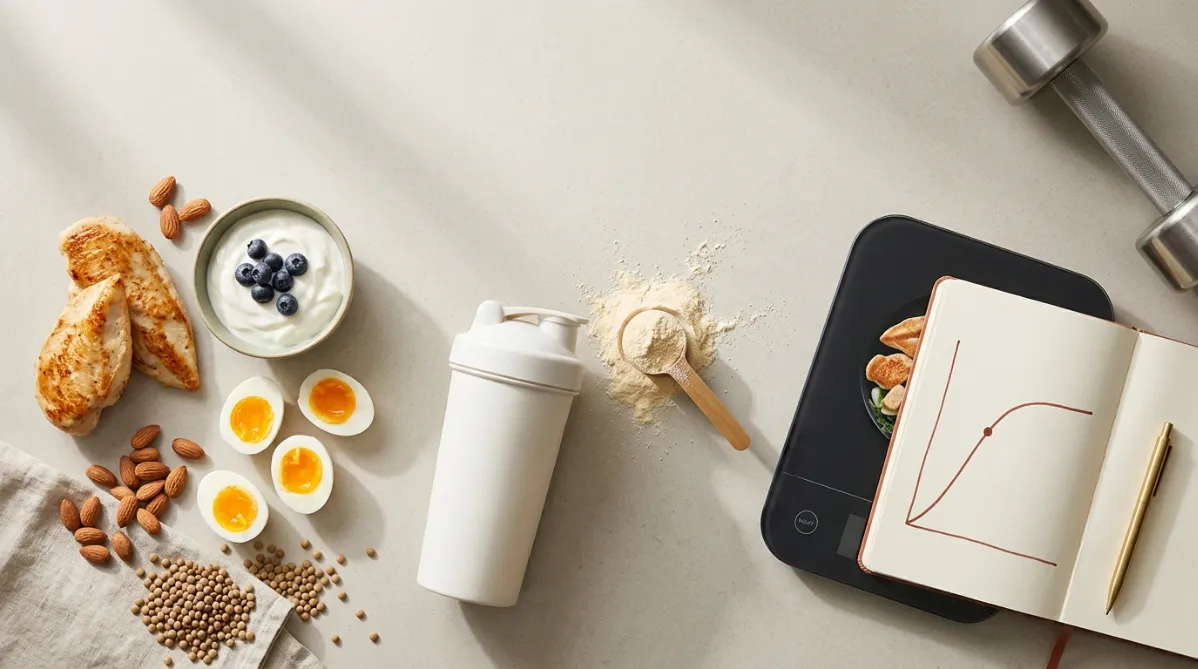
A wide, editorial flat-lay photograph shot from directly above on a pale warm-gray stone countertop, lit by soft natural morning window light with gentle diagonal shadows. On the left, a neatly arranged cluster of whole-food protein sources: two seared chicken breast slices with a golden crust, a small ceramic bowl of creamy Greek yogurt topped with blueberries, three halved soft-boiled eggs with jammy orange yolks, a handful of raw almonds, and a small pile of dried lentils scattered on a linen napkin. At the center, a matte white shaker bottle and a wooden scoop resting in a pile of fine vanilla-colored protein powder, a few grains dusted artfully across the surface. On the right, a minimalist kitchen scale in matte black displaying a portion of food, next to an open notebook with a hand-drawn curve that rises steeply and then flattens into a plateau, drawn in a deep terracotta ink pen, with a small dot marking the bend. A brass pen lies beside the notebook. A single dumbbell with a brushed steel finish sits partially in frame at the upper right corner, grounding the fitness theme without feeling gym-like. Color palette: warm cream, sage green, terracotta, soft charcoal, and butter yellow accents, with generous negative space along the top edge for title overlay. Shallow depth of field, crisp textures, subtle film grain, modern lifestyle magazine aesthetic, clean and calm composition, 16:9 landscape.
nutrition

到底需要多少蛋白质才能最大化肌肉?——1.6 克/公斤平台阐释

BY DR. GYMBRO ·

你是否一直以为每磅体重需要摄入超过 2 克蛋白质才能增肌?对 49 项试验、1863 名成年人的荟萃分析显示,肌肉增益在每日约 1.6 克/公斤时出现平台期。其上限置信区间约为 2.2 克/公斤,为健身者提供了一个实用的范围,而不是随意的大剂量。经训练的举重者从补剂中获益最大,且随年龄增长效应会下降。下面看看这些数字对你的餐盘、摇杯和预算意味着什么。

nutrition

在训练中途喝 60 克碳水会让你更强吗?并非如此

BY DR. GYMBRO ·

训练中常见的碳水饮料真的能让你更强吗?一项针对 15 名有阻力训练经验成年人的随机、安慰剂对照交叉试验,比较了在工作量相同的举重训练中摄入 60 克麦芽糊精的效果。血糖升高约 19 mg/dL,但乳酸、反应力量和握力均未出现显著变化。膝伸屈至力竭的重复次数略增约 2.5 次,但该信号仅来自 10 个人,且经多重比较校正后并不显著。下面将介绍该试验的真实结论、可能受益的群体以及为何它更像是提出假设的研究,而非直接的绿灯。

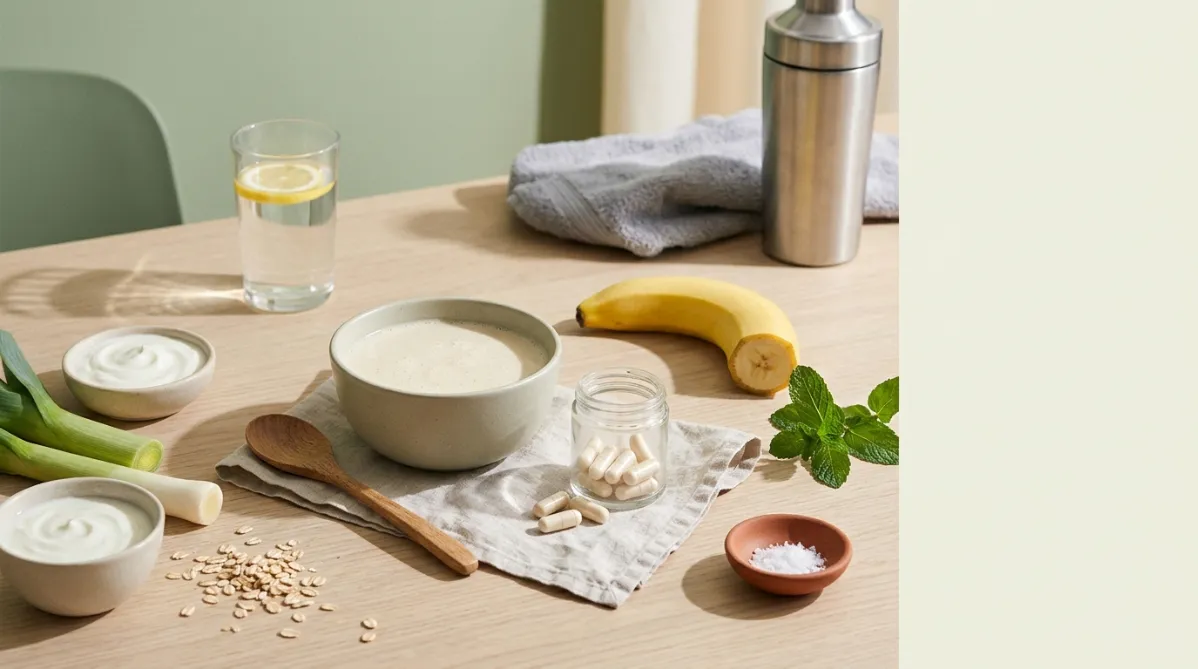
A bright, minimalist still life on a soft sage-green and warm cream backdrop, shot from a slightly elevated angle in natural morning window light. In the center sits a matte ceramic bowl of creamy vanilla protein shake with a wooden spoon resting beside it. Next to it, a small glass jar with a few off-white probiotic capsules spilling onto a pale linen napkin. Around them are fresh, gut-friendly foods arranged with editorial restraint: a halved ripe banana, a small bowl of plain yogurt with a swirl on top, a few stalks of leeks, a handful of oats scattered on the surface, and a sprig of fresh mint. A tall glass of water with a lemon slice catches the light and casts a delicate caustic shadow across the table.

In the background, slightly out of focus, a folded gray gym towel and a sleek stainless steel shaker bottle hint at an athletic lifestyle without dominating the scene. The surface is a pale oak tabletop with subtle grain. A soft diffused shadow falls to the left, giving gentle depth.

The palette is calm and modern: sage green, oatmeal, warm white, soft butter yellow, and touches of terracotta from a small clay dish holding a pinch of sea salt. The composition leaves generous negative space on the right third for headline overlay. The mood is clean, wellness-focused, and quietly editorial, like a feature in a contemporary health and science journal. Shallow depth of field, crisp focus on the capsules and bowl, subtle film grain, and natural color grading. No people, no text, no logos, no futuristic elements.
nutrition

蛋白屁?益生菌 BB536 能降低异味,但仅对部分人群有效

BY DR. GYMBRO ·

如果你在喝乳清蛋白时常感胃胀、放屁,可能是肠道内的含硫和氨类化合物在作祟。最近的一项实验让运动员在高蛋白饮食下服用益生菌 Bifidobacterium longum BB536,发现部分受试者的硫化物和氨气水平下降。但总体来看,实验组与安慰剂组并无显著差异,且这些积极信号来自事后分组分析。研究规模小、探索性强,还由益生菌生产商资助。下面介绍 BB536 的基本情况、个人微生物群为何影响效果,以及更经济的解决方案。

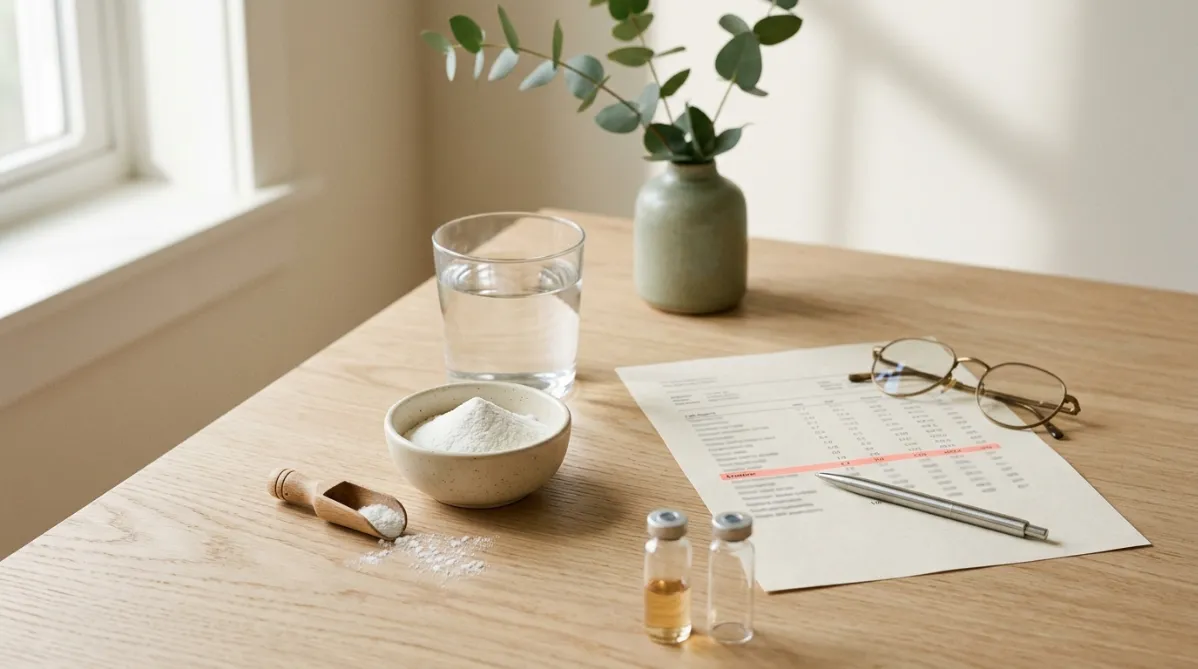
A calm, modern editorial still life shot from a slightly elevated angle on a pale oak tabletop, bathed in soft natural window light from the left. At center sits a clear glass of water beside a small matte ceramic bowl holding a mound of fine white creatine powder, with a wooden scoop resting next to it and a few loose grains dusted across the surface. To the right, a neatly arranged printed lab report on cream paper, with blurred rows of numbers and a single line highlighted in soft coral pink marker, partially overlapped by a minimalist silver pen. A folded pair of thin-framed glasses sits at the edge of the paper. In the foreground, a small glass vial with a pale amber liquid sample and a second empty vial stand upright, suggesting blood and urine testing, with gentle refraction and soft caustic light on the wood. Behind them, a sprig of eucalyptus in a small stone vase adds a touch of green. The background is a softly blurred, warm off-white wall with a gentle gradient shadow and a hint of a window frame. The palette is muted and refined: warm creams, sage green, soft coral, pale amber, and light oak, with crisp whites in the powder. Shallow depth of field, with the powder bowl and highlighted lab line in sharp focus and the edges falling away into creamy blur. Generous negative space on the right third of the composition for text overlay. The overall feel is clean, trendy health-journal photography, tactile and editorial, with subtle film-like grain, natural shadows, and a quiet, reassuring mood. No people, no text legible, no futuristic elements.
supplements

肌酸在26项试验中升高了肾功能指标,但未必是损伤

BY DR. GYMBRO ·

你开始补充肌酸,做血液检查后发现血肌酐升高,eGFR 看起来比健康的健美者更差。2026 年对 26 项随机对照试验(共 1,036 名受试者)的荟萃分析正好验证了这一点:血肌酐上升了 0.14 mg/dL,基于肌酐的 GFR 下降约 10.75 mL/min。但当采用 Cr‑EDTA 测量肾小球滤过率时,这一下降并未出现,尿素、白蛋白尿和蛋白尿也没有变化。下面解释实验室数值为何会误导、该如何向医生说明,以及哪些人需要先咨询肾脏专科医生。

This page is available in