Dr. Gymbro
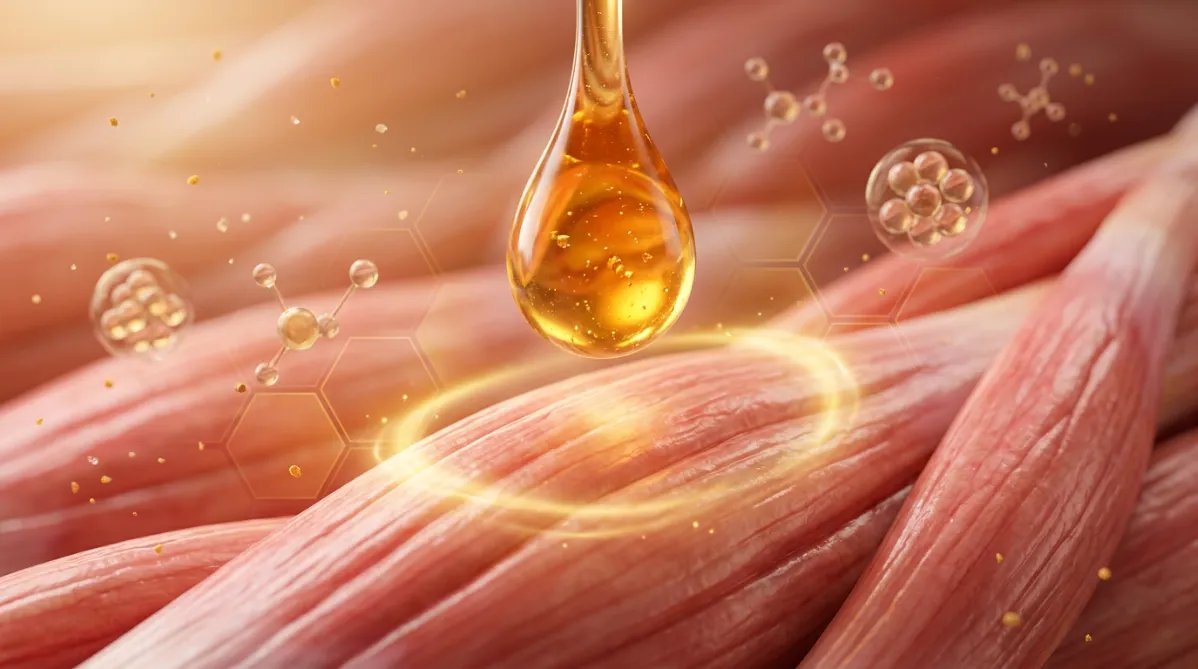
A close-up, golden honey drop suspended mid-air, crystalline and luminous, falling toward a background of defined human muscle fibers rendered in anatomical detail. The muscle tissue glows with a subtle protective golden aura where the honey makes contact. In the background, abstract representations of antioxidant molecules and anti-inflammatory compounds float like microscopic shields around the muscle strands. The scene has a scientific yet warm aesthetic, with honeycomb hexagonal patterns subtly integrated into the composition. Soft, amber lighting bathes the entire image, creating depth and highlighting the honey's natural transparency and the muscle's healthy pink-red tones. Small particles of pollen and natural honey crystals drift through the frame, emphasizing the organic nature of this protective relationship between honey and muscle tissue.
General

革命性研究揭示蜂蜜在过度训练中如何保护肌肉

Dr. Gymbro · · 1 min read

革命性研究揭示蜂蜜在过度训练中如何保护肌肉

在追求竞技卓越的道路上,许多健身爱好者和运动员常把身体逼到极限,甚至超过极限。虽然这种拼搏精神值得赞赏,但一旦进入过度训练的状态,就会出现肌肉分解、表现下降、恢复时间延长等问题。来自伊朗的一项突破性研究则指出,一位意想不到的“盟友”——蜂蜜,能够帮助抵御过度训练导致的肌肉损伤。

过度训练流行病:日益严峻的挑战

过度训练综合征在精英运动员和业余健身者中的估计影响率为 10%‑60%。当训练负荷超过身体的恢复能力时,会触发一系列负面生理反应。症状远不止疲劳,还包括表现下降、激素失衡、免疫功能受损,最关键的是加速肌肉蛋白的分解。

现代健身文化的“多即好”思维进一步放大了这一问题。社交媒体上充斥着极端训练计划的宣传,却很少强调恢复的重要性。这种趋势让我们比以往任何时候都更需要了解并防止过度训练带来的肌肉损伤。

“过度训练是对运动进步最被低估的威胁之一,”专注于运动恢复机制的运动生理学家 Dr. Sarah Chen 解释道。"当我们超出恢复容量时,实际上是在破坏我们想要建立的肌肉。"

蜂蜜:大自然的肌肉守护者

这项于 2025 年春季发表在 Health Science Reports 上的伊朗研究,挑战了传统的过度训练预防思路。研究人员探讨了在训练量超出身体耐受水平的情况下,蜂蜜补充是否能够形成保护屏障,阻止肌肉分解。

蜂蜜自古被视为药用佳品,但在运动科学中的应用仍相对有限。它富含多种生物活性成分,包括抗氧化剂、抗炎剂以及独特的碳水化合物结构,这些都可能是其肌肉保护功效的来源。

蜂蜜保护机制的科学依据

要了解蜂蜜如何在过度训练时保护肌肉,先看一下训练压力超过恢复能力时的生化过程。高强度运动会导致肌纤维微观损伤,触发炎症并释放皮质醇等应激激素。若恢复不足,炎症链失控,进而加速肌肉蛋白分解。

蜂蜜的保护作用可能源自以下几个关键机制:

抗氧化特性

蜂蜜含有强效抗氧化剂,如黄酮类、酚酸以及葡萄糖氧化酶等酶类。这些化合物能够中和剧烈运动中产生的自由基,降低氧化应激导致的肌肉损伤。一般来说,颜色越深的蜂蜜抗氧化含量越高,例如黑荞麦蜂蜜的抗氧化活性尤为显著。

抗炎作用

慢性炎症是过度训练综合征的标志之一。蜂蜜中的黄酮(如 chrysin)和咖啡酸等成分可调节炎症反应,防止长期训练压力导致的组织过度分解。

糖原补给

蜂蜜独特的碳水化合物配比——葡萄糖 + 果糖——提供了快速且持久的能量补给。这种高效的糖原恢复有助于维持恢复过程所需的能量储备。

激素调节

最新研究显示,蜂蜜摄入可能影响应激激素,尤其是皮质醇。通过帮助皮质醇水平趋于正常,蜂蜜能够抑制过度训练期间的分解代谢环境。

研究方法与受试者

伊朗团队挑选了一批自愿接受超负荷训练的受试者,构建了受控的过度训练模型,以便在真实的肌肉分解情境中观察蜂蜜的保护效果。

受试者被随机分为两组:蜂蜜补充组 与 安慰剂对照组。蜂蜜组在整个研究期间每日摄入一定量的纯天然未加工蜂蜜。期间监测了多项肌肉损伤生物标志物,包括肌酸激酶(CK)、乳酸脱氢酶(LDH)以及炎症指标。

关键发现与意义

研究结果对全球的运动员、教练和健身爱好者具有重要启示。即便在相同的超量训练方案下,蜂蜜补充组的肌肉损伤标志物显著低于对照组。

更重要的是,这表明蜂蜜的保护作用并非仅仅提供能量,而是根本改变了身体对过度训练压力的反应。这一发现为我们重新思考过度训练的预防策略提供了全新视角。

“这些发现尤为振奋,因为它们提示了一种自然、易得的干预手段,能够帮助运动员在挑战极限的同时降低过度训练综合征的风险,”运动生物化学家 Dr. Michael Rodriguez 说道。"蜂蜜不仅是燃料,更是主动保护我们正在塑造的组织。"

对运动员的实用建议

剂量与时间安排

虽然研究为蜂蜜的肌肉保护提供了有力证据,但在实际操作中仍需注意剂量与时机。研究指出,持续每日摄入 而非偶尔使用可获得最佳保护效果。

运动员可在训练强度提升期将蜂蜜纳入日常营养计划。摄入时间也很关键,训练后立即食用 往往能带来更佳的恢复收益。

质量至关重要

并非所有蜂蜜的功效相同。生蜂蜜(未经高温加工)保留了更多活性成分。当地手工采集的蜂蜜因加工少、活性物质浓度高,效果通常更佳。

与现有恢复方案兼容

蜂蜜补充应视为 现有恢复体系的补充,而非替代。充足的睡眠、均衡的营养、压力管理以及周期化训练仍是防止过度训练的基石。

超越肌肉保护的附加好处

免疫支持

过度训练会抑制免疫功能,使运动员更易感染疾病。蜂蜜的抗菌与免疫调节特性可能在高强度训练期间提供额外防护。

改善睡眠质量

不少运动员报告称,晚上摄入少量蜂蜜后睡眠质量有所提升。优质睡眠是恢复的关键,这一潜在益处对过度训练者尤为宝贵。

持续能量供给

相较于单纯的糖类,蜂蜜的复合碳水化合物能提供更平稳的血糖释放,帮助在高强度训练期间维持稳定的能量水平。

自然恢复剂的大背景

这项关于蜂蜜的研究为自然干预手段在运动恢复和过度训练防护中的应用提供了新证据。从酸樱桃汁的抗炎特性到姜黄的恢复促进作用,运动员正越来越倾向于借助大自然的药房来优化表现。

“我们正从单一药物恢复转向更整体、自然的策略,”运动营养专家 Dr. Emily Foster 说明。"蜂蜜是一种可获得、成本低廉的干预手段,适用于从周末练习者到精英选手的所有人群。"

未来研究方向

尽管初步结果令人鼓舞,仍有若干问题待解答:

  • 不同类型运动员的最佳剂量方案
  • 长期持续摄入的安全性与效果
  • 与其他恢复补剂的相互作用
  • 蜂蜜保护机制的深层阐释
  • 各类蜂蜜(单花、混合)之间的比较研究

实施指南

初学者方案

  • 每日摄入 1‑2 勺(约 15‑30 g)生蜂蜜
  • 训练后及睡前食用
  • 记录训练反应与恢复指标
  • 根据个人感受逐步调整剂量

进阶方案

  • 高负荷阶段提升至 3‑4 勺(约 45‑60 g)
  • 与其他天然恢复剂(如酸樱桃、姜黄)联合使用
  • 监测恢复生物标志物(CK、HRV 等)
  • 与运动营养师合作制定个性化方案

潜在注意事项与局限性

热量摄入

蜂蜜热量密集,若未在总体饮食中做好平衡,可能导致体重增加。

个体差异

如同任何干预措施,效果因人而异。基因、训练史和代谢水平都会影响蜂蜜的实际效益。

质量控制

补剂行业监管相对宽松,同样适用于蜂蜜产品。运动员应选购经过检测、确保纯度的高质量蜂蜜。

结论:甜蜜的解决方案应对复杂难题

蜂蜜能够在过度训练期间保护肌肉的发现,为天然恢复策略带来重要突破。这一简便、易得的干预方式有望彻底改变运动员的周期化训练与恢复方案。

当我们不断突破人体极限时,像蜂蜜这样来自大自然的馈赠提醒我们:许多复杂的生理问题,往往隐藏在最朴素的形态中。蜂蜜的肌肉保护特性为受困于过度训练综合征的运动员带来了新希望,也为寻求非药物恢复方案的普通健身者提供了可行路径。

随着相关研究的深入,蜂蜜很可能成为每位严肃运动员恢复库里的必备品。正如本次发现所示,最强大的解决方案往往藏在最意想不到的包装里——而此包装正是来自蜜蜂的金色宝藏。

信息提示:当训练压力威胁到你的恢复能力时,蜂蜜已经准备好守护你最宝贵的资产——肌肉。这位金色的增益守护者标志着我们在防止过度训练方面的思路进入了全新阶段,提供了一种天然、有效且历经时间检验的方案。
DG

Written by

Dr. Gymbro

Dr. Gymbro writes for Dr. Gymbro: science-backed fitness, nutrition & performance.

Related Articles

A muscular athlete in compression gear sits exhausted on a gym bench, head tilted back with sweat glistening on their skin, surrounded by heavy weights and exercise equipment. In the foreground, a glass jar of golden honey sits open with a wooden honey dipper resting beside it, honey slowly dripping from the dipper creating amber trails. Soft, warm lighting illuminates the honey jar, making it glow like liquid gold against the darker gym environment. The athlete's muscles appear defined but fatigued, with subtle visual indicators of strain. In the background, blurred gym equipment and mirrors create depth. The scene conveys the contrast between intense physical exertion and natural, healing nutrition, with the honey positioned as a beacon of recovery and protection for the overtrained body.
general

过度训练运动员的甜蜜救赎:蜂蜜如何防止肌肉分解

BY DR. GYMBRO ·

伊朗的突破性研究显示,日常摄入蜂蜜可显著降低过度训练运动员体内的肌肉蛋白分解标志物,为运动员提供一种天然的保护手段。研究发现,蜂蜜补充剂在高强度训练期间能减缓肌肉分解并改善炎症水平。对于在极限训练中苦苦挣扎的运动员,这一发现或将彻底改变恢复策略,未来蜂蜜有望成为运动营养方案的重要组成部分。

A sunlit, minimalist home gym corner photographed in soft golden morning light, with a young athletic man seated on a wooden bench, leaning forward with his elbows resting on his knees, catching his breath after a hard leg session. He wears a muted sage-green t-shirt and charcoal shorts, his face turned slightly away from the camera, calm and focused. A matte ceramic dish in the foreground holds a few small, translucent golden softgel capsules, with a glass of water beside it catching the light and casting a soft caustic shadow across a pale oak floor. Behind him, a loaded barbell rests on a squat rack, slightly out of focus, and a tall window pours warm sunlight diagonally across the scene, creating long gentle shadows and a hazy glow. A small potted green plant sits on a shelf at the edge of the frame. The color palette is warm and editorial: cream, soft gold, sage green, pale wood, and charcoal accents. Shallow depth of field, with crisp focus on the capsules and glass in the lower third and a creamy bokeh background. The composition leaves generous negative space on the right side for a headline overlay. The mood is clean, modern, and aspirational, like a high-end wellness magazine or a trendy health journal feature. Shot on a 50mm lens, natural light, fine film grain, subtle matte finish, landscape 16:9 framing.
recovery

维生素D在血清水平充足男性中的力量恢复提升

BY DR. GYMBRO ·

即使维生素D水平已在正常范围,男性每日摄入4000 IU后,在一次高强度腿部训练中,力量恢复速度仍提升约8%。这项随机、安慰剂对照试验纳入了28名活跃男性,基线血清25(OH)D约为30 ng/mL,属充足水平。结果显示,补充维生素D的组在24小时内肌肉等长收缩力下降幅度更小,但疼痛感并未改善。研究局限包括样本量小、仅限男性以及使用的为间接损伤标志物。

A softly lit bedside table in a calm, modern bedroom at dusk, photographed in wide landscape format with shallow depth of field. In the foreground, a matte white shaker bottle sits beside a tall frosted glass of creamy, pale vanilla-colored protein shake, with a few condensation droplets catching warm light. Next to the glass rests a slim fitness band on a dark charcoal fabric strap, its small LED glowing a gentle green, lying casually on a light oak wooden surface. A small scoop of fine white protein powder rests on a ceramic dish nearby, with a light dusting of powder on the wood.

In the soft-focus background, a neatly made bed with oatmeal-colored linen bedding and a textured knit throw blanket. A sheer curtain filters the last peach and lavender light of evening from a large window. A small potted olive branch in a terracotta vase and a closed paperback book add a quiet editorial touch. A bedside lamp with a warm, cream-colored shade casts a golden glow across the scene and creates gentle highlights on the glass.

The palette is muted and harmonious: warm cream, soft sand, oatmeal beige, faint sage green accents, and touches of dusty lavender in the window light. The mood is peaceful, reassuring, and clean, like a contemporary wellness magazine or a trendy health journal feature. Lighting is natural and cinematic, with soft shadows and a subtle film-like grain. The composition follows the rule of thirds, with the shake and band on the left third and open negative space on the right for headline overlay. Minimalist, Scandinavian-inspired styling, high-end lifestyle photography, crisp details, and a tranquil, premium editorial feel.
recovery

酪蛋白睡前不影响睡眠,WHOOP 数据显示

BY DR. GYMBRO ·

在睡前喝下一杯 40 克酪蛋白奶昔,真的会暗中破坏你的睡眠吗?一项针对 21 名 NCAA 一级女大学运动员的随机、双盲交叉试验使用 WHOOP 4.0 手环监测睡眠,结果显示睡眠时长、效率、静息心率和心率变异性均未受到影响。α‑乳白蛋白和碳水化合物的表现也大体相同。令人意外的是,这几种补剂并没有提升睡眠质量。下面我们将展示数据细节、研究的局限,以及哪些人仍应避免夜宵。

Wide landscape editorial photograph of a mountain biker mid-ride on a dusty red-orange singletrack trail in the South African Western Cape, golden hour light raking across the scene. The rider is in sharp focus on the right third of the frame, wearing a weathered cycling kit with a race number plate on the handlebars, dust kicking up from the rear tire. Behind them, rolling hills covered in fynbos shrubland and silhouetted protea plants fade into soft, hazy blue mountains. Warm amber sunlight creates long shadows and a soft rim light around the rider and bike.

In the lower left foreground, slightly out of focus, a small minimalist glass vial and a clear water bottle sit on a flat sun-bleached rock, with a few drops of liquid catching the light. Next to them, a simple matte paper notecard and a pencil suggest data collection, with no legible text. The vial and bottle are clean, understated, and modern, with no branding.

The color palette is earthy and refined: terracotta, ochre, sage green, dusty teal sky, and cream highlights. The composition uses shallow depth of field, a generous negative space in the upper left sky for headline overlay, and subtle film grain. The mood is contemplative, skeptical, and quietly sophisticated, like a feature photograph from a high-end outdoor sports and science magazine. Natural, candid, cinematic, shot on a 50mm lens with soft contrast and muted saturation. No futuristic elements, no glowing effects, no molecular graphics, no text.
science research

Ketone IQ 在 Cape Epic 提升血酮水平,却未带来任何恢复效益

BY DR. GYMBRO ·

在为期八天的 Cape Epic 中,骑手每天饮用两次 Ketone IQ,使血酮浓度约达 1 mM,但他们的疲劳感、心率、反应时间和恢复情况与安慰剂组毫无差别。该双盲试验在真实比赛环境下评估了 R‑1,3‑丁二醇,而非实验室条件。作者指出,轻微的酮症并未带来实际效益,并提醒不要把丁二醇与酮酯混为一谈。由于仅有 18 名骑手参与,研究规模有限,但对考虑高价酮饮料用于恢复的任何人都是一次警示。

This page is available in