Dr. Gymbro
A sleek aluminum energy drink can and a matte scoop of white pre-workout powder sit side by side on a pale concrete gym bench, lit by soft morning window light. The can is slim and minimalist, with a muted sage green label and no legible text. Beside it is a clear glass shaker half full of cloudy, lightly frothy liquid with condensation beading on its surface. A few fine grains of powder are scattered across the bench, catching the light. Behind them, slightly out of focus, a stainless steel barbell rests on a rack, and a folded charcoal gym towel sits at the edge of the frame.

The color palette is warm neutral: oatmeal, soft gray, and sage, with a single accent of pale citrus yellow from a halved lemon wedge placed near the glass. A thin, elegant shadow from the window blinds falls diagonally across the scene, giving it an editorial, magazine-style rhythm. The composition leaves generous negative space on the right third of the frame, a smooth blurred wall in warm off-white, suitable for headline text overlay.

The shot is a low-angle, shallow depth-of-field product-style photograph, as if taken with an 85mm lens at f/2. The foreground objects are tack sharp and the background melts into creamy blur. The mood is calm, clean, and modern, like a wellness or science journal feature. Subtle film grain and gentle contrast add a tactile, contemporary lifestyle feel. There are no people, no logos, and no futuristic or sci-fi elements, just a quiet, considered still life that suggests the choice between a canned drink and a scooped supplement.
Nutrition

Tu bebida energética puede funcionar como un pre‑entrenamiento—con un detalle

Dr. Gymbro · · 4 min read

Tu bebida energética puede funcionar como un pre‑entrenamiento—con un detalle

Has visto la combinación en la lata y en el bote: cafeína y taurina. Es la columna vertebral de innumerables bebidas energéticas y polvos de pre‑entrenamiento. Pero, ¿la combinación realmente mejora tu rendimiento o es mayormente marketing? Una nueva revisión sistemática y meta‑análisis publicada en Nutrients (He et al., 2026) reunió los mejores ensayos disponibles. La respuesta es prometedora, aunque con matices importantes.

Lo que realmente hicieron los investigadores

El equipo buscó en PubMed, Embase, Web of Science, la Cochrane Library y bases de datos relacionadas hasta el 1 de junio de 2026. Seleccionaron ensayos controlados aleatorizados que compararan cafeína + taurina contra placebo. Once estudios, con 234 participantes en total, cumplieron los criterios.

Los datos se agruparon con un modelo de efectos aleatorios y se evaluó el riesgo de sesgo con la herramienta RoB 2.0. Los resultados analizados fueron: tiempo hasta el agotamiento, potencia anaeróbica pico o máxima, valoración del esfuerzo percibido (RPE), tiempo de reacción y frecuencia cardíaca. Los autores declararon no tener conflictos de interés.

Lo que mejoró

Resistencia (tiempo hasta el agotamiento). La combinación superó al placebo con una diferencia estandarizada de medias (SMD) de 0.54 (IC 95 % 0.03 – 1.05). Es un efecto medio; el límite inferior del intervalo apenas supera cero, por lo que el beneficio parece real en promedio, aunque la estimación es imprecisa.

Potencia anaeróbica pico. Este fue el hallazgo más claro: SMD 0.55 (IC 95 % 0.21 – 0.89). El intervalo es más estrecho y se mantiene claramente por encima de cero. Si te interesan sprints, saltos o esfuerzos explosivos cortos, este es el resultado principal.

Sensación de esfuerzo (RPE). La percepción del esfuerzo disminuyó significativamente (SMD ‑0.44, IC 95 % ‑0.83 – ‑0.04). En términos simples, el mismo trabajo se sintió un poco más fácil. Eso concuerda con lo que se sabe de la cafeína, aunque el estudio no puede afirmar si la taurina aportó algo.

Lo que no mejoró (o no es fiable)

Frecuencia cardíaca: sin efecto significativo. La diferencia combinada fue de ‑0.11 latidos por minuto, con un intervalo que va de aproximadamente ‑5.8 a +5.5. La combinación no elevó ni disminuyó la frecuencia cardíaca durante el ejercicio.

Tiempo de reacción: el efecto aparente parecía grande (SMD ‑1.49, IC 95 % ‑2.78 – ‑0.20), pero la heterogeneidad fue muy alta y el intervalo de predicción cruzó el cero. El resultado no fue consistente entre los estudios, por lo que no se puede confiar en una mejora del tiempo de reacción.

La cuestión de la bebida energética

Los autores realizaron un análisis secundario a nivel de producto que incluyó una bebida energética comercial multicomponente. Ese análisis arrojó una estimación menor (SMD 0.48, IC 95 % 0.19 – 0.78). Las bebidas energéticas contienen otros ingredientes, a menudo azúcar y aditivos varios, por lo que ese resultado no puede atribuirse solo a la cafeína y la taurina. Los investigadores sostienen que los productos comerciales deben evaluarse como producto íntegro, no como prueba de un efecto aislado de cafeína‑taurina.

Así que, ¿puede tu bebida energética servir también como pre‑entrenamiento? Puede ayudar al rendimiento, pero el artículo no indica cuál ingrediente es el responsable ni si la lata que tienes en la nevera coincide con lo probado.

Limitaciones que debes conocer

  • Base de evidencia limitada. Once ensayos y 234 participantes es modesto; los estudios son pocos y generalmente pequeños.
  • No se separan los ingredientes. Al comparar la combinación con placebo, la revisión no puede determinar qué aporta la cafeína, la taurina o su interacción. La cafeína sola tiene beneficios ergogénicos bien establecidos, por lo que probablemente haga la mayor parte del trabajo.
  • Hallazgos inconsistentes. El tiempo de reacción muestra cuán variables pueden ser los resultados entre estudios.
  • Intervalos amplios. La estimación del tiempo hasta el agotamiento apenas excluye cero.
  • Lenguaje cauteloso. Los autores hablan de "posibles beneficios", no de beneficios probados.

Conclusiones prácticas

El resumen no indica las dosis usadas en los ensayos incluidos; los valores que aparecen a continuación provienen de la literatura general, no de este artículo.

  • Contexto de dosis: los efectos ergogénicos de la cafeína se estudian habitualmente con alrededor de 3–6 mg/kg de peso corporal. Investigaciones previas sobre la taurina (por ejemplo, un meta‑análisis de Waldron y col. 2018) han usado entre 1 y 6 g. Compara la etiqueta de tu producto con esos rangos en lugar de asumir que una lata los cumple.
  • Momento de consumo: la cafeína se suele tomar entre 30 y 60 minutos antes del entrenamiento. Esa es una práctica general, no un hallazgo de esta revisión.
  • A quién podría convenir: adultos sanos que toleran la cafeína y buscan ayuda para sprints o trabajos de potencia, o que quieren que sesiones intensas les parezcan un poco más fáciles.
  • A quién debería evitarla o consumirla con cautela: personas sensibles a la cafeína, embarazadas, o con ansiedad, problemas de sueño, arritmias, hipertensión o cualquier condición médica. Quienes entrenen tarde también deberían pensarlo dos veces, ya que la cafeína puede alterar el sueño. Consulta a un profesional de la salud si tienes alguna condición.
  • No esperes cambios en la frecuencia cardíaca como señal de que funciona; los datos no mostraron ninguno.
  • Vigila los extras: el azúcar y otros estimulantes presentes en bebidas comerciales no están cubiertos por los hallazgos de cafeína‑taurina.

Conclusión final

Este meta‑análisis sugiere que la combinación de cafeína y taurina puede mejorar modestamente la potencia máxima y el tiempo hasta el agotamiento, y hacer que el esfuerzo se perciba como más fácil, sin afectar la frecuencia cardíaca. Sin embargo, la evidencia es escasa y no puede demostrar que la taurina aporte algo adicional a la cafeína. Si una bebida energética encaja en tu rutina, considérala como un vehículo de cafeína con posibles extras, no como un pre‑entrenamiento validado. Se necesitan ensayos más grandes que comparen cafeína sola, taurina sola y la combinación para resolver la cuestión.
Original study

Read the original research on pubmed.ncbi.nlm.nih.gov →

This article summarizes published research for general information. It is not medical advice.

DG

Written by

Dr. Gymbro

Dr. Gymbro writes for Dr. Gymbro: science-backed fitness, nutrition & performance.

Related Articles

A landscape editorial photograph of a lone runner's hands resting on a weathered wooden table beside a small white ceramic dish of fine white powder and a clear glass of water, shot in soft morning light. A slim matte aluminum energy drink can, unbranded with a minimalist pale sage-green label, stands slightly out of focus in the background, with a single scoop of powder dusted lightly on the tabletop. A pair of worn running shoes and a folded gray towel sit at the edge of the frame. Through a large window behind them, a blurred misty trail winds through green trees at sunrise, with warm golden light spilling across the scene.

The color palette is calm and modern: creamy off-white, sage green, warm honey gold, and soft charcoal. The composition follows the rule of thirds, with the dish and glass in the lower left third and generous negative space on the right for a title overlay. The depth of field is shallow, with a crisp focus on the powder's delicate texture and tiny glints of light on the glass rim. The mood is clean, thoughtful, and quietly energetic, like a contemporary health and science magazine feature. Natural grain, subtle film-like softness, and gentle shadows give it an authentic lifestyle-editorial look. There are no text, logos, or futuristic elements, only tactile, real-world materials like wood, ceramic, glass, cotton, and metal.
nutrition

El ingrediente de la bebida energética que mejora la resistencia por sí solo

BY DR. GYMBRO ·

Todos hablan de la cafeína, pero otro componente de la lata de bebida energética podría estar haciendo su trabajo en silencio. Un meta‑análisis de 2018 que incluyó 10 estudios halló que la taurina aislada mejoró el rendimiento de resistencia (g de Hedges = 0,40) con una sola dosis. Ni la cantidad (1‑6 g) ni la duración de la suplementación modificaron de forma relevante el efecto. El problema es que la evidencia es escasa y los intervalos de confianza son amplios, por lo que se trata de una señal prometedora, no de una garantía. Aquí explicamos qué mostró el estudio y cómo probar la taurina de forma sensata.

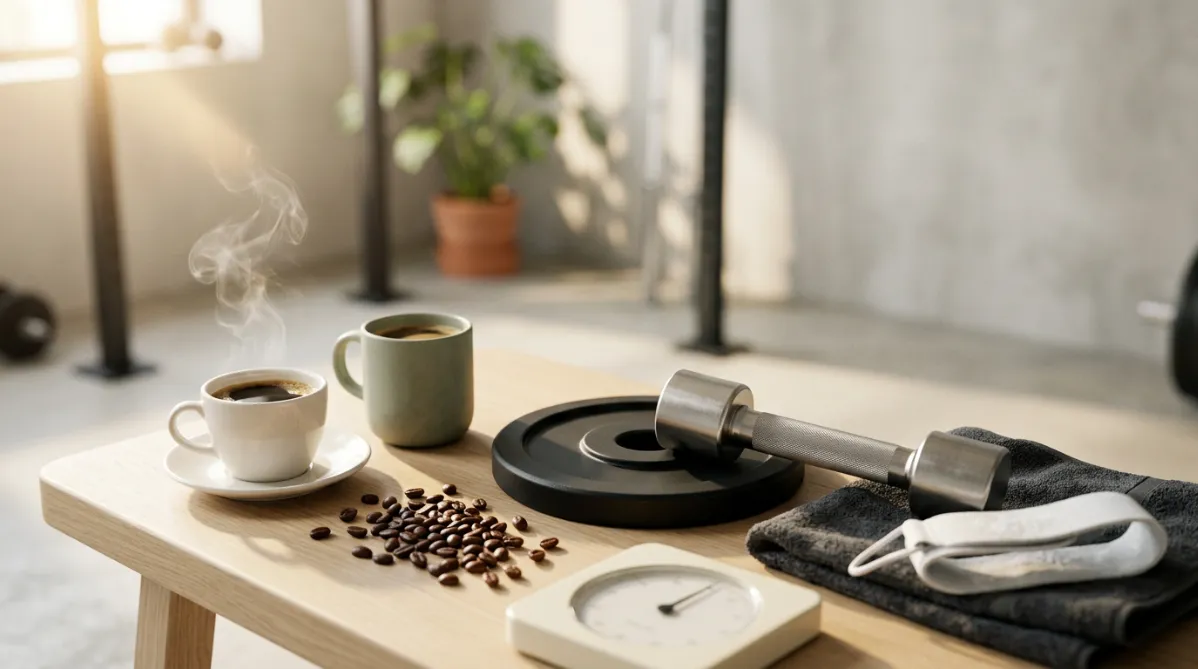
A wide, editorial-style flat lay photographed from slightly above on a pale oak gym bench with a soft matte finish. On the left, a small white ceramic cup of black coffee sits on a matching saucer, with a thin curl of steam rising and catching warm window light. Beside it is a second, slightly larger handleless stoneware mug in muted sage green, also filled with coffee, so the pair suggests one to two cups. In the center-right foreground rests a sleek matte-black steel barbell plate, partly overlapping a brushed-steel dumbbell with fine knurling. A folded charcoal gym towel and a clean white chalk-dusted wrist strap lie casually to one side. A small scatter of whole roasted coffee beans spills across the bench in front of the cups, glossy and deep brown. Near the bottom edge, a minimalist analog kitchen scale in soft cream with a thin black needle hints at precise dosing, without any readable numbers or text.

Soft morning sunlight streams in from the upper left, creating long, gentle shadows and a warm golden glow against cool neutral tones. The background is a softly blurred, airy home gym or boutique training studio with out-of-focus squat rack uprights, pale concrete walls, and a leafy green plant in a terracotta pot adding a touch of organic color. The palette is restrained and modern: warm cream, espresso brown, charcoal, sage green, and hints of brushed silver. Shallow depth of field keeps the cups and beans tack sharp while the background melts into creamy bokeh. The composition leaves generous negative space on the right third for a title overlay, with a balanced, calm, premium magazine feel, like a contemporary wellness and sports science journal. High-resolution, natural color grading, subtle film grain, realistic textures on ceramic, steel, and coffee crema.
nutrition

¿Cuánta cafeína tomar antes de entrenar? Un meta‑análisis muestra que 1‑2 mg/kg siguen siendo eficaces

BY DR. GYMBRO ·

El consejo habitual es consumir entre 3 y 6 mg/kg de café antes de entrenar, lo que equivale a varias tazas o a una generosa cucharada de pre‑entrenamiento. Un meta‑análisis publicado en 2022, que revisó 12 ensayos, encontró que dosis tan bajas como 0,9‑2 mg/kg también mejoran la fuerza muscular (d ≈ 0,17), la resistencia (d ≈ 0,21) y la velocidad media de la barra (d ≈ 0,56). Para muchos levantadores, eso representa de una a dos tazas de café. Los efectos son modestos y provienen de estudios agudos de una sola sesión, pero los resultados sugieren que se puede obtener un beneficio similar con menos cafeína.

A wide editorial still life on a pale, warm-toned concrete surface in soft morning window light. In the center-left, a shallow matte ceramic bowl holds a small pile of bright red coffee cherries with glossy skins, a few sliced open to reveal pale mucilage and paired green-tan beans. Beside it, a small glass dish of fine, golden-brown powdered extract with a tiny wooden scoop resting on its edge. A sprig of coffee plant leaves, deep green and waxy, arcs across the foreground.

On the right side, slightly out of focus, a sleek road cyclist's handlebar and a matte black water bottle lean against a light plaster wall, suggesting athletic training without showing a person. A minimalist analog stopwatch with a clean white face and thin black hands sits in the mid-ground, angled toward the camera, its hands paused near the fifteen-minute mark. A folded linen cloth in oatmeal beige and a single small espresso cup with a thin crema ring add quiet texture.

The color palette is restrained and modern: cherry red, sage green, cream, soft terracotta, and charcoal accents. Light comes from the left, casting long, gentle shadows with a subtle warm glow and a hint of dust in the air. Shallow depth of field with crisp focus on the cherries and stopwatch, creamy bokeh in the background. Composition leaves open negative space in the upper right for a headline overlay. The overall feel is a clean, trendy health-and-science magazine cover: tactile, natural, minimal, and calm, shot in a 16:9 landscape frame with fine film-like grain and true-to-life tones.
nutrition

Extracto de cereza de café: 200 mg de cafeína aumentan la producción en ciclismo en un 4,6 %

BY DR. GYMBRO ·

Una dosis baja de 200 mg de cafeína procedente de extracto de cereza de café entero incrementó en un 4,6 % el trabajo realizado por ciclistas entrenados en una prueba contrarreloj de 15 minutos. Sin embargo, la creencia popular de que acelera la recarga de glucógeno no quedó confirmada. El ensayo, aleatorizado, doble ciego y cruzado, contó con solo 12 ciclistas y fue financiado por la industria, sin comparar el extracto con cafeína pura. A continuación, analizamos qué demuestran los datos, qué no, y quién podría considerarlo.

A landscape editorial photograph with a modern, clean magazine feel, shot on a pale warm-gray concrete surface in soft natural window light from the left. In the foreground, two matte white ceramic espresso cups sit side by side. The left cup holds a small amount of dark espresso with golden crema. The right cup is filled twice as high. Beside them, two small stainless steel scoops hold fine coffee-colored powder, one half full and one heaped, suggesting a dose comparison without any text or labels. A pair of worn red leather boxing gloves rests slightly out of focus behind the cups, laces loosely draped, with a white hand wrap rolled neatly beside them. A minimalist digital kitchen scale in matte black sits at the edge of the frame, with a few roasted coffee beans scattered across the surface. In the soft-focus background, a boxing gym corner appears: a hanging heavy bag in muted charcoal, pale wood plank flooring, and a tall window with diffused morning light. The palette is warm cream, espresso brown, brick red, and soft slate gray, with gentle shadows and a shallow depth of field. The composition follows the rule of thirds, with the cups and scoops in the lower left third and open negative space on the right for headline overlay. The look is tactile and refined, like a high-end health and performance journal. It has natural grain, subtle contrast, and a calm, confident mood. There are no people, no text, no logos, and no futuristic elements.
nutrition

Duplicar la dosis de cafeína apenas ayudó a los boxeadores: esto es lo que ocurrió

BY DR. GYMBRO ·

¿Crees que una doble porción de pre‑entrenamiento duplica el rendimiento? Un nuevo estudio cruzado con 15 boxeadores competitivos comparó 3 mg/kg y 6 mg/kg de cafeína, y la dosis mayor no resultó ser consistentemente mejor. Ambas dosis aumentaron la altura del salto y la potencia a los 60 minutos, mientras que 6 mg/kg sólo se adelantó en algunos parámetros, como la potencia del push‑up balístico y el torque de la rodilla. Aquí tienes la tabla de conversión mg‑por‑kg para pesos corporales habituales, el momento en que se observaron los efectos y las advertencias, incluida la ausencia de pruebas de puñetazos.

This page is available in