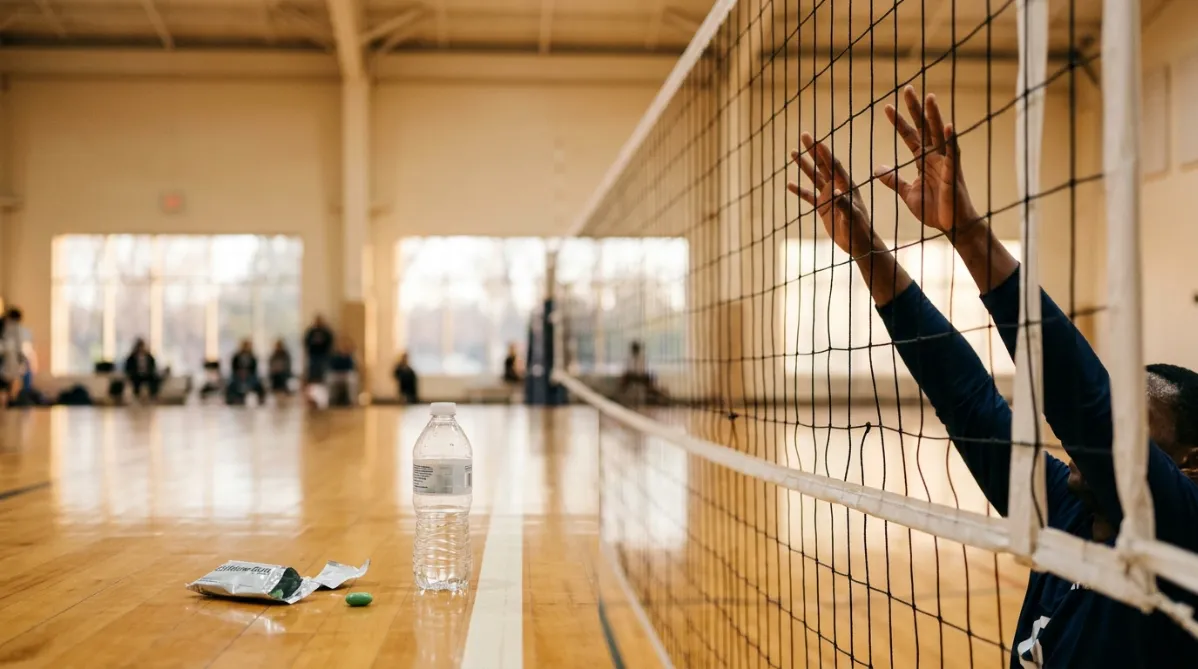
Fatigue Slowed Reactions 18%. Caffeine Gum Held It to 3%
After a brutal repeated-blocking fatigue protocol, elite volleyball players on placebo got 18.4% slower in their reactive blocking sequence. With 6 mg/kg caffeine gum, the slowdown was just 3.0%, and 3 mg/kg landed at 6.4%. Block-jump power and drop-jump stiffness also held up better with caffeine. But the study had only 15 athletes, blinding was incomplete, side effects were more common at the higher dose, and no single best dose was established. Here's what the numbers mean in real milligrams and who might actually benefit.
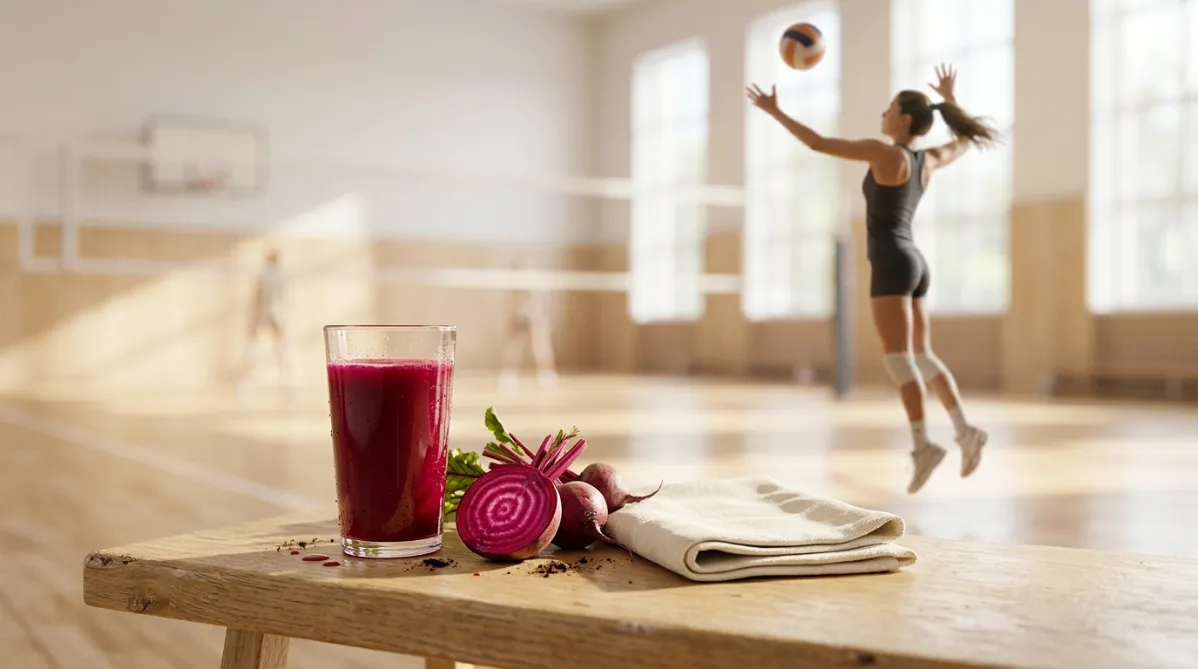
Beetroot Juice and Jump Height: Does Day 3 Bring the Bounce Back?
Two hundred loaded jumps leave legs wrecked, but could beetroot juice bring the bounce back by day three? A new crossover trial in female volleyball players found higher jump height at 72 hours and a better calf pain threshold under beetroot juice. Soreness, agility, swelling and most strength measures were no different, and the overall jump interaction was only a trend. This article breaks down what the study found, how athletes might use beet juice after heavy plyometric work, and why the small, women-only sample calls for caution.
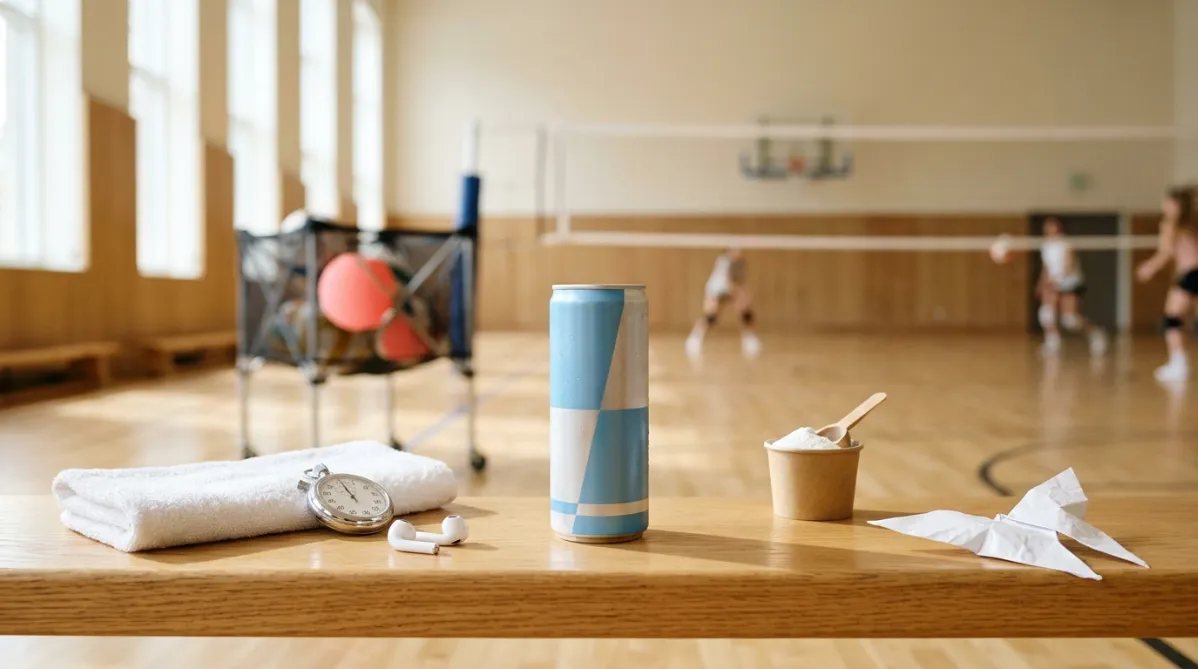
Does Red Bull Give You Wings? 13 Gym Tests Found Nothing
Red Bull's slogan promises wings, but a new crossover trial in female volleyball players found none. One standard can failed to improve any of 13 measures across Wingate, jump, and handgrip tests compared with a placebo. Eight of the 15 athletes also reported mild nausea. The likely reason is that the can delivered only about 1.1 mg/kg of caffeine, well below the 3 to 6 mg/kg commonly cited as effective. Here's what the study shows, where its limits lie, and how to dose caffeine properly.