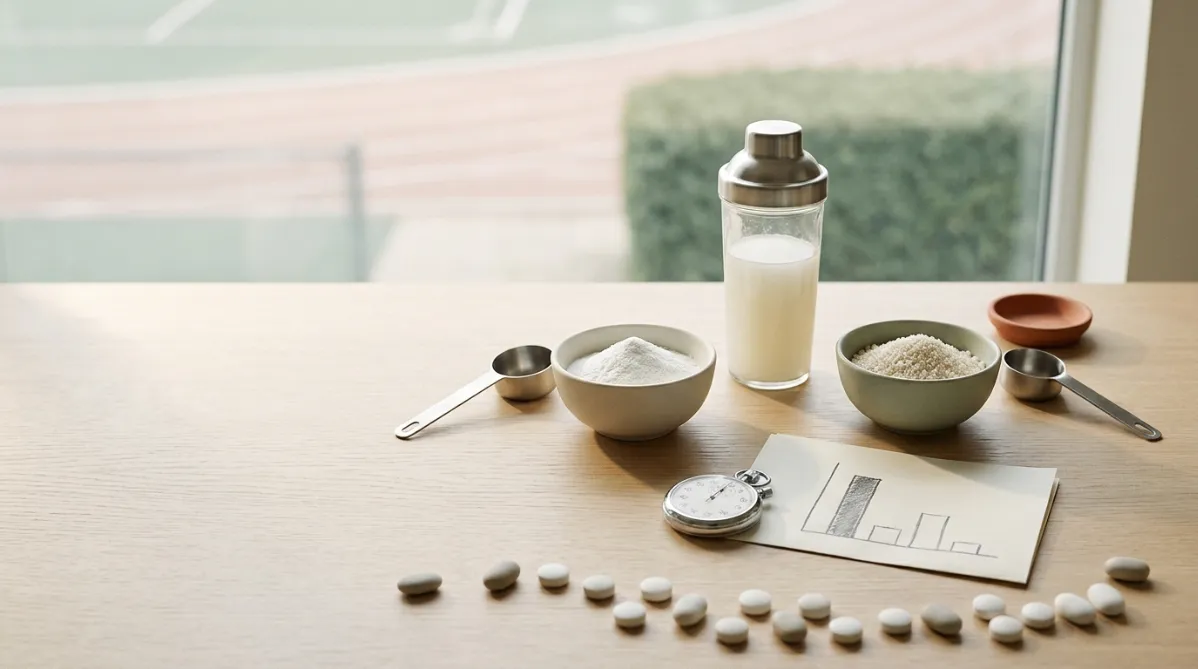
Creatine Plus L-Arginine Added ~99 W Peak Power. Here's the Catch
A new crossover trial found that taking creatine and L-arginine together an hour before testing raised peak sprint power by about 99 W over placebo. The stack also beat each supplement alone on peak power and countermovement jump height. But the researchers couldn't prove the two work synergistically, and the study had only 18 men. Here's what the numbers show, how the doses worked, and who should be cautious.

Coffee Fruit Extract Flopped Against 75 mg of Caffeine in a New Trial
Coffee fruit extract is pitched as a smarter, gentler energy boost, but a new double-blind crossover trial tested it against plain caffeine and found a surprising gap. In 28 adults, neither 100 mg nor 300 mg of coffeeberry extract shifted alertness, mental energy, mental fatigue, or cycling performance. A modest 75 mg dose of caffeine did improve alertness and mental energy for a short time. This was one acute study of single doses, so it is not the final word. Here is what the trial found, what it can't tell us, and how to read supplement labels.
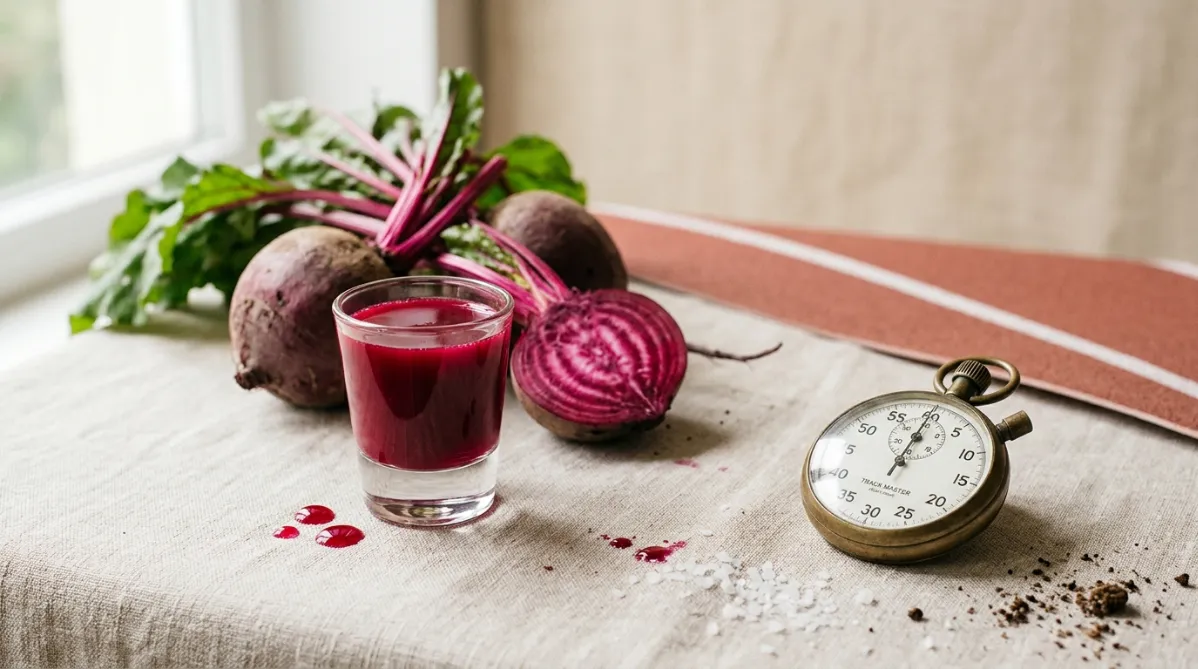
Beetroot Juice Boosted Nitrite 35x, But Sprinters Got No Faster
Beetroot juice sent salivary nitrite soaring about 35-fold in trained sprinters, which sounds like the start of a performance miracle. Then the stopwatch came out. In a randomized, double-blind, placebo-controlled study of 12 male sprinters, a 70 mL shot of beetroot juice didn't improve 60 m or 100 m times, jump height, or most measures of muscle function. Here is what was tested, what the study can't tell us, and who should save their money.
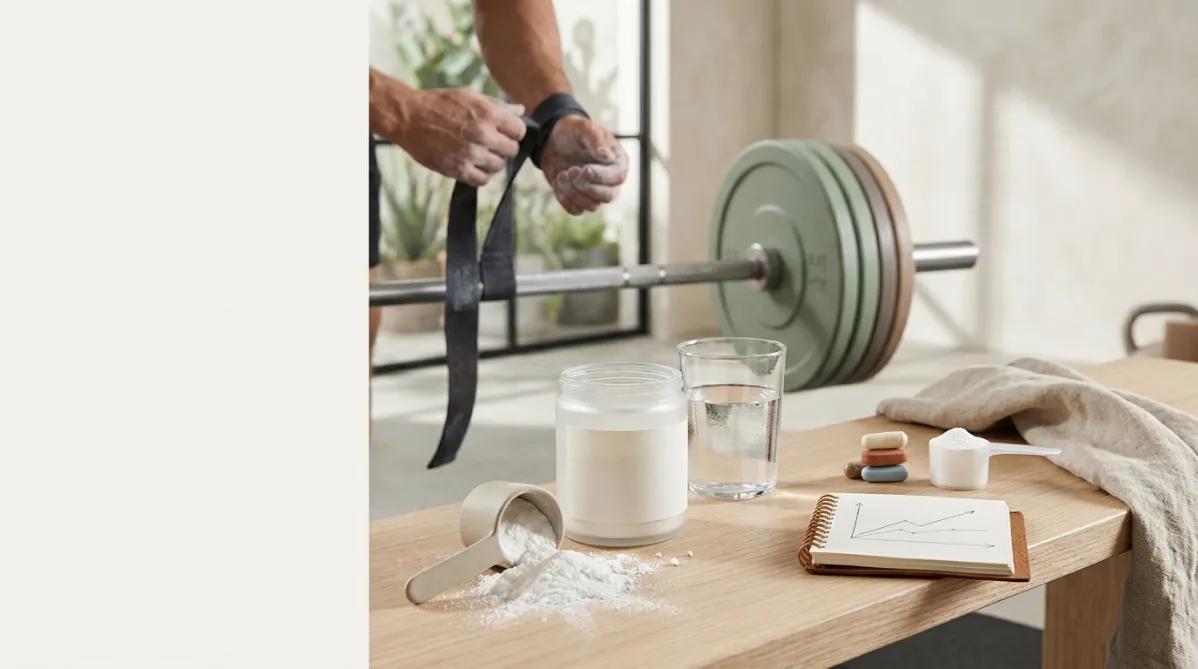
Creatine Stack Built Muscle in Beginners—But Not Strength. Why?
A new randomized trial gave novice lifters a creatine-based supplement blend for four weeks and found more muscle mass, a better testosterone/cortisol pattern, and improved recovery. Yet leg press 1RM improved no more than with placebo. The reasons may include beginner neural gains, a short study window, and early water retention, though the paper can't prove which. Kidney markers stayed normal, but the study was small, men-only, industry-funded, and didn't detail the full formula. For new lifters, the safest evidence-based move is still plain creatine monohydrate.

The 'Sleep Protein' That Left Bad Sleepers Waking More Often
Alpha-lactalbumin is marketed as the "sleep protein," and earlier acute studies hinted it could help athletes sleep and perform. A new randomized crossover trial put it to the test in 24 athletes who actually sleep badly. After a week of 40 g taken 2 hours before bed, there was no sleep benefit, awakenings rose slightly (11.01 vs 10.25), and jump height dipped (27.68 vs 28.58 cm). The one upside was reduced negative mood in the evening. Here's what was tested, what the numbers show, and who should skip it.
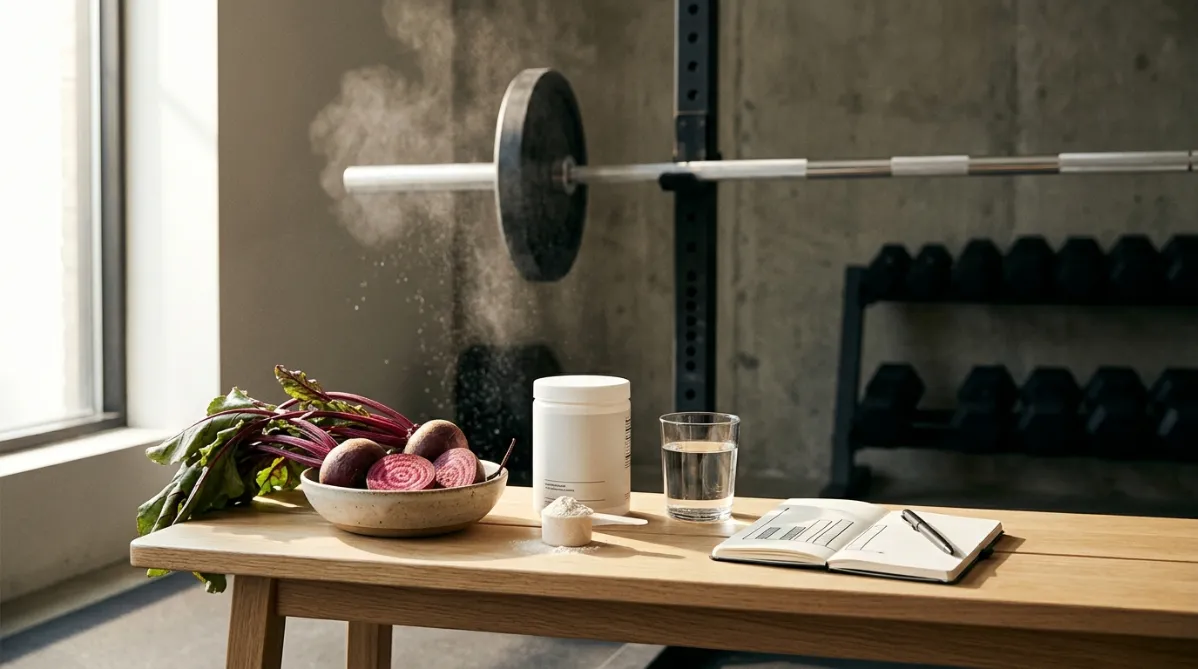
Betaine Raised Bench Throw Power ~16% in 14 Days
Two weeks of betaine, a compound found in beets and sold as TMG, was linked to roughly 16% higher bench throw power on day one of a hard testing block in resistance-trained men. A randomized, double-blind crossover trial also found higher isometric bench press force, with smaller improvements in vertical jump power and isometric squat force. But reps and jump squat power did not budge, and the study included just 12 men. Here's what the data show, the dose used, and what lifters should and shouldn't take from it.
Creatine Before or After Your Workout? A Small Study Gives Post-Workout the Edge
Should you take creatine before or after you lift? A 2013 study of 19 male bodybuilders found that post-workout dosing edged out pre-workout on lean mass, fat mass and bench press. But the formal statistical test showed no significant difference between the groups, and the authors relied on a cautious "possibly more beneficial" inference. Here is what the data actually say, why the sample size matters, and how to apply the findings with a simple 5 g daily routine.
Creatine Before or After Your Workout? A Small Study Gives Post-Workout the Edge
Should you take creatine before or after you lift? A 2013 study of 19 male bodybuilders found that post-workout dosing edged out pre-workout on lean mass, fat mass and bench press. But the formal statistical test showed no significant difference between the groups, and the authors relied on a cautious "possibly more beneficial" inference. Here is what the data actually say, why the sample size matters, and how to apply the findings with a simple 5 g daily routine.