Dr. Gymbro
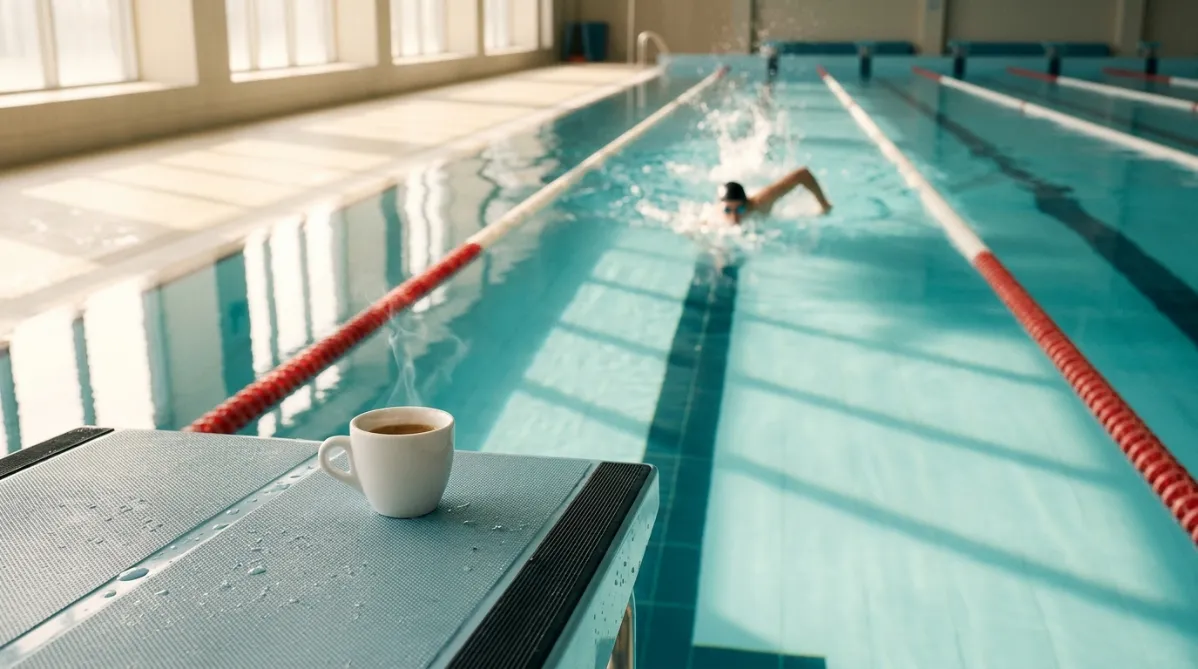
A wide, editorial-style photograph of a competition swimming pool lane seen from just above the water line at the starting end, in soft morning light. In the foreground, on the pool deck, a white ceramic espresso cup sits on the edge of a blue-gray starting block, a thin curl of steam rising from it. The cup is in crisp focus, with a few droplets of water on the textured non-slip deck around it. Behind it, the pool stretches into the distance as a series of calm lanes divided by red and white lane ropes. The turquoise water glints with gentle ripples and long, shimmering reflections. At the far end, a lone swimmer in a dark cap and goggles is mid-stroke, caught in a small burst of white splash, and slightly out of focus because of the shallow depth of field.

Large windows along the side wall let in pale golden sunlight, which throws soft diagonal light across the water and the deck. The palette is clean and modern: aqua, deep teal, warm cream and a small accent of coffee brown. The cup's warm tones stand out against the cool blues. The composition follows the rule of thirds, with the cup in the lower left third and open negative space of water and light on the right, leaving room for headline text. The look is minimal, airy and contemporary, like a high-end sports and science magazine, with subtle film grain, natural color grading, and a slightly desaturated, calm mood. Faint stopwatch-like details appear only as a thin black timing pad edge on the starting block, with no text or numbers visible. The overall feel is quiet anticipation just before a race, precise and fresh, with a sense of small margins and measured performance.
Nutrition

咖啡因让游泳者更快,但提升幅度不如想象

Dr. Gymbro · · 1 min read

咖啡因让游泳者更快,但提升幅度不如想象

游泳运动员多年在赛前饮用咖啡,但它真的能提升成绩吗?一项包含13项交叉试验的多层次荟萃分析显示,成绩提升约为1.7%,在以百分之一秒决胜负的项目中意义重大。值得注意的是,剂量≥6 mg/kg 时效果最为明显,而低剂量未出现可靠效应。咖啡因还会使赛后血乳酸升高,且各研究之间差异显著。以下是已有证据支持的结论以及仍待解答的问题。

研究人员做了什么

由Wang领衔,并邀请了著名咖啡因研究者Jozo Grgic和Juan Del Coso合作的团队,检索了五个数据库,寻找针对竞技游泳者的随机、安慰剂对照交叉试验。共纳入13项研究,涉及144名男性和48名女性,得到28个效应量。

由于许多研究报告了多个结果,作者采用了三层随机效应模型,以避免对同一位泳者计数两次。他们使用RoB 2工具评估偏倚风险,并用GRADE体系对证据确定性进行分级。除了标准化效应量外,研究者还计算了对数均值比,以便将结果以百分比形式呈现。

关键数字:约1.7%

咖啡因提升了游泳成绩,标准化均差(SMD)为0.57(95% CI 0.20至0.94;p = 0.005),属于中等效应。换算成百分比更直观:提升约1.71%(95% CI +1.01%至+2.41%;p < 0.001)。

听起来似乎不大,但游泳比赛常以百分之一秒决定胜负。粗略估算,60秒的比赛提升1.7%约相当于1秒,这在精英水平上是巨大的优势,虽为跨项目、跨指标的平均值,不能保证每位泳者都能得到相同提升。

更大剂量会更快吗?

最有意思的发现来自探索性调节变量分析。使用≥6 mg/kg 剂量的研究显示出更大的整体效应(SMD 0.95,95% CI 0.52至1.38),而低于6 mg/kg 的研究效应仅为SMD 0.22(95% CI -0.15至0.60),两组差异具有统计学意义(p = 0.017)。

需要注意的是,低剂量组的置信区间跨过零,说明在当前数据下无法确信剂量低于6 mg/kg 时会带来提升。作者仍将其称为可能的剂量相关模式,因为这基于不同研究之间的比较,而非在同一批泳者中直接对比不同剂量。

目前数据未显示影响的因素

分析还考察了摄入时机、比赛距离、给药形式、泳姿、性别以及运动员水平等变量,均未出现显著的亚组差异。这并不意味着这些因素不重要,只是13项研究的样本量可能不足以检测到差异。换句话说,现有荟萃分析并未提供口香糖与胶囊、女性与男性之间差异的证据。

乳酸的“扭曲”

八项研究提供了24个血乳酸效应量。咖啡因使赛后血乳酸平均升高0.85 mmol/L(95% CI 0.22至1.49;p = 0.016),异质性较高(I² = 76.5%)。

乳酸升高未必是坏事,可能表明泳者更用力或动用了更多的无氧能量,这在咖啡因的效应中常见。探索性亚组分析提示自由泳和短距离项目的乳酸增幅更大,但作者提醒这些结果对模型假设较为敏感,需要谨慎解读。

异质性警示

总体表现异质性显著(I² total = 64.7%),主要来源于研究间的差异。各试验在方案、受试者、项目和测量方法上都有所不同,导致平均效应掩盖了真实的波动。有的泳者或研究可能得到远超1.7%的提升,也有的几乎没有效果。作者将亚组发现视为生成假设的线索,尚无法明确谁是最佳受益者。

对泳者的实际建议

  • 期待温和且真实的提升。 最佳估计约为1.7%提升,合理区间约为1%至2.4%。
  • 剂量关键,常用范围可能恰好临界。 运动营养指南常推荐3至6 mg/kg。本分析显示≥6 mg/kg 时效应最为明显,而低于该剂量未出现可信的整体效应。以70 kg 的泳者为例,6 mg/kg 约等于420 mg 咖啡因。更高剂量会增加紧张、胃部不适和睡眠障碍的风险,建议在训练中先行测试,而非赛前首次使用。
  • 时机与给药形式仍无定论。 本综述未发现时机或给药形式的显著差异,暂无元分析依据制定精准方案。多数运动员仍遵循赛前约一小时摄入的通用做法,这更多来源于整体文献而非本研究的亚组分析。
  • 适用人群。 证据基于竞技泳者的单次急性剂量、安慰剂对照实验。对咖啡因耐受良好、成绩受细微差距左右的泳者收益最大;对咖啡因敏感或有睡眠、焦虑问题的运动员应更加慎重。
  • 预期乳酸变化。 若监测乳酸,咖啡因后出现更高的赛后值是常见现象,并不一定是警示信号。

结论

咖啡因确实能让泳者更快,平均提升约1.7%,在以毫秒决胜负的项目中意义重大。但效应在不同研究间差异显著,剂量效应倾向于≥6 mg/kg 仍需进一步验证,其余问题仍悬而未决。把咖啡因当作个人化的工具进行尝试,而非通用公式。
Original study

Read the original research on pubmed.ncbi.nlm.nih.gov →

This article summarizes published research for general information. It is not medical advice.

DG

Written by

Dr. Gymbro

Dr. Gymbro writes for Dr. Gymbro: science-backed fitness, nutrition & performance.

Related Articles

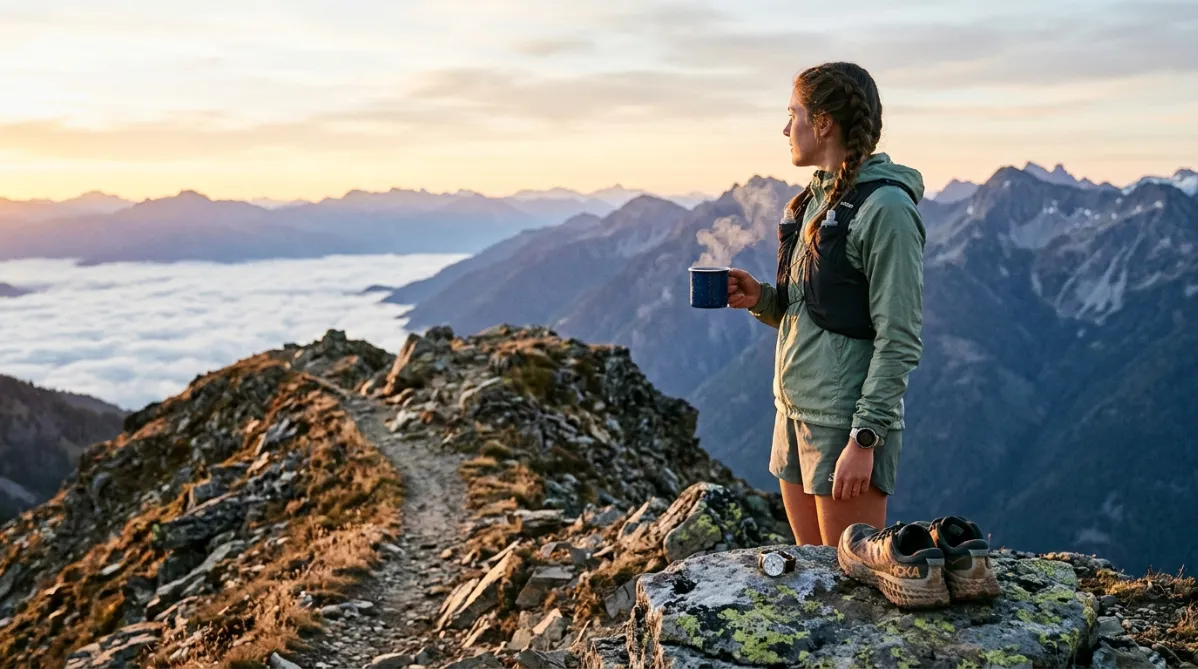
A lone trail runner pauses on a high alpine ridge at dawn, holding a small enamel camp mug of steaming coffee, with thin ribbons of steam curling into crisp, cold air. She wears a fitted charcoal running vest and a muted sage windbreaker, and her breath is faintly visible. Behind her, layered mountain ranges fade into soft blue and lavender haze, and a sea of low clouds fills the valley below. Warm golden sunlight skims the ridgeline and rim-lights her profile, shoulders, and the rising steam. In the foreground, a scattering of dried alpine grasses and lichen-covered stones is in sharp focus, with a worn trail snaking toward the summit. Near the mug sits a small pair of trail running shoes with dusty soles and a simple analog wristwatch resting on a flat rock.

The composition follows a wide 16:9 editorial layout. The subject sits slightly right of center on the rule of thirds, leaving generous negative space in the pale peach-and-powder-blue sky on the left, where headline text could sit. The palette is restrained and modern: warm amber, soft cream, dusty sage, slate blue, and a touch of terracotta. The look is cinematic but natural, with shallow depth of field on the foreground details, gentle film grain, and a slightly matte finish. It evokes a high-end outdoor lifestyle magazine or a contemporary wellness journal. The mood is calm, focused, and quietly determined, capturing the contrast between thin, cold altitude air and the warmth of a coffee ritual. The image has no text, logos, or futuristic elements, and no gym equipment, only natural light, texture, and atmosphere.
nutrition

薄氧中的咖啡因:高原耐力提升的秘密

BY DR. GYMBRO ·

稀薄的空气会显著削弱耐力表现,但最新的荟萃分析显示,咖啡因可能帮助恢复部分成绩。该分析合并了九项安慰剂对照交叉实验(共117名受试者),在缺氧环境下发现中到大型的绩效提升(g=0.76)。令人惊讶的是,血氧饱和度和主观用力感未改变,心率、乳酸及通气量却上升。证据确定性被评为低,且仅有19名女性参与,因此更像是有前景的信号而非定论。

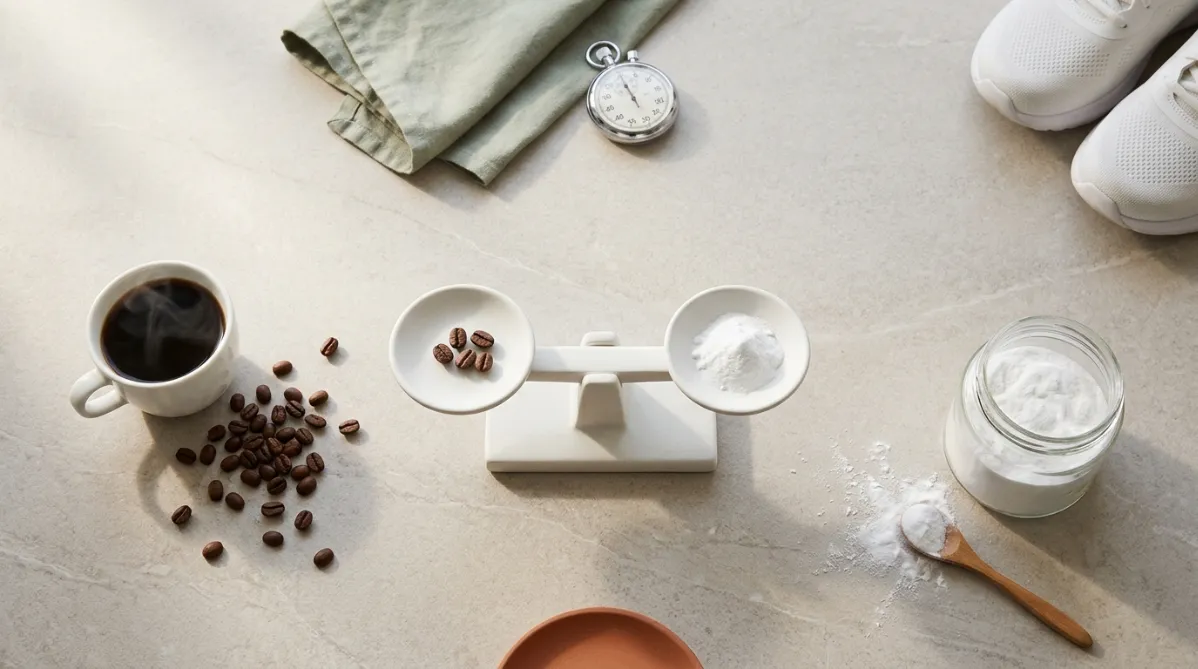
A calm, editorial-style flat lay photographed from above on a pale, warm-gray stone countertop in soft morning window light. On the left, a small white ceramic cup of black coffee with a delicate swirl of steam, beside a scattering of whole roasted coffee beans. On the right, a minimalist glass jar of fine white baking soda powder with a wooden spoon resting beside it, a few soft white grains dusted across the surface. In the center, a clean white scale-like balance made of matte ceramic with two small dishes: one holding a few coffee beans, the other a small mound of white powder, perfectly level to suggest the idea of equal outcomes. A folded sage-green linen napkin and a simple stainless steel stopwatch rest near the top edge, along with a pair of minimalist white running shoes partially visible in the corner. Subtle long shadows, gentle natural highlights, and a shallow depth of field give a tactile, premium feel. The color palette is muted and modern: cream, warm espresso brown, soft sage, and chalky white, with a single accent of pale terracotta in a small ceramic dish. Composition is balanced and uncluttered with generous negative space on the upper right for a title overlay. The overall mood is clean, contemporary, and quietly scientific, like a cover from a trendy health and performance journal. Wide landscape 16:9 framing, crisp detail, natural film-like grain.
nutrition

咖啡因+碳酸氢钠组合:能否胜过单独使用?

BY DR. GYMBRO ·

你可能已经知道咖啡因有效,碳酸氢钠也有作用。于是很多人以为两者一起用效果更好,但2026年《Nutrients》上的一项系统评价显示,实际情况并不像宣传的那样简单。与安慰剂相比,咖啡因+碳酸氢钠的平均功率提升约8.4瓦,时间试验成绩缩短约1.6%。然而,这一优势在去除单个研究后便消失,且组合并未优于单独使用咖啡因或碳酸氢钠。

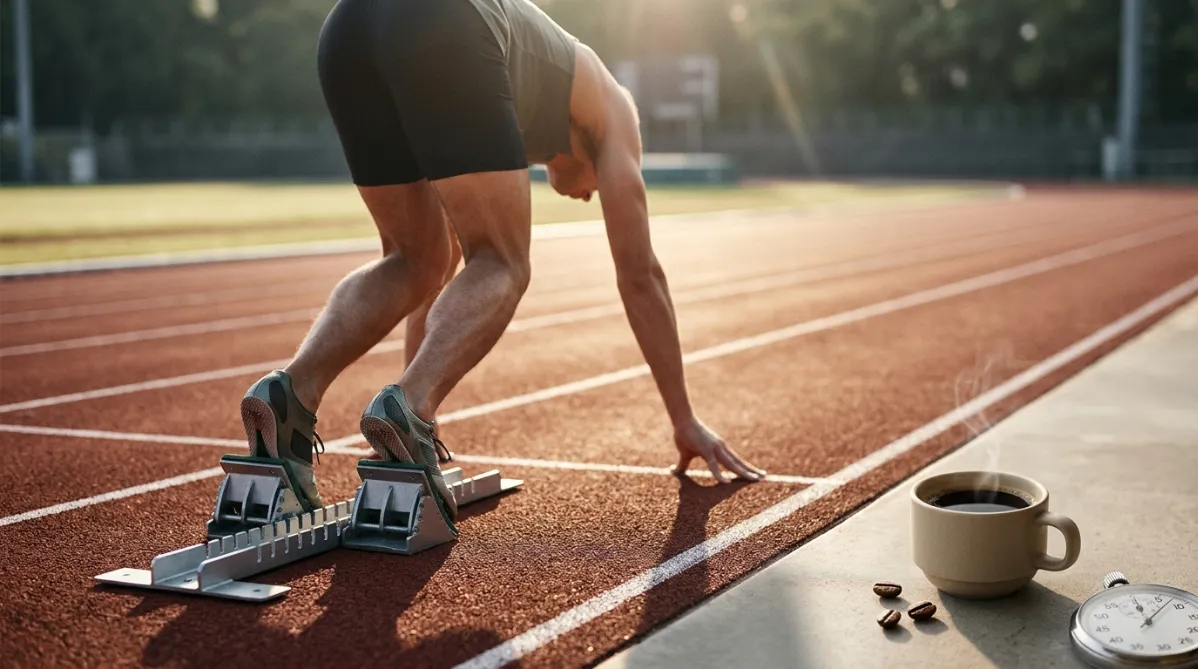
A wide, editorial-style photograph of a sprinter crouched in starting blocks on a deep terracotta-red running track, shot from a low angle at the side as the first morning light rakes across the lanes. The athlete is mid-set, hips lifted, hands poised behind crisp white lane lines, with a soft focus on their muscular calves and spiked shoes in the foreground. Warm golden sunlight creates long, elegant shadows and subtle lens flare, while the distant lanes fade into a creamy bokeh.

In the lower right foreground, slightly out of focus, sits a minimalist still life on a matte concrete ledge beside the track: a small ceramic cup of black coffee with a thin wisp of steam, two loose roasted coffee beans, and a simple stopwatch with a clean white face. The ceramic is a muted sand color, adding a refined, modern lifestyle touch.

The color palette is restrained and trendy: terracotta, warm cream, soft charcoal, and a hint of sage green from trees blurred in the far background. The composition uses generous negative space across the upper left, ideal for headline text overlay. The look is similar to a contemporary health and sports science magazine: natural film-like grain, gentle contrast, shallow depth of field, and a calm, focused mood. No text, no logos, no graphics, and no futuristic elements, just a realistic, tactile, sunlit scene that suggests precision, preparation, and explosive speed.
science research

双倍咖啡因,冲刺更快?6 mg/kg 真能带来什么

BY DR. GYMBRO ·

一项随机、双盲、交叉设计的试验比较了 3 mg/kg 与 6 mg/kg 咖啡因对 21 名受训男性短跑运动员的影响。两种剂量均优于安慰剂,但只有更高剂量在前 30 米和 60 米出现显著加速,10 米则没有差异。高剂量还能提升跳高和起跑块力量,但对反应时间和 Wingate 峰值功率没有额外帮助。文中给出了不同体重运动员的实际摄入量、服用时机及适用人群,并说明该研究未提供高剂量副作用的直接证据。

A landscape editorial photograph in a bright, modern gym studio with soft natural light pouring through tall windows. In the foreground, a matte ceramic cup and a small glass jar of plain white powder sit on a light oak bench, with a wooden scoop resting beside them and a few loose grains dusted across the wood. The jar has no label, which hints at mystery without being heavy-handed. Slightly out of focus behind them, a female athlete in a sage green athletic set stands at a barbell, chalked hands gripping the bar, her expression calm and focused. A male cyclist on a stationary bike is blurred in the far background. The palette is warm neutrals: cream, soft sand, pale oak, muted sage, and a touch of terracotta, with gentle golden-hour highlights and soft shadows. The composition follows the rule of thirds, with the cup and jar in the lower left, the athlete on the right, and open negative space in the upper area for headline text. The depth of field is shallow, with a creamy bokeh background. The mood is contemplative, curious, and trendy, like a contemporary health and science magazine cover. Fine film grain, subtle matte finish, clean minimalist styling, and no text or logos.
science research

安慰剂咖啡因仍能让运动员更强更快

BY DR. GYMBRO ·

如果训练前的动力来源于大脑而非咖啡因本身,会怎样?2026 年对 17 项研究的荟萃分析显示,运动员即使只服用了标称为咖啡因的安慰剂,也能提升表现(d=0.49),涉及卧推、骑行计时赛和反复冲刺。盲法设计和女性比例较高的研究中效应更大,但证据可信度低且偏倚风险高。本文解读了具体数据并提示哪些人需格外谨慎。

This page is available in