
Ashwagandha for Lifters: Strength Boost or Statistical Mirage?
Ashwagandha is sold to lifters as a strength and size booster, and a new meta-analysis of resistance-training RCTs found bench and squat 1RM gains that look impressive on paper. But only three trials with 161 participants could be pooled. Both strength results lost significance under stricter HKSJ testing, and each leaned on a single influential trial. GRADE rated the evidence low to very low, and there was no dependable effect on body fat. Here is what the review actually shows, and who might still want to try it.
Keto for Lifters: Fat Drops, But Lean Mass Lagged by 1.4 kg
A 50-study review finds that ketogenic diets cut fat and generally keep strength intact. But in resistance-trained adults, lean mass came out about 1.37 kg lower than on non-keto diets. The authors rate that finding low certainty and stress it doesn't prove muscle loss, since glycogen and water may explain much of it. High-intensity performance was also more often unchanged or impaired. Here's who keto may suit for cutting, who should skip it, and how to protect lean mass.

Quercetin Tripled Strength Gains in Older Lifters—Without More Muscle
A cheap flavonoid found in onions and apples may have just boosted strength gains in older lifters far beyond what training alone delivered. In a randomized, double-blind trial, older adults taking 200 mg/day of quercetin glycosides gained about 15% in knee strength over six weeks, versus about 5% on placebo. Strangely, muscle mass didn't change in either group. The edge appeared to come from the nervous system, with higher-threshold motor units firing faster. Here's what the study found, how to apply it, and why the small sample demands caution.

Collagen Beat Whey for Muscle in a 78-Trial Analysis?
A 2026 network meta-analysis of 78 randomized trials and 4,755 people ranked collagen first for strength and fat-free mass gains with resistance training, ahead of whey. Stranger still, no other protein supplement beat placebo. But collagen is an incomplete, low-leucine protein, and the confidence intervals are wide. Here is what the numbers actually show, why the result needs head-to-head confirmation, and what to do with your supplement stack in the meantime.
Vitamin D Sped Strength Recovery in Men Who Weren't Deficient
Men with perfectly normal vitamin D levels still recovered strength faster after a brutal leg workout when they took 4,000 IU daily. In this randomized, placebo-controlled trial of 28 active men, peak isometric force bounced back about 8% better at 24 hours. Muscle-damage markers ALT and AST also rose less. But there's a twist: soreness didn't improve at all. Here's what the study found, where it falls short, and who might actually care.
Betaine Raised Bench Throw Power ~16% in 14 Days
Two weeks of betaine, a compound found in beets and sold as TMG, was linked to roughly 16% higher bench throw power on day one of a hard testing block in resistance-trained men. A randomized, double-blind crossover trial also found higher isometric bench press force, with smaller improvements in vertical jump power and isometric squat force. But reps and jump squat power did not budge, and the study included just 12 men. Here's what the data show, the dose used, and what lifters should and shouldn't take from it.
Citrulline Malate vs L-Citrulline: Does Malate Actually Matter?
Citrulline malate or plain L-citrulline? A new randomized, double-blind, placebo-controlled crossover trial in 43 trained adults tested both against placebo, and the answer might save you money. Neither form improved strength, power, jump performance, rep output, or perceived exertion, and malate added nothing on top of matched citrulline. Here is what the study measured, what the doses were, and the caveats that keep this from being the final word. If you are deciding what to put in your shaker, start here.
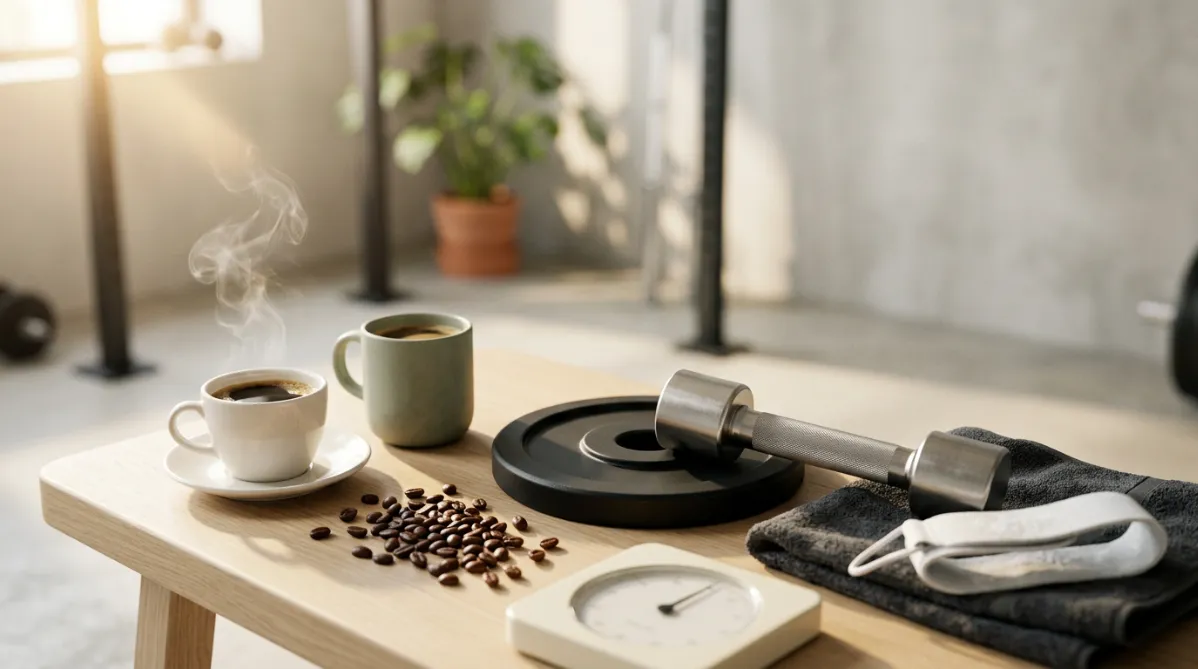
How Much Caffeine Before Lifting? A Meta-Analysis Says 1–2 mg/kg Still Works
The standard advice for caffeine before lifting is 3–6 mg/kg, which can mean several cups of coffee or a heavy scoop of pre-workout. A 2022 meta-analysis of 12 trials found that doses of just 0.9–2 mg/kg still improved muscular strength (d ≈ 0.17), muscular endurance (d ≈ 0.21), and mean bar velocity (d ≈ 0.56). For many lifters, that's about one to two cups of coffee. The effects are modest and the evidence comes from acute, single-session studies, but the findings suggest you may be able to get a similar benefit with less caffeine.
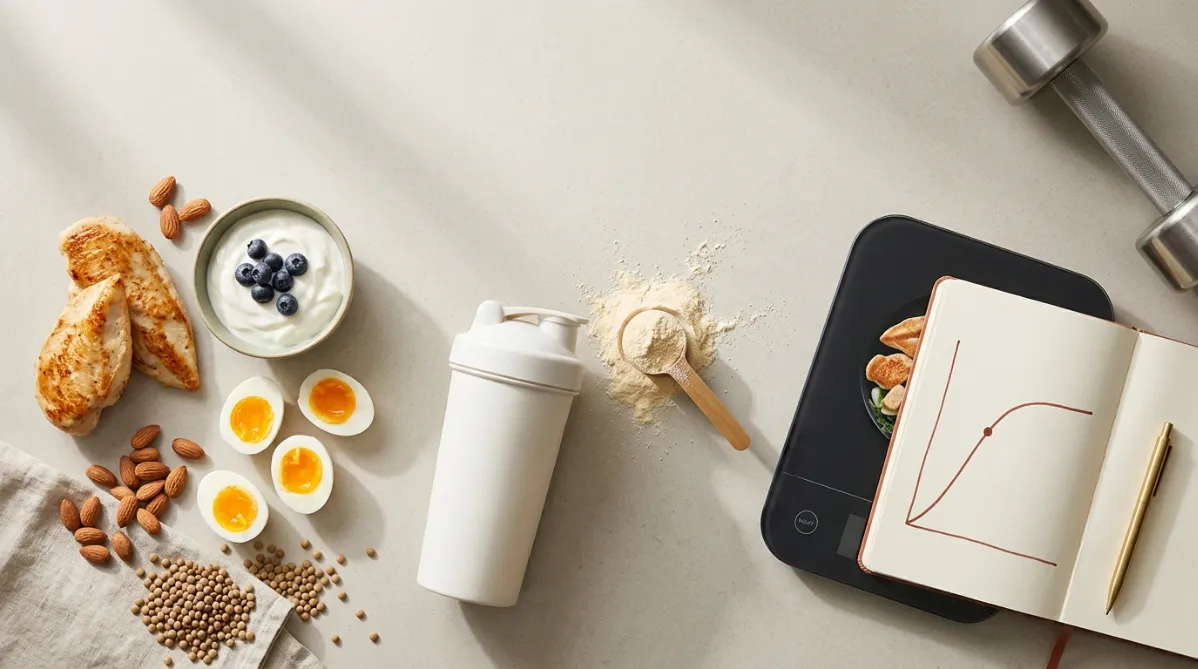
How Much Protein Actually Maximizes Muscle? The 1.6 g/kg Plateau, Explained
Think you need 2+ grams of protein per pound to grow? A meta-analysis of 49 trials and 1,863 adults found muscle-building benefits leveled off around 1.6 g/kg per day. The upper confidence limit reached about 2.2 g/kg, giving lifters a practical range instead of an arbitrary mega-dose. Trained lifters gained the most from supplementation, while the benefit shrank with age. Here is what the numbers mean for your plate, your shaker bottle and your budget.