Dr. Gymbro
←

#ergogenic aids

25 articles
supplements

Agua con Hidrógeno Hace a Nadadores de Élite un 0,6 % Más Rápidos. Este es el Truco

BY DR. GYMBRO ·

Un vaso de agua con hidrógeno disuelto hizo que nadadores de nivel nacional fueran un 0,6 % más rápidos en una prueba de 400 m, según un estudio doble ciego cruzado. La mejora parece mínima, pero en la élite esos décimos pueden decidir medallas. El mismo protocolo no cambió los sprints de 50 m, los niveles de lactato, la percepción del esfuerzo ni los marcadores de estrés oxidativo, dejando el mecanismo en el aire. Aquí tienes la dosis exacta, quién podría beneficiarse y por qué hay que tomarse con cautela este pequeño estudio con 12 atletas.

science research

El impulso de la cafeína en los sprints duró 3,5 horas y fueron menos dolorosos

BY DR. GYMBRO ·

Una dosis alta de cafeína puede seguir actuando después del primer bloque de entrenamiento. Un estudio de la Universidad de Tsukuba mostró que 5,5 mg/kg tomados una hora antes del ejercicio mantuvieron la potencia en sprints repetidos durante hasta 3,5 horas. Además, los sprints resultaron menos dolorosos y menos cansados. Las mejoras fueron modestamente pequeñas (0,5‑3,7 %) y se obtuvieron con solo 12 participantes, pero vinieron acompañadas de un ritmo cardíaco más alto y una menor velocidad de flujo sanguíneo cerebral.

nutrition

La cafeína hizo a los futbolistas más rápidos, pero no mejoró sus reacciones

BY DR. GYMBRO ·

Todos asumen que la cafeína agudiza a los atletas en todos los aspectos, pero un nuevo ensayo doble ciego con futbolistas aficionados muestra una historia más matizada. Una dosis de 300 mg (aprox. 3,7 mg/kg) mejoró la agilidad planificada (tamaño del efecto 0,62) y también aumentó la altura del salto. Sin embargo, cuando los jugadores tuvieron que reaccionar a una luz o a un oponente humano, los beneficios fueron pequeños o no significativos estadísticamente. A continuación, se resume lo que encontró el estudio, cómo interpretar los resultados y quién podría beneficiarse realmente.
A lone trail runner pauses on a high alpine ridge at dawn, holding a small enamel camp mug of steaming coffee, with thin ribbons of steam curling into crisp, cold air. She wears a fitted charcoal running vest and a muted sage windbreaker, and her breath is faintly visible. Behind her, layered mountain ranges fade into soft blue and lavender haze, and a sea of low clouds fills the valley below. Warm golden sunlight skims the ridgeline and rim-lights her profile, shoulders, and the rising steam. In the foreground, a scattering of dried alpine grasses and lichen-covered stones is in sharp focus, with a worn trail snaking toward the summit. Near the mug sits a small pair of trail running shoes with dusty soles and a simple analog wristwatch resting on a flat rock.

The composition follows a wide 16:9 editorial layout. The subject sits slightly right of center on the rule of thirds, leaving generous negative space in the pale peach-and-powder-blue sky on the left, where headline text could sit. The palette is restrained and modern: warm amber, soft cream, dusty sage, slate blue, and a touch of terracotta. The look is cinematic but natural, with shallow depth of field on the foreground details, gentle film grain, and a slightly matte finish. It evokes a high-end outdoor lifestyle magazine or a contemporary wellness journal. The mood is calm, focused, and quietly determined, capturing the contrast between thin, cold altitude air and the warmth of a coffee ritual. The image has no text, logos, or futuristic elements, and no gym equipment, only natural light, texture, and atmosphere.
nutrition

Cafeína en el aire rarefaccionado: el impulso de resistencia que la hipoxia no puede borrar

BY DR. GYMBRO ·

El aire escaso reduce la capacidad de resistencia, pero un nuevo meta‑análisis sugiere que la cafeína puede recuperar parte de esa pérdida. Al agrupar nueve estudios cruzados controlados con placebo (117 participantes), los investigadores observaron un aumento moderado‑a‑grande en el rendimiento bajo hipoxia (g = 0.76). Sorprendentemente, la saturación de oxígeno y la percepción del esfuerzo no cambiaron, mientras que la frecuencia cardíaca, el lactato y la ventilación sí aumentaron. La evidencia tiene una certeza baja y solo 19 mujeres participaron, por lo que los resultados son prometedores pero no concluyentes.
A landscape editorial photograph of a volleyball net in a softly lit indoor gym, shot from a low angle on the court. In the foreground, a pair of athletic hands in mid-block reach above the net, fingers spread, caught in crisp focus. The athlete's face is out of frame, so the attention stays on the hands and the net. In the lower left foreground, a small open foil pack of caffeine chewing gum sits on the polished maple floor, with two mint-green gum pieces beside it and a clear water bottle. The pack is unbranded and minimal.

The background is a warm blur of honey-toned hardwood, pale gym walls, and tall windows with diffused late-afternoon light streaming in. Dust motes glow in the light shafts. The palette is muted and modern: warm wood amber, soft cream, sage green, and a touch of deep navy from the athlete's jersey. Shallow depth of field and gentle film grain give the image a refined, magazine-like feel. The composition follows the rule of thirds, with the hands and net on the right and open negative space on the left, where headline text could sit.

The mood is calm, focused, and slightly cinematic, like a feature in a contemporary sports science journal. The lighting is soft and natural, with long gentle shadows across the court lines. No futuristic or digital elements, no charts, no text. The overall look is clean, tactile, and editorial.
nutrition

La fatiga ralentizó las reacciones en un 18 %; la goma con cafeína lo redujo al 3 %

BY DR. GYMBRO ·

Tras un intenso protocolo de fatiga mediante bloqueos repetidos, las jugadoras de voleibol de élite que recibieron placebo tardaron un 18,4 % más en su secuencia reactiva de bloqueo. Con goma de cafeína a 6 mg/kg la desaceleración se redujo a solo un 3,0 %, y a 3 mg/kg quedó en 6,4 %. La potencia del salto‑bloque y la rigidez del salto‑caída también se mantuvieron mejor con cafeína. Sin embargo, el estudio contó con solo 15 atletas, el cegamiento fue incompleto y los efectos secundarios fueron más frecuentes con la dosis alta, sin que se estableciera una dosis claramente superior.
A calm, editorial-style flat lay photographed from above on a pale, warm-gray stone countertop in soft morning window light. On the left, a small white ceramic cup of black coffee with a delicate swirl of steam, beside a scattering of whole roasted coffee beans. On the right, a minimalist glass jar of fine white baking soda powder with a wooden spoon resting beside it, a few soft white grains dusted across the surface. In the center, a clean white scale-like balance made of matte ceramic with two small dishes: one holding a few coffee beans, the other a small mound of white powder, perfectly level to suggest the idea of equal outcomes. A folded sage-green linen napkin and a simple stainless steel stopwatch rest near the top edge, along with a pair of minimalist white running shoes partially visible in the corner. Subtle long shadows, gentle natural highlights, and a shallow depth of field give a tactile, premium feel. The color palette is muted and modern: cream, warm espresso brown, soft sage, and chalky white, with a single accent of pale terracotta in a small ceramic dish. Composition is balanced and uncluttered with generous negative space on the upper right for a title overlay. The overall mood is clean, contemporary, and quietly scientific, like a cover from a trendy health and performance journal. Wide landscape 16:9 framing, crisp detail, natural film-like grain.
nutrition

Stack de cafeína + bicarbonato: ¿supera a cada uno por separado?

BY DR. GYMBRO ·

Combinar dos ayudas ergogénicas probadas parece una garantía, pero un meta‑análisis reciente de 13 estudios cruzados muestra que la ecuación no es tan simple. En comparación con el placebo, la combinación de cafeína y bicarbonato de sodio aumentó la potencia media en unos 8,4 W y redujo los tiempos de contrarreloj en torno al 1,6 %. Sin embargo, esos efectos desaparecieron al excluir estudios individuales y la combinación no superó a la cafeína ni al bicarbonato por separado. Aquí tienes lo que revelan los datos, las dosis habituales y quién debería probar esta mezcla.
A wide, editorial-style photograph of a sprinter crouched in starting blocks on a deep terracotta-red running track, shot from a low angle at the side as the first morning light rakes across the lanes. The athlete is mid-set, hips lifted, hands poised behind crisp white lane lines, with a soft focus on their muscular calves and spiked shoes in the foreground. Warm golden sunlight creates long, elegant shadows and subtle lens flare, while the distant lanes fade into a creamy bokeh.

In the lower right foreground, slightly out of focus, sits a minimalist still life on a matte concrete ledge beside the track: a small ceramic cup of black coffee with a thin wisp of steam, two loose roasted coffee beans, and a simple stopwatch with a clean white face. The ceramic is a muted sand color, adding a refined, modern lifestyle touch.

The color palette is restrained and trendy: terracotta, warm cream, soft charcoal, and a hint of sage green from trees blurred in the far background. The composition uses generous negative space across the upper left, ideal for headline text overlay. The look is similar to a contemporary health and sports science magazine: natural film-like grain, gentle contrast, shallow depth of field, and a calm, focused mood. No text, no logos, no graphics, and no futuristic elements, just a realistic, tactile, sunlit scene that suggests precision, preparation, and explosive speed.
science research

Doble de cafeína, ¿sprints más rápidos? Qué aporta realmente 6 mg/kg

BY DR. GYMBRO ·

Un ensayo aleatorizado, doble ciego y cruzado comparó 3 mg/kg con 6 mg/kg de cafeína en 21 velocistas masculinos entrenados. Ambas dosis superaron al placebo, pero la dosis alta sólo aportó velocidad extra en los primeros 30 y 60 m, no en los 10 m. También mejoró la altura del salto y la tasa de desarrollo de fuerza en el bloque, sin efectos adicionales en el tiempo de reacción ni en la potencia máxima del test de Wingate. A continuación se muestra cuánto representa cada dosis en miligramos para atletas de 70‑80 kg, cuándo tomarlas, a quiénes aplican los resultados y qué se sabe (o no) de los efectos secundarios.

A landscape editorial photograph in a bright, modern gym studio with soft natural light pouring through tall windows. In the foreground, a matte ceramic cup and a small glass jar of plain white powder sit on a light oak bench, with a wooden scoop resting beside them and a few loose grains dusted across the wood. The jar has no label, which hints at mystery without being heavy-handed. Slightly out of focus behind them, a female athlete in a sage green athletic set stands at a barbell, chalked hands gripping the bar, her expression calm and focused. A male cyclist on a stationary bike is blurred in the far background. The palette is warm neutrals: cream, soft sand, pale oak, muted sage, and a touch of terracotta, with gentle golden-hour highlights and soft shadows. The composition follows the rule of thirds, with the cup and jar in the lower left, the athlete on the right, and open negative space in the upper area for headline text. The depth of field is shallow, with a creamy bokeh background. The mood is contemplative, curious, and trendy, like a contemporary health and science magazine cover. Fine film grain, subtle matte finish, clean minimalist styling, and no text or logos.
science research

La cafeína ficticia aún mejora la fuerza y velocidad de los atletas

BY DR. GYMBRO ·

¿Y si parte del impulso de tu pre‑entrenamiento proviene más de la mente que de la taza? Un meta‑análisis de 2026 que reunió 17 estudios encontró que un placebo al que los atletas creían que contenía cafeína mejoró su rendimiento (d = 0,49) en press de banca, pruebas de tiempo en ciclismo y sprints repetidos. Los efectos fueron mayores cuando los investigadores estaban cegados y en estudios con más mujeres, aunque la evidencia tiene baja certeza y alto riesgo de sesgo. No es motivo para abandonar la cafeína real (3‑6 mg/kg), pero recuerda que la expectativa es también una variable de rendimiento. Veamos qué dicen los datos y a quiénes conviene ser cauteloso.
A wide, editorial-style photograph of a single slim silver and blue energy drink can standing upright at center on a polished light-oak gym bench, shot in soft natural window light. The can is unbranded, with a clean, minimal design and a few beads of condensation. Behind it, the softly blurred interior of a bright modern indoor volleyball court stretches into the background, with a pale hardwood floor, a net, and a few volleyballs resting in a mesh cart. Warm morning sunlight enters through tall windows on the left and casts long, gentle shadows across the bench. Beside the can sit a small white towel folded neatly, a simple stopwatch, and a pair of white wireless earbuds. On the right, a small paper cup of white powder and a wooden scoop hint at measured dosing. They are placed deliberately, like a styled still life.

At the very edge of the frame, a pair of delicate white paper wings, origami-like and slightly crumpled, lie flat and unused on the bench, a subtle visual joke about the "wings" slogan. The wings are understated and tactile, not magical or glowing.

The color palette is muted and fresh: warm honey wood, soft cream, pale sky blue, and touches of silver, with a single accent of coral red from a volleyball panel in the background. The depth of field is shallow, with crisp focus on the can and the paper wings and a creamy bokeh background. The composition follows the rule of thirds, with the can slightly left of center and generous negative space on the right for a headline overlay. The mood is calm, clean, and contemporary, like a lifestyle and science magazine cover, with fine film grain and natural contrast. The camera angle is slightly low, at bench level, with a 50mm lens look.
nutrition

¿Da alas Red Bull? 13 pruebas en el gimnasio no hallaron nada

BY DR. GYMBRO ·

El eslogan de Red Bull promete alas, pero un nuevo estudio cruzado en jugadoras de voleibol femenino no encontró ninguna. Una lata estándar no mejoró ninguna de las 13 variables evaluadas en pruebas de Wingate, salto y fuerza de agarre frente a un placebo. Ocho de las 15 atletas también reportaron náuseas leves. La causa probable es que la lata aportó apenas 1,1 mg/kg de cafeína, muy por debajo de los 3‑6 mg/kg que suelen citarse como eficaces. A continuación, lo que muestra el estudio, sus limitaciones y cómo dosificar la cafeína adecuadamente.
A landscape editorial still life on a pale warm-gray concrete surface, shot from a slightly elevated three-quarter angle in soft diffused morning window light. In the foreground left, a small open foil blister pack of mint-green caffeine gum sits beside two neatly arranged piles of gum pieces, one with three pieces and one with six, each on a small matte ceramic dish in oat and sage tones. The pieces are slightly glossy, rounded rectangles with crisp shadows. In the center-right, a worn leather basketball rests on the surface with deep amber-orange tones and visible pebbled texture. Next to it is a loosely chalked barbell collar and a single steel weight plate edge, partly out of focus. A minimalist analog stopwatch with a matte white face and a thin black hand lies at the lower right, and a slim notebook with a pencil rests nearby. The page shows a simple hand-drawn bar graph of two equal bars, with no legible text. In the soft-focus background, a blurred indoor basketball court with warm honey-colored hardwood and distant hoop lines fades into creamy bokeh. A narrow band of sunlight crosses the scene diagonally and picks out chalk dust particles in the air. The palette is muted and modern: sage green, warm oat, terracotta orange, charcoal, and cream. The composition leaves open negative space on the upper left for title overlay. Shallow depth of field, fine film grain, and a calm, clean magazine aesthetic like a contemporary health and science journal. No people, no text, no futuristic elements.
science research

Goma de cafeína y rendimiento el mismo día: por qué 3 mg/kg igualó a 6

BY DR. GYMBRO ·

Un nuevo ensayo cruzado en jugadores de baloncesto mostró que la goma de cafeína a 3 mg/kg mejoró la fuerza, potencia, velocidad de sprint y agilidad reactiva del mismo día casi tanto como una dosis de 6 mg/kg. Ambas dosis también aumentaron la velocidad de la barra en sentadillas pesadas. A las 24‑48 h el beneficio desapareció. El estudio carece de pruebas de línea base y de una condición solo de cafeína, por lo que los resultados deben leerse con cautela. Aquí analizamos la dosis, el momento de ingesta y quién podría beneficiarse.
A wide, editorial-style photograph of a competition swimming pool lane seen from just above the water line at the starting end, in soft morning light. In the foreground, on the pool deck, a white ceramic espresso cup sits on the edge of a blue-gray starting block, a thin curl of steam rising from it. The cup is in crisp focus, with a few droplets of water on the textured non-slip deck around it. Behind it, the pool stretches into the distance as a series of calm lanes divided by red and white lane ropes. The turquoise water glints with gentle ripples and long, shimmering reflections. At the far end, a lone swimmer in a dark cap and goggles is mid-stroke, caught in a small burst of white splash, and slightly out of focus because of the shallow depth of field.

Large windows along the side wall let in pale golden sunlight, which throws soft diagonal light across the water and the deck. The palette is clean and modern: aqua, deep teal, warm cream and a small accent of coffee brown. The cup's warm tones stand out against the cool blues. The composition follows the rule of thirds, with the cup in the lower left third and open negative space of water and light on the right, leaving room for headline text. The look is minimal, airy and contemporary, like a high-end sports and science magazine, with subtle film grain, natural color grading, and a slightly desaturated, calm mood. Faint stopwatch-like details appear only as a thin black timing pad edge on the starting block, with no text or numbers visible. The overall feel is quiet anticipation just before a race, precise and fresh, with a sense of small margins and measured performance.
nutrition

La cafeína hace a los nadadores más rápidos, pero menos de lo que piensas

BY DR. GYMBRO ·

Los nadadores llevan años tomando café antes de las pruebas, pero ¿realmente les brinda una ventaja? Un meta‑análisis multinivel de 13 ensayos cruzados sitúa la mejora en torno al 1,7 %, una diferencia significativa en un deporte decidido por centésimas de segundo. El beneficio más claro aparece con dosis de 6 mg/kg o más, mientras que cantidades menores no mostraron un efecto convincente. La cafeína también elevó el lactato sanguíneo post‑carrera, y los resultados variaron mucho entre los estudios. A continuación, lo que la evidencia respalda y lo que aún queda por esclarecer.
A wide landscape editorial photograph shot from slightly above, showing a clean matte stone countertop in soft morning light. On the left, a single frosted glass tumbler of pale pink-orange watermelon-colored drink sits with condensation beads on its surface, a thin slice of watermelon resting beside it. In the center, a minimalist matte white scoop rests on a small pile of fine white powder, with a few grains scattered naturally across the surface. Behind it, a blurred matte sage-green supplement tub with no legible text stands slightly out of focus. On the right, a neat arrangement of gym elements: a rolled linen towel, a slim stainless steel water bottle, and a pair of worn white running shoes with soft shadows. A small brass balance scale sits at the far right edge, one pan slightly higher than the other, hinting at weighing evidence versus hype. Scattered across the counter are a few cut watermelon rind wedges in vivid green and coral pink, adding natural color accents.

The color palette is warm and restrained: cream, soft blush pink, sage green, and warm gray, with a single pop of coral. Light enters from a window on the left, casting long, gentle diagonal shadows and a subtle highlight on the glass. Shallow depth of field with creamy bokeh in the background. Composition leaves generous negative space across the upper third and right side for headline text overlay. Style resembles a modern wellness magazine or trendy health journal cover: calm, tactile, minimal, slightly muted film-like grain, natural textures such as linen, stone, and glass. No people, no text, no logos, and no futuristic elements.
supplements

Citrulina malato: ¿hype o ayuda? Lo que revelan 30 estudios

BY DR. GYMBRO ·

La citrulina malato es un ingrediente básico en los pre‑entrenamientos, pero ¿qué tanto realmente aporta? Un nuevo meta‑análisis de tres niveles que incluye 30 ensayos aleatorizados con 644 participantes encontró solo un leve aumento general en el rendimiento (Hedges' g = 0.16). Los intervalos de predicción fueron amplios, la certeza GRADE fue baja a muy baja y la percepción de esfuerzo no cambió. Las dosis agudas parecieron más consistentes que las crónicas, y surgieron señales para la resistencia aeróbica y tareas anaeróbicas cortas, aunque no fueron robustas. Aquí se explica qué implica esto para la dosis, el momento y si vale la pena intentarlo.
A wide landscape editorial still life on a pale warm-gray linen surface, shot from a slightly elevated three-quarter angle in soft diffused morning window light. At center-left, a tall clear glass filled with deep magenta-crimson beetroot juice catches the light, its edges glowing ruby with a few condensation droplets on the surface. Beside it sits a small white ceramic espresso cup with dark, glossy coffee and a delicate swirl of crema. A few roasted coffee beans are scattered casually near the cup's saucer. To the left, two whole raw beetroots with their leafy burgundy-veined greens still attached rest on a rustic wooden board, with one beet sliced in half to reveal concentric rings of vivid fuchsia and pale pink. A folded white judo gi sleeve with a worn black belt loosely coiled on top is draped along the right side of the frame, the cotton weave texture visible, hinting at the sport without any people. In the background, a soft-focus tatami mat texture in muted straw-green creates a subtle horizontal band, blurred into creamy bokeh. A small scattering of beet juice droplets and a faint magenta stain on the linen add an organic, lived-in touch. The palette is restrained and modern: magenta, espresso brown, off-white, muted sage, and warm beige. Composition leaves generous negative space on the upper right for headline overlay. The mood is clean, calm, and contemporary, like a premium health and science magazine cover, with shallow depth of field, crisp focus on the glass and cup, fine natural shadows, and subtle film-like grain.
nutrition

Jugo de remolacha y cafeína: el truco del judo que superó a la cafeína sola

BY DR. GYMBRO ·

La cafeína es el impulso pre‑combate más usado, pero un estudio aleatorio con 35 judokas muestra que su ventaja desaparece al quinto combate de una jornada simulada. El jugo de remolacha, por el contrario, mejora el rendimiento al final del día, y la combinación cubre tanto el inicio como el final. En el ensayo 5, tanto el jugo como la combinación superaron a la cafeína sola en fitness específico de judo, función neuromuscular y cognición. Aquí tienes lo que encontró el estudio, a quién le puede servir, a quién debe ser cauteloso y lo que el resumen no revela.
A bright, airy editorial photograph in landscape format of a clean white marble kitchen counter in soft morning light. On the left, a small rustic ceramic bowl holds a mound of fine white powder, with a wooden spoon resting beside it and a scattering of powder dusted across the marble. Next to it sits a glass of water with a faint ripple on its surface. In the middle ground, a simple breakfast spread: a bowl of oatmeal topped with sliced banana, a piece of toast with honey, and a few slices of white bread, all styled in muted, natural tones. A minimalist analog wall clock or a vintage round kitchen timer in matte sage green sits subtly in the background, hinting at the 90-minute timing.

On the right side of the frame, slightly out of focus, a pair of modern running shoes in soft coral and cream rests on a light oak floor or bench. Next to them are a folded running shirt and a slim sports watch. Through a large window behind the counter, a blurred sunlit tree-lined running path glows in warm golden light, suggesting a woman's morning run without showing a face.

The palette is soft and modern: warm whites, sage green, pale peach, light wood, and touches of coral. Shallow depth of field, gentle natural shadows, and a clean composition with generous negative space in the upper left for title overlay. The mood is fresh, trustworthy, and health-journal chic, like a high-end wellness magazine feature. Shot on a 50mm lens, crisp details, subtle film grain, and a calm, minimal, contemporary feel.
nutrition

El bicarbonato de sodio redujo 32 segundos en los 10 km de corredoras: el truco

BY DR. GYMBRO ·

Un compuesto barato de despensa acabó de mejorar los tiempos de 10 km en corredoras recreativas, y el problema estomacal que suele arruinarlo apenas apareció. En un ensayo doble ciego cruzado, 21 mujeres corrieron aproximadamente 32 segundos más rápido tras consumir bicarbonato de sodio. El truco consistió en combinarlo con una comida rica en carbohidratos 90 minutos antes de la carrera. Aquí la dosis, el momento de ingesta, a quién le conviene y a quién debería pensarlo dos veces.
A wide, editorial-style flat lay photographed from above on a pale oat-colored linen surface in soft morning window light. On the left, a small matte white ceramic cup of black coffee with a delicate swirl of steam, beside a few scattered roasted coffee beans. On the right, a second matte sage-green ceramic cup holding a pale, creamy golden tea-like drink, mirroring the first. Between them, two small glass vials with cork stoppers sit side by side: one holding fine white powder, the other holding slightly warmer cream-colored powder, with a tiny brass measuring spoon resting nearby. In the lower foreground, a slim wooden rowing oar lies diagonally across the frame, its blade edge softly entering from the right, painted a muted navy with a thin terracotta stripe. A minimalist analog stopwatch with a brushed-steel case rests near the oar, and a folded cream notebook with a thin pencil suggests data-taking. In the upper corner, a crescent-shaped dried eucalyptus sprig and a small folded gray wool throw hint at sleep and calm without being literal. The palette is warm and restrained: oat, cream, sage, soft navy, terracotta, and espresso brown. Shadows are long and gentle, with shallow depth of field and subtle film grain, giving a refined, modern wellness-magazine feel. Generous negative space on the left third of the composition leaves room for a headline overlay. Clean, calm, tactile, and contemporary, with no text, logos, or futuristic elements.
science research

Paraxanthine vs cafeína: la combinación ganadora y el aliado del sueño

BY DR. GYMBRO ·

Paraxanthine, el principal metabolito de la cafeína, se enfrentó cara a cara con ésta en un ensayo con 14 remeros. La combinación de 200 mg de cada una superó al placebo en una carrera de 2000 m, aunque con un efecto pequeño (d = 0,30). Ninguno de los compuestos por sí solo mostró una mejora clara del rendimiento. Sin embargo, la paraxanthine sola pareció ser más amable con el sueño subjetivo. Aquí tienes los números, sus limitaciones y quién podría beneficiarse realmente.
A wide editorial still life on a pale, warm-toned concrete surface in soft morning window light. In the center-left, a shallow matte ceramic bowl holds a small pile of bright red coffee cherries with glossy skins, a few sliced open to reveal pale mucilage and paired green-tan beans. Beside it, a small glass dish of fine, golden-brown powdered extract with a tiny wooden scoop resting on its edge. A sprig of coffee plant leaves, deep green and waxy, arcs across the foreground.

On the right side, slightly out of focus, a sleek road cyclist's handlebar and a matte black water bottle lean against a light plaster wall, suggesting athletic training without showing a person. A minimalist analog stopwatch with a clean white face and thin black hands sits in the mid-ground, angled toward the camera, its hands paused near the fifteen-minute mark. A folded linen cloth in oatmeal beige and a single small espresso cup with a thin crema ring add quiet texture.

The color palette is restrained and modern: cherry red, sage green, cream, soft terracotta, and charcoal accents. Light comes from the left, casting long, gentle shadows with a subtle warm glow and a hint of dust in the air. Shallow depth of field with crisp focus on the cherries and stopwatch, creamy bokeh in the background. Composition leaves open negative space in the upper right for a headline overlay. The overall feel is a clean, trendy health-and-science magazine cover: tactile, natural, minimal, and calm, shot in a 16:9 landscape frame with fine film-like grain and true-to-life tones.
nutrition

Extracto de cereza de café: 200 mg de cafeína aumentan la producción en ciclismo en un 4,6 %

BY DR. GYMBRO ·

Una dosis baja de 200 mg de cafeína procedente de extracto de cereza de café entero incrementó en un 4,6 % el trabajo realizado por ciclistas entrenados en una prueba contrarreloj de 15 minutos. Sin embargo, la creencia popular de que acelera la recarga de glucógeno no quedó confirmada. El ensayo, aleatorizado, doble ciego y cruzado, contó con solo 12 ciclistas y fue financiado por la industria, sin comparar el extracto con cafeína pura. A continuación, analizamos qué demuestran los datos, qué no, y quién podría considerarlo.
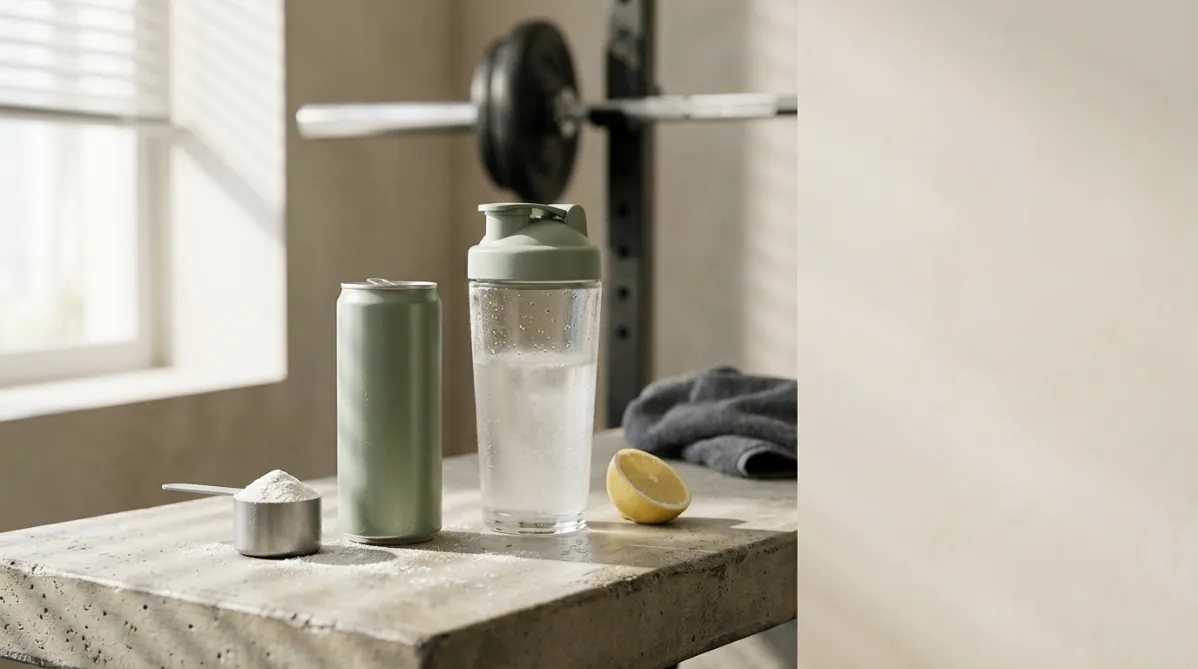
A sleek aluminum energy drink can and a matte scoop of white pre-workout powder sit side by side on a pale concrete gym bench, lit by soft morning window light. The can is slim and minimalist, with a muted sage green label and no legible text. Beside it is a clear glass shaker half full of cloudy, lightly frothy liquid with condensation beading on its surface. A few fine grains of powder are scattered across the bench, catching the light. Behind them, slightly out of focus, a stainless steel barbell rests on a rack, and a folded charcoal gym towel sits at the edge of the frame.

The color palette is warm neutral: oatmeal, soft gray, and sage, with a single accent of pale citrus yellow from a halved lemon wedge placed near the glass. A thin, elegant shadow from the window blinds falls diagonally across the scene, giving it an editorial, magazine-style rhythm. The composition leaves generous negative space on the right third of the frame, a smooth blurred wall in warm off-white, suitable for headline text overlay.

The shot is a low-angle, shallow depth-of-field product-style photograph, as if taken with an 85mm lens at f/2. The foreground objects are tack sharp and the background melts into creamy blur. The mood is calm, clean, and modern, like a wellness or science journal feature. Subtle film grain and gentle contrast add a tactile, contemporary lifestyle feel. There are no people, no logos, and no futuristic or sci-fi elements, just a quiet, considered still life that suggests the choice between a canned drink and a scooped supplement.
nutrition

Tu bebida energética puede funcionar como un pre‑entrenamiento—con un detalle

BY DR. GYMBRO ·

La cafeína y la taurina aparecen juntas en bebidas energéticas y pre‑entrenamientos, pero ¿realmente mejoran el rendimiento? Un meta‑análisis de 11 ensayos aleatorizados (234 participantes) encontró mejoras moderadas en la potencia máxima y en el tiempo hasta el agotamiento, además de una menor percepción del esfuerzo. La frecuencia cardíaca no cambió y el tiempo de reacción resultó demasiado inconsistente como para confiar en él. El inconveniente es que los estudios son pequeños y no pueden demostrar si la taurina aporta algo más allá de la cafeína. Aquí te mostramos qué dicen los datos y a quién conviene pensarlo dos veces.
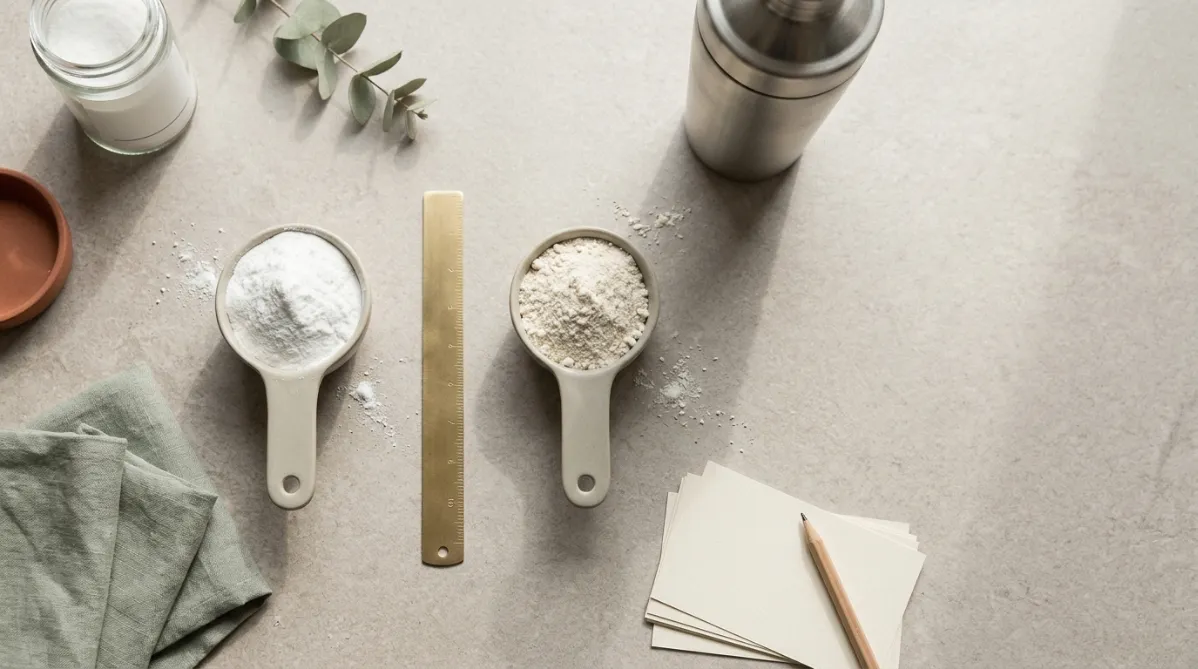
A bright, minimalist flat-lay photograph of two supplement scoops on a pale warm-gray stone surface, shot from directly above in soft natural window light. On the left, a matte ceramic scoop holds fine white creatine monohydrate powder, heaped in a clean mound. On the right, a second scoop of the same shape holds slightly coarser off-white beta-alanine powder, with a small, deliberate gap between the two. Each scoop sits in its own soft shadow, which suggests separation rather than combination. Between them, a thin brushed-brass ruler or a single slim line of fine powder runs across the surface and subtly divides the composition.

Around the scoops, a few restrained props in a muted editorial palette of sage green, cream, terracotta, and soft charcoal: a small glass jar with a minimalist label that has no readable text, a folded linen napkin, a single sprig of eucalyptus, and a stainless-steel shaker bottle softly out of focus in the upper corner. A few loose powder grains are scattered naturally across the stone. A small stack of blank cream index cards with a pencil rests in the lower right, hinting at research and note-taking without any legible writing.

The composition follows a clean rule-of-thirds layout, with generous negative space on the right third for headline overlay. The lighting is gentle and diffused, with long, soft shadows falling to the lower left. The color grading is calm and slightly desaturated, with creamy highlights and a subtle film-like grain. The overall look is a modern wellness and science journal cover, with an airy, trustworthy, contemporary editorial feel, shallow depth of field, and crisp detail on the powders.
nutrition

Creatina + beta‑alanina: el supuesto beneficio del stack que los investigadores no hallaron

BY DR. GYMBRO ·

El combo de creatina y beta‑alanina se promociona como la pareja perfecta para el rendimiento, pero un meta‑análisis de redes con 52 ensayos aleatorizados no encontró sinergia entre ambos. La creatina sola mejoró de forma significativa los resultados de sprint, salto, sprint repetido y resistencia muscular de la parte superior frente al placebo. Los efectos de la beta‑alanina fueron no significativos o dependientes del contexto, y la combinación no aportó nada adicional a la creatina. A continuación, analizamos qué hizo el estudio, sus limitaciones y qué implica para tu presupuesto de suplementos.
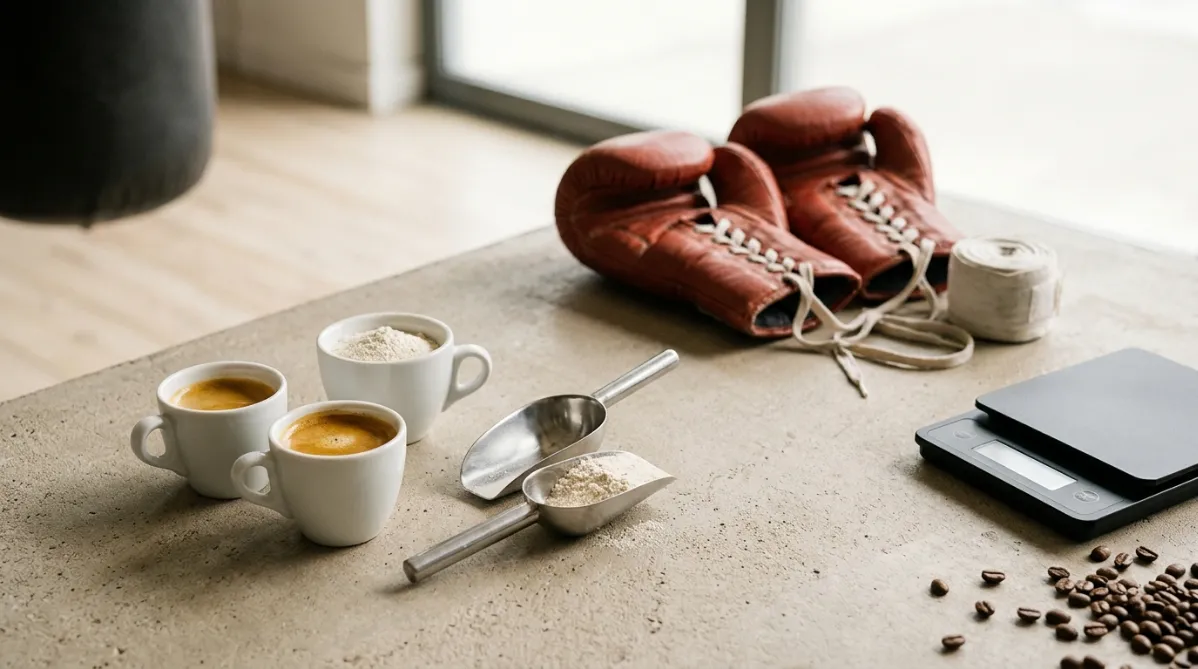
A landscape editorial photograph with a modern, clean magazine feel, shot on a pale warm-gray concrete surface in soft natural window light from the left. In the foreground, two matte white ceramic espresso cups sit side by side. The left cup holds a small amount of dark espresso with golden crema. The right cup is filled twice as high. Beside them, two small stainless steel scoops hold fine coffee-colored powder, one half full and one heaped, suggesting a dose comparison without any text or labels. A pair of worn red leather boxing gloves rests slightly out of focus behind the cups, laces loosely draped, with a white hand wrap rolled neatly beside them. A minimalist digital kitchen scale in matte black sits at the edge of the frame, with a few roasted coffee beans scattered across the surface. In the soft-focus background, a boxing gym corner appears: a hanging heavy bag in muted charcoal, pale wood plank flooring, and a tall window with diffused morning light. The palette is warm cream, espresso brown, brick red, and soft slate gray, with gentle shadows and a shallow depth of field. The composition follows the rule of thirds, with the cups and scoops in the lower left third and open negative space on the right for headline overlay. The look is tactile and refined, like a high-end health and performance journal. It has natural grain, subtle contrast, and a calm, confident mood. There are no people, no text, no logos, and no futuristic elements.
nutrition

Duplicar la dosis de cafeína apenas ayudó a los boxeadores: esto es lo que ocurrió

BY DR. GYMBRO ·

¿Crees que una doble porción de pre‑entrenamiento duplica el rendimiento? Un nuevo estudio cruzado con 15 boxeadores competitivos comparó 3 mg/kg y 6 mg/kg de cafeína, y la dosis mayor no resultó ser consistentemente mejor. Ambas dosis aumentaron la altura del salto y la potencia a los 60 minutos, mientras que 6 mg/kg sólo se adelantó en algunos parámetros, como la potencia del push‑up balístico y el torque de la rodilla. Aquí tienes la tabla de conversión mg‑por‑kg para pesos corporales habituales, el momento en que se observaron los efectos y las advertencias, incluida la ausencia de pruebas de puñetazos.
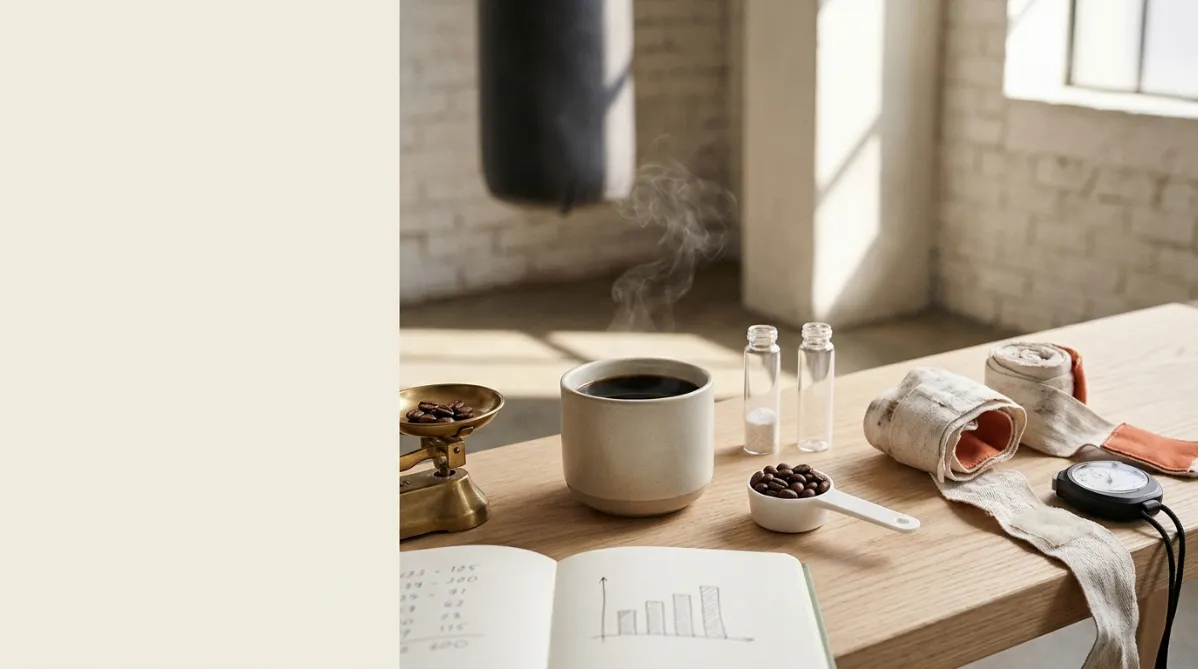
A wide, editorial-style still life shot from a slightly elevated angle on a pale oak gym bench, bathed in soft morning window light. In the center sits a matte ceramic cup of black coffee with delicate steam curling upward, flanked by a small white scoop of coffee beans and two identical glass vials, one filled with a few grains of fine powder and one empty, hinting at dose comparison. Next to the cup rests a pair of worn white boxing hand wraps, loosely coiled, and a slim black stopwatch with its face softly visible. In the foreground, a minimalist notebook lies open with blurred handwritten numbers and a simple pen sketch of a bar graph with bars of equal height, subtle and unreadable, suggesting a null result without any legible text. A small brass kitchen scale sits to the side with a few coffee beans on its tray.

In the soft-focus background, a boxing gym interior is visible: a hanging heavy bag in muted charcoal, exposed brick wall painted off-white, and tall windows casting long diagonal light across the floor. The color palette is warm and restrained: cream, sand, espresso brown, soft charcoal, with a single accent of muted terracotta orange in the hand wraps and a faint sage green in the notebook cover. Shallow depth of field with creamy bokeh, fine film grain, and gentle shadows give it a contemporary lifestyle-magazine and wellness-journal feel. The composition leaves generous negative space on the left third for headline overlay. Clean, calm, trendy, and tactile, with natural textures like wood grain, ceramic glaze, and cotton fabric. No people, no text, no futuristic elements.
science research

Café con baja dosis de cafeína no mejora el sprint en luchadores de élite

BY DR. GYMBRO ·

¿Crees que tu café pre‑entrenamiento está potenciando tus sprints? Un ensayo aleatorizado, doble ciego y cruzado con 15 atletas de combate de nivel nacional no encontró mejora alguna con dosis de cafeína de 1,5 y 3 mg/kg, equivalentes a unos 100 y 200 mg para un deportista de 68 kg. La potencia máxima, la potencia media, el índice de fatiga e incluso las estimaciones de la contribución de los sistemas energéticos no fueron diferentes al café descafeinado. Sin embargo, se trata de un resultado nulo de un estudio pequeño, no de una prueba definitiva de que la cafeína no funcione, y la mayoría de los estudios positivos usan cápsulas de 3–6 mg/kg.
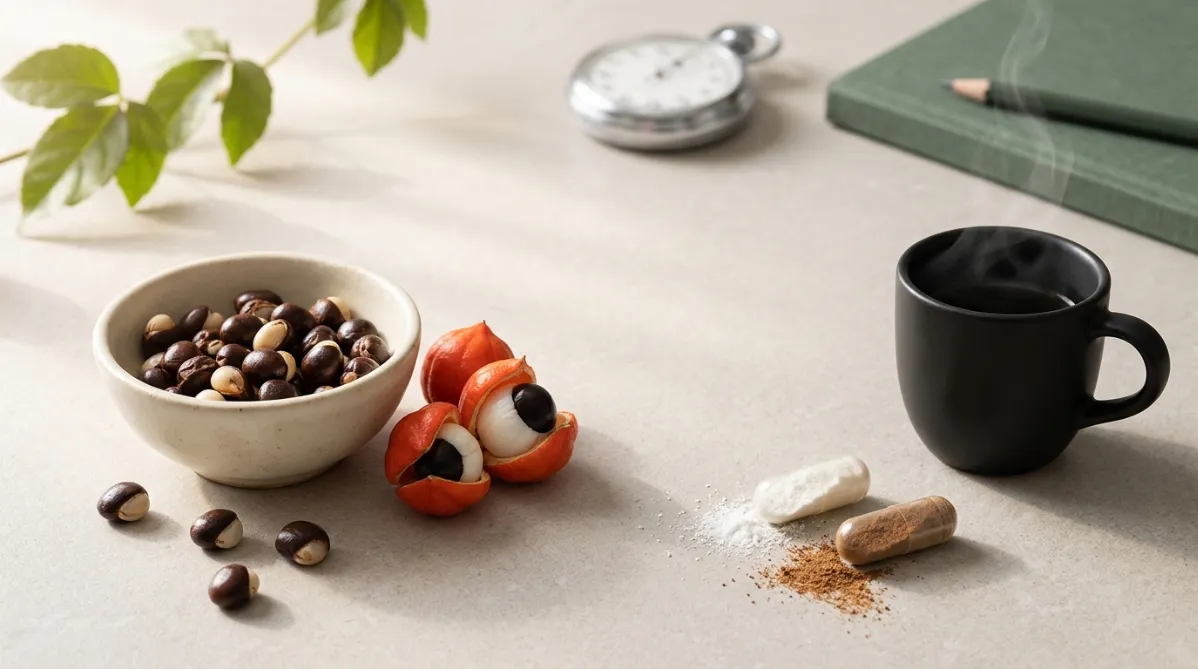
A wide, softly lit editorial flat-lay on a pale warm-gray stone countertop, shot from slightly above. On the left, a small rustic ceramic bowl in matte cream holds a handful of dried guarana seeds, dark glossy brown with pale cream arils, a few spilling onto the surface. Beside it sits a halved fresh guarana fruit in vivid red-orange, split open to show the white flesh and black seed inside, looking like a tiny eye. On the right, two open clear capsules rest side by side. One is filled with fine white caffeine powder, the other with a fine earthy brown guarana powder, and a little of each dusts the stone in delicate, deliberate lines. Between them, a minimalist matte-black espresso cup with a thin ribbon of steam rises on the right edge of the frame. A brushed-steel stopwatch and a slim dark-green linen notebook with a pencil sit in the upper background, slightly out of focus, to hint at performance testing without clutter. A few green leaves of a guarana vine curve in from the top-left corner, catching soft light.

The lighting is natural window light from the left, with gentle long shadows and a subtle warm highlight on the seeds. The palette is muted and modern: warm creams, terracotta red, deep espresso brown, sage green, and charcoal accents. The background is clean with generous negative space on the upper right for headline text. Shallow depth of field, crisp focus on the seeds and capsules, fine grain, and a calm premium magazine look like a contemporary wellness and sports-science journal. No people, no text, no logos, no futuristic elements.
science research

Guaraná vs cafeína: misma dosis, solo el guaraná aumentó la potencia máxima

BY DR. GYMBRO ·

Misma dosis de cafeína, distinta cápsula, y solo el guaraná produjo un aumento estadísticamente significativo de la potencia máxima. En un ensayo cruzado aleatorizado con 18 hombres activos, el guaraná elevó la potencia pico en un 4,0 % frente al placebo, mientras que la cafeína anhidra no alcanzó significación. Sin embargo, el guaraná no superó a la cafeína en la comparación directa y las diferencias entre ambos fueron meramente descriptivas. Aquí se resumen los datos, las limitaciones del estudio y cómo dosificar guaraná según su contenido de cafeína si decides probarlo.
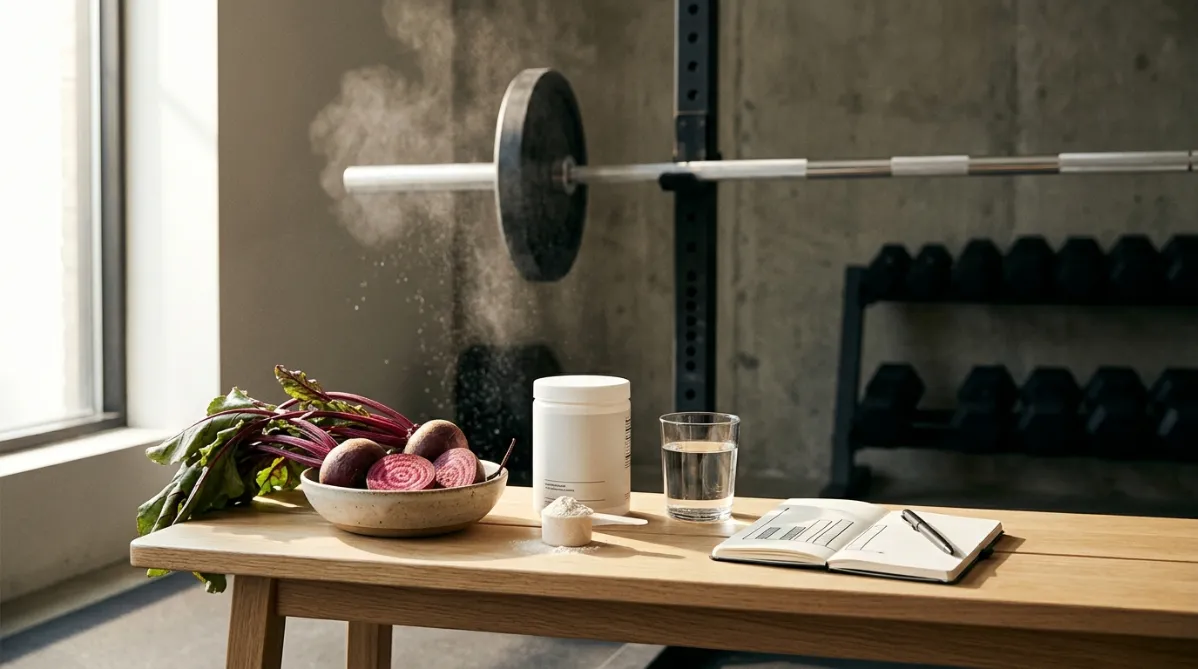
A sun-lit editorial still life on a pale oak gym bench: a loaded barbell rests on a rack just above it, chalk dust drifting in the air. In the foreground sits a small ceramic bowl of roasted beets, some sliced to show their deep magenta rings, with a few whole beets still wearing their leafy burgundy stems. Next to the bowl is a matte white supplement tub with a minimal label, a wooden scoop of fine white powder, and a clear glass of water catching soft highlights. A slim notebook lies open beside them with a simple hand-drawn bar graph and a pen, suggesting data and analysis without any readable text. Behind the bench, a softly blurred minimalist training space: raw concrete wall, tall window with warm morning light, a rack of black dumbbells fading into bokeh. The palette is earthy and modern: beet magenta, warm cream, charcoal, brushed steel, and touches of sage green from the beet leaves. Soft directional light from the left creates long gentle shadows and a slight film-grain texture. Shallow depth of field keeps the beets and powder tack sharp. The composition is wide and balanced, with negative space on the right for headline overlay. The overall feel is a clean, contemporary health and fitness journal photograph, warm and tactile, with an understated scientific tone.
nutrition

La betaina aumentó la potencia del bench throw ~16 % en 14 días

BY DR. GYMBRO ·

Dos semanas de betaina, un compuesto presente en la remolacha y comercializado como TMG, se asociaron a un aumento de aproximadamente un 16 % en la potencia del bench throw en el primer día de una serie de pruebas intensas en hombres entrenados en resistencia. Un ensayo cruzado, aleatorizado y doble ciego también mostró mayor fuerza isométrica en el press de banca, con mejoras menores en la potencia del salto vertical y la fuerza isométrica en sentadilla. Sin embargo, ni el número de repeticiones ni la potencia del salto en cuclillas cambiaron, y el estudio solo incluyó a 12 hombres. Aquí se presentan los datos, la dosis utilizada y qué deben y qué no deben interpretar los levantadores.
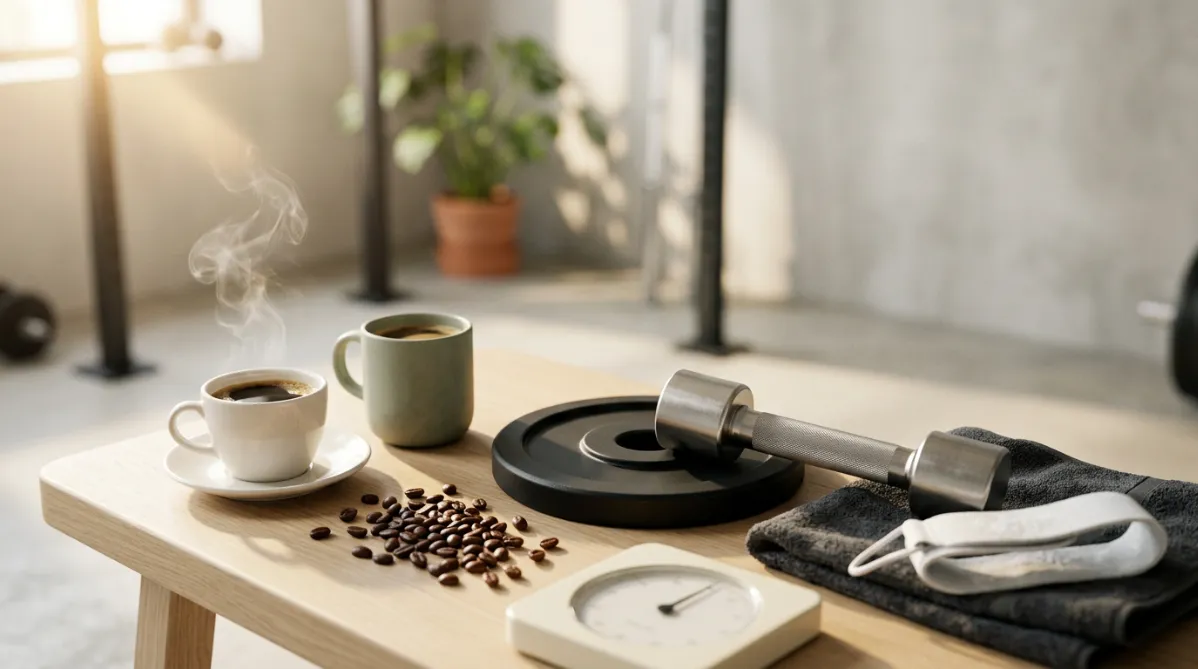
A wide, editorial-style flat lay photographed from slightly above on a pale oak gym bench with a soft matte finish. On the left, a small white ceramic cup of black coffee sits on a matching saucer, with a thin curl of steam rising and catching warm window light. Beside it is a second, slightly larger handleless stoneware mug in muted sage green, also filled with coffee, so the pair suggests one to two cups. In the center-right foreground rests a sleek matte-black steel barbell plate, partly overlapping a brushed-steel dumbbell with fine knurling. A folded charcoal gym towel and a clean white chalk-dusted wrist strap lie casually to one side. A small scatter of whole roasted coffee beans spills across the bench in front of the cups, glossy and deep brown. Near the bottom edge, a minimalist analog kitchen scale in soft cream with a thin black needle hints at precise dosing, without any readable numbers or text.

Soft morning sunlight streams in from the upper left, creating long, gentle shadows and a warm golden glow against cool neutral tones. The background is a softly blurred, airy home gym or boutique training studio with out-of-focus squat rack uprights, pale concrete walls, and a leafy green plant in a terracotta pot adding a touch of organic color. The palette is restrained and modern: warm cream, espresso brown, charcoal, sage green, and hints of brushed silver. Shallow depth of field keeps the cups and beans tack sharp while the background melts into creamy bokeh. The composition leaves generous negative space on the right third for a title overlay, with a balanced, calm, premium magazine feel, like a contemporary wellness and sports science journal. High-resolution, natural color grading, subtle film grain, realistic textures on ceramic, steel, and coffee crema.
nutrition

¿Cuánta cafeína tomar antes de entrenar? Un meta‑análisis muestra que 1‑2 mg/kg siguen siendo eficaces

BY DR. GYMBRO ·

El consejo habitual es consumir entre 3 y 6 mg/kg de café antes de entrenar, lo que equivale a varias tazas o a una generosa cucharada de pre‑entrenamiento. Un meta‑análisis publicado en 2022, que revisó 12 ensayos, encontró que dosis tan bajas como 0,9‑2 mg/kg también mejoran la fuerza muscular (d ≈ 0,17), la resistencia (d ≈ 0,21) y la velocidad media de la barra (d ≈ 0,56). Para muchos levantadores, eso representa de una a dos tazas de café. Los efectos son modestos y provienen de estudios agudos de una sola sesión, pero los resultados sugieren que se puede obtener un beneficio similar con menos cafeína.
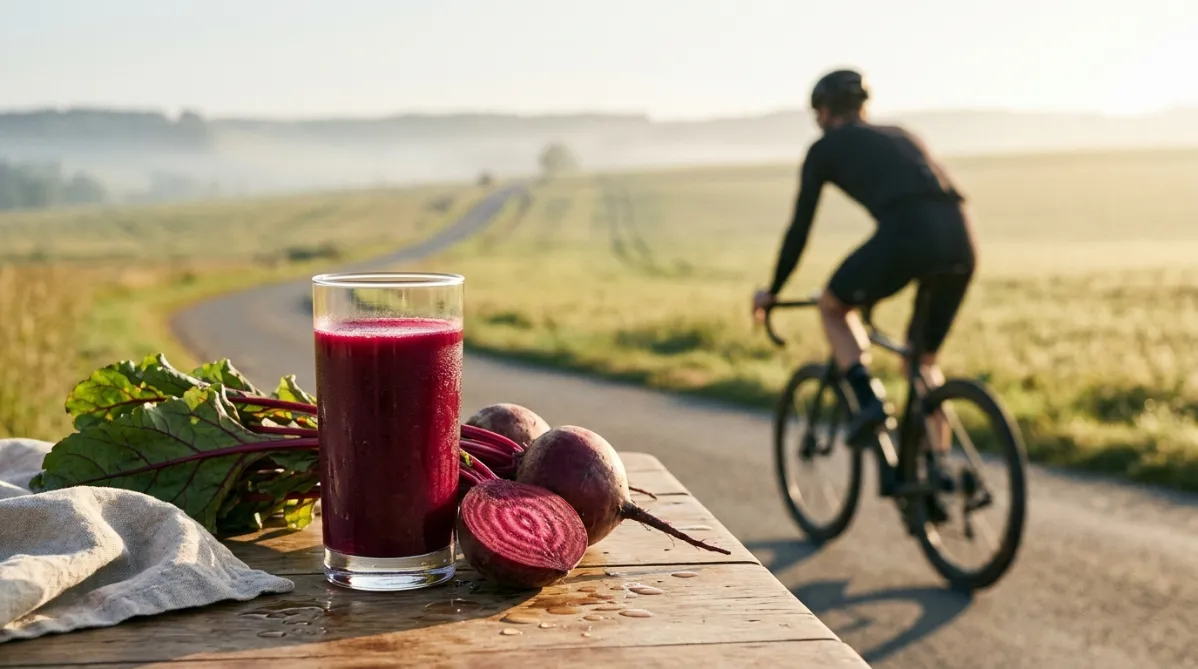
A cyclist in a fitted matte-black kit, shot from a low three-quarter angle, rides a sunlit country road at early morning, slightly out of focus with soft motion blur on the wheels. In the foreground on the left sits a rustic wooden table with a tall glass of deep magenta beetroot juice. Condensation beads on the glass, and the light catches its vivid jewel-toned color. Beside it lie two whole beetroots with their leafy red-veined greens still attached, and one halved beet shows concentric crimson-and-pink rings. A small linen napkin and a scatter of water droplets add an editorial still-life feel.

The background is a gently rolling landscape with golden-green fields and a thin ribbon of asphalt curving toward the horizon. Pale mist hangs low and warm sunlight comes from the right, creating long soft shadows and a golden rim light on the glass and the cyclist's silhouette. The shallow depth of field keeps the juice and beets crisp while the rider stays a dreamy blurred suggestion of speed.

The palette is rich magenta, burgundy, warm cream, sage green, and soft gold, with muted, slightly desaturated tones in the background so the beetroot color stands out. The composition follows the rule of thirds, with the still-life in the lower left third and open negative space in the upper right for the title. The overall look is a clean, modern lifestyle-magazine photograph with natural film-like grain, calm and athletic, and no text, logos, or futuristic elements.
nutrition

Jugo de remolacha antes de una prueba contrarreloj: cómo 0,5 L redujo los tiempos en recorridos de 4 km y 16,1 km en casi un 3 %

BY DR. GYMBRO ·

Un pequeño pero influyente ensayo cruzado de 2011 investigó si una sola ingesta de jugo de remolacha podía acelerar las pruebas contrarreloj reales. Nueve ciclistas competitivos masculinos bebieron 0,5 L de jugo rico en nitrato (≈ 6,2 mmol) unas 2,5 h antes de la carrera. El nitrito plasmático se duplicó, la potencia media aumentó y los tiempos de 4 km y 16,1 km mejoraron en 2,8 % y 2,7 % respectivamente. Lo crucial es que el consumo de oxígeno se mantuvo igual, lo que sugiere una mejora de la economía ciclista más que un aumento de la capacidad aeróbica.
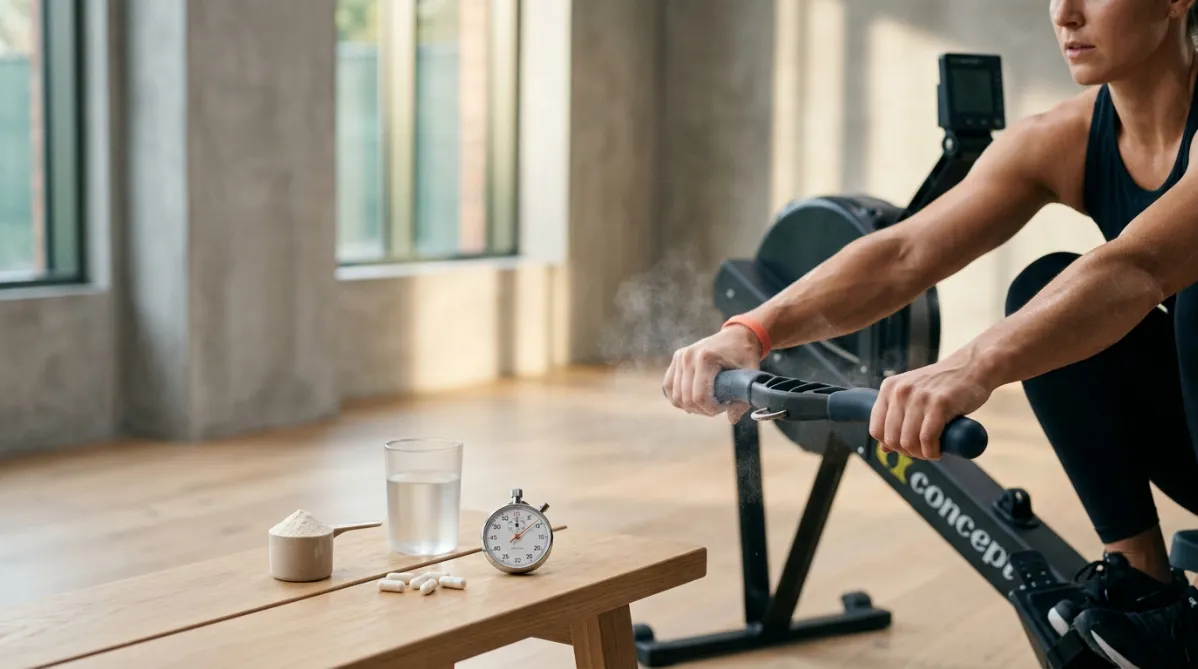
A wide, minimalist editorial scene of an athlete's hands and forearms gripping the handles of a rowing ergometer, shot in soft natural light from a large window in a clean, airy training studio. The athlete is mid-pull, forearm muscles subtly defined, a light sheen of sweat on the skin, chalk dust floating in the air. In the foreground on a pale oak bench sits a small ceramic scoop of fine white powder beside a matte glass of water, with a few loose white capsules arranged neatly in a gentle curve. A minimalist analog stopwatch with a clean white face lies next to them, its hand paused near the two-minute mark.

The color palette is calm and modern: warm off-white, soft sand, muted sage green, and a single accent of coral orange in the stopwatch hand and the rower's wristband. The background is softly blurred concrete and pale wood with long, gentle shadows stretching across the floor. Shallow depth of field keeps the hands, powder, and stopwatch crisp while the rest dissolves into creamy bokeh.

Composition follows the rule of thirds: the rowing handles and hands occupy the right third, the bench still life sits in the lower left, and open negative space in the upper left leaves room for a title overlay. The mood is focused, quiet, and intentional, like a high-end health and science journal feature. Fine film grain, subtle matte finish, editorial photography style, natural color grading, and no text or logos.
nutrition

¿Funciona la Beta‑Alanina? Un Meta‑análisis Dice que Sí para Esfuerzos de 60–240 Segundos

BY DR. GYMBRO ·

La beta‑alanina se ha promocionado durante años como la estrategia para combatir la “quemadura” del ejercicio intenso, pero ¿cumple lo que promete? Un meta‑análisis que recopiló 15 estudios y 360 participantes halló un beneficio real, aunque modesto, con un aumento medio estimado del 2,85 %. El efecto fue más evidente en esfuerzos de entre 60 y 240 s, disminuyó más allá de los cuatro minutos y no se observó en sprints de menos de un minuto. El artículo también analiza la estrategia de carga habitual de 3,2–6,4 g diarios durante al menos cuatro semanas, cómo repartir las dosis ayuda a reducir el hormigueo y qué deportistas son los que más pueden ganar.

This page is available in