Hydrogen Water Made Elite Swimmers 0.6% Faster. Here's the Catch
A glass of water with dissolved hydrogen gas made national-level finswimmers 0.6% faster over 400 m in a double-blind crossover trial. That sounds tiny, but at the elite level it can decide podiums. The same protocol did nothing for repeated 50-m sprints, blood lactate, perceived exertion, or oxidative stress, leaving the mechanism a mystery. Here is the exact dose, who might benefit, and why you should treat this small 12-athlete study with caution.
Caffeine's Sprint Boost Lasted 3.5 Hours—and Sprints Hurt Less
One big dose of caffeine may not fade after your first set. In a new study from the University of Tsukuba, 5.5 mg/kg taken about an hour before exercise kept repeated-sprint power elevated for up to 3.5 hours. Sprints also felt less painful and less taxing. The gains were modest (0.5-3.7%) and came from just 12 people. They also came with a higher heart rate and lower brain blood flow velocity, so here's what the dose looks like and who it might help.
Caffeine Made Soccer Players Faster, But Not at Reacting
Everyone assumes caffeine makes athletes sharper all around, but a new double-blind trial in amateur soccer players tells a more nuanced story. A 300 mg dose (about 3.7 mg/kg) improved planned agility with an effect size of 0.62 and also boosted jump performance. But when players had to react to a light or a human opponent, the benefits were small or not statistically significant. Here is what the study found, how to read the results, and who might actually benefit.

Caffeine in Thin Air: The Endurance Boost Hypoxia Can't Erase
Thin air wrecks endurance, but a new meta-analysis suggests caffeine can claw some of it back. Pooling nine placebo-controlled crossover studies (117 participants), researchers found a moderate-to-large performance boost in hypoxia (g = 0.76). The surprise is that oxygen saturation and perceived exertion didn't change, while heart rate, lactate, and ventilation went up. The evidence is rated low certainty and only 19 participants were women, so this is promising rather than proven. Here's who stands to benefit, who should skip it, and how to think about dose and timing.
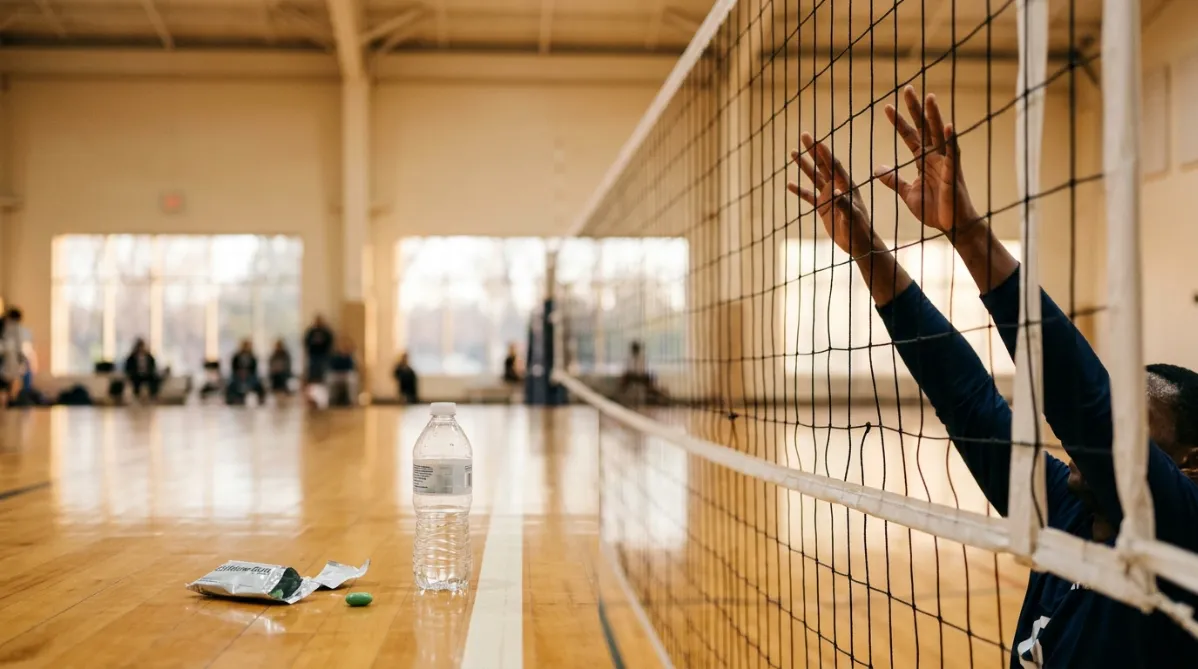
Fatigue Slowed Reactions 18%. Caffeine Gum Held It to 3%
After a brutal repeated-blocking fatigue protocol, elite volleyball players on placebo got 18.4% slower in their reactive blocking sequence. With 6 mg/kg caffeine gum, the slowdown was just 3.0%, and 3 mg/kg landed at 6.4%. Block-jump power and drop-jump stiffness also held up better with caffeine. But the study had only 15 athletes, blinding was incomplete, side effects were more common at the higher dose, and no single best dose was established. Here's what the numbers mean in real milligrams and who might actually benefit.
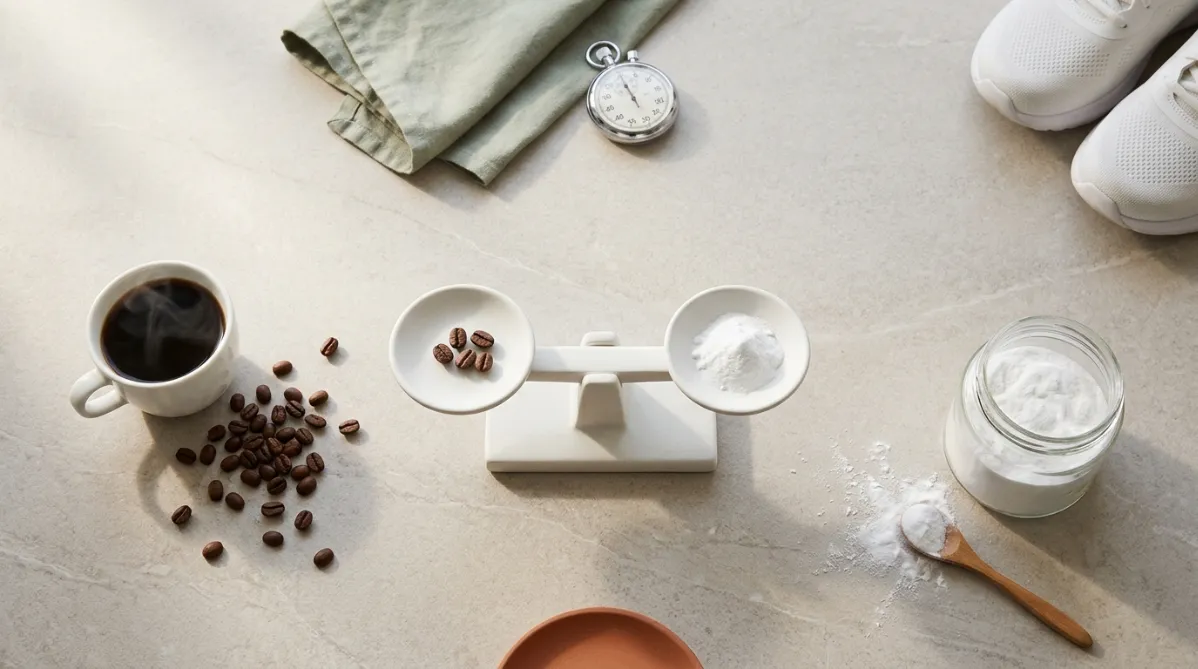
Caffeine + Baking Soda Stack: Does It Beat Either Alone?
Stacking two proven ergogenic aids sounds like a guaranteed win, but a new meta-analysis of 13 crossover trials says the math isn't that simple. Compared with placebo, caffeine plus sodium bicarbonate added about 8.4 W of mean power and shaved roughly 1.6% off time-trial times. Those results fell apart when single studies were removed, and the stack did not beat caffeine or bicarbonate alone. Here is what the data show, what the typical doses look like, and who should bother with the combo.
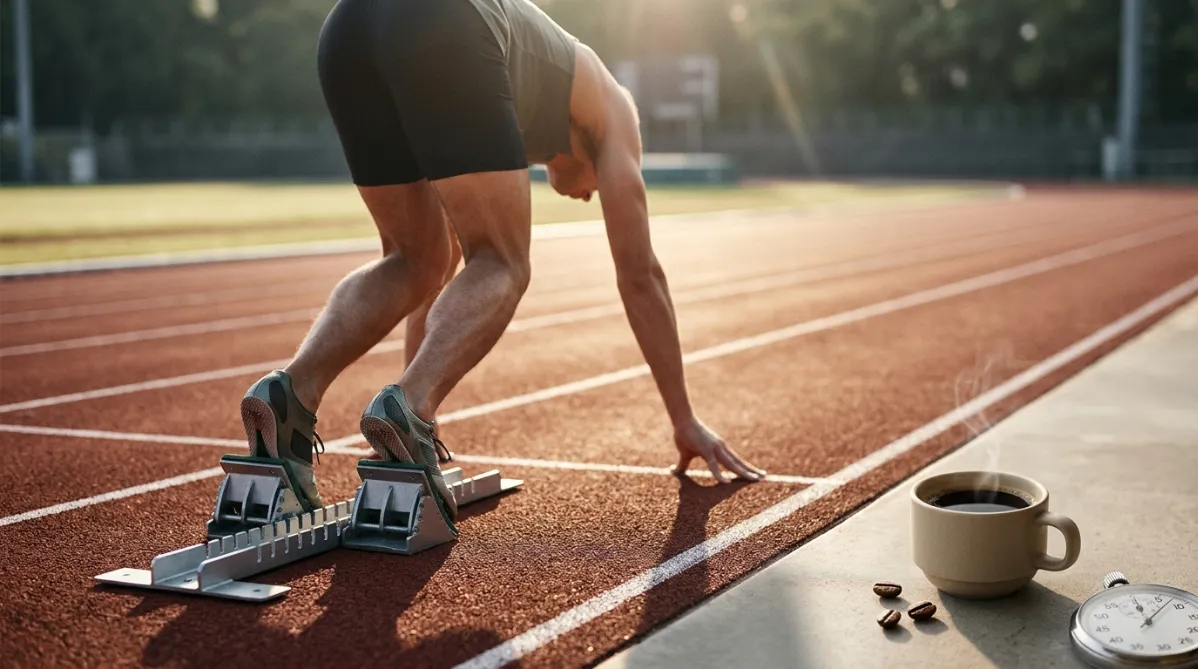
Double the Caffeine, Faster Sprints? What 6 mg/kg Really Added
A new randomized, double-blind crossover trial pitted 3 mg/kg against 6 mg/kg of caffeine in 21 trained male sprinters. Both doses beat placebo, but the higher dose added extra speed only over the first 30 and 60 m, not at 10 m. It also gave extra benefit for jump height and block force development, yet nothing more for reaction time or Wingate peak power. Here is what the doses mean in milligrams for a 70 to 80 kg athlete, when to take them, who the evidence applies to, and what the study does not tell us about side effects.

Fake Caffeine Still Made Athletes Stronger and Faster
What if part of your pre-workout kick is coming from your head and not the scoop? A 2026 meta-analysis of 17 studies found that a placebo athletes believed was caffeine still improved sport performance (d = 0.49), across bench press, cycling time-trials and repeated sprints. Effects were larger when researchers were blinded and in studies with more females, though the evidence is low certainty with high risk of bias. This is no reason to skip real caffeine at 3-6 mg/kg, but it is a reminder that expectation is a performance variable. Here's what the data say, and who should be cautious.
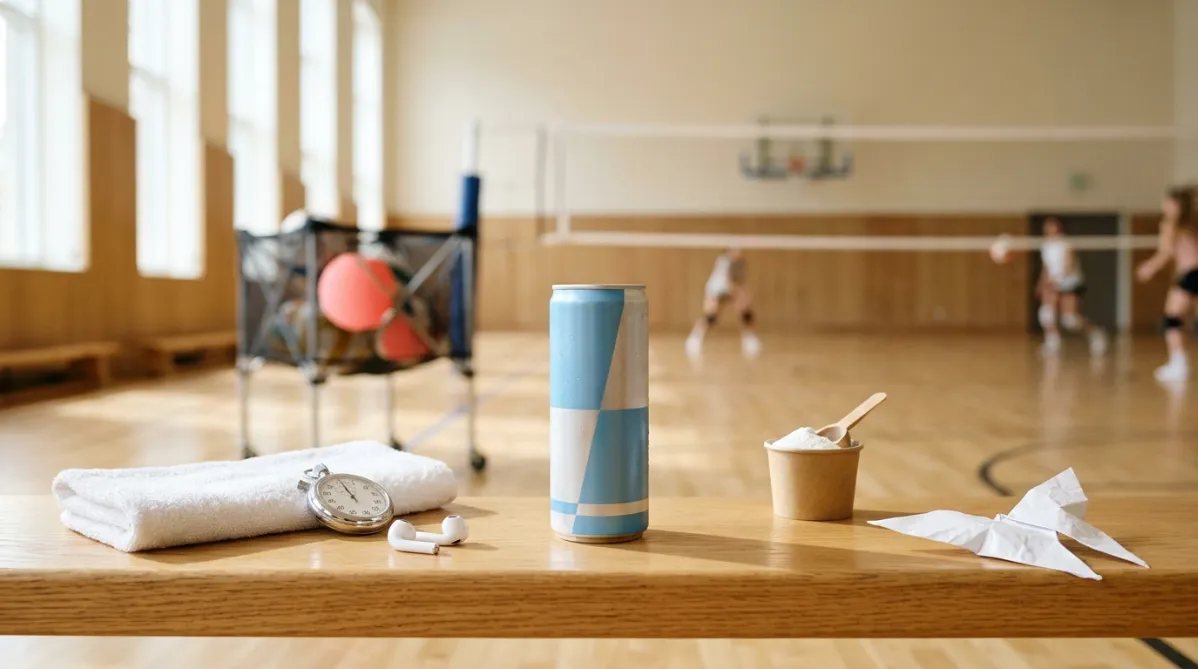
Does Red Bull Give You Wings? 13 Gym Tests Found Nothing
Red Bull's slogan promises wings, but a new crossover trial in female volleyball players found none. One standard can failed to improve any of 13 measures across Wingate, jump, and handgrip tests compared with a placebo. Eight of the 15 athletes also reported mild nausea. The likely reason is that the can delivered only about 1.1 mg/kg of caffeine, well below the 3 to 6 mg/kg commonly cited as effective. Here's what the study shows, where its limits lie, and how to dose caffeine properly.
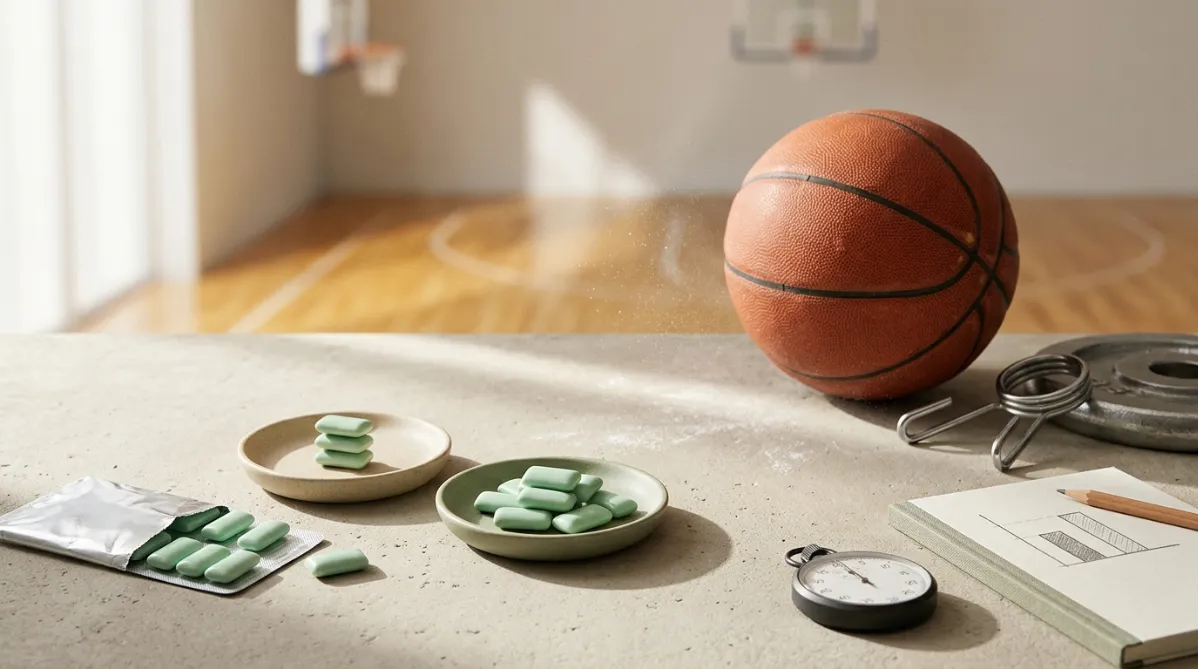
Caffeine Gum and Same-Day Performance: Why 3 mg/kg Matched 6
A new crossover trial in basketball players found that caffeine gum at 3 mg/kg improved same-day strength, power, sprint speed, and reactive agility about as much as a 6 mg/kg dose. Both doses also raised barbell velocity during heavy squat priming. By 24 and 48 hours, though, the benefit was gone. The study had no baseline testing and no caffeine-only arm, so the results need careful reading. Here is what it means for dose, timing, and who might benefit.
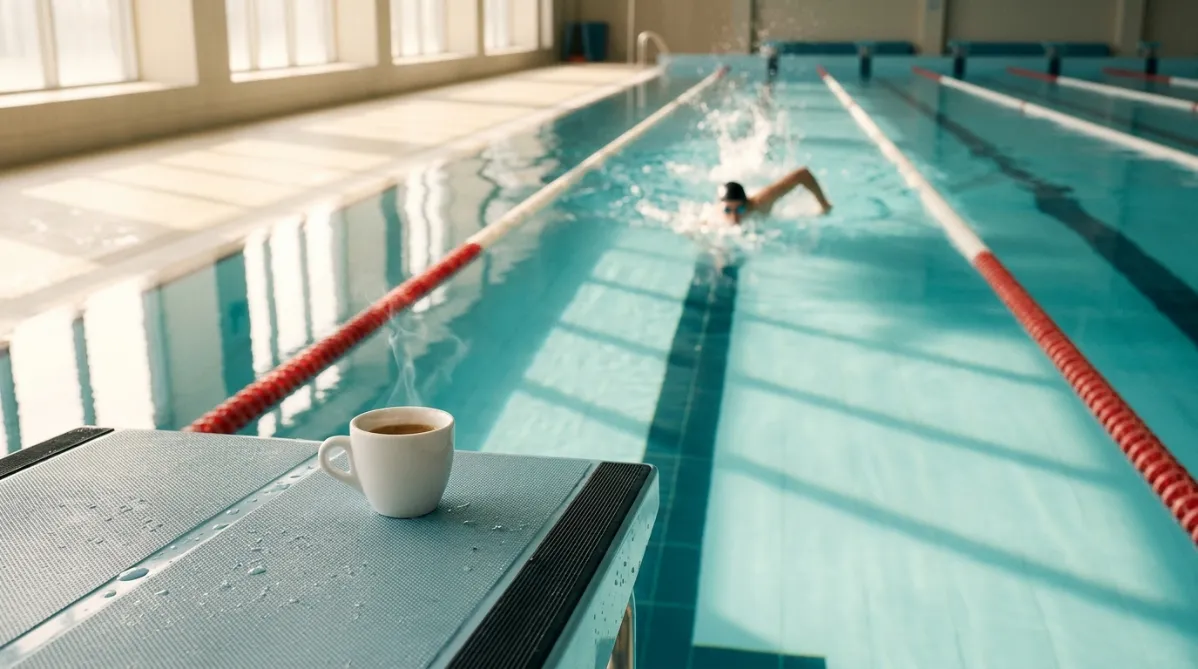
Caffeine Makes Swimmers Faster, But by Less Than You'd Think
Swimmers have swigged coffee before races for years, but does it actually make them faster? A new multilevel meta-analysis of 13 crossover trials puts the gain at about 1.7%, a meaningful margin in a sport decided by hundredths of a second. The surprise is in the details: the clearest benefit appeared at 6 mg/kg or more, while lower doses did not show a convincing effect. Caffeine also raised post-race blood lactate, and results varied widely between studies. Here is what the evidence supports and what it leaves open.
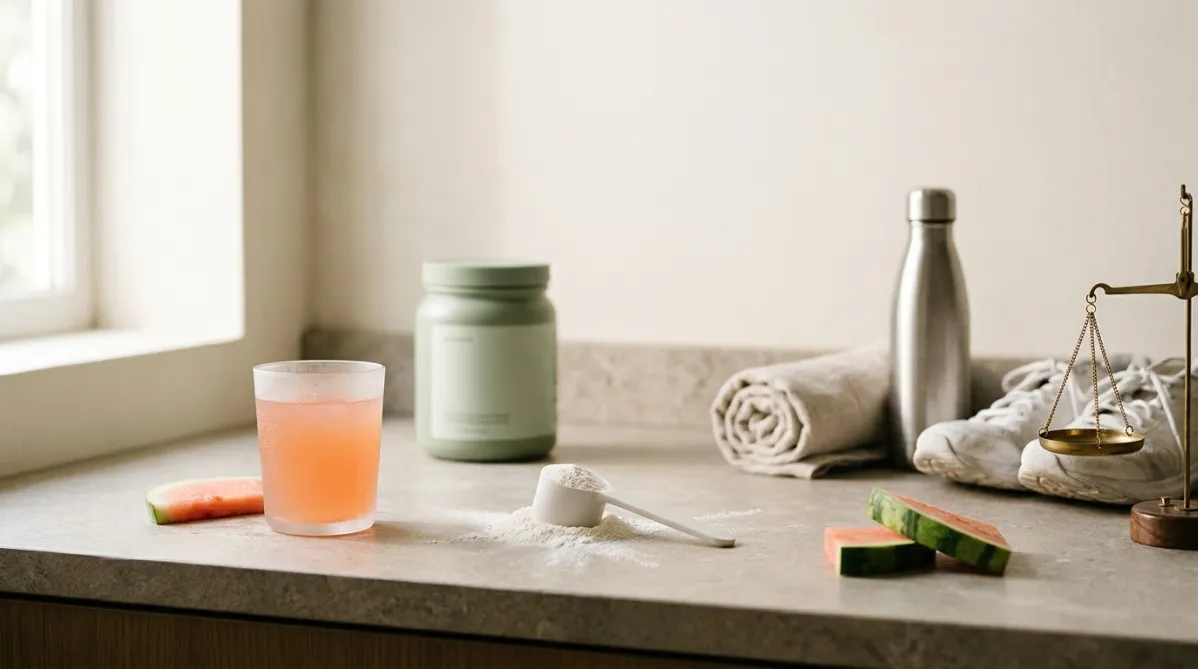
Citrulline Malate: Hype or Help? 30 Trials Say Barely
Citrulline malate is a staple of pre-workout tubs, but how much does it really do? A new three-level meta-analysis of 30 randomized trials and 644 people found only a small overall performance boost (Hedges' g = 0.16). Prediction intervals were wide, GRADE certainty was low to very low, and perceived exertion didn't budge. Acute dosing looked steadier than chronic, and aerobic and short anaerobic signals appeared, but they weren't robust. Here's what that means for dose, timing, and whether you should bother.
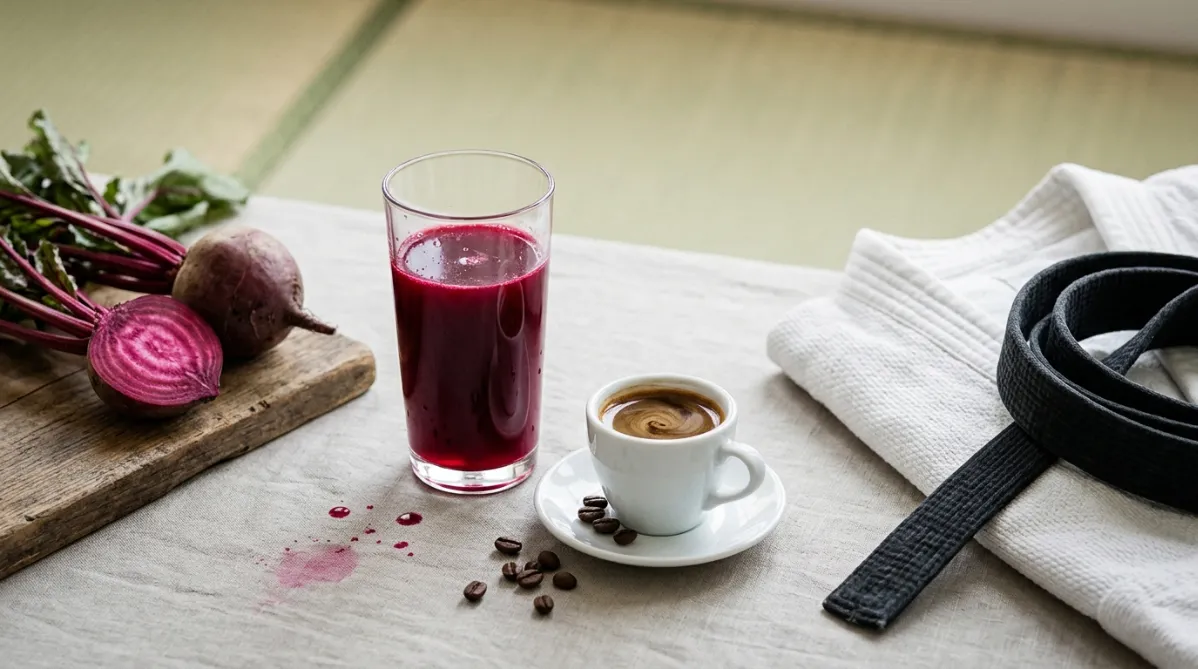
Beet Juice + Caffeine: The Judo Trick That Beat Caffeine Alone
Caffeine is the go-to pre-fight boost, but a new randomized trial in 35 judo athletes suggests its edge fades by the fifth bout of a simulated competition day. Beetroot juice did the opposite and helped late, while the combination covered both early and late performance. In trial 5, both beet juice and the combo beat caffeine alone on judo-specific fitness, neuromuscular function and cognition. Here is what the study found, who it may help, who should be careful, and what the abstract does not tell us.
Baking Soda Cut 32 Seconds Off Women's 10Ks—Here's the Catch
A cheap pantry-style compound just improved 10K times in recreational women runners, and the stomach-upset problem that usually ruins it barely showed up. In a double-blind crossover trial, 21 women ran about 32 seconds faster after sodium bicarbonate. The trick was pairing it with a carb-rich meal 90 minutes before the run. Here's the dose, the timing, who it fits, and who should think twice.

Paraxanthine vs Caffeine: The Combo That Won, and the Sleep-Saver
Paraxanthine, caffeine's main metabolite, just went head-to-head with caffeine in a trial of 14 rowers. The combo of 200 mg each beat placebo on a 2000-m row, but only with a small effect (d = 0.30). Neither compound alone clearly improved performance. Paraxanthine alone, however, looked friendlier to subjective sleep. Here are the numbers, the limits, and who might actually benefit.
Coffee Cherry Extract: 200 mg Caffeine Lifted Cycling Output 4.6%
A low 200 mg caffeine dose from whole coffee cherry extract helped trained cyclists produce 4.6% more work in a 15-minute time trial. But the popular idea that it speeds up glycogen refuelling didn't hold up. This randomized, double-blind crossover trial involved just 12 cyclists and was industry-funded, with no plain-caffeine comparison group. Here's what the data show, what they don't, and who might want to try it.
Your Energy Drink May Work Like a Pre-Workout—With One Catch
Caffeine and taurine sit side by side in energy drinks and pre-workouts, but does the pair actually boost performance? A new meta-analysis of 11 randomized trials (234 participants) found moderate improvements in peak power and time to exhaustion, plus lower perceived effort. Heart rate didn't budge, and the reaction-time result was too inconsistent to trust. The catch is that the studies were small and can't show whether taurine adds anything beyond caffeine. Here's what the data say, and who should think twice.
Creatine + Beta-Alanine: The Stack Bonus Researchers Couldn't Find
The creatine plus beta-alanine stack is marketed as a performance power couple, but a new network meta-analysis of 52 randomized trials found no synergy between them. Creatine alone significantly improved sprint, jump, repeated-sprint and upper-body endurance outcomes versus placebo. Beta-alanine's effects were non-significant or context-specific, and the combo added nothing beyond creatine. Here's what the study did, where it falls short, and what it means for your supplement budget.
Doubling Your Caffeine Barely Helped Boxers—Here's What Did
Think a double scoop of pre-workout means double the performance? A new crossover trial in 15 competitive boxers compared 3 mg/kg and 6 mg/kg of caffeine, and the bigger dose was not consistently better. Both doses raised jump height and power at 60 minutes, while 6 mg/kg only pulled ahead on a few outcomes like ballistic push-up power and knee torque. Here is the mg-per-kg conversion for common body weights, the timing the data supports, and the honest caveats, including that punching itself was never tested.
Low-Dose Caffeine Coffee Gave Elite Fighters Zero Sprint Boost
Think your pre-workout coffee is supercharging your sprints? A new randomized, double-blind crossover trial in 15 national-level combat athletes found no performance benefit from caffeine doses of 1.5 and 3 mg/kg, about 100 and 200 mg for a 68 kg athlete. Peak power, mean power, fatigue index and even estimated energy system contributions did not differ from decaf. But this is a small null result, not proof that caffeine fails, and most positive studies use capsules at 3–6 mg/kg. Here is the dose math, the caveats and what to actually do before your next hard session.
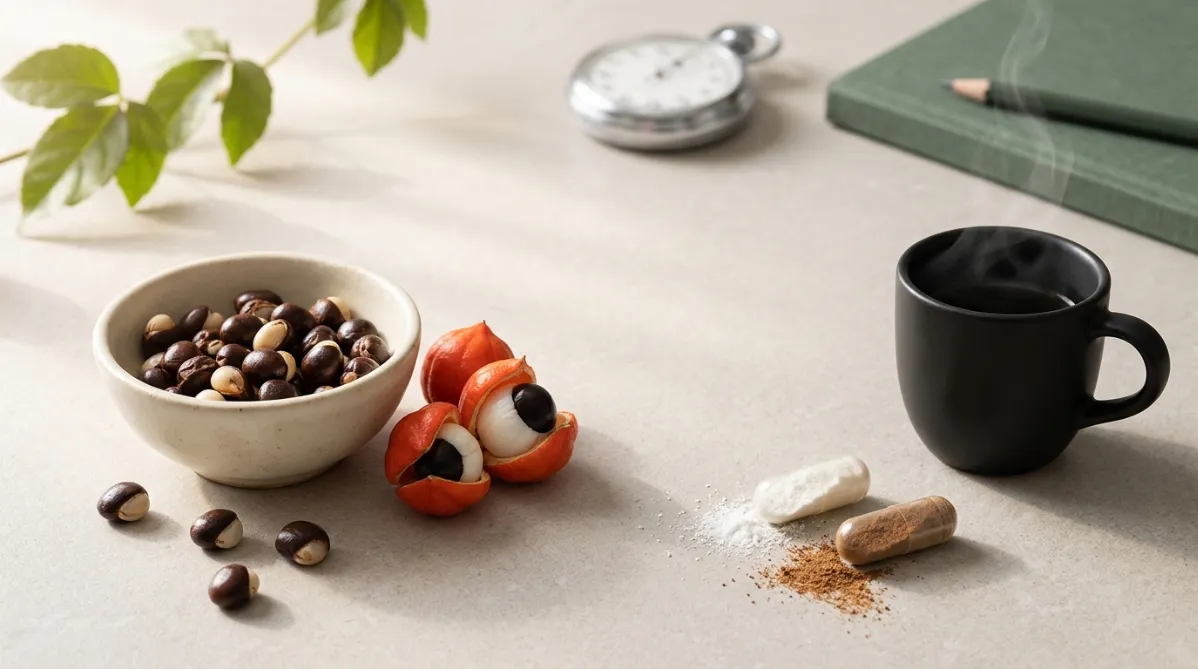
Guarana vs Caffeine: Same Dose, Only Guarana Lifted Peak Power
Same caffeine dose, different capsule, and only guarana produced a statistically significant boost in peak power. In a randomized crossover trial of 18 active men, guarana raised peak power output by 4.0% over placebo while anhydrous caffeine did not reach significance. But here's the catch: guarana didn't significantly beat caffeine head-to-head, and the differences between them were only descriptive. Here's what the numbers show, where the study falls short, and how to dose guarana by caffeine content if you want to try it.
Betaine Raised Bench Throw Power ~16% in 14 Days
Two weeks of betaine, a compound found in beets and sold as TMG, was linked to roughly 16% higher bench throw power on day one of a hard testing block in resistance-trained men. A randomized, double-blind crossover trial also found higher isometric bench press force, with smaller improvements in vertical jump power and isometric squat force. But reps and jump squat power did not budge, and the study included just 12 men. Here's what the data show, the dose used, and what lifters should and shouldn't take from it.
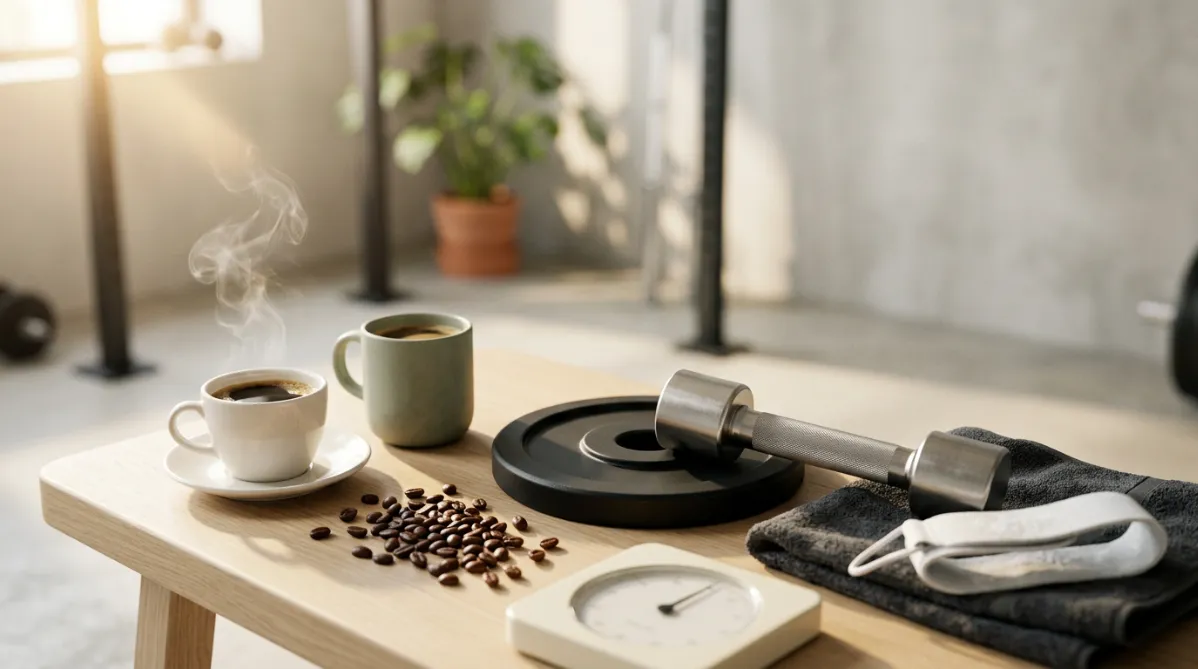
How Much Caffeine Before Lifting? A Meta-Analysis Says 1–2 mg/kg Still Works
The standard advice for caffeine before lifting is 3–6 mg/kg, which can mean several cups of coffee or a heavy scoop of pre-workout. A 2022 meta-analysis of 12 trials found that doses of just 0.9–2 mg/kg still improved muscular strength (d ≈ 0.17), muscular endurance (d ≈ 0.21), and mean bar velocity (d ≈ 0.56). For many lifters, that's about one to two cups of coffee. The effects are modest and the evidence comes from acute, single-session studies, but the findings suggest you may be able to get a similar benefit with less caffeine.
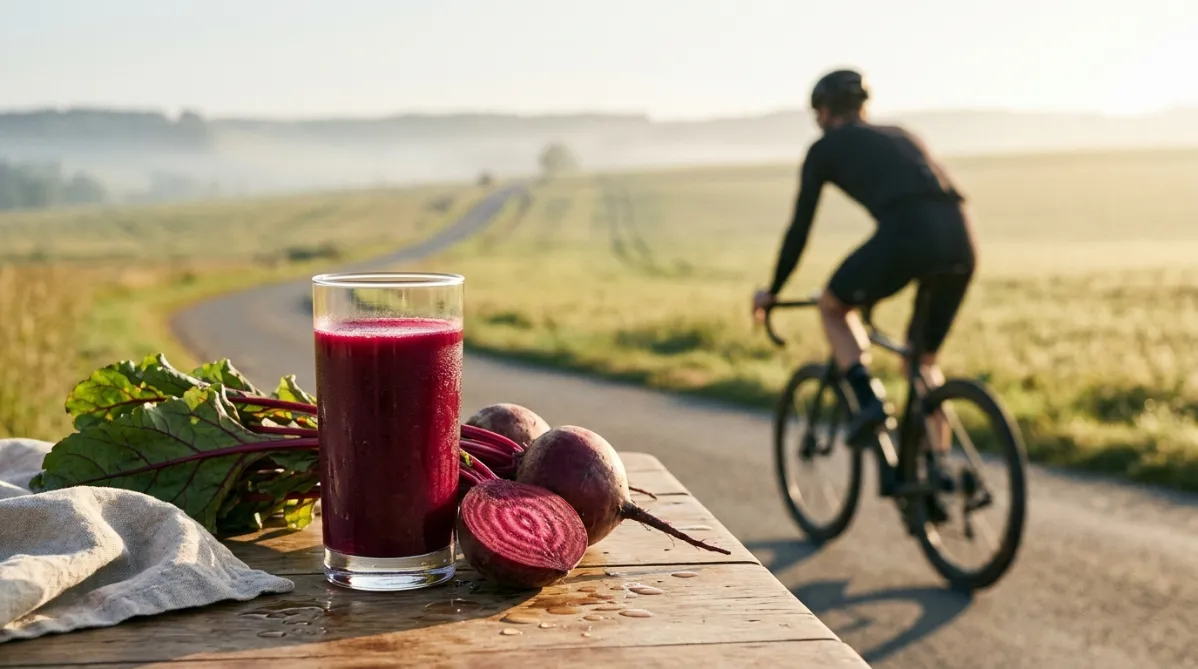
Beetroot Juice Before a Time Trial: How 0.5 L Cut 4-km and 16.1-km Cycling Times by Nearly 3%
A small but influential 2011 crossover trial tested whether a single drink of beetroot juice could speed up real cycling time trials. Nine competitive male cyclists drank 0.5 L of nitrate-rich juice (about 6.2 mmol nitrate) roughly 2.5 hours before racing. Plasma nitrite more than doubled, mean power rose, and 4-km and 16.1-km times improved by 2.8% and 2.7%. Crucially, oxygen uptake stayed the same, pointing to better cycling economy rather than a bigger aerobic engine. Here is the protocol, the numbers, and the limits of what the data can tell us.
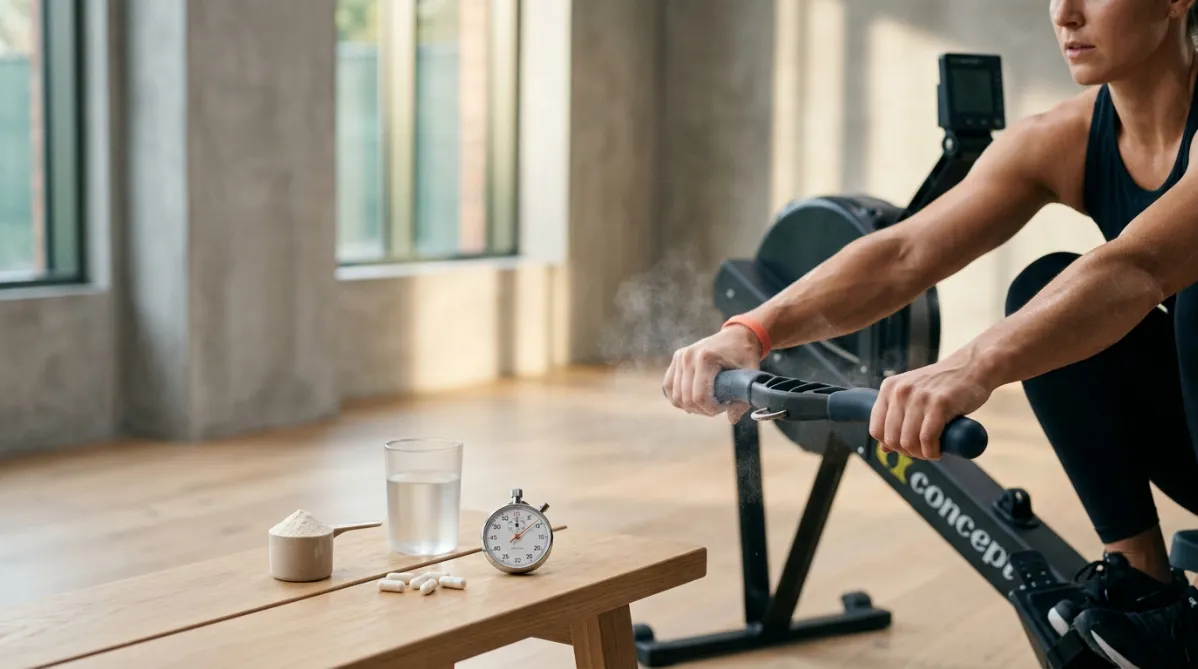
Does Beta-Alanine Work? A Meta-Analysis Says Yes for Efforts Lasting 60–240 Seconds
Beta-alanine has long been marketed as a way to push back against the burn of hard exercise, but does it deliver? A meta-analysis of 15 studies and 360 participants found a real but modest benefit, with an estimated median gain of 2.85%. The effect was clearest for efforts lasting 60–240 seconds, was smaller beyond four minutes, and did not appear for sprints under a minute. The article also covers the commonly used loading approach of 3.2–6.4 g per day for four or more weeks, how splitting doses can reduce tingling, and which athletes stand to gain most.