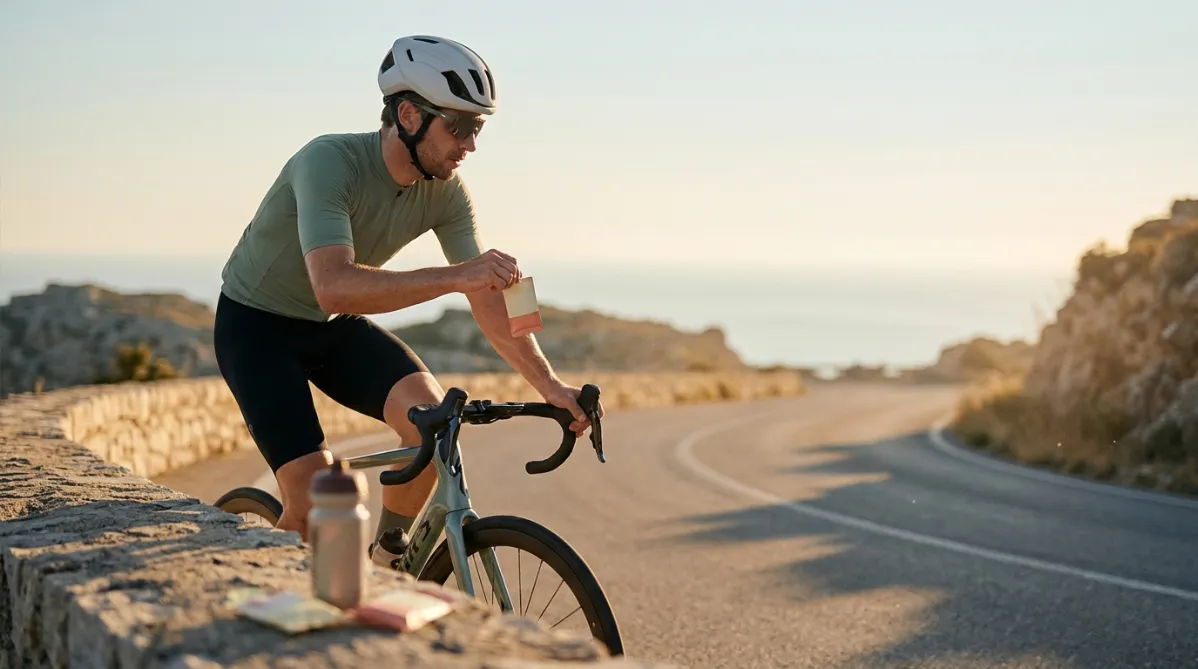
Bicarb Gels Mid-Ride Added 12 W Late in a 3-Hour Cycling Test
What if the best time to take bicarbonate isn't before the race, but during it? A new randomized crossover trial in 11 trained cyclists tested bicarbonate-plus-carb gels across 3 hours of riding. In the fatigued state afterward, 12-minute time-trial power was 12 W higher than with carbs alone, and stomach symptoms didn't differ. But sprints and 2-minute efforts showed no significant gain, the sample was tiny, and the products came from MNSTRY. Here's what the numbers really say.
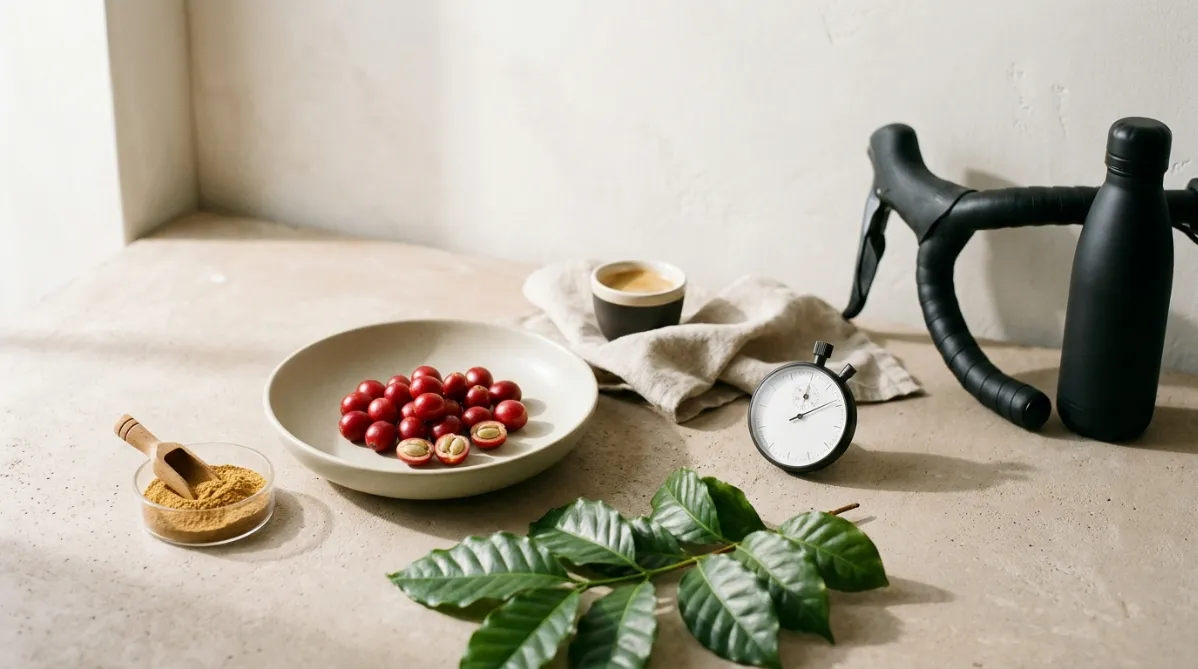
Coffee Cherry Extract: 200 mg Caffeine Lifted Cycling Output 4.6%
A low 200 mg caffeine dose from whole coffee cherry extract helped trained cyclists produce 4.6% more work in a 15-minute time trial. But the popular idea that it speeds up glycogen refuelling didn't hold up. This randomized, double-blind crossover trial involved just 12 cyclists and was industry-funded, with no plain-caffeine comparison group. Here's what the data show, what they don't, and who might want to try it.
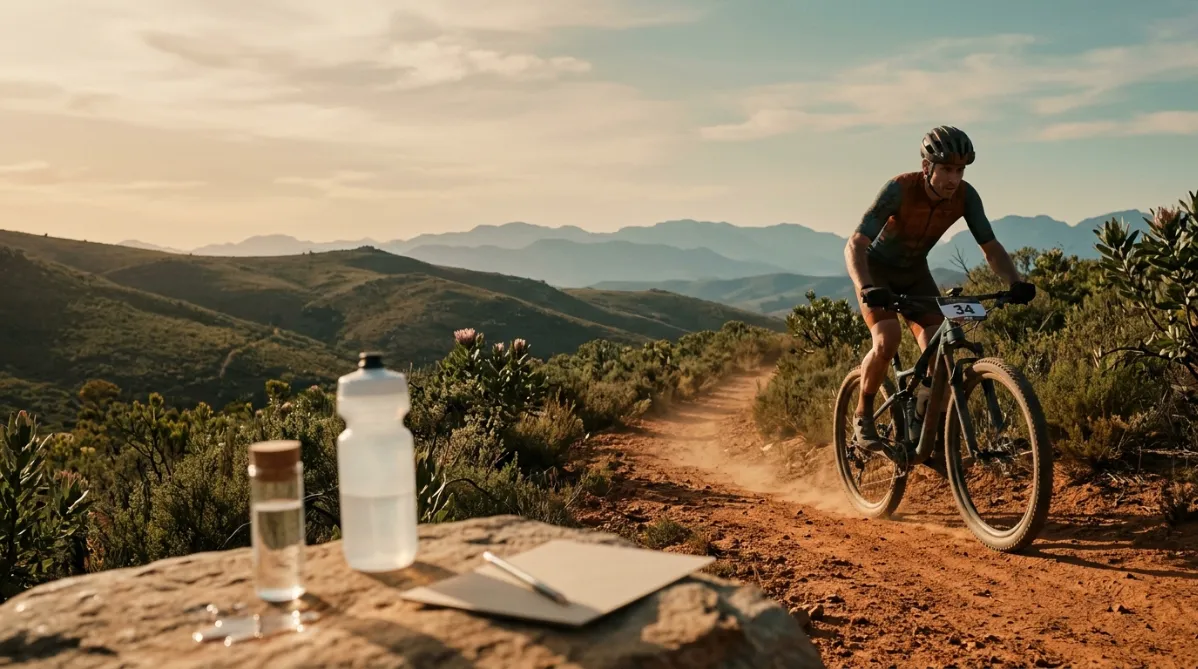
Ketone IQ Raised Ketones at Cape Epic, But Did Nothing Else
Riders at the 8-day Cape Epic drank Ketone IQ twice a day and hit about 1 mM blood ketones, yet their fatigue, heart rate, reaction time and recovery looked the same as placebo riders. The double-blind trial tested R-1,3-butanediol in real racing conditions rather than a lab. The authors say the modest ketosis was not effective, and that butanediol should not be confused with ketone esters. With only 18 riders, the study has real limits, but it is a sobering data point for anyone considering a pricey ketone drink for recovery.
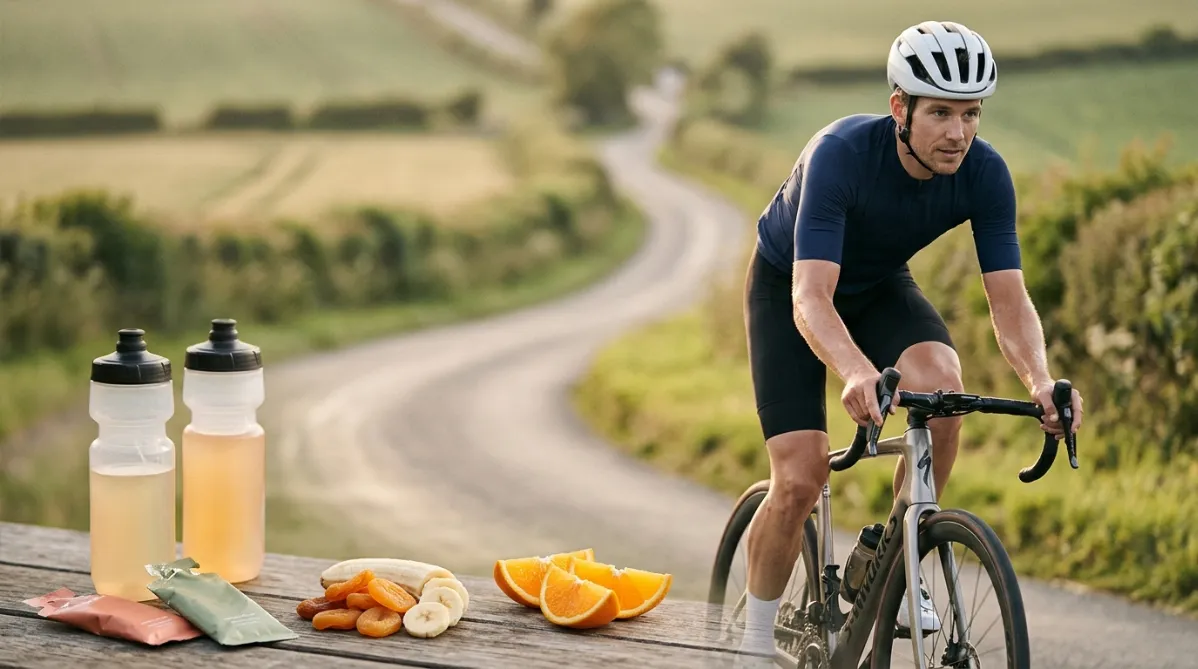
100 g Carbs an Hour Kept Cyclists Faster—And Glycogen Wasn't Why
Four hours into a hard ride, cyclists who fueled with 100 g of carbs per hour lost less power than those who took 60 g. The surprise is that their muscle glycogen ended up about the same. This randomized, double-blind crossover study of 15 trained men points to something beyond glycogen sparing. We break down the numbers, the 1:0.8 glucose:fructose protocol, and how to apply it. We also cover who should skip it and why the small, male-only sample matters.
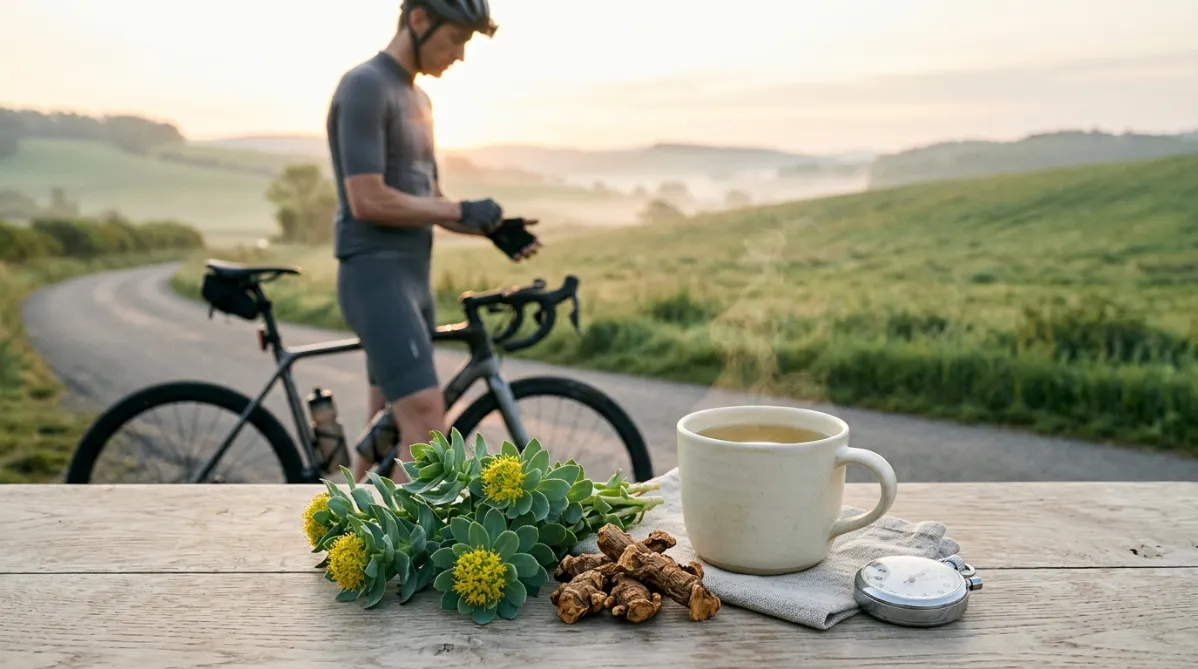
Rhodiola Rosea: A Stimulant-Free Pre-Workout for Hard Cardio?
A 2013 crossover trial found that a single 3 mg/kg dose of Rhodiola rosea an hour before a 6-mile bike time trial shaved the finish time from 25.8 to 25.4 minutes. Warm-up heart rate dropped from 140 to 136 bpm, and perceived exertion fell from 6.6 to 6.0. The gain is small, around 1.5%, and comes from only 18 people, so it's no miracle. Still, the effort-perception angle makes it an intriguing stimulant-free option for endurance athletes. Here's what the data show and how to try it sensibly.
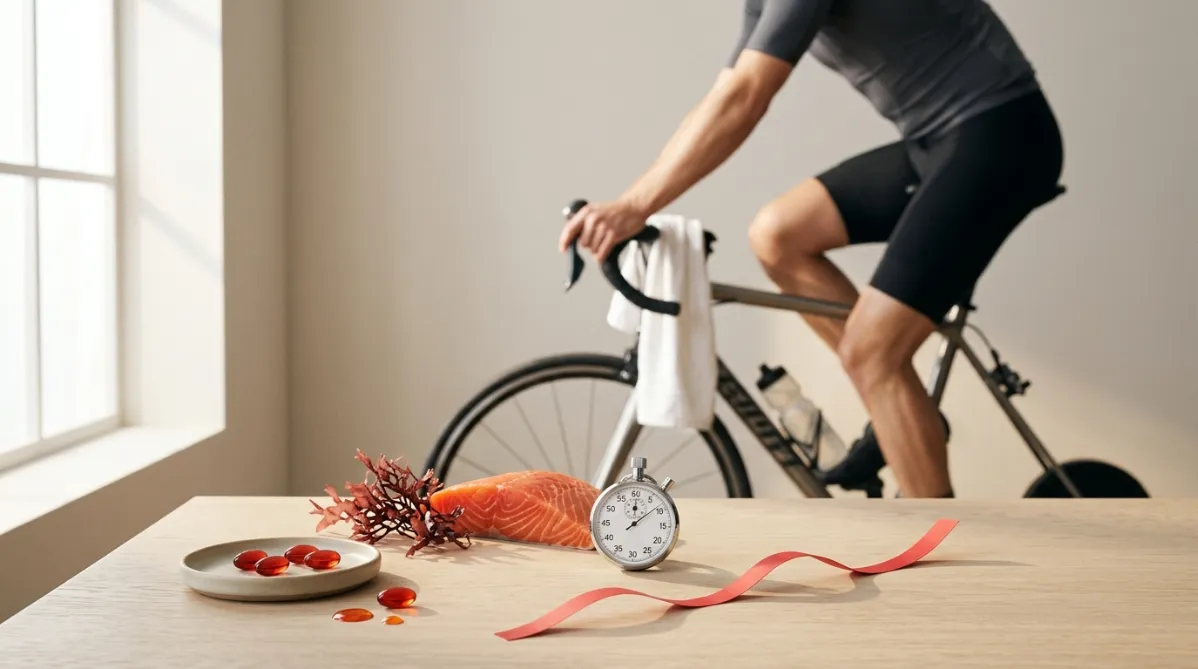
Astaxanthin for 4 Days Boosted Cycling Time-to-Exhaustion From 72 to 85 Minutes in a Small Trial
Four days of astaxanthin at 28 mg/day lengthened cycling time to exhaustion from about 72 to 85 minutes in a small randomized trial, a gain of roughly 18%. The same protocol blunted rises in muscle damage markers (CK and LDH) and lipid peroxidation (MDA) after a hard ride at 75% VO2max. Inflammation markers and fuel use did not change, so the mechanism is still unclear. The dose is also well above what many softgels provide, and the study had just ten young men. Here is what the numbers show and where the evidence stops.