20 g of Whey Didn't Switch On Muscle Building in Older Men
Whey, plant protein, and leucine-boosted plant protein all failed the same test in a new Maastricht trial of 45 men around age 69. Blood amino acid levels differed as expected, with whey highest overall and the leucine blend peaking highest for leucine. Yet muscle protein synthesis was identical across groups and no higher than fasting levels. The takeaway is that dose may matter more than protein source for older adults. Here is what the study did and didn't test, and how to apply it.
HMB While Cutting: Dieters Kept Muscle and Lost 5 kg More Fat
Dieters who took a CaHMB-enriched shake for 12 weeks kept their muscle and lost about 5 kg more body fat than a placebo group. It's one of the more striking supplement results in a calorie-restricted population, and it came from a double-blind trial of 102 adults with obesity. Visceral fat, metabolic rate, and fasting glucose all moved in the right direction too. But the shake also carried 24 g of protein while the control was pure carbs, so HMB can't take all the credit. Here's the dose, who it's for, and the caveats you need to know before buying a tub.
12 Weeks of 715 mg DHA Cut Post-Workout Soreness. Here's the Catch
A 12-week trial in people who train five or more days a week found that 715 mg/day of microencapsulated DHA raised the Omega-3 Index by about 2.4 points. Soreness was lower at both 24 and 48 hours after brutal eccentric cycling, and jump height recovered better at 48 hours, with a moderate effect size. But this isn't an acute recovery hack: the benefits appeared only after three months of daily intake. The trial was small, with 38 participants and uneven groups of 12 control and 26 DHA, so the results are promising but not definitive. Here's what the dose, timeline and caveats mean for you.
Caffeine Made Soccer Players Faster, But Not at Reacting
Everyone assumes caffeine makes athletes sharper all around, but a new double-blind trial in amateur soccer players tells a more nuanced story. A 300 mg dose (about 3.7 mg/kg) improved planned agility with an effect size of 0.62 and also boosted jump performance. But when players had to react to a light or a human opponent, the benefits were small or not statistically significant. Here is what the study found, how to read the results, and who might actually benefit.
Does Sipping 60 g of Carbs Mid-Workout Make You Stronger? Not Quite
Intra-workout carb drinks are everywhere, but do they actually make you stronger? A new randomised, placebo-controlled crossover pilot of 15 resistance-trained adults tested 60 g of maltodextrin during a workload-matched lifting session. Blood glucose rose by about 19 mg/dL, yet lactate, reactive strength and grip strength showed no clear change. Knee-extension reps to failure were roughly 2.5 higher with carbs, but that signal came from just 10 people and wasn't significant after adjustment. Here's what the trial really shows, who might still benefit, and why it's a hypothesis-generator rather than a green light.
Dark Chocolate Added 4.3 cm to Women's Jumps. Should You Care?
A new study found trained female CrossFit athletes jumped about 4.3 cm higher after three days of 30 g/day of 85% dark chocolate than with placebo chocolate. Knee strength outcomes improved too, but muscle soreness largely didn't budge. Before you stock up, the authors themselves call the effects unusually large and flag unmodeled period and carryover effects. This breakdown covers the dose, timing, who it might help, and why this is a promising signal rather than proof.
Ketones Kept Force Output 8% Higher, But Jumps Didn't Budge
Fifty grams of a ketone precursor kept rate of force development 8% higher an hour later in a new Ohio State study, yet it did nothing for countermovement jumps. The randomized crossover trial of 20 active men and women found blood ketones peaking around 2.2 mM at 120 minutes. It also found a 24% drop in blood glucose and a 13 bpm rise in heart rate. That makes it intriguing for lifters doing repeated max-strength efforts, but this was a small, acute study. Here is what the data show, who might care, and who should hold off.
8 g Citrulline Malate Added ~11 Hack Squat Reps—And Less Soreness
One 8 g scoop of citrulline malate an hour before leg day added about 11 extra hack squat reps in a new double-blind crossover trial. The same lifters also reported less soreness at 24 and 48 hours than on placebo. Strangely, blood lactate and perceived exertion didn't budge, so the session didn't feel easier. Here's who might benefit, how the study dosed it, and why the small sample and single-session design mean you shouldn't oversell the result.
Beta-Alanine Is in Every Pre-Workout. Sprint Data Says It May Not Work
Beta-alanine is in almost every pre-workout, and the tingles make it feel like it's working. A 2026 multilevel meta-analysis of 17 randomized controlled trials found no benefit for repeated sprint ability, whether measured by mean performance, peak performance or fatigue decrement. Dose, duration and training status didn't change the picture. The authors suggest repeated sprints are limited by phosphocreatine recovery rather than acidosis, which is what beta-alanine targets. Here's who may still benefit, who can skip it, and what the study can't tell us.
Blackcurrant for Lifters: Why the Low Dose Beat the High Dose
A one-week blackcurrant supplement raised bench press 1RM in resistance-trained lifters, and the smaller 250 mg dose often matched or beat the 600 mg dose. The high dose boosted bench power by nearly 80 W against placebo, and the low dose improved Stroop cognitive scores. But the placebo also beat the no-capsule control on leg press, so those eye-catching gains need careful reading. With just 20 participants and a seven-day window, this is a promising signal rather than a proven strength aid. Here is what held up, what didn't, and who might want to try it.
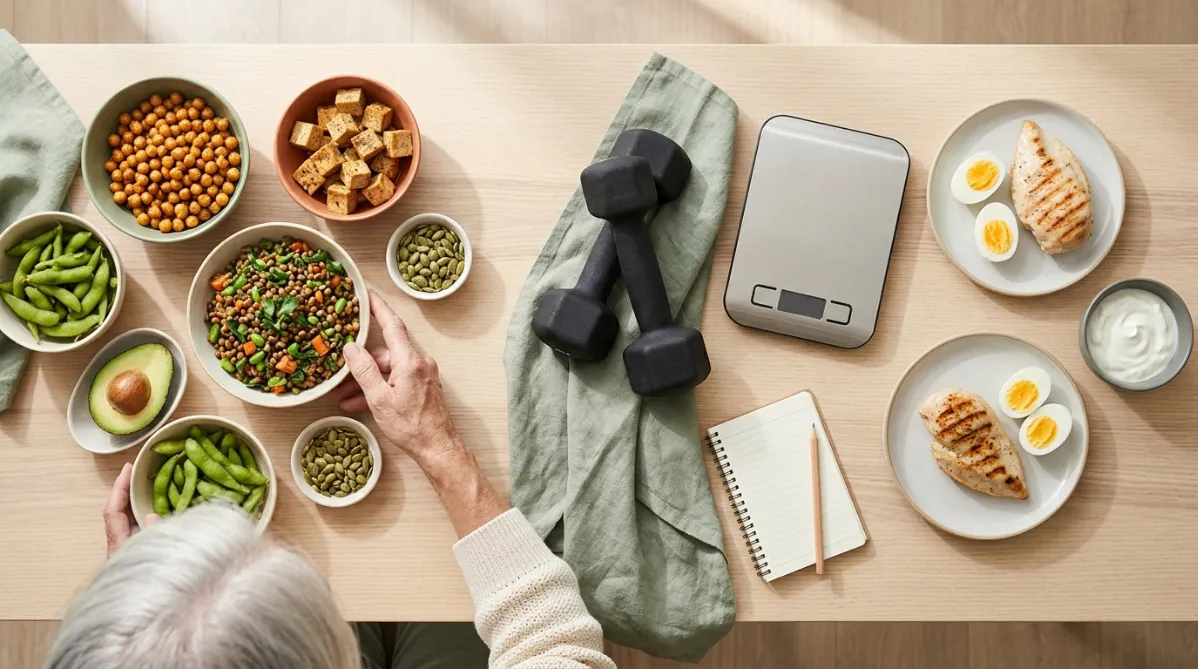
Going Vegetarian After 55? What a 108-Person Lifting Trial Found
Thinking about ditching meat while you lift in your late 50s, 60s or beyond? The IMPACT randomized trial of 108 older adults found that vegetarians and omnivores both gained muscle and strength over 12 weeks of resistance training. But the vegetarian group ate less protein (1.24 vs 1.58 g/kg/day) and gained less appendicular muscle (+0.38 vs +0.66 kg). The researchers could not show the vegetarian diet was noninferior, and the muscle result was statistically inconclusive. Here is what the trial really shows, where it falls short, and how to set protein targets if you lift on a plant-leaning diet.

Creatine Before an All-Nighter? A Lower Dose Still Cut the Brain Crash
What if one big scoop of creatine could soften the brain fog of an all-nighter? A new study in Nutrients found that a single 0.2 g/kg dose, roughly 14-16 g for most adults, reduced the decline in logic, numerical, language-speed and vigilance tasks during 21 hours awake, with improvements of up to 12%. Women appeared to benefit more. But only 29 people took part, the dose is several times the normal daily amount, and the effect was smaller than with the same group's earlier 0.35 g/kg trial. Here's what the data show, and what they don't.

Ashwagandha for Lifters: Strength Boost or Statistical Mirage?
Ashwagandha is sold to lifters as a strength and size booster, and a new meta-analysis of resistance-training RCTs found bench and squat 1RM gains that look impressive on paper. But only three trials with 161 participants could be pooled. Both strength results lost significance under stricter HKSJ testing, and each leaned on a single influential trial. GRADE rated the evidence low to very low, and there was no dependable effect on body fat. Here is what the review actually shows, and who might still want to try it.
Keto for Lifters: Fat Drops, But Lean Mass Lagged by 1.4 kg
A 50-study review finds that ketogenic diets cut fat and generally keep strength intact. But in resistance-trained adults, lean mass came out about 1.37 kg lower than on non-keto diets. The authors rate that finding low certainty and stress it doesn't prove muscle loss, since glycogen and water may explain much of it. High-intensity performance was also more often unchanged or impaired. Here's who keto may suit for cutting, who should skip it, and how to protect lean mass.
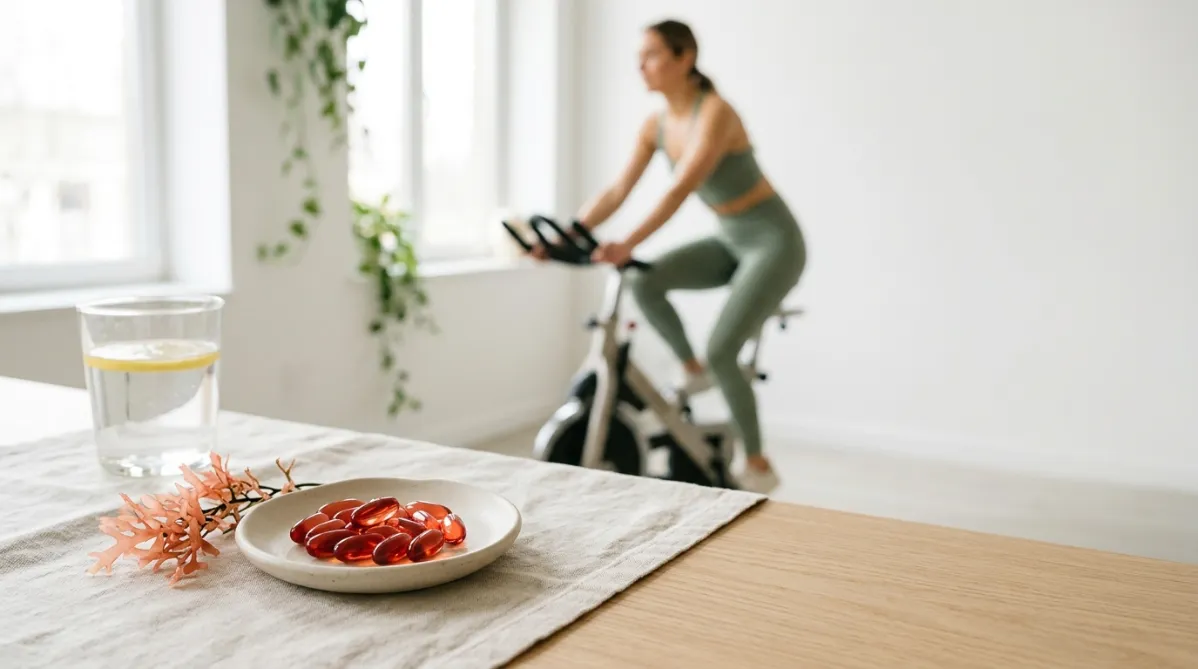
Astaxanthin Shifted Women's Fuel Burn Toward Fat With Zero Extra Effort
Two weeks of 12 mg/day astaxanthin lowered respiratory exchange ratio in active women during moderate cycling, a sign of a shift toward burning more fat. Heart rate, blood lactate and perceived exertion stayed the same, so the change came with no extra strain. The randomized, double-blind crossover trial had only 20 participants and measured fuel use, not fat loss. Here is what the study found, who it may suit, and what it cannot yet tell us.

Melatonin Then Caffeine: Only the Combo Cut Muscle-Damage Markers
Caffeine made trained men run farther in a shuttle test, but only the melatonin-plus-caffeine stack also lowered muscle-damage and inflammation markers. The protocol was 6 mg of melatonin before bed, then 3 mg/kg of caffeine an hour before testing. Melatonin did not change measured sleep, which makes the result even more curious. The study was a small crossover with 14 trained males and a single performance test, so the findings are early. Here is what was tested, who it might suit, and what it does not prove.

Quercetin Tripled Strength Gains in Older Lifters—Without More Muscle
A cheap flavonoid found in onions and apples may have just boosted strength gains in older lifters far beyond what training alone delivered. In a randomized, double-blind trial, older adults taking 200 mg/day of quercetin glycosides gained about 15% in knee strength over six weeks, versus about 5% on placebo. Strangely, muscle mass didn't change in either group. The edge appeared to come from the nervous system, with higher-threshold motor units firing faster. Here's what the study found, how to apply it, and why the small sample demands caution.
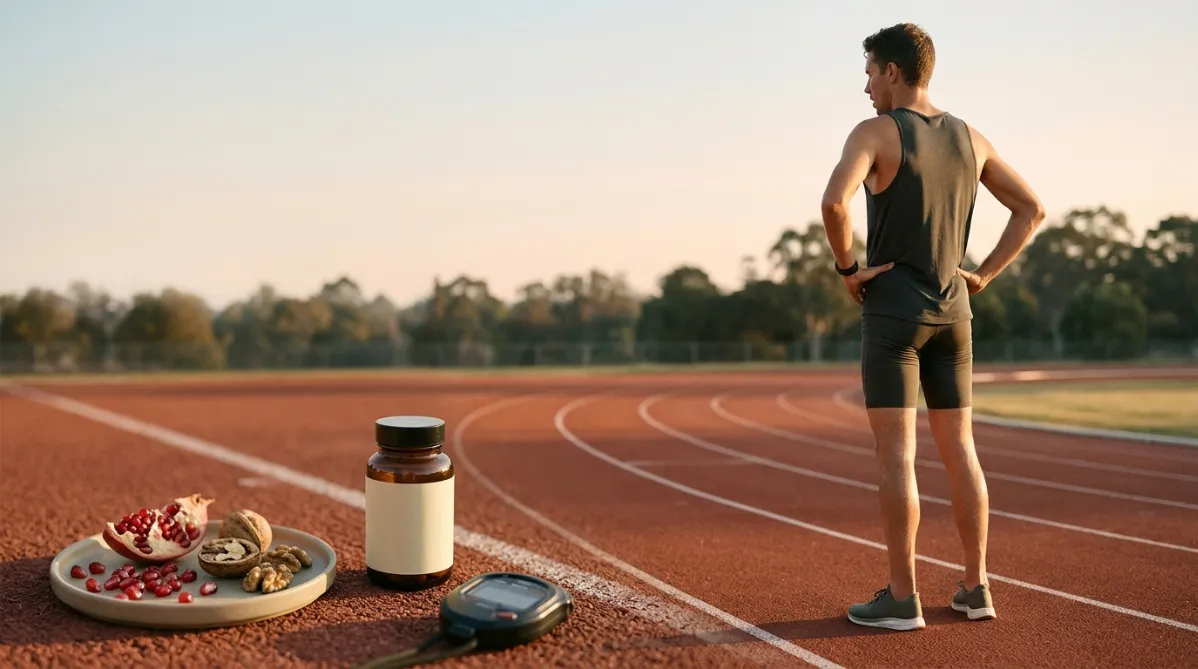
Urolithin A Didn't Make Elite Runners Faster—But Cut Muscle Damage
Urolithin A has been marketed as a "mitochondria supplement," so researchers tested it on elite male runners with a VO2max around 66. It did not make them faster over 3000 m. It did lower the muscle-damage marker CK and the athletes' perceived effort after racing. VO2max rose 5.4% in the UA group versus 3.6% on placebo, but that difference was not statistically significant. Here is what 1000 mg a day for four weeks did and didn't do, and what to keep in mind about the small samples and industry ties.
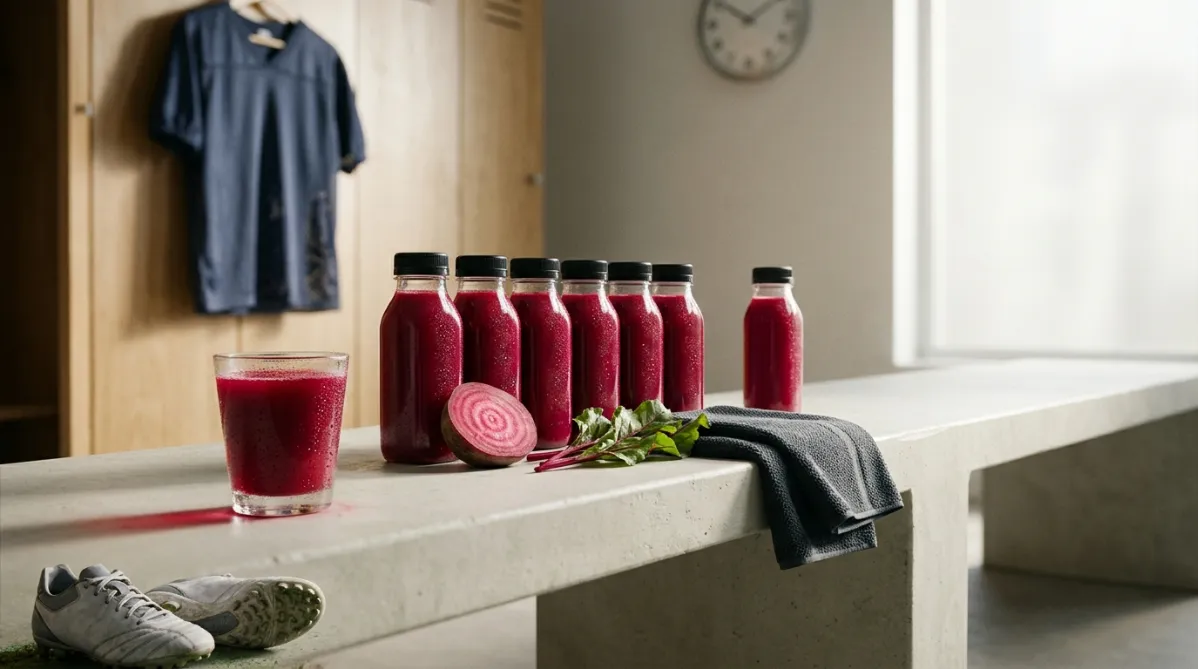
Beetroot Juice for Team Sports: Why One Pre-Game Shot Falls Flat
That red shot in the locker room might not be doing what you think. A new meta-analysis of 24 trials in team sport athletes found beetroot juice and dietary nitrate give small but real benefits, mainly in team sport-specific tasks (g = 0.143, moderate certainty). The best-supported approach is multi-day loading with a final dose 2-3 hours before exercise, while single pre-game doses showed no clear effect. Single sprints, most metabolic markers, and cardiorespiratory responses didn't improve, and no clear dose-response emerged. Here's who should try it, who should skip it, and why the chronic-versus-acute story is shakier than it looks.

Caffeine in Thin Air: The Endurance Boost Hypoxia Can't Erase
Thin air wrecks endurance, but a new meta-analysis suggests caffeine can claw some of it back. Pooling nine placebo-controlled crossover studies (117 participants), researchers found a moderate-to-large performance boost in hypoxia (g = 0.76). The surprise is that oxygen saturation and perceived exertion didn't change, while heart rate, lactate, and ventilation went up. The evidence is rated low certainty and only 19 participants were women, so this is promising rather than proven. Here's who stands to benefit, who should skip it, and how to think about dose and timing.
Creatine Plus L-Arginine Added ~99 W Peak Power. Here's the Catch
A new crossover trial found that taking creatine and L-arginine together an hour before testing raised peak sprint power by about 99 W over placebo. The stack also beat each supplement alone on peak power and countermovement jump height. But the researchers couldn't prove the two work synergistically, and the study had only 18 men. Here's what the numbers show, how the doses worked, and who should be cautious.

3 g HMB + 40 g Whey: The Surprise Boost Hit Women, Not Men
Everyone assumed a muscle-building add-on would help older men most. A new tracer study found the opposite: adding 3 g of calcium-HMB to a 40 g whey shake boosted muscle protein synthesis in older women, but not men. HMB also reduced late-fed muscle breakdown across the group. But this was a 3-hour acute study of just 24 adults with Abbott Nutrition co-authors, so it's no proof of long-term muscle gain. Here's the dose, timing, who might benefit, and who should skip it.

Collagen Peptides Stiffened Tendons and Boosted Explosive Strength
Collagen isn't just for skin. In a 16-week randomized trial, 10 g of daily collagen peptides made calf muscle and Achilles tendon stiffer and sped up force production in sedentary young men. But max strength and muscle size didn't budge. The authors are affiliated with supplement maker Morinaga, and the study was limited to a narrow group. Here's what the data show, who might benefit, and what still needs proof.
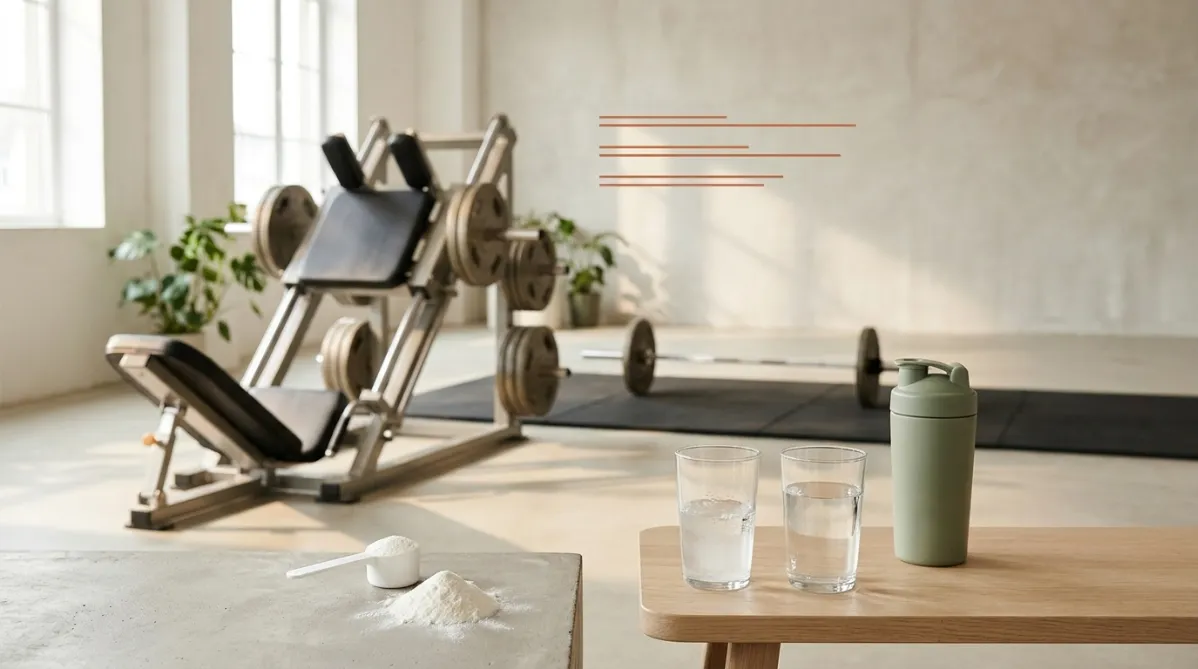
Is 8 g Citrulline Malate Too Low? Only 12 g Boosted Leg Press Reps
Most citrulline malate pre-workouts lean on a moderate dose, but a new double-blind pilot trial suggests that may not be enough to move the needle. In 12 resistance-trained adults, only a 12 g dose significantly increased total reps, while 8 g did not reach significance. The boost showed up on leg press, with estimated reps of 17 on placebo, 19 on 8 g and 20 on 12 g, but not on bent-over rows. Taken one hour before training, the higher dose looks promising, yet the tiny sample means this is a hypothesis, not a verdict.
Protein Farts? Probiotic BB536 Cut Odor, But Only in Some Guts
Gassy, smelly gut trouble from all that whey? A new trial tested the probiotic Bifidobacterium longum BB536 in athletes on high-protein diets and spotted drops in odor compounds like methyl mercaptan and ammonia. The catch: the overall group showed no significant difference from placebo, and the promising results came from post hoc subgroups. The study was small, exploratory, and tied to the probiotic's maker. Here's what BB536 is, why your baseline microbiome may decide who benefits, and the cheaper fixes to try first.
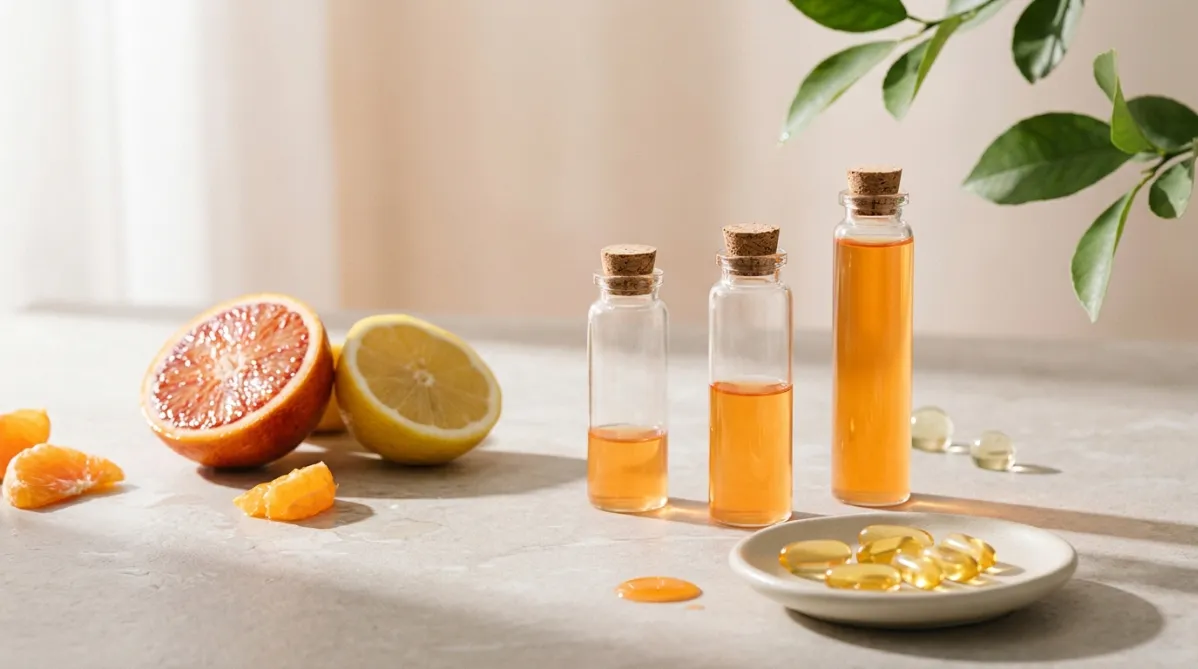
Liposomal Vitamin C Hit 6x Higher Blood Levels. A New Form Doubled It
A new crossover trial found that conventional liposomal vitamin C produced about 6 times the blood exposure of plain vitamin C, while a new dual-encapsulated form reached about 11 times. That is a striking gap, but the study had only 12 people, one 350 mg dose, and an 8-hour window. It was also funded by the maker of the new form, which has a patent filed. Here is what the numbers actually show, why encapsulation changes absorption, and who might (or might not) benefit.
Chickpea Protein Lowered Cyclists' CRP and LDH in 2 Weeks
Two weeks of a small post-training dose of chickpea protein hydrolysate was linked to lower CRP and LDH in competitive cyclists compared with placebo. The double-blind trial gave 24 riders 12 g/day, and they were already eating more than 2 g/kg of protein daily. That makes the biomarker shifts more intriguing, but the study measured no performance, recovery or soreness outcomes. Here is what hydrolysates are, who might care, and why this is a promising signal rather than a proven recovery tool.

MCT Oil vs Olive Oil on a Diet: One Group Ended 1.7 kg Lighter
A 16-week diet trial pitted MCT oil against olive oil, and the MCT group ended about 1.7 kg lighter. Their endpoint belly fat was lower too. But the fat-loss differences were only trends, over a third of participants dropped out, and the study dates to 2008. Here's what the research really showed, why MCTs might work, how to dose them without stomach trouble, and who should skip them.
Probiotics During a Weight Cut: Athletes Lost More Body Fat
Cutting weight before a fight is miserable, and a new trial suggests your gut bacteria might make it a little more efficient. In 32 combat sports athletes on a 4-week weight reduction phase, those taking a probiotic lost more body fat percentage than placebo. They also showed lower triglycerides and LDL-C, higher short-chain fatty acids, and smaller rises in circulating free fatty acids. But everyone still lost muscle, and the study is small, short, and limited to one sport. Here's what the data show, what they don't, and how to think about probiotics as an adjunct rather than a shortcut.
Intra-Workout Protein Shake: 8-Week Biopsy Trial Found No Extra Muscle
Think you must chug protein mid-workout or lose gains? A Swedish randomized trial with muscle biopsies says otherwise. Over 8 weeks, men who trained in a fed state grew just as much muscle with a carb-only drink as with carbs plus protein. Meanwhile, lifting alone sparked broad type IIA fibre growth and nearly erased type IIX fibres. The study is small and exploratory, so modest effects can't be ruled out, but the practical message is clear: training and total daily protein come first.

Collagen Beat Whey for Muscle in a 78-Trial Analysis?
A 2026 network meta-analysis of 78 randomized trials and 4,755 people ranked collagen first for strength and fat-free mass gains with resistance training, ahead of whey. Stranger still, no other protein supplement beat placebo. But collagen is an incomplete, low-leucine protein, and the confidence intervals are wide. Here is what the numbers actually show, why the result needs head-to-head confirmation, and what to do with your supplement stack in the meantime.
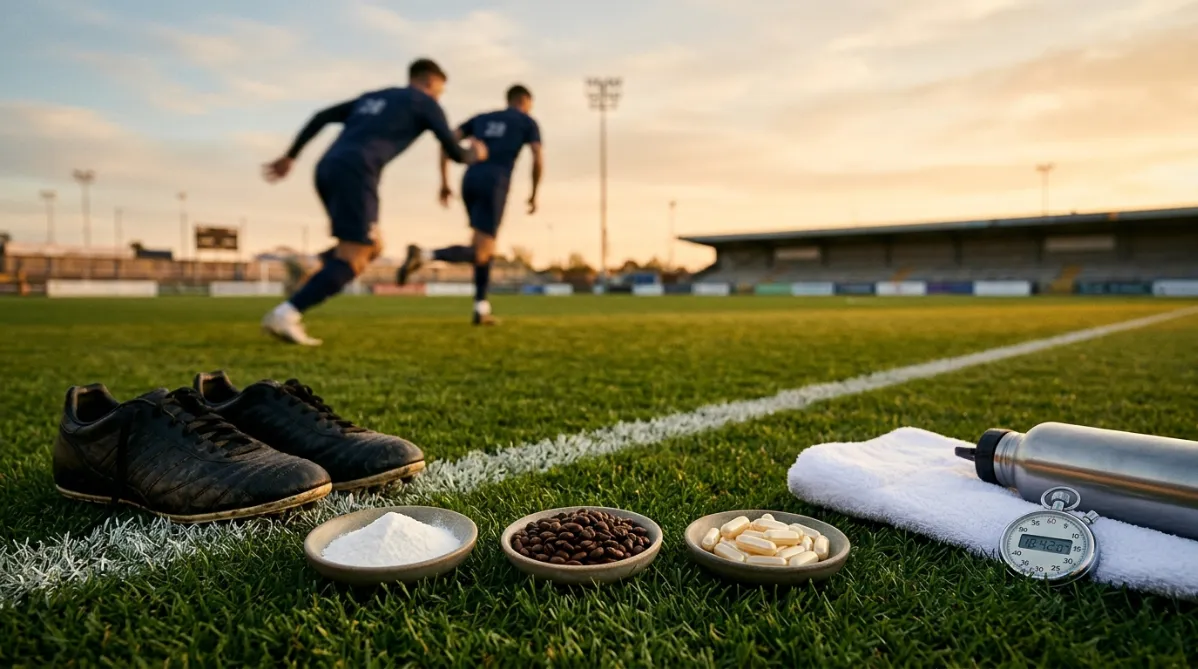
Taurine, Caffeine + PS Stack Gave Pro Soccer Players an Edge. The Catch?
Pro footballers who took taurine, caffeine and phosphatidylserine for 14 days showed more favorable 30 m sprint results, reaction times and mental fatigue scores than placebo in a 97-player randomized trial. But doubling the PS dose from 300 to 600 mg made only a modest, inconsistent difference. The authors also say the data do not prove better fatigue resistance, and PS was never tested on its own. Here is what the stack was, what it did and what it cannot tell you.
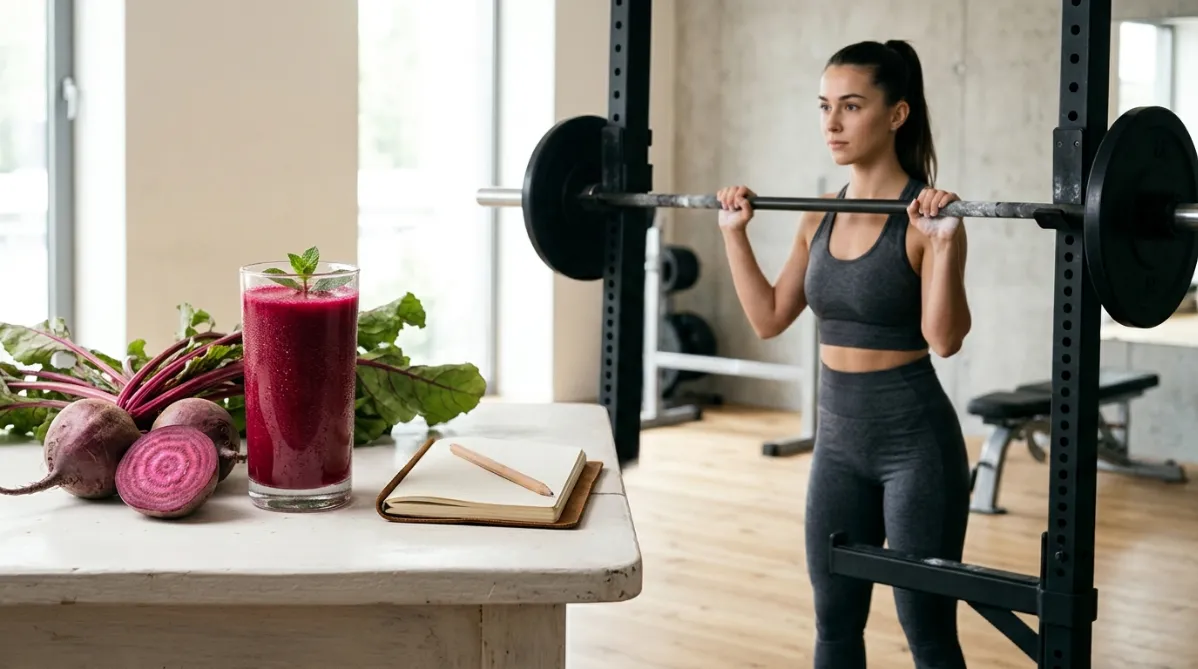
Beetroot Juice Failed Women Lifters—and Even Slowed the Bench
Beetroot juice has a reputation as a natural performance booster, but a new crossover trial in 18 resistance-trained women found no squat benefit at all. Even stranger, bench press power and velocity dipped slightly at one load (60% 1RM) after a ~6.7 mmol nitrate dose taken 2.5 hours before training. The drop was only about 5 W and 0.02 m/s, with borderline P values, so it's far from a verdict. Here's what the study tested, what it can't tell us, and who might still want to experiment with nitrate.
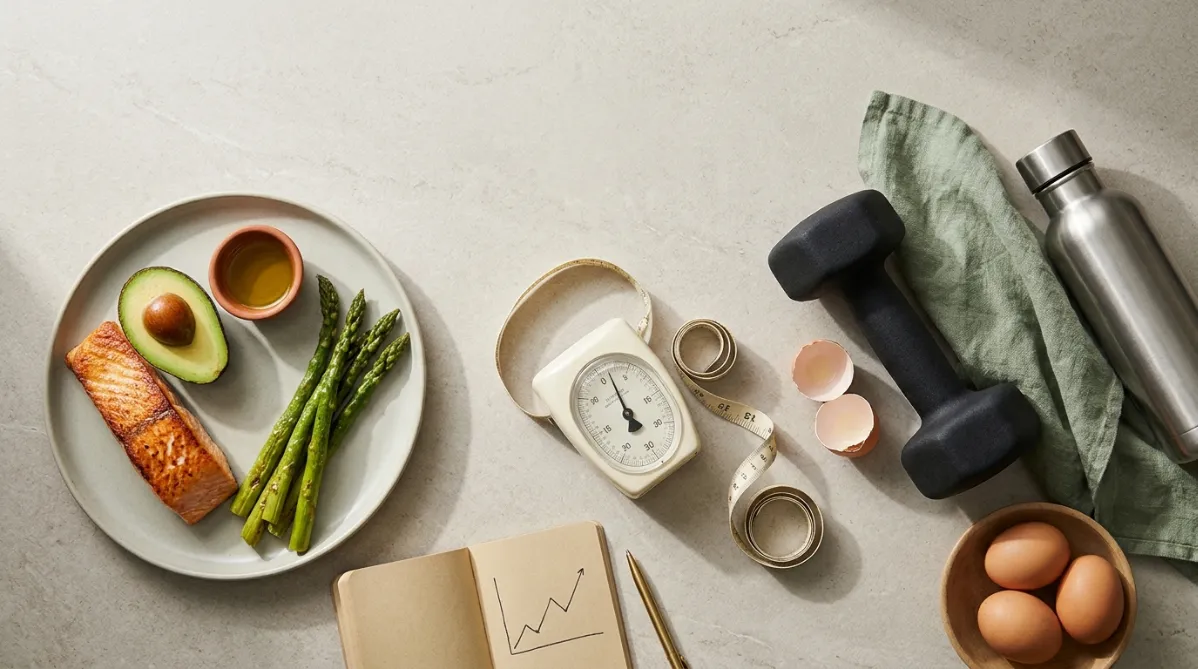
Does Keto Spare Muscle on a Cut? The Lean-Mass Data Surprises
Keto is often pitched as a muscle-sparing way to cut, thanks to the supposed anti-catabolic effects of ketones. A new narrative review in Nutrients tests that idea against clinical data and finds it wanting. Ketogenic diets mostly cut fat, but meta-analyses show slightly larger fat-free mass losses than non-keto diets. The catch is that DXA and BIA can't separate muscle from water and glycogen, so the true muscle effect remains unclear. What really protects lean tissue is the familiar trio of adequate protein, resistance training and a moderate deficit.

Going Vegan at 65+? Lean Mass Fell 1.15 kg in 12 Weeks
A 12-week randomized trial in 72 adults aged 65+ found that going vegan without planning protein cost them 1.15 kg of lean mass. The omnivore group held steady. Adding resistance training cut the loss to 0.62 kg, which helped a lot but didn't erase it. The real culprit was a protein intake that fell by roughly 20 to 28 g/day, not plants themselves. Here's what the data show and how to protect your muscle on a plant-based diet.
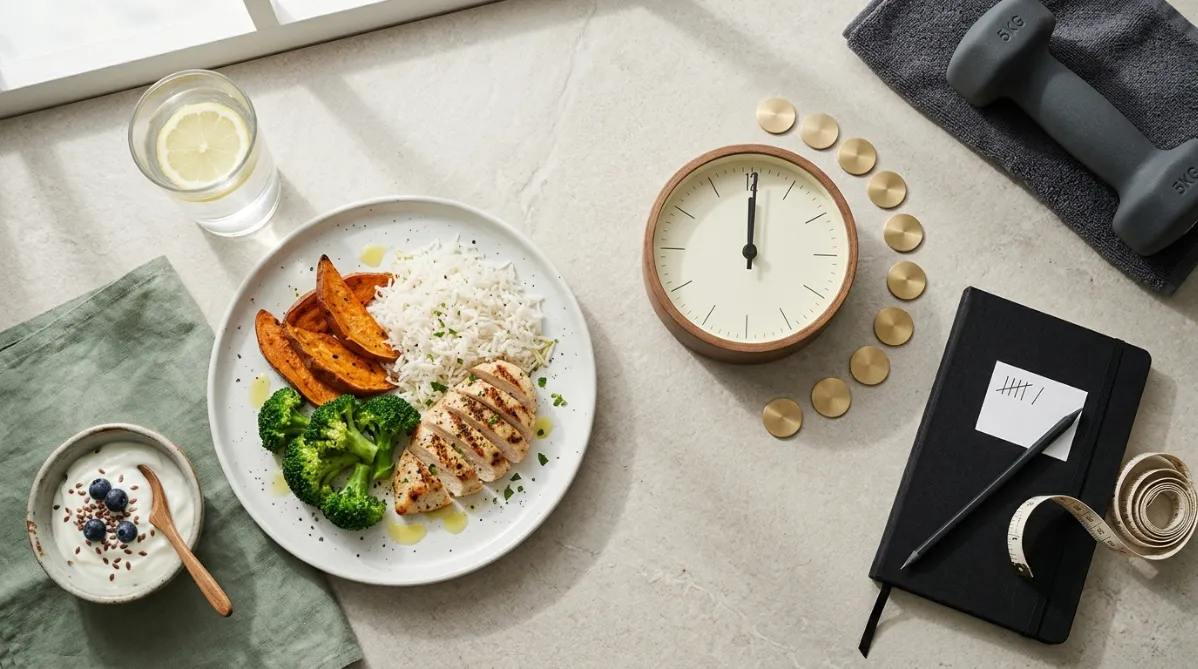
16:8 Fasting While Bulking: Same Muscle, Less Than Half the Fat Gain
Lifters who squeezed their bulk into an 8-hour window gained the same muscle and strength as normal eaters, with less than half the fat gain. The twist is that fasting wasn't the magic. The 16:8 group simply ate less than the prescribed surplus, which also meant less protein and carbs. This 12-week randomized trial suggests time-restricted eating works as a lean-bulk adherence tool, not a metabolic hack. Here are the numbers, the protein target that held up, and who should try it or skip it.
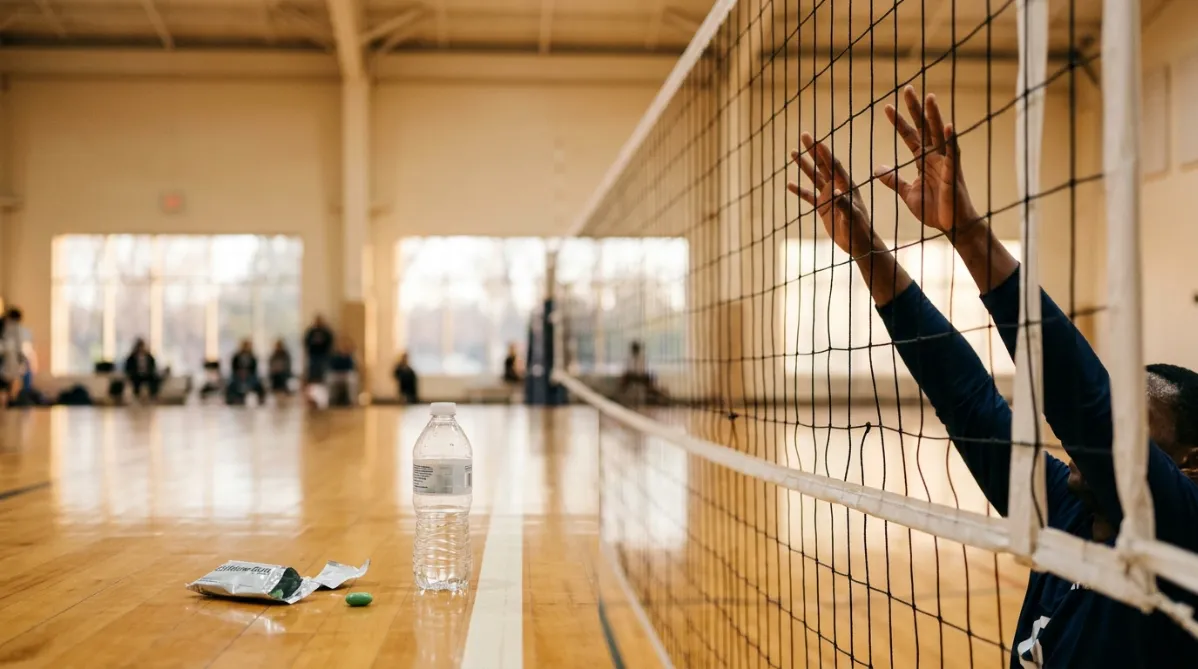
Fatigue Slowed Reactions 18%. Caffeine Gum Held It to 3%
After a brutal repeated-blocking fatigue protocol, elite volleyball players on placebo got 18.4% slower in their reactive blocking sequence. With 6 mg/kg caffeine gum, the slowdown was just 3.0%, and 3 mg/kg landed at 6.4%. Block-jump power and drop-jump stiffness also held up better with caffeine. But the study had only 15 athletes, blinding was incomplete, side effects were more common at the higher dose, and no single best dose was established. Here's what the numbers mean in real milligrams and who might actually benefit.
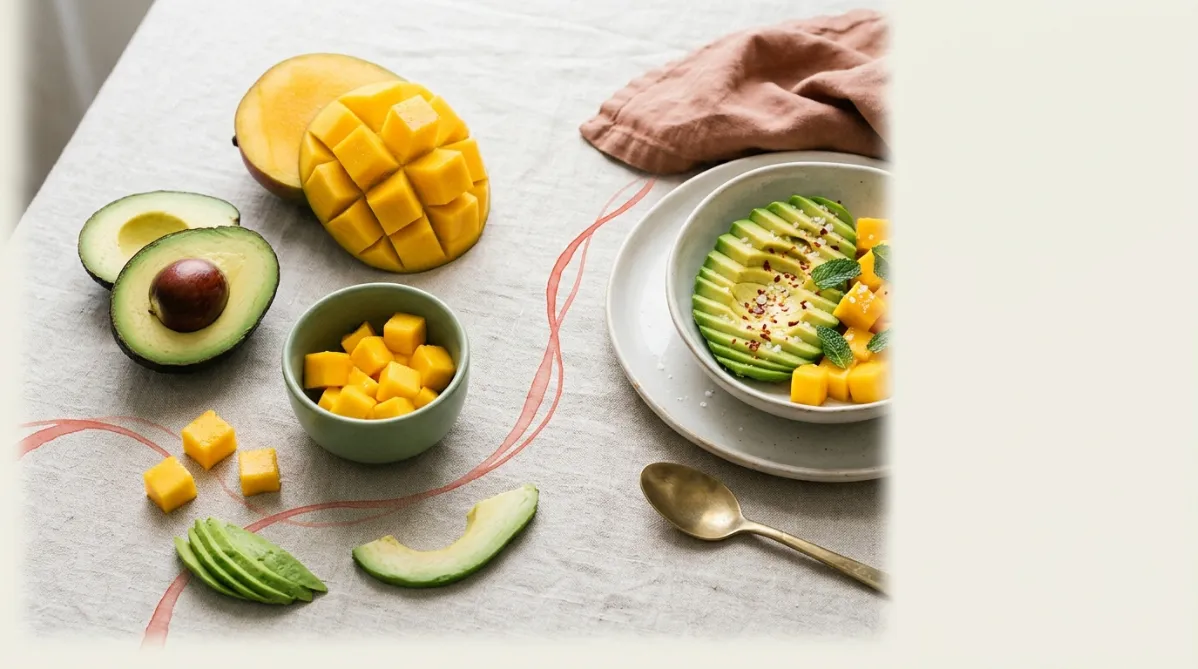
Avocado + Mango Daily: What Changed in Arteries (and What Didn't)
Eight weeks of one avocado and one cup of mango a day changed something in the arteries of adults with prediabetes. It wasn't blood sugar. In an 82-person randomized trial, flow-mediated dilation rose about 1% on the fruit diet while it fell on a low-fiber control, a between-group gap of roughly 2.1% (P=0.008). Diastolic blood pressure improved mainly in men, and most other markers showed no difference. The study was partly funded by the Hass Avocado Board and the National Mango Board, so here is what it does and doesn't show, and how to fit the combo into a cut or maintenance diet.
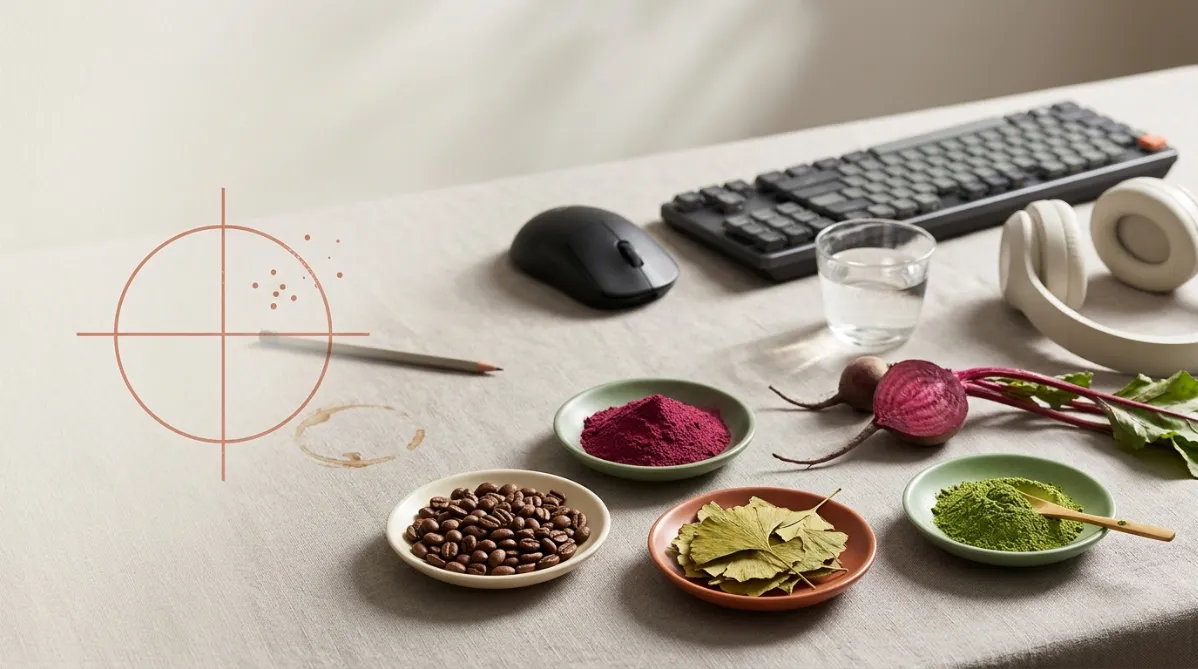
Fried Brain, Lost Aim: Which Supplement Actually Restores It?
Three hours into ranked, your crosshair drifts and your flicks land just off target. A new crossover trial in 20 high-level FPS players put caffeine, beetroot nitrate, Ginkgo biloba and green tea catechins head-to-head after Stroop-induced mental fatigue. All four beat placebo for shooting accuracy recovery, with no differences among them, while caffeine, nitrate and catechins also restored shooting stability. None improved spatial localization or multitasking beyond natural recovery. Here's how to use the findings, and why the small sample demands caution.

Beetroot Juice and Jump Height: Does Day 3 Bring the Bounce Back?
Two hundred loaded jumps leave legs wrecked, but could beetroot juice bring the bounce back by day three? A new crossover trial in female volleyball players found higher jump height at 72 hours and a better calf pain threshold under beetroot juice. Soreness, agility, swelling and most strength measures were no different, and the overall jump interaction was only a trend. This article breaks down what the study found, how athletes might use beet juice after heavy plyometric work, and why the small, women-only sample calls for caution.

Caffeine + Baking Soda Stack: Does It Beat Either Alone?
Stacking two proven ergogenic aids sounds like a guaranteed win, but a new meta-analysis of 13 crossover trials says the math isn't that simple. Compared with placebo, caffeine plus sodium bicarbonate added about 8.4 W of mean power and shaved roughly 1.6% off time-trial times. Those results fell apart when single studies were removed, and the stack did not beat caffeine or bicarbonate alone. Here is what the data show, what the typical doses look like, and who should bother with the combo.

Protein in Your Drink Hydrates Better? 16 Studies Say Yes, Mostly
Most athletes treat rehydration as a two-ingredient problem: water plus electrolytes, maybe some carbs. A new systematic review and meta-analysis in Sports Medicine suggests that protein deserves a place in that conversation. Pooling 16 human studies, the Loughborough University-led team found that drinks containing protein helped people retain more fluid, produce less urine, and finish in a better net fluid balance than control beverages.
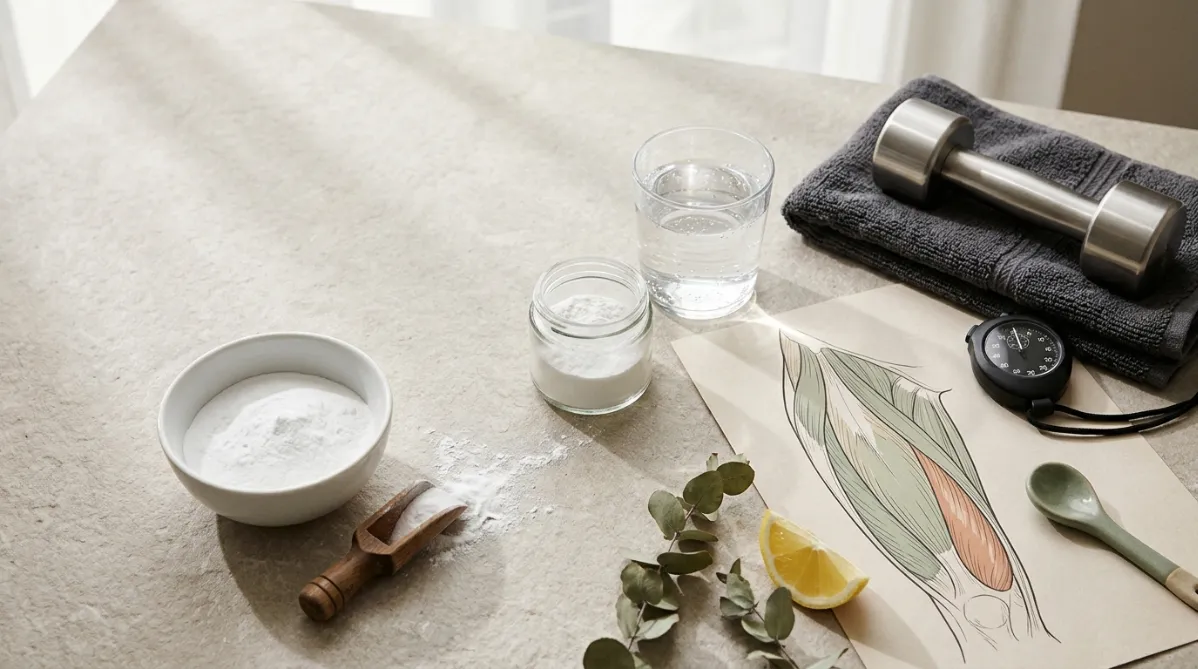
Beta-Alanine + Baking Soda Stack Lifted Quad MRI Growth. The Catch?
A new eight-week trial found that men taking beta-alanine plus baking soda saw about 21-24% quad growth on MRI, versus roughly 5-9% on placebo. The supplement group also completed about 29% more training volume, which may explain much of the effect. But with only 20 participants and no extra strength gains, the picture is more nuanced than the headline numbers suggest. Here is what the study found, what it didn't, and how to think about doses, tingling, and stomach comfort.
Does Protein Powder Add Strength? 23 Trials Reveal the Catch
Does adding protein powder to your training actually make you stronger? A 2026 meta-analysis of 23 randomized trials and 611 young adults found an average edge of 7.4 kg on the squat and 2.6 kg on the bench press. The squat benefit clustered in programs of 12 weeks or less and in trials where protein was taken around workouts and before sleep. But the timing signal was only borderline, no optimal dose was established, and the authors stress the benefit is conditional, not universal. Here is what the data support and what they don't.
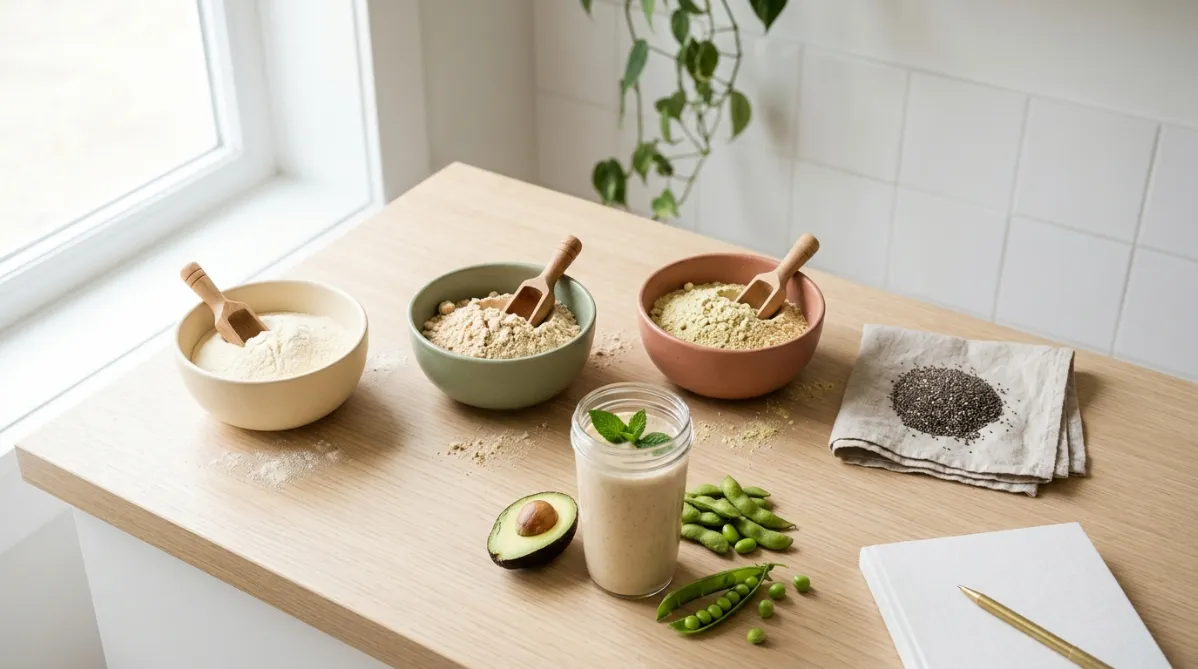
Whey Isn't Special for Beginners? Soy and Pea Just Matched It
Think you need whey to build muscle as a beginner? A new meta-analysis of five DEXA trials found that soy and pea protein didn't significantly trail whey for lean mass or fat mass changes in untrained adults. But the authors warn that "no significant difference" isn't proof of equivalence, and the evidence base is small. Here's what the data show, what they don't, and how to choose and dose your protein. Chia protein fans, you'll want to read the part about the single trial.
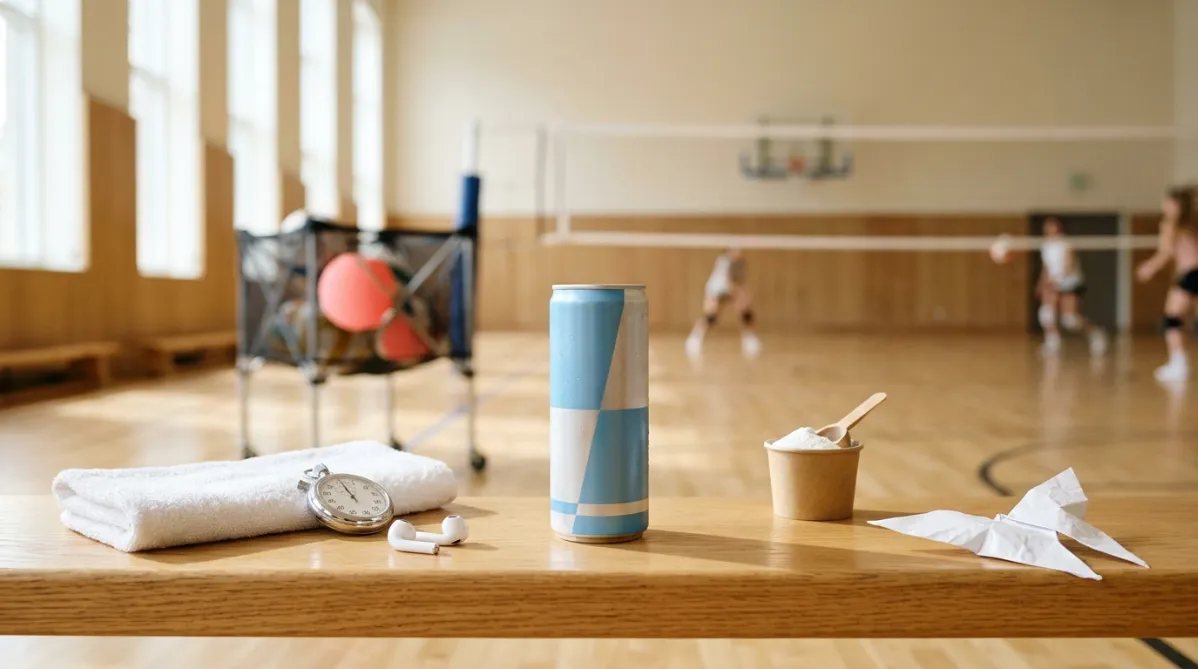
Does Red Bull Give You Wings? 13 Gym Tests Found Nothing
Red Bull's slogan promises wings, but a new crossover trial in female volleyball players found none. One standard can failed to improve any of 13 measures across Wingate, jump, and handgrip tests compared with a placebo. Eight of the 15 athletes also reported mild nausea. The likely reason is that the can delivered only about 1.1 mg/kg of caffeine, well below the 3 to 6 mg/kg commonly cited as effective. Here's what the study shows, where its limits lie, and how to dose caffeine properly.
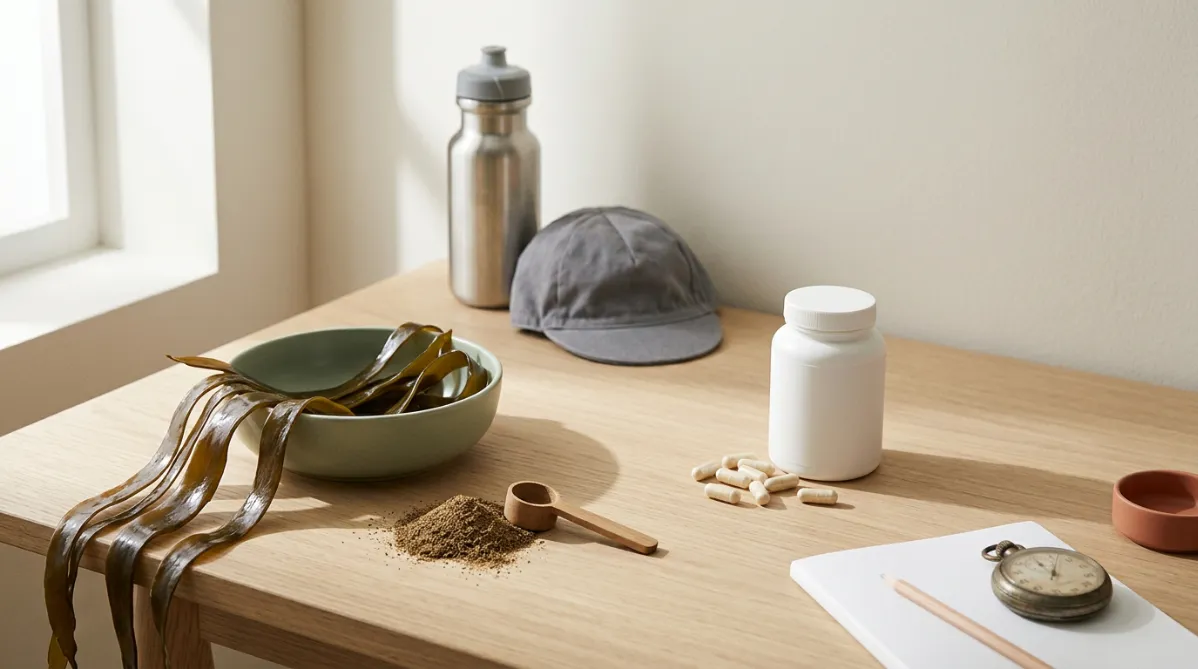
Does Brown Seaweed in Your Pre-Workout Actually Do Anything?
Brown seaweed extract *Ecklonia cava* shows up in pre-workouts and fat burners, but does it actually help you perform? A randomised, double-blind crossover trial gave 12 trained cyclists 263 mg or a placebo before an hour of riding and a set of maximal sprints. Blood glucose rose slightly, but lactate, oxygen uptake, fat-versus-carb use and sprint power did not change. The sample is small, so the study can't rule out tiny effects, but it offers no support for an acute performance boost. Here's what was tested, what it means and where your money may be better spent.

The Knee Supplement That Missed Its Goal but Still Got Attention
A new randomized trial tested a hydrolyzed chicken cartilage and rosehip supplement on knee pain in 138 active adults, and the main test came back flat. Both the supplement and placebo groups improved by more than two points on a 10-point scale. Exploratory analyses did hint at benefits for daily-activity pain, especially in postmenopausal women, but those signals come from small subgroups and are not conclusive. The study was authored by employees of the companies behind the product. Here is what the data show, what they don't, and how to think about trying it.
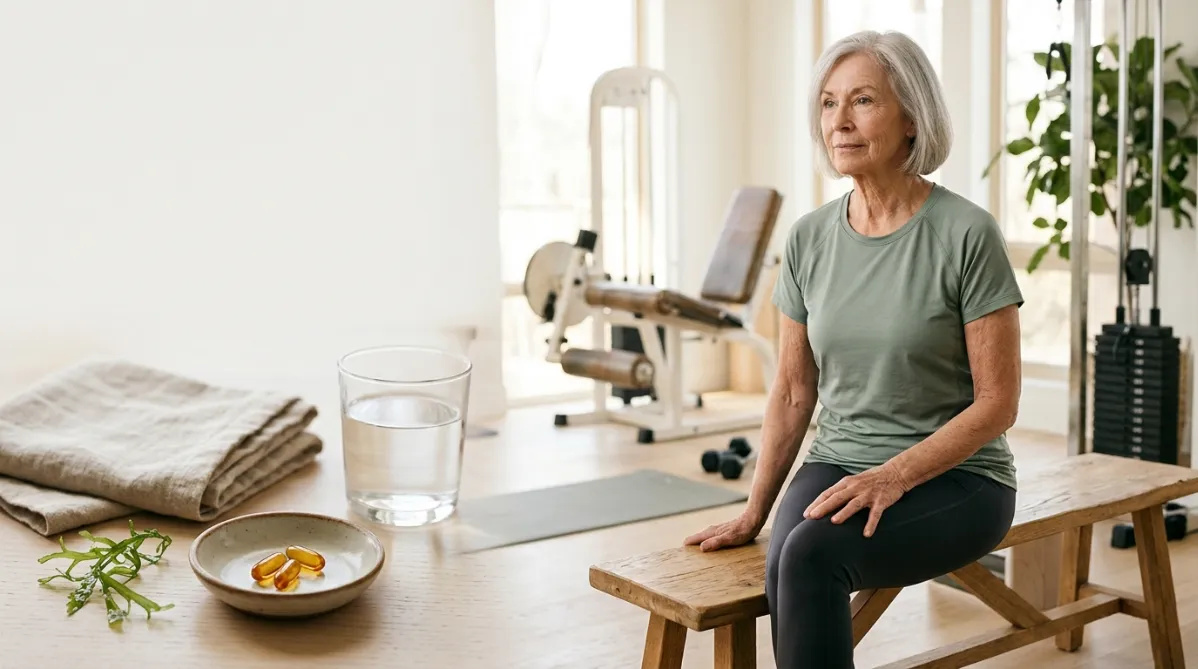
Omega-3 for Sore Legs After 65? The Trial Had a Twist
Omega-3 supplements are often marketed as a way to ease muscle soreness and speed recovery. A new randomised, placebo-controlled trial put that claim to the test in 43 healthy adults aged 65 to 85 after a demanding eccentric leg-extension session. After eight weeks on 2 g of algae-oil omega-3, functional recovery was no better than placebo, and strength was lower at 24 and 72 hours. The biochemical response did look different, but different is not the same as better. Here is exactly what changed, what didn't, and what older lifters should take from it.

This 'Better-Absorbed' Creatine Just Matched Plain Monohydrate
The premium creatine market is built on promises of better absorption and a gentler stomach, but plain monohydrate has the research record and the low price. A new randomized, double-blind crossover trial tested a newer product, OptiCreatine, against monohydrate in 17 healthy young adults. After a single 5 g dose, blood creatine curves, peak levels, timing and GI symptoms were statistically similar. Here is what that means in plain words, what the study can't tell you, and how to shop smartly.